

Content Preview
Our complete Cangshan Mountain guide shows you how to explore the dramatic marble ridge that frames Dali’s famous lake in Yunnan province. Standing just west of Erhai Lake, Cangshan rises in nineteen peaks, each separated by a clear mountain stream, with snow lingering on the highest summits well into spring. This article covers the best time to visit Cangshan Mountain, exactly how to get to Cangshan Mountain from Dali Ancient Town, the best things to do at Cangshan Mountain, the current Cangshan Mountain entrance fee, and practical Cangshan Mountain travel tips for foreign visitors. Plan the wider trip with our Dali Yunnan travel guide, and read about the water at its foot in our Dali Erhai Lake guide.
Best Time to Visit Cangshan Mountain
The best time to visit Cangshan Mountain is from March to May and again from September to November. In spring the mountain slopes burst with wild azaleas and the snow line sits high enough that you can ride the cable car into crisp, clear air without extreme cold. Autumn brings the steadiest weather: blue skies, low rainfall, and the sharpest views across Erhai Lake toward the Cangshan ridgeline. Summer (June to August) is the rainy season; mornings are usually clear but afternoon thunderstorms build quickly, and the summit clouds over. Winter is cold and the upper cable-car stations can close during heavy snow, yet it is the only season when the full ridge wears a continuous white cap — a favorite for photographers who already know how to get to Cangshan Mountain for sunrise shots above the clouds. If you want to combine the mountain with village life, time your visit to avoid China’s fixed holiday weeks, when the old town and cable cars get crowded and prices climb.
How to Get to Cangshan Mountain
Knowing how to get to Cangshan Mountain is the first step of any visit. Most travelers base themselves in Dali Ancient Town and take a short taxi or bus west to the foothills. The two main gateways are the Ximatan cable car (near the Three Pagodas, climbing toward the central peaks) and the Gantong cable car (south of the old town, serving the Zhonghe Temple and hiking ridges). From Dali Railway Station, a taxi to either base station takes roughly 40 minutes; from Dali Airport, allow about an hour. Local bus 19 runs from the ancient town to the Gantong cable-car base for a few yuan. If you are combining Yunnan stops, our Lijiang Old Town travel guide and Kunming travel guide explain the high-speed rail links that make Dali an easy stop on a longer loop.
Things to Do at Cangshan Mountain
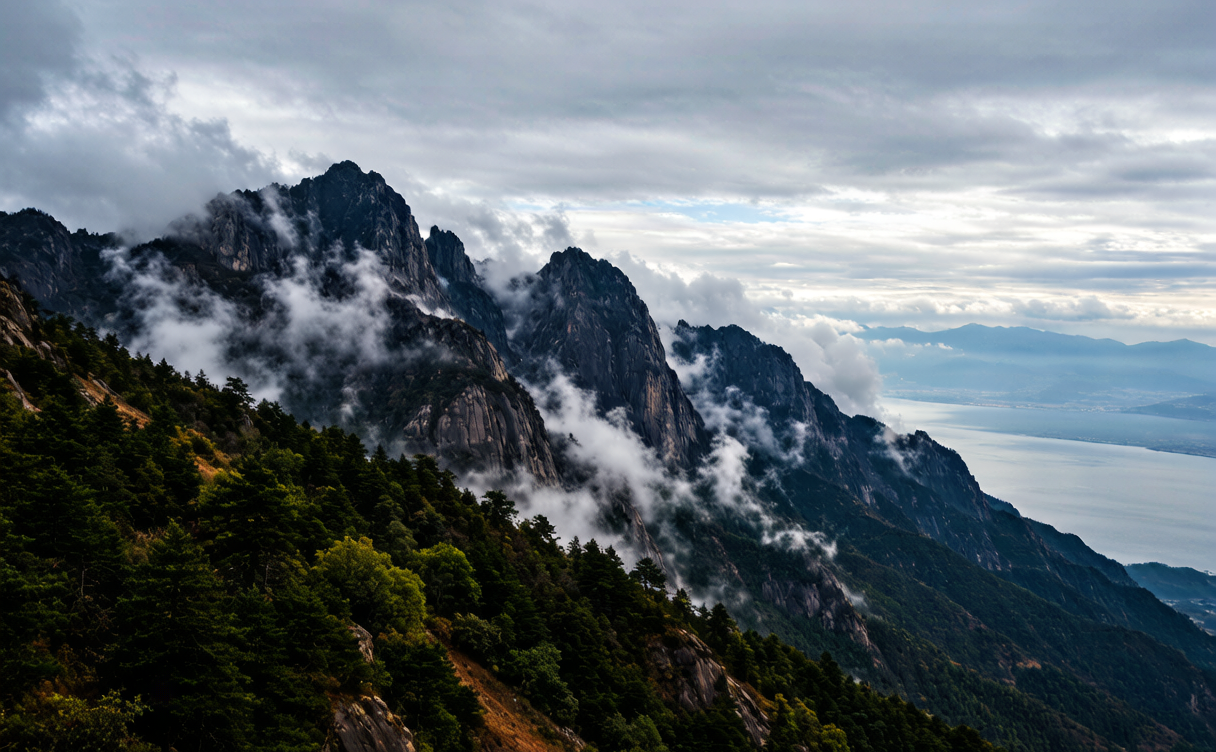
The list of things to do at Cangshan Mountain is longer than most visitors expect. Ride the Ximatan cable car to roughly 3,900 meters for the Cloud Walk plank path, a safe boardwalk clinging to the cliff with panoramas over the lake far below. Walk part of the ancient Tea Horse Road near Zhonghe Temple, where monks have kept a hillside garden for centuries. In July and August, the high meadows fill with blooming rhododendrons and gentians. Birdwatchers come for the Yunnan nuthatch and laughingthrushes along the stream valleys. For a soft adventure, follow one of the nineteen streamside trails downhill toward the lake — each “lu” between two peaks has its own waterfall. Photography lovers time the late afternoon when the low sun turns the marble faces gold, and the reflection on Erhai below doubles the drama. Pack a light picnic, because the shaded streamside clearings make a calm lunch stop away from the busy gondola tops, and bring layers since the temperature drops sharply once the wind picks up near the ridge.
Where to Stay Near Cangshan Mountain
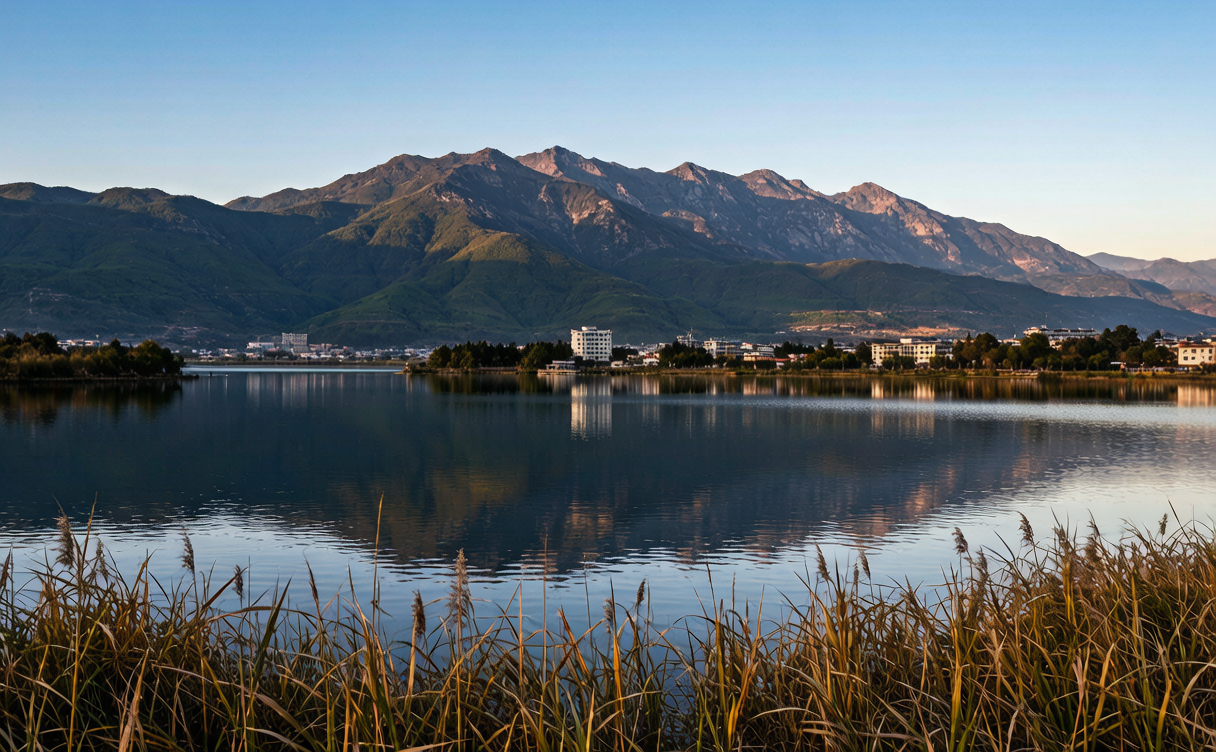
Most people stay in Dali Ancient Town or along the Erhai Lake shoreline rather than on the mountain itself, which keeps you close to restaurants and transport. The old town offers heritage courtyard inns with easy pre-dawn access to the cable cars. The lake’s western villages (like Caicun and Xizhou) put you beneath the ridge with mirror-still sunrise reflections. If you want a resort feel, a handful of lakeside hotels sit at the mountain’s foot with direct cable-car shuttle access. Read our Three Pagodas of Dali guide to stay near that landmark, which is also the Ximatan cable-car trailhead, saving you a long morning transfer and letting you reach the gondola before the tour groups.
Cangshan Mountain Entrance Fee & Travel Tips
The Cangshan Mountain entrance fee is bundled with the cable-car ticket rather than charged at a separate gate. Expect to pay roughly 90–150 RMB depending on which cable car you choose and whether you add the upper plank-path section; prices rise slightly in peak holiday weeks. Children under 1.2 meters usually ride free, and students with a valid international student card often get a discount. Useful Cangshan Mountain travel tips: bring a windproof layer even in summer because the summit wind is strong and cold; carry your passport, as scenic areas in China scan it at entry; start before 9 a.m. to beat both crowds and afternoon cloud; and download an offline map, since mobile coverage fades on the high ridges. Altitude is modest compared with Tibet, but the cable car tops out near 4,000 meters, so pace yourself if you arrive straight from sea level and drink plenty of water during the first day.
Sample Itinerary
A relaxed two-day Cangshan focus works well. Day 1: arrive in Dali, check in near the ancient town, and walk the Three Pagodas at golden hour. Day 2: take the Ximatan cable car up early, walk the Cloud Walk plank path, descend via a stream trail, then cycle the Erhai Lake causeway at sunset. Travelers with more time add a third day for the Gantong ridge hike and a village lunch in Xizhou. This rhythm lets you experience the best time to visit Cangshan Mountain conditions — clear mornings, soft light — without rushing the altitude. Pair the plan with our Dali Yunnan travel guide if you want to extend into a full Yunnan circuit with Lijiang and Kunming.
FAQ
Is Cangshan Mountain hard to climb?
Not if you use the cable cars. The plank paths are well maintained and flat; only independent hikers tackling the full ridge need fitness and gear.
Can I visit Cangshan and Erhai in one day?
Yes. A morning on the mountain and a sunset lakeside cycle is the classic combination described in our Dali Erhai Lake guide.
Do I need a permit?
No special permit is required for foreign tourists; just your passport for entry scanning.
For official background on the region’s geography and access, see China Highlights’ Dali travel page, a reliable planning reference for foreign visitors.
This Cangshan Mountain guide was last updated on 21 August 2026 by the chinatravelplaces.com editorial team.