

The first time I stepped out of the Lhasa, Tibet, China airport, the altitude hit me like a soft wall — a faint breathlessness, a brighter sky than I had ever seen, and the distant gold of the Potala Palace catching the late afternoon sun. That moment is why any best time to visit Tibet answer has to start with the body, not the calendar: Tibet, China sits above 3,600 meters, and the season you choose shapes not just the weather but how you feel on every step.
The clearest window is spring to early autumn. April to June brings mild days (15–22°C in Lhasa, Tibet, China) and thin crowds before the domestic July–August rush. September to October is my favorite: the air is dry and crystalline, the monasteries are calm, and the high passes open without snow. Winter (November–March) is brutally cold (-2 to 8°C by day, far below at night) but astonishingly clear and nearly empty — and many hotels drop rates by 40%. The Tibet weather by month reality is simple: go for comfort in May–June or September–October, go for solitude and savings in deep winter if you can handle the cold and the shorter daylight.
Festivals are the other reason to time your trip. Losar, the Tibetan New Year, usually falls in February or March and turns Lhasa, Tibet, China into a city of butter sculptures, family visits, and closed tourist sites for several days — magical but logistically tricky. Shoton Festival in August brings giant thangka unveilings at Drepung Monastery and outdoor opera; it is crowded but unforgettable. The Nagqu horse festival in August shows the plateau’s nomad heart. Any Tibet festival calendar shifts with the lunar calendar, so confirm dates with a local operator before you book flights, and build a buffer day in case a site closes for a ceremony.
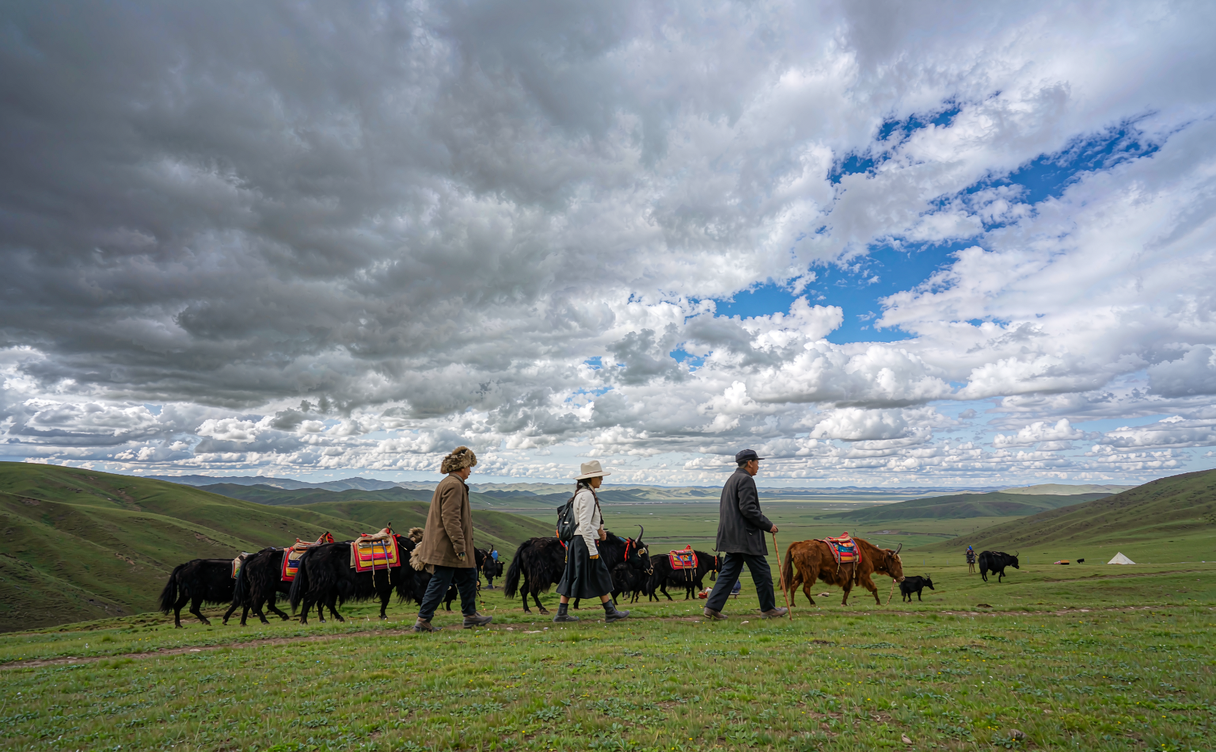
Permits are the part every first-timer underestimates. Foreign travelers need a Tibet Travel Permit, issued only through a registered Tibetan tour operator after you book a guided trip — you cannot travel independently in Tibet, China. Apply at least 20 days ahead; the permit fee is typically bundled into the tour (RMB 200–400 administrative cost alone). From there, certain areas like Mount Everest Base Camp and Nagqu need extra border permits, and the whole region is closed to foreign visitors for roughly two weeks around Losar each spring. For the wider seasonal context, our China weather-by-month guide sets the plateau’s climate against the rest of the country so you can stack regions into one trip.
Getting there is half the adventure. The Qinghai–Tibet railway from Xining to Lhasa takes about 21 hours and climbs past the permafrost and the Tanggula Pass above 5,000 meters — a slow, breathtaking ascent that helps with acclimatization if you take it easy on arrival. Flying into Lhasa, Tibet, China is faster (90 minutes from Chengdu) but drops you straight into altitude, so I recommend a rest day before sightseeing. For the rail booking and the passport steps, our foreigner high-speed train guide covers the mainland network that feeds the route, including how to collect tickets with your passport at the counter.
Acclimatization is the quiet key to a good season. However you arrive, spend two nights in Lhasa, Tibet, China before heading higher; hydrate, skip alcohol for the first 48 hours, and walk slowly. The jumps to Shigatse (3,800m) and Everest Base Camp (5,200m) are easier once Lhasa, Tibet, China has reset your lungs. When to go to Tibet also means when not to push too hard — I saw travelers race to the roof of the world on day one and spend day two in bed, which no season can fix. Carry a basic altitude kit and tell your guide if you get a pounding headache that waking does not ease.
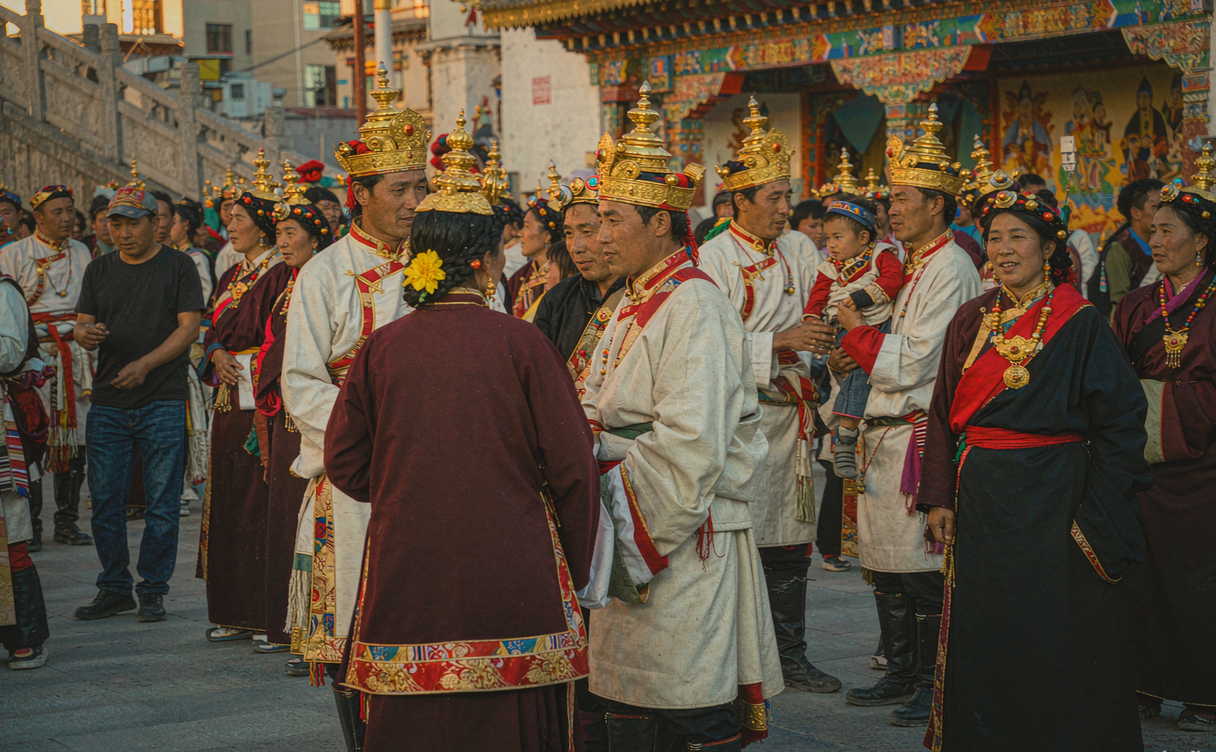
What you do with the good weather matters as much as the date. In Lhasa, Tibet, China, the Jokhang Temple and the Barkhor circuit are the spiritual center, best at dawn before the tour buses. The Potala Palace requires a timed ticket (RMB 200, booked the day before via your operator) and limits daily entries, so plan it early in your stay. For more ideas across the country, our best things to do in China overview pairs the plateau with lower, warmer regions you can descend into afterward. Around the high country, Namtso Lake and Yamdrok Lake are best in the snow-free months of May–October; in winter they freeze into mirrors but the access roads can ice over and some passes close.
What to pack for the plateau is half the battle. I bring a down jacket even in August, a wide-brim hat for the UV, and altitude ibuprofen as insurance. Layers beat a heavy coat because Lhasa, Tibet, China swings 15 degrees between noon and night. Lip balm and a small humidifier for the hotel room saved my sleep on both trips.
My first acclimatization day was humbling: I climbed the Potala’s 300 steps and had to sit halfway, heart pounding, while a grandmother in her 70s passed me humming. That is the plateau’s lesson — slow down or it slows you down. I spent that afternoon in a Barkhor teahouse drinking sweet milk tea and watching the circuit, which turned out to be the best introduction to the city. Plan one rest day for every 1,000 meters gained, and your Tibet, China trip becomes a pleasure instead of an ordeal.
Budget and logistics. A permit-inclusive guided circuit of Lhasa, Tibet, China and the Everest region runs roughly RMB 5,000–8,000 per person for eight days including a driver and a guide, while a Lhasa-only private day costs RMB 600–1,000. Bring RMB in cash for remote monasteries and the small teahouses, since card and phone payment thin out past the city. Dress in layers year-round: a Lhasa, Tibet, China noon can hit 20°C while a starred night drops near freezing even in August. Sunscreen and lip balm are non-negotiable at this altitude.
Do not skip the food on the plateau — it is its own education. Tsampa (roasted barley flour mixed with butter tea) is the staple I learned to eat by hand, yak-meat hotpot warms the coldest night (RMB 80–150 per person), and sweet milk tea from a Barkhor stall costs RMB 5 a cup. From Chengdu, the gateway I used, you can also ease in with a day at lower altitude before the train or flight up. The plateau rewards preparation: sort your permit, build in rest days, and the landscapes of Tibet, China will be the loudest silence you have ever felt.
One last note on timing: the plateau’s beauty is weather-dependent, so build flexibility into your permit window and let your operator reschedule a high pass crossing if snow closes the road. The mountains are not going anywhere, and a postponed view is always better than a dangerous one. Patience is the real permit you carry into Tibet, China — the landscape rewards it every single time.
For the heritage weight of the place, the UNESCO inscription of the Potala Palace at UNESCO explains why this plateau capital is protected so carefully. My honest advice after two visits: respect the altitude, respect the permits, and respect the quiet of a Lhasa, Tibet, China dawn. The roof of the world does not rush for anyone, and the best season is the one where you remember to breathe.