

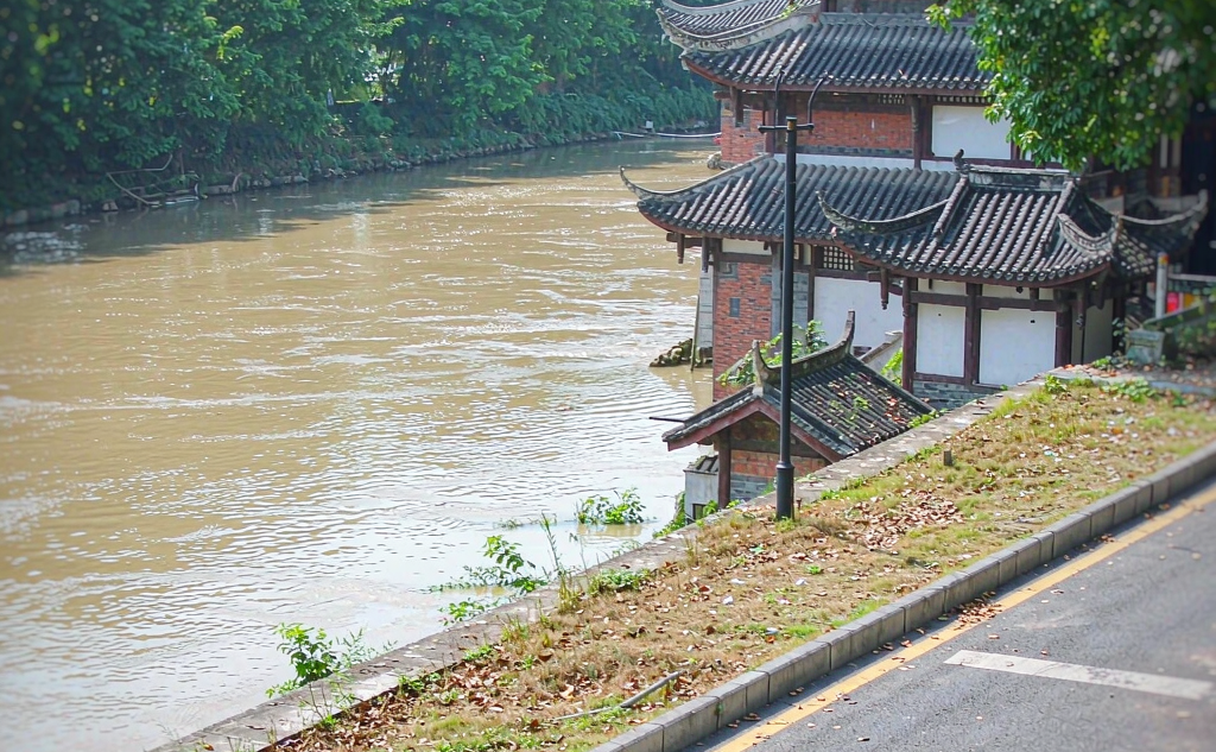
Most foreign travelers racing through Sichuan head straight for Chengdu’s pandas or the giant Buddha at Leshan. We always suggest one more stop, just two hours southeast: Guangan, Sichuan, China. On our last scouting trip we based ourselves here for two nights and were surprised by how little-known it is abroad, given that it is the birthplace of Deng Xiaoping, the architect of modern China’s opening-up. The city sits where the Qujiang and Huaing rivers meet, a green, relaxed river town that pairs revolutionary heritage with genuine Sichuan small-city life.
This Guangan travel guide covers the sights, the seasons, the transport, the food, and a practical itinerary. It is written for travelers who want more than the headline cities — who like understanding the people and history behind the places they visit. If your route already touches Chengdu, this is an easy, rewarding half-day or overnight add-on.
Why Visit Guangan
Guangan’s main draw is heritage, but its everyday appeal is the river-town atmosphere. The city is cleaner and calmer than Chengdu, with riverside promenades, teahouse culture, and none of the tourist-pressure you feel at the big sights. We’ve sent history-minded travelers here who wanted context for modern China, and food-loving travelers who just wanted a quieter Sichuan base.
The single must-see is the Deng Xiaoping Former Residence and Memorial Park in Xiexing town, about 40 minutes from the city center. It is a large, well-kept complex of gardens, a restored farmhouse, and a museum documenting his life and reforms. Even if politics is not your interest, the landscaping alone — lotus ponds, pine groves, and quiet paths — makes for a peaceful morning.
The Deng Xiaoping Hometown
The memorial park is the anchor of any Guangan visit. The restored birthplace house shows the mud-brick rooms of a rural Sichuan childhood, while the adjacent museum lays out the reform era with photos, documents, and personal items. Allow two to three hours. Admission to the park and museum is free, which is rare for a site of this scale in China and a pleasant surprise for budget travelers.
General background on the city is available on Wikipedia’s Guangan page. For broader seasonal planning across the province, our best time to visit China guide maps out Sichuan’s climate month by month.
Things to Do in Guangan
Beyond the memorial park, Guangan has several low-key sights that fill an easy day.
- Baopingzhai Scenic Area: a riverside hill park with temples, caves, and city views, popular with local walkers.
- Shenlong Mountain (Shenlong Shan): forested slopes and a cable car, good for a half-day escape from the heat.
- Qujiang riverside promenade: evening strolls, square dancing, and street snacks along the water.
- Huaying Mountain (Huaying Shan): a longer trip northwest of the city, with karst peaks and the former guerrilla base areas.
- Teahouses: the default local pastime — sit, order a bowl of tea for RMB 10–20, and watch the world go by.
For travelers continuing west, our Chengdu Dujiangyan panda base guide explains how to add giant pandas and the ancient irrigation system to the same loop.
Best Time to Visit Guangan
The best time to visit Guangan is spring (March to May) and autumn (September to November). Sichuan’s basin climate makes summers hot and humid, often above 33°C with sticky air, while winters are cool but rarely freezing, with lows around 5°C. Spring brings blossoms along the rivers, and autumn gives clear, dry days ideal for walking the memorial park and the hills.
We steer clients away from the peak summer holidays (July–August) and the National Day week in early October, when domestic crowds swell. A late-March or mid-October visit tends to have the best light and the fewest people.
How to Get to Guangan
Guangan is well connected by high-speed rail, which is the easiest way in. Trains from Chengdu East run roughly every hour and take about 1 hour 40 minutes to 2 hours, with second-class seats around RMB 75–95. From Chongqing, the trip is similar, about 1 hour 20 minutes, costing RMB 60–80. There is also a conventional rail station and long-distance bus links to nearby towns.
From Chengdu Tianfu or Shuangliu International Airport, the cleanest route is a high-speed train from Chengdu East to Guangan South. Taxis and DiDi cover the short hop from the station to the city center or the memorial park. Foreign visitors should check our China high-speed train guide for foreigners before booking, because real-name ticketing requires your passport and the app workflow differs from home.
Guangan Food Guide
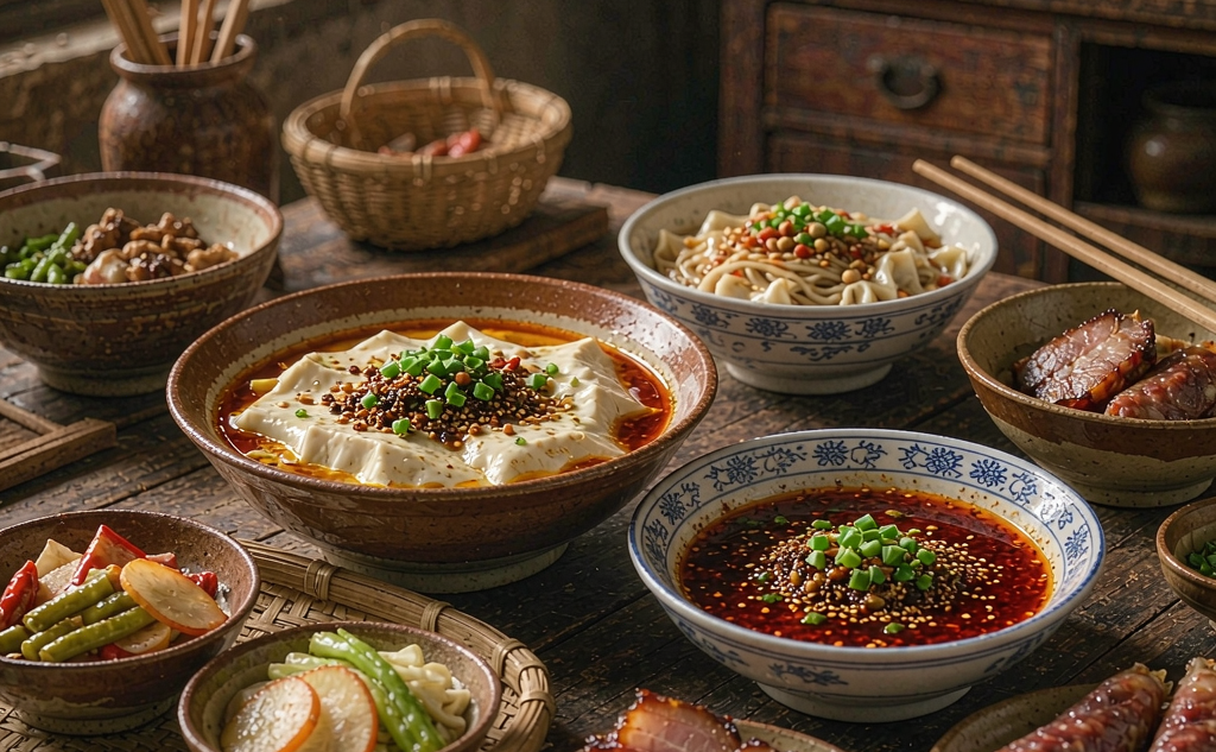
Guangan eating is classic eastern-Sichuan fare — aromatic, moderately spicy, and heavy on preserved vegetables and river fish. Local dishes worth chasing:
- Guangan rice noodles (mifen): a breakfast staple, soupy or dry, from RMB 8 at a stall.
- Steamed pork with rice flour (fenzheng rou): a soft, fragrant classic found in every local restaurant for RMB 30–45.
- Spicy river fish hotpot: the Qujiang supplies fresh catches, cooked with douban chili paste.
- Preserved vegetable stir-fries: the region’s ya cai adds a salty crunch to noodles and tofu.
- Street skewers: concentrated along the riverside after dark, RMB 2–5 per stick.
Meals are cheap: a filling local lunch runs RMB 25–50, and a proper dinner for two with beer lands around RMB 120–180. If you want to compare with the provincial capital’s scene, our Chengdu Leshan giant Buddha guide pairs food tips with the famous hillside statue a few hours west.
A Sample Guangan Itinerary
A realistic Guangan itinerary is one to two days. Day one: arrive from Chengdu mid-morning, visit the Deng Xiaoping Former Residence and Memorial Park (allow 3 hours), then walk the riverside and eat street food at night. Day two: choose Baopingzhai or Shenlong Mountain for a half-day, have a teahouse lunch, and train back. Travelers with more time use Guangan as a base to explore Huaying Mountain or push on to Chongqing.
We’ve found the one-night version works best — it gives the memorial park a calm morning and leaves the afternoon for the river town without rushing.
Practical Tips
- Carry your passport; it is required for train tickets and hotel check-in.
- The memorial park is free but can close certain halls on Mondays — check ahead.
- Download DiDi and a translation app, as English signage is limited.
- Avoid the national holiday weeks if you dislike crowds.
Beyond the Heritage
Guangan’s fame rests on one name, but the city rewards travelers who look past the memorial. The riverside life — old men playing cards in teahouses, women practicing tai chi at dawn, vendors stacking chili by the jin — is the real Guangan. On our scouting trip a teahouse owner insisted we try his home-pressed tea, refused payment, and spent an hour explaining the river’s floods and fortunes. That kind of unplanned warmth is why we keep sending people off the main track.
Final Thoughts
Guangan will not top a first-time China list, but as a calm, meaningful stop between Chengdu and Chongqing it earns its place. You leave understanding a little more about modern China’s making, and you eat very well doing it.
Guangan proves that the best travel sometimes hides in the quieter towns — and this river town in Sichuan, China is one of them.