

Norbulingka Summer Palace in Lhasa, Tibet, China was for two centuries the seasonal retreat of the Dalai Lamas, a walled estate of gardens, pavilions, and leafy avenues on the western edge of the city. Where the Potala is vertical and forbidding, Norbulingka is horizontal and green, and on my visits it was the place where Lhasa, Tibet, China felt most like a lived-in city rather than a monument. This guide comes from two trips—one in high summer when the grounds were lush, one in early autumn when the poplars turned—with 2026 ticket facts, the best months, and the practical points foreign travelers need.
What Norbulingka is
The name means “Treasure Park,” and the estate grew from a single small pavilion in the 1750s into a cluster of palaces, reception halls, and ornamental gardens across roughly 36 hectares. The most visited buildings are the Takten Migyur Potrang (the XIVth Dalai Lama’s palace) and the older Kesang Potrang, both modest in scale compared with the Potala but rich in windows, murals, and carved wood. I found the pleasure here was less in any single room and more in the whole composition: shade, water, and the sound of wind in the poplars. Pair it with the Potala Palace in Lhasa guide for the full contrast of the two residences.
Norbulingka tickets
Let me be specific about Norbulingka tickets. As of 2026 the standard entry runs about ¥60–¥70 for adults, with reduced rates for students and free or near-free entry for children under the set height; the on-site museums and the main palace halls are included. Tickets are sold at the gate and through the official Lhasa attraction channels in peak season. I arrived around 9:30 on a June morning and walked in without a queue, but August afternoons can draw coach groups, so an early start is smarter. Keep your passport ready, since foreign entry is logged against the Tibet Travel Permit system used across Lhasa, Tibet, China.
How to get to Norbulingka
Understanding how to get to Norbulingka is straightforward once you are in the city. The estate lies southwest of the old town, roughly 20–30 minutes by bus or taxi from the Barkhor, depending on traffic. A Didi from central Lhasa costs about ¥15–¥30, and several city buses stop near the east gate. I combined it with a late-morning visit to the Jokhang Temple in Lhasa guide area and a short taxi hop, which made for an easy half-day. The grounds are flat and gentle for walking, a relief if you are still adjusting to the altitude of Lhasa, Tibet, China.
Norbulingka gardens
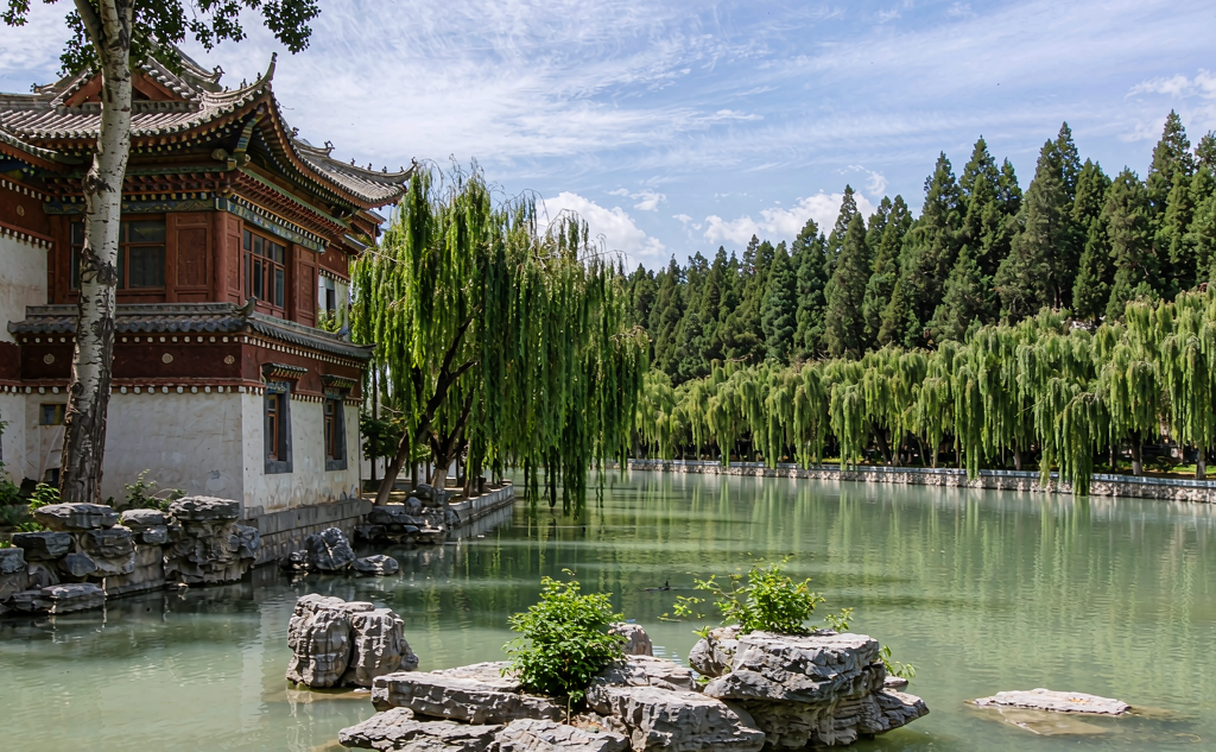
The Norbulingka gardens are the real draw and the reason I rate a slow visit over a rushed one. Carpeted lawns, willow and poplar groves, lotus ponds, and rose beds surround the palaces, and in summer the whole estate is a local picnic ground—families spread cloths under the trees and the atmosphere is relaxed rather than reverent. I spent an hour simply circling the central lake, watching reflections of the pavilion roofs wobble on the water. Bring a book or a thermos; this is the one Lhasa site where doing little is the right move. The China temple stay guide has good notes on garden etiquette if you want to extend the calm.
Best time to visit Norbulingka
The best time to visit Norbulingka is June through September, when the gardens are at their green peak and the lotus is in flower; July and August are lush but also the rainy season, with brief afternoon showers that rarely spoil a visit. April–May and October are cool and quiet, with the poplars turning gold in early autumn—my favorite light. Winter (December–February) is cold and some outbuildings close, though the bones of the garden are still lovely on a clear day. I would avoid the densest national-holiday weeks, when the calm that defines Norbulingka gives way to crowds across Lhasa, Tibet, China.
Things to do in Lhasa
Beyond the palace grounds, the broader list of things to do in Lhasa centers on its sacred core. The Jokhang Temple in Lhasa guide describes the spiritual heart of the old town, while the Drepung Monastery in Tibet guide covers the great western hills monastery. A Norbulingka morning, a Potala afternoon, and an evening walk of the Barkhor make a balanced day that is lighter on the legs than a monastery marathon. I also liked renting a bicycle along the Lhasa River greenway on a free afternoon—flat, safe, and quietly scenic.
A Lhasa itinerary
Here is a Lhasa itinerary that slots Norbulingka in naturally. Day 1: arrive and rest for altitude. Day 2: Potala Palace in the morning, Norbulingka in the afternoon for gardens and light. Day 3: Jokhang Temple and Barkhor, then Drepung Monastery. If you have a fourth day, the Lhasa, Tibet travel guide suggests a countryside excursion, or you could plan the Songzanlin Monastery near Shangri-La guide for a later Yunnan leg. Spacing sights across days keeps the altitude manageable and the trip enjoyable.
Permits, altitude, and respect
Foreign visitors to Lhasa, Tibet, China need a Tibet Travel Permit arranged by a registered tour operator before arrival; it is checked when you enter the region and again at major sites. Norbulingka sits at about 3,650 meters, lower and flatter than the Potala, which makes it a good first outing while you acclimatize. I used my first full day here precisely because the gentle walking eased me in. Dress for strong highland sun, carry water, and keep voices low near the palace halls. For a neutral historical read, the Norbulingka page on Wikipedia is a solid primer before you go.
The gardens through the seasons
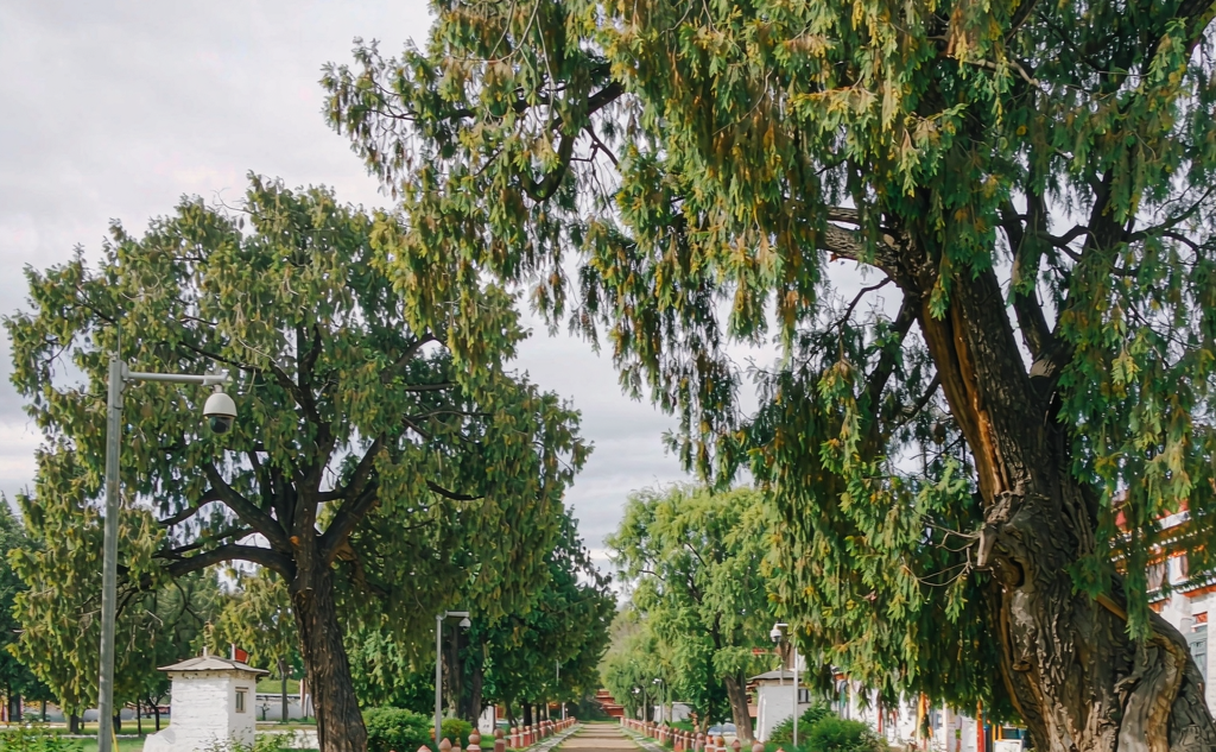
I visited once in June, when the lawns were a deep green and the lotus had just opened, and once in early October, when the poplars along the central avenue turned the color of honey. Both visits convinced me that Norbulingka rewards repetition: the same path reads completely differently with the light. Spring brings fresh willow fronds, summer the fullest canopies and the most local picnickers, and autumn the calmest, most photographic mornings. Winter, though cold, strips the leaves and leaves the architecture bare and graphic—a different kind of beauty for the hardy. If you can choose, I would book the October trip for the color and the thinner crowds across Lhasa, Tibet, China.
Photography and quiet hours
The estate is wonderfully photogenic from its open avenues and lakeside pavilions, and I found the early hours, just after opening, the most peaceful for wide shots of the palace roofs. Keep your distance from any closed worship space and avoid flash inside the halls. The China temple stay guide carries etiquette notes that suit Norbulingka as well. A quiet bench by the water, a thermos of tea, and an unhurried hour are, for me, the correct way to see this summer palace.
Practical comforts
There is a small on-site café and stalls selling drinks and snacks near the gates; I liked a shady bench with a bottle of yak-milk yogurt after the walk. Mobile payment dominates, but carry a little cash for small vendors. If you want a monastic contrast to the garden calm, the Drepung Monastery in Tibet guide is the natural next stop, and the China temple stay guide helps you go deeper on etiquette and quiet-hours visiting.