

Hengdian World Studios is the largest film and television production base in the world, and unless you already love Chinese period dramas you may not realize that a huge share of the palaces, battlefields, and streets you have seen on screen were built in a cluster of studios outside the town of Hengdian, in Dongyang, Jinhua, Zhejiang Province. I have visited four times across different seasons, once as a film-curious tourist and later with friends who just wanted the spectacle. This Hengdian World Studios guide is the honest version of what I wish I had read first: where the money actually goes, when the sets are at their best, and how to avoid spending a fortune on a confusing ticket.
What Hengdian actually is
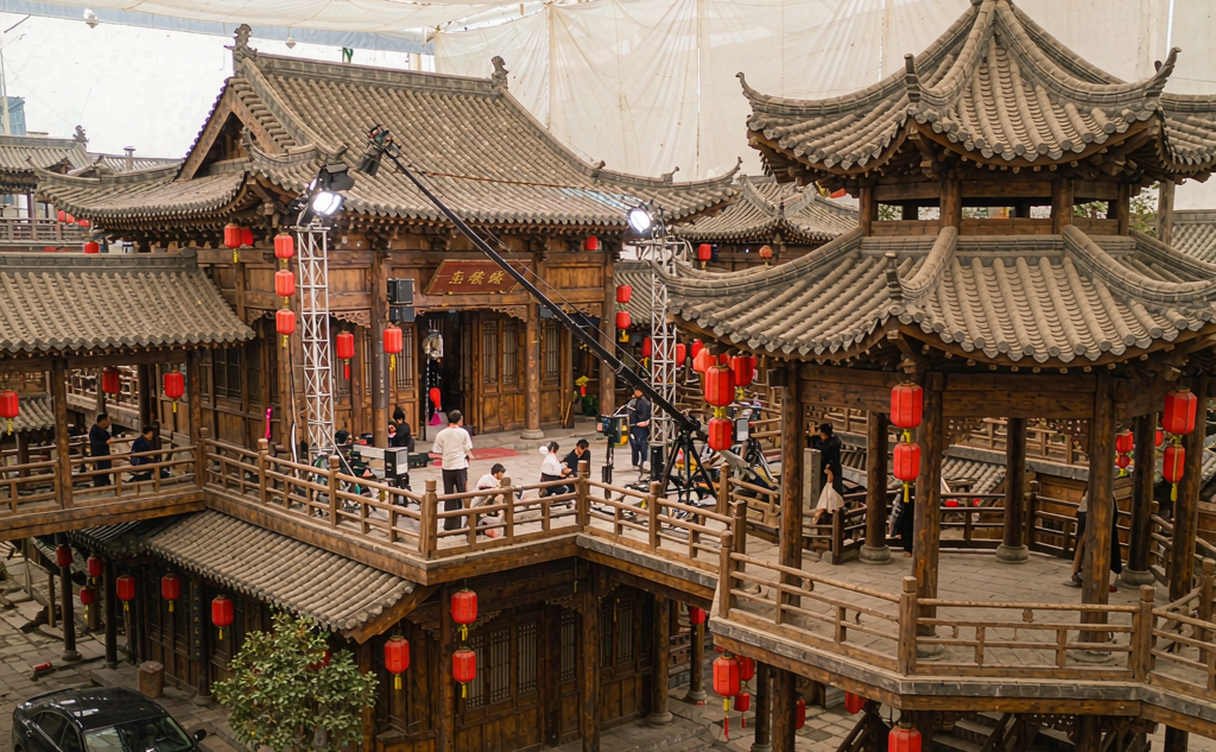
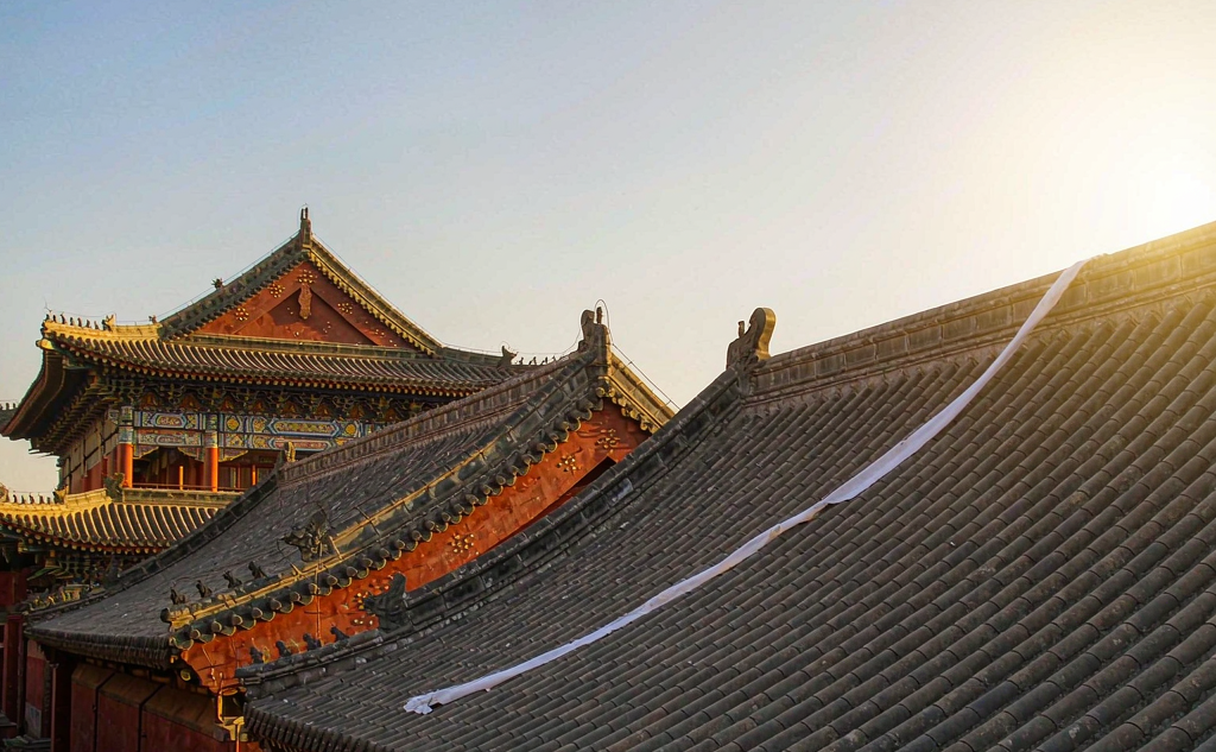
Unlike a single theme park, Hengdian is a sprawl of separately themed studio zones spread across roughly 30 square kilometers. The headline sets are the Palace of Ming and Qing Dynasties (明清宫苑), a 1:1 replica of Beijing’s Forbidden City outer layout; the Qin Palace (秦宫), all black tile and monumental gates; Guangzhou Street and Hong Kong Street, a colonial-port backlot; and Dream Valley (梦幻谷), the nighttime amusement and water zone. When people ask me “is it a real city?” I say no—it is a working studio that also sells day tickets, so you may spot a film crew blocking a street or an actor in costume waiting for a take. That blend is the charm.
Hengdian World Studios tickets
Let me be concrete about Hengdian World Studios tickets because the pricing confuses almost everyone. There is no single gate fee; you buy per-zone or a bundled pass. As of 2026, a standard combo covering the Palace of Ming and Qing, Qin Palace, and Guangzhou/Hong Kong Street runs about ¥320–¥380 for an adult day pass, while adding Dream Valley pushes a two-day bundle to roughly ¥480–¥560. Children under 1.2 m are free, and students with valid ID get roughly 30–50% off select zones. I recommend buying on the official Hengdian app or Trip.com rather than from touts at the bus drop-off, who quoted me ¥520 for the same combo I later bought for ¥360. Passes are dated and non-refundable, so pick a clear-weather day.
How to get to Hengdian
Figuring out how to get to Hengdian is half the planning. The nearest high-speed stations are Yiwu (义乌站) and Jinhua, both on major lines; from Yiwu it is a 40–60 minute bus or taxi (¥60–¥100 by Didi) to the studio entrance. Direct tourist shuttles also run from Hangzhou East bus station (about 2.5 hours, ¥55–¥75). If you are coming from Shanghai, take a G-train to Yiwu (roughly 2 hours, ¥110–¥160) and transfer. I once tried to day-trip from Hangzhou by public bus and found the last return left at 17:30, which cut my visit short—so if you want Dream Valley’s night show, plan to stay overnight in Hengdian town, where budget hotels run ¥180–¥350 and themed resorts near the gates run ¥500–¥900.
Things to do at Hengdian
The real joy of things to do at Hengdian is the scale of the built world. At the Ming-Qing Palace, wander the courtyards and catch the scheduled live shows—mock imperial audiences and martial-arts demonstrations that run roughly every hour. The Qin Palace’s enormous hall is worth the climb for the echo alone. Guangzhou and Hong Kong Streets are best in late afternoon when the low light flatters the facades, and you can rent a period costume (¥80–¥200 depending on robe quality) for photos that genuinely look like stills. Dream Valley is the after-dark zone: a light parade, a water stunt show, and rides that suit families. I spent a full day and still skipped two zones, so do not expect to “do it all” in one pass.
Hengdian film studio tours
For cinema buffs, the Hengdian film studio tours are the draw. Guided backlot tours (¥60–¥120 add-on, bookable at the visitor center) explain how a single street doubles as Tang, Republican, and modern settings with repainting and props. I joined one where the guide pointed out bullet marks, rain rigs, and the cable rigs used for wire-fu, which reframed the whole place from “fake” to “functional craft.” Availability is limited and tours run in Chinese with occasional English summaries; if your Mandarin is weak, download the official app’s text guide beforehand. Keep expectations realistic: you rarely see a star, but you will see how the magic is manufactured.
Best time to visit Hengdian
The best time to visit Hengdian is spring (April–May) and autumn (September–October), when the outdoor walking between zones is comfortable and the light is forgiving for photos. Summer is busy and hot, with midday crowds bottlenecking at the Palace gates; winter is quiet and cheap but some outdoor shows are trimmed. I avoid the first week of May (Labor Day) and the October National Day week entirely—lines for the shuttle carts inside the park can exceed 40 minutes. A regular weekday in April gave me near-empty courtyards and was, frankly, the best version of the place.
A workable Hengdian itinerary
Here is the Hengdian itinerary I suggest. Day 1: arrive midday, check in, and spend the evening at Dream Valley for the night show. Day 2: full day across the Ming-Qing Palace and Qin Palace with the backlot tour, plus costume photos on Guangzhou Street. If you have Day 3, loop back to any zone you missed or use the morning to explore nearby water towns. Two zones per day is the sustainable pace; trying three in peak heat will burn you out by 15:00.
Where Hengdian sits in a Zhejiang route
Hengdian pairs naturally with Hangzhou and the water towns because they are all within a few hours. If you are building a first China trip from Shanghai for first-time visitors, a two-night Hengdian detour breaks up the city pace and gives you a story to tell. For context and scale, the Hengdian World Studios page on Wikipedia is a useful, neutral primer before you go.
Nearby water towns as a counterpoint
After the constructed grandeur, I like to slow down in a real old town. The Xitang water town, the Wuzhen water town near Hangzhou, and the Nanxun water town guide all sit within reach and make a gentle contrast to the studio’s spectacle. And if you want a proper city base first, the Hangzhou travel guide covers the trains and hotels that link everything together.
Food and accessibility on set
Inside the park, expect theme-zone snacks—noodles, skewers, and sweet drinks—at ¥25–¥50 an item, while the town outside the gates has cheaper noodle houses at ¥15–¥25. Most zones are step-free at ground level, though the Palace’s upper terraces have stairs; wheelchair users can reach the main courtyards and shows. I found the staff helpful when I asked about step-free routes, and the visitor center loans strollers and wheelchairs free of charge with a deposit.
Practical notes and booking
Buy tickets online, arrive before 9:00 for the first shows, and wear comfortable shoes—Hengdian is deceptively large and the shuttle carts are not included in base passes. Carry water; inside-park drinks are marked up. I always keep one zone flexible in case of rain, since the covered shows still run. For a fuller picture of the region, open the Hangzhou travel guide alongside this one.