

Why Luya Mountain Is Our Shanxi Mountain Pick
Most travelers treat Shanxi as a province of temples and old walls, then skip the mountains. That is a mistake, and Luya Mountain (芦芽山) in Ningwu County, Xinzhou, is the place we send people who want cool air, real forest, and a landscape that has nothing to do with tour buses. This Luya Mountain guide comes from trips we have run out of Taiyuan: the drive in, the ice cave that stays frozen in July, and the cliff village that still scares first-timers.
The name means “reed sprout,” from the way the 2,738-meter main peak splits into a shape like a bamboo shoot. Around it sits one of North China’s last stretches of primeval conifer forest, the source of the Fen River (Shanxi’s mother river), and a chain of alpine meadow and lake basins. In our experience it is the most refreshing stop between Beijing and the Loess Plateau.
How to Visit Luya Mountain: Getting There
There is no high-speed rail to the mountain itself. The practical base is Dongzhai Town (东寨镇) at the foot of the scenic area, about 200 km from Taiyuan and 160 km from Datong. We usually charter a car from Taiyuan Wusu Airport: ¥600–900 for a sedan, ¥900–1,300 for a van, about 3 to 3.5 hours on good expressway plus the final county road. Trains run to Xinzhou West or Ningwu Station, but from either you still need a 1.5–2 hour transfer, so a direct car is simpler for a family.
If you are already in the capital, our best hotels in Beijing make a useful launch point, and the drive west to Shanxi is a natural extension of a northern China trip.
Things to Do at Luya Mountain
The scenic area is spread out, so “things to do at Luya Mountain” really means a list of separate sites, each with its own gate. We group them into a two-day loop.
- Wannian Ice Cave (万年冰洞) — a vertical ice cave that stays below freezing all year, with ice curtains and columns lit in color. It is the headline oddity and the one we never cut. Ticket is around ¥120, and the walk in is short but cold, so bring a jacket even in August.
- Hanging Village (悬空村) — a cluster of timber houses built into a cliff face, reached by a steep path and a short cable section. Atmospheric and a little vertigo-inducing; allow 90 minutes.
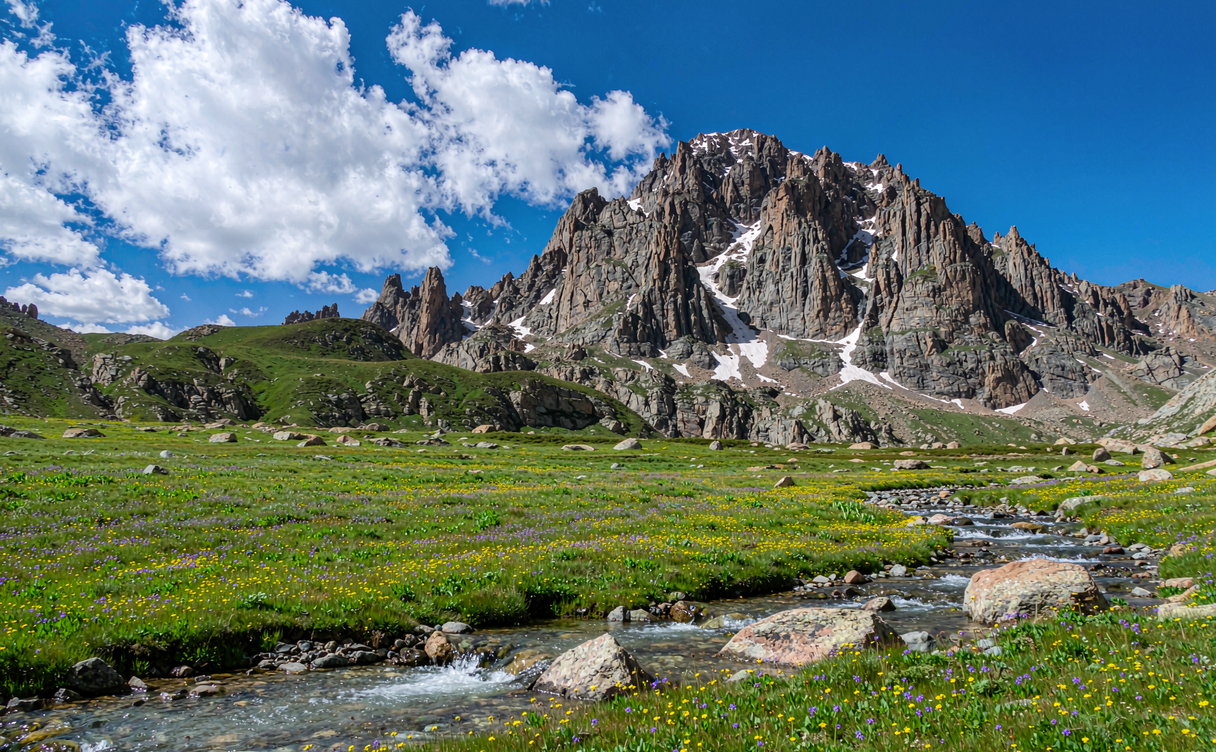
- Malun Grassland (马仑草原) — a high alpine meadow above 2,000 meters with herds and wide views. Best in July and August when it is green and dotted with wildflowers.
- Fen River Source (汾河源头) — a spring and small temple marking where Shanxi’s great river begins. Quick stop, good for photos.
- Luya Main Peak — the serious Luya Mountain hiking option: a steep final scramble with chains near the top. Only for fit travelers; the upper section is exposed.
We tell clients to pick three of these, not all five, or the day becomes a bus marathon.
Luya Mountain Hiking and the Forest Trails
For people who actually want to walk, the Malun Grassland loop is the safe, scenic choice: 5–7 km of rolling boardwalk and meadow path, 2–3 hours, gentle grades. The climb to the Luya main peak is the hard one — about 4 km one way from the grassland parking, gaining 700 meters, with a chained rock section at the top that we do not send anyone with a fear of heights up without a guide.
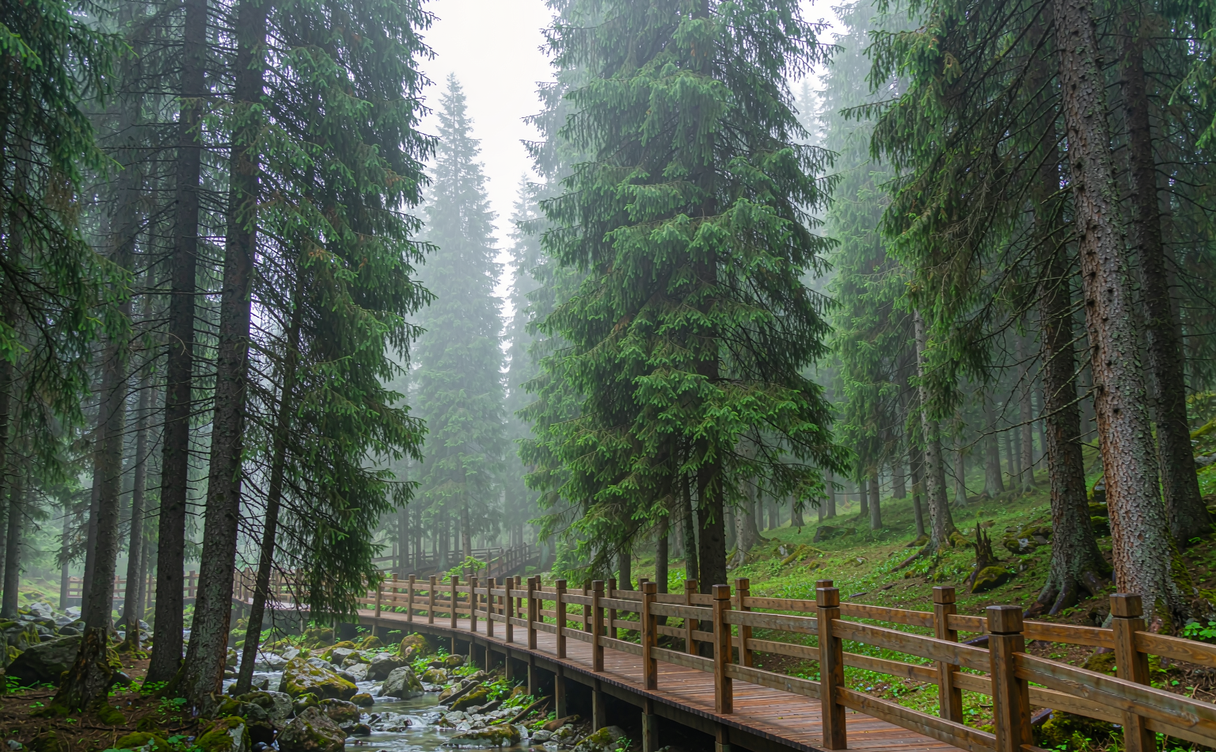
The primeval forest between the sites is the quiet star. Old spruce and larch, moss underfoot, and almost no litter because the sites are far apart. We have had travelers spot pheasants and, rarely, the protected brown-eared pheasant (Luya is one of its last homes). If you want a greener, wetter contrast after Shanxi, our Guilin travel guide covers karst rivers a day’s flight south.
Luya Mountain Tickets and What It Costs
The area sells a combined pass and separate tickets. Current 2026 rates we cite to clients:
- Main scenic pass (covers grassland, Fen source, forest roads): ¥80–100.
- Wannian Ice Cave: ¥120 standalone.
- Hanging Village: ¥60.
- Shuttle buses between sites: ¥50–70 for a multi-stop day pass; the sites are 10–25 km apart, so the bus is not optional.
- Peak main climb via cable assist where available: ¥60–90 one way.
Budget ¥300–450 per person for a full two-day sweep including shuttles. Cash and a Chinese payment app both work at the gates; the online system is unreliable for foreign cards.
Best Time to Visit Luya Mountain
The best time to visit Luya Mountain is July to August for cool escape weather (the top stays in the low 20s while Taiyuan bakes), and late September to mid-October for red-and-gold larch. We avoid early spring (April) when the meadow is muddy and the ice cave access road can still be icy, and we warn clients that November to April many sites run reduced hours or close for snow. If you are comparing mountain seasons across China, our Dalian travel guide shows a very different coastal climate just east.
Where to Sleep and What to Book
Dongzhai Town has the only real lodging. A clean guesthouse runs ¥150–300 per night for a double; a few newer mountain resorts with heating and better beds run ¥400–700. We book the resort in spring and autumn because the nights drop near freezing and the basic guesthouses cut heat early. Meals are hearty northern fare — potatoes, lamb, hand-pulled noodles — and a filling dinner for two is ¥70–130.
Everything here is bookable now except the ice cave, which sells same-day tickets at the gate. We lock the car and the Dongzhai hotel first, then decide the site order by weather two days out. For travelers continuing southwest, the Chengdu food guide is the natural next stop for Sichuan heat after Shanxi’s plain cooking.
Sample 2-Day Luya Mountain Itinerary
Day 1: Drive from Taiyuan after breakfast (3 h), check in at a Dongzhai lodge, then spend the afternoon at the Wannian Ice Cave and the Fen River Source. Dinner in town.
Day 2: Up early for the Malun Grassland walk (2–3 h), lunch, then the Hanging Village in the afternoon before the drive back. If clients are fit, we swap the grassland for the Luya main peak climb and cut the village.
Packing and Safety on the Ridges
Luya is a real mountain with changeable weather, so we brief every group: layers including a warm mid-layer even in July, a rain shell, sturdy shoes, and a headlamp if you aim for a dawn grassland walk. The ice cave is cold year-round, so a light jacket goes in the daypack regardless of season. Stay on the marked site paths and the shuttle roads; the undeveloped forest between sites is off-limits and has no signal. Licensed guides at the gates are ¥150–200 for a half day if you want the main peak, and we book one for any group attempting the chained upper section.
You can read the geology and protection status of the region on the Luya Mountain (Wikipedia) page, which explains why this forest is buffered as a national geopark.