

The shortest answer to “do you tip in China?” is no — and meaning it is the kindest thing you can do for your hosts. Unlike the United States, where tipping props up low wages, China built its service economy on fixed prices and salaries, so a tip can read as confusing, even slightly insulting, rather than generous. In our experience, travelers who understand this early enjoy smoother interactions and avoid the awkward moment of pushing money at someone who does not want it. This China tipping culture guide lays out exactly where the rule bends.
The Default Rule: Don’t Tip
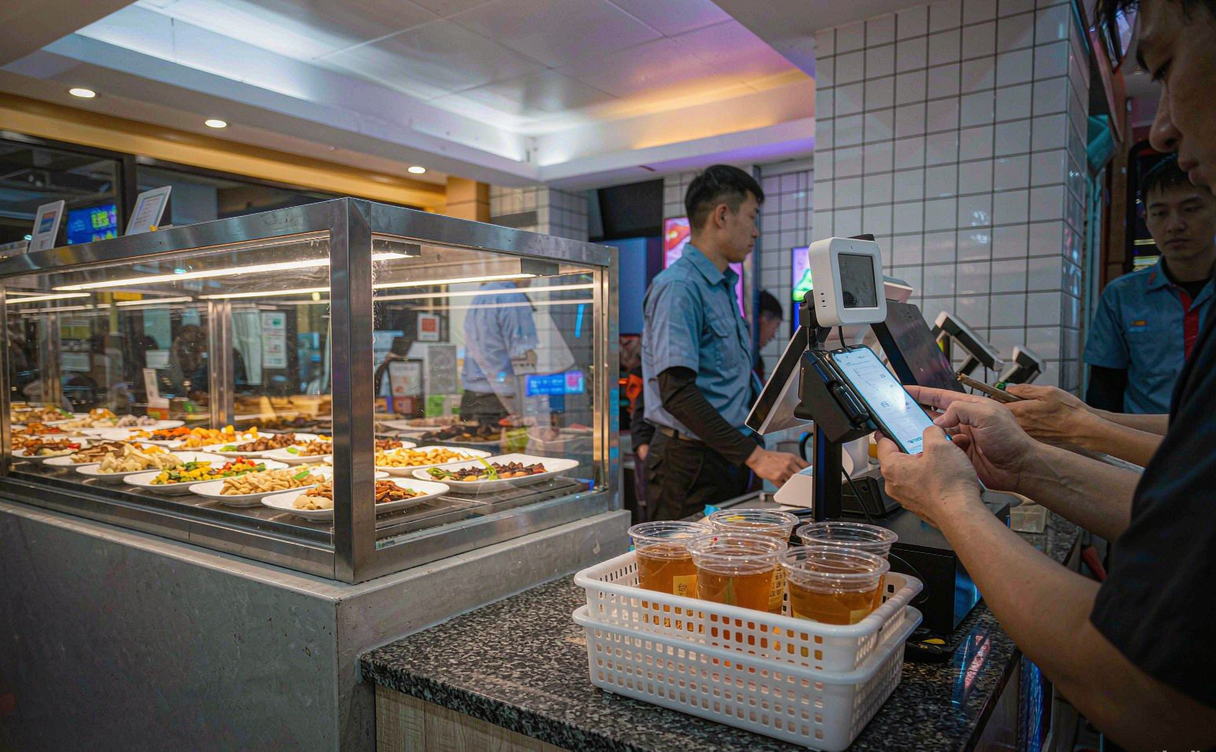
Across mainland China, tipping is not expected in restaurants, taxis, bars, salons, or hotels. Staff are paid wages, and the price on the menu or the meter is the price you pay. When you leave a few notes on the table, a server may actually chase you down to return them, worried you forgot your change. We’ve watched this happen more than once, and it is harmless but tells you everything about the norm.
The reason matters for China tipping etiquette: the gesture that signals gratitude in one culture signals “you are not paid enough, so I’ll top you up” in another, which can feel patronizing. A sincere thank-you and a good review carry more weight here. If you want to recognize great service, saying it to the manager or leaving a positive note on a feedback card lands better than cash.
Where the Rule Softens
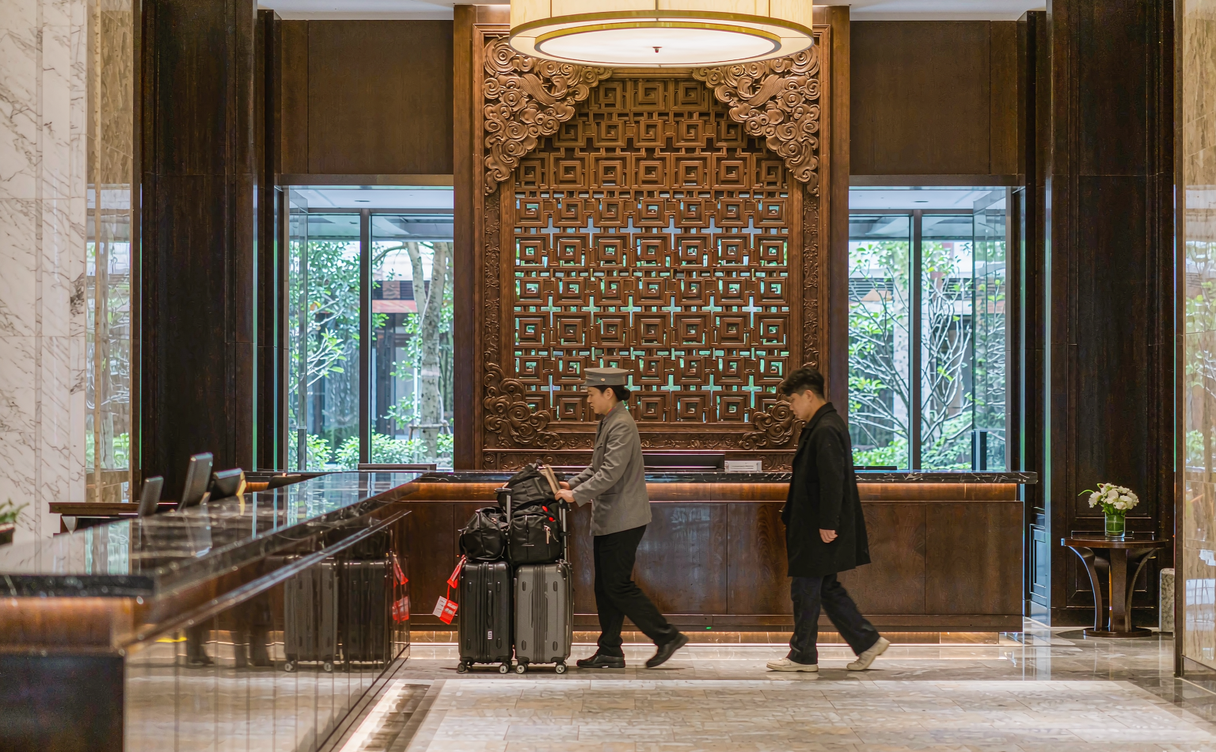
There are a handful of exceptions, and they almost all involve foreigners paying foreign prices. On guided tours with a dedicated local guide and driver, a tip of RMB 50 to 100 per day for the guide and RMB 30 to 50 for the driver is becoming common practice, especially on private or small-group tours. This is not required, but it is appreciated and expected by operators who serve international clients. Bell staff at international-chain hotels in Beijing or Shanghai may accept a RMB 10 to 20 note for hauling bags, though again it is optional.
High-end hotels sometimes add a service charge that travelers should check: a 10 to 15 percent line on the bill is not a tip, and you should not add more on top. Check the printed total; if “service charge” is already there, you are done. We tell travelers to photograph the bill if unsure, because tourists occasionally get pressured to tip on top of a charge that already covers it.
Restaurants and Taxis
Restaurant tipping in China simply does not exist at the local level. At a hotpot joint, a noodle shop, or a hotel coffee bar, pay the exact amount and leave. Rounding up to the nearest yuan is fine and even friendly, but handing over a 20 percent bonus will confuse the staff. Taxis work the same way: the meter is the price, and drivers do not expect extra. If a driver helps with heavy luggage, a “keep the change” of a yuan or two is a nice touch, not an obligation.
One modern wrinkle: payment is mostly mobile. Alipay and WeChat Pay dominate, and many places are cash-light, so even if you wanted to tip in coins, you may not have them. Our planning resources cover setting up mobile pay, which matters more for daily life than any tipping question.
Tour Guides and Drivers
This is the one area where we do advise a discretionary tip. A private guide who spends eight hours with you, handles logistics, and translates a tough situation has earned recognition, and RMB 80 to 120 per day is a fair range. For a multi-day driver-guide team, RMB 100 to 150 total per day split between them is reasonable. Hand it in an envelope or quietly at the end, with a few words of thanks — that matches local tipping in China custom better than a public flourish.
We’ve found that the best guides are genuinely pleased by a handwritten note or a follow-up message more than the cash, because it helps their reputation with the agency. If you felt the service was poor, skipping the tip is perfectly acceptable; the structure here is appreciation, not duty.
Coffee Shops and Modern Venues
The new café culture is where confusion creeps in. At a third-wave coffee shop in China, you may see a tip jar on the counter. It is optional, and locals mostly ignore it. A few coins or rounding up is a small kindness if you liked the drink, but no one is keeping score. The same goes for craft-beer bars and cocktail lounges in big cities — a tip is welcome but never assumed, and the menu price already includes the service.
If you are unsure anywhere, watch what locals do. In China the crowd almost never tips, and following that cue keeps you comfortable and correct. The tipping habit is culturally specific, and understanding why China sits outside it is more useful than any rule of thumb.
Common Mistakes
The biggest error is tipping too much out of habit from home, which can embarrass a server who must refuse in front of colleagues. The second is assuming a “service charge” line is a prompt to add more. The third is tipping in state-run venues like museums or train stations, where it can look like a bribe and should be avoided entirely. When in doubt, don’t, and say thank you instead.
We’ve also seen travelers try to tip a street-food vendor, who will almost always wave it off — they are proud of a fair, fixed price. Respecting that pride is part of good China tipping etiquette, and it builds better moments than a handful of yuan ever could. A useful habit is to carry a few small bills anyway, not for tips but for the rare instance a guide or bellhop clearly expects a gratuity, so you are never fumbling for change at an awkward moment.
Bottom Line
Plan to tip almost nowhere, keep small cash only for tour guides and baggage help, and let mobile payment handle the rest. The freedom from tipping math is one of the quietly pleasant parts of traveling in China, and once you relax into it, the interactions get easier. Save your generosity for a warm thank-you, a good review, and the occasional guided-tour gratuity.
A related habit worth dropping: the urge to negotiate every price down as a tip substitute. Haggling at a market is normal and expected, but it is not the same as tipping, and overdoing it with a small vendor reads as rude rather than savvy. Pay the asked price at fixed-price shops, and save your bargaining energy for the flea market, where the back-and-forth is part of the culture rather than a gratuity in disguise.