

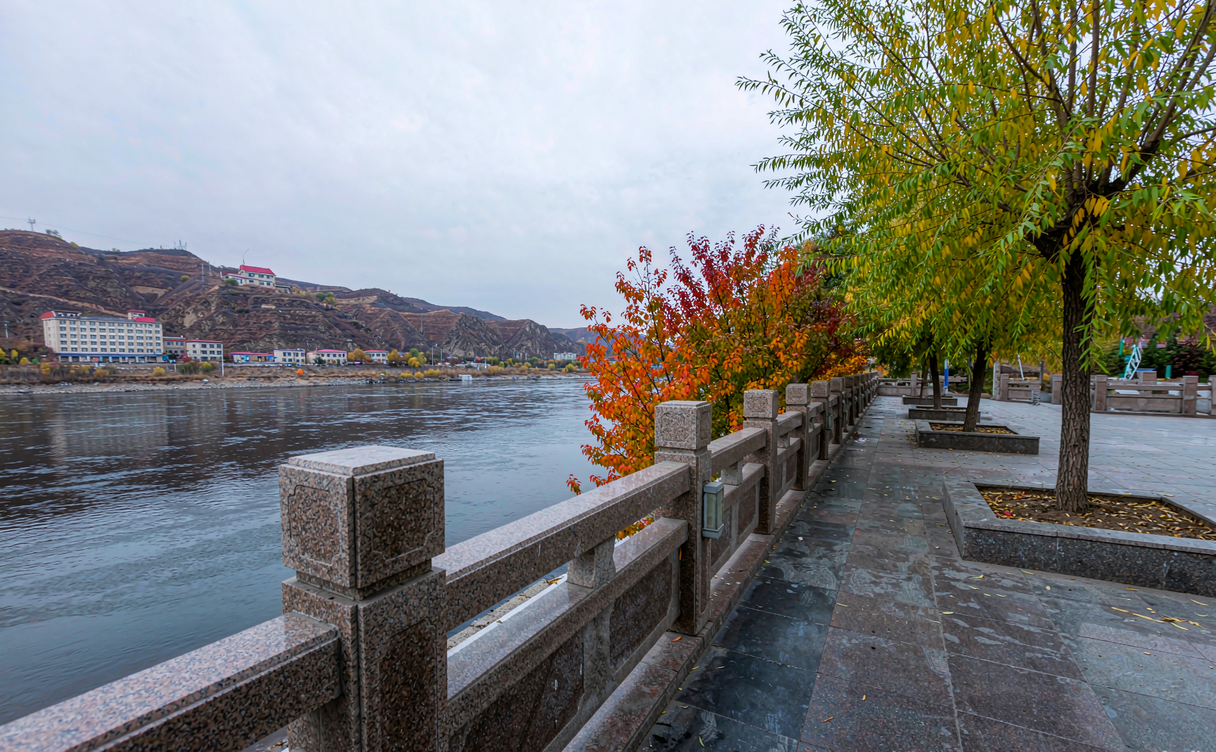
Tumen sits at the far eastern edge of Jilin Province, where the Tumen River draws a thin line between China and the Democratic People’s Republic of Korea. We have sent travelers here for years, and the appeal is precise rather than sweeping: you stand on a riverside promenade, and roughly 30 meters across the water a North Korean border post and a row of pale apartment blocks look straight back at you. It is one of the few places on earth where an international frontier feels like a private show, and it costs nothing to watch. For anyone building a northeast China itinerary, this small city is a strange and memorable punctuation mark rather than a headline stop.
Why Tumen earns a place on your map
The town itself is modest — a grid of low buildings, Korean-language shop signs, and the slow brown river that defines everything. In our experience, visitors arrive expecting a Cold War set piece and leave surprised by how ordinary and friendly daily life feels. The Korean ethnic flavor runs deep here: this is the heart of Yanbian, and you will hear Korean spoken as often as Mandarin, eat cold noodles for breakfast, and find kimchi on every table. That cultural texture, more than any single sight, is what makes a Tumen travel guide worth reading before you go.
What also sets Tumen apart is scale. Unlike the busier crossing at Hunchun to the east, Tumen has kept a small-town hush. The river here is narrow enough that you can read the numbers on the far-side fences, and the whole border promenade can be walked end to end in twenty minutes. That intimacy is the draw. You are not observing from a bus window; you are standing at the water’s edge with laundry flapping on both banks.
Things to do in Tumen
The headline activity is simply the border. The Tumen Border Port and the adjacent railway bridge are the natural focal points. Walk the riverside path east of the port and you reach the famous “One Step Across” viewing area — a rocky outcrop where, on a clear day, you can photograph both countries in a single frame. Bring a zoom lens; the guards on the far side tend to notice long lenses, and while photography from the Chinese side is permitted, do not point cameras directly at military installations.
Beyond the river, the Tumen River Scenic Area offers a tidy loop of walking paths, a small observatory tower, and seasonal flower beds that are best in late summer. We recommend arriving an hour before sunset, when the light turns the water gold and the North Korean hills go purple. For a quieter morning, the local Tumen Museum (free entry, closed Mondays) gives a compact history of the border region, the Korean community, and the railway that once linked Japan, Korea, and Manchuria. Allow forty minutes; the English signage is partial but the old photographs are eloquent.
Food is its own attraction. Yanbian Korean cuisine is the highlight: try the bibim-guksu (spicy mixed cold noodles, around ¥18 a bowl), grilled mackerel, and the potato-starch jelly called ttaengttang. A full Korean barbecue dinner for two runs ¥120–¥180 at the better-known spots near the central square. Morning markets open around 6 a.m. and are the best place to watch the town wake up, with steaming baskets of rice cakes and old men trading tobacco by the river gate.
How to get to Tumen
Most travelers route through Yanji, the prefectural capital about 55 km west. Yanji Chaoyangchuan Airport has direct flights from Beijing, Shanghai, and Seoul; from the airport, a taxi or shared van to Tumen takes 50–70 minutes and costs roughly ¥120–¥150. By rail, the Changchun–Tumen line runs several trains a day. A second-class high-speed seat from Changchun to Tumen North Station is about ¥115 and takes just over two hours; a slower conventional train from Yanji is ¥12–¥25 and under an hour. Local buses between Yanji and Tumen leave every 20–30 minutes and cost ¥15.
If you are arriving from further afield, fly into Beijing first and then connect. Our Beijing hotel guide covers convenient bases near the main rail stations, which saves a stressful transfer when you are catching an early morning train north. For travelers who want to fold Tumen into a wider sweep of the northeast, our Dalian travel guide explains how to pair a coastal city with the inland border towns for contrast.
Best time to visit Tumen
The best time to visit Tumen is late June through early October. Summer brings warm, humid days (highs around 26–30°C) and lush green hills across the river. September and early October are our favorite window: the heat breaks, the skies clear, and the riverside maples turn red. Winter is brutally cold — January lows routinely hit −20°C — and while the frozen river has its own stark beauty, many border-viewing walks are uncomfortable and some small attractions close. Spring (April–May) can be windy and dusty as the frost leaves the ground, so we steer travelers toward autumn if they have a choice.
Tumen travel tips from the field
A few practical notes we always pass on. Carry your passport even if you have no plan to cross; the border zone is periodically subject to document checks, and hotels will need it for registration. The international crossing at Tumen is open to organized tour groups with the correct visas, but independent crossing is not something to attempt on a whim — confirm current rules before you build plans around it. Cash is useful at small riverside stalls; the town’s ATMs accept UnionPay and most international cards, but the exchange booth for Korean won has limited hours.
Dress in layers regardless of season, because the river breeze is stronger than the town-center weather suggests. Download an offline map before you arrive, as the signal near the border can drop. And give yourself at least one full day plus an overnight — Tumen is not a half-day stop, and the slow evening light is the whole point. A riverside guesthouse room runs ¥120–¥220 a night; the handful of mid-range hotels near the square charge ¥260–¥360 and include breakfast.
Where Tumen fits in a China trip
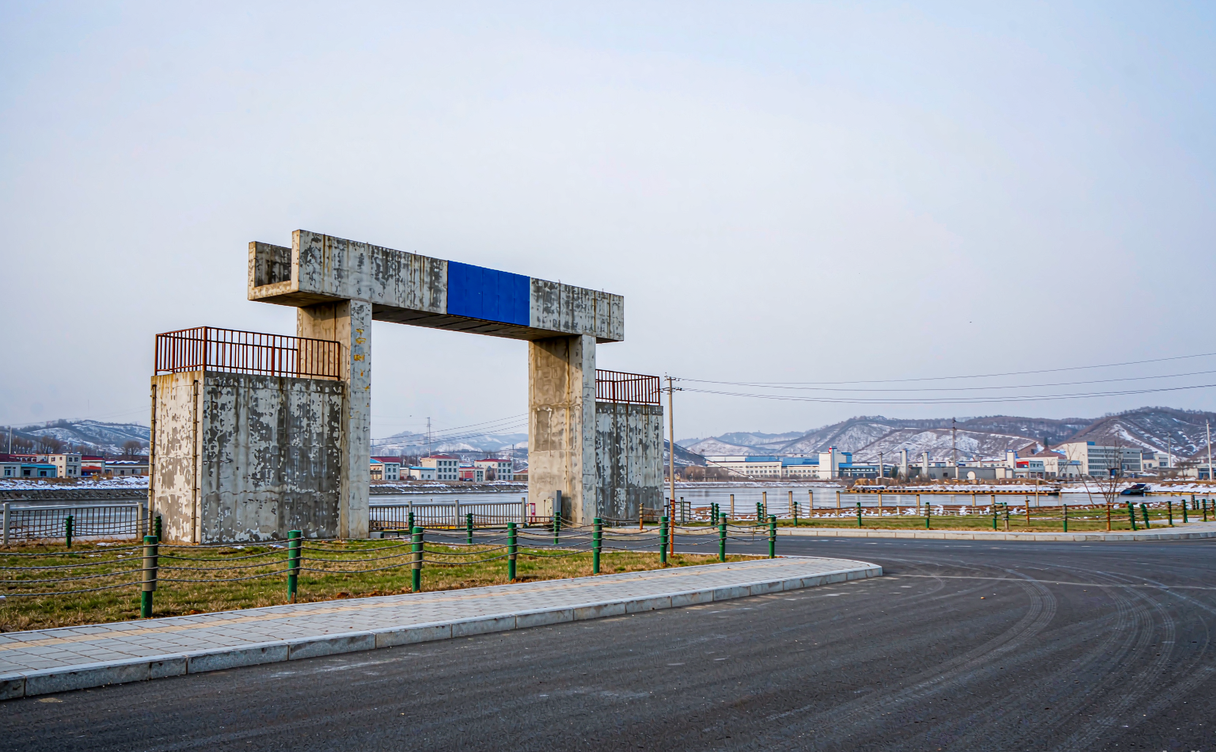
Tumen is a specialist stop rather than a headline destination, and we usually recommend it as a side trip from Yanji or part of a longer Jilin–Heilongjiang route. If your broader plan leans toward China’s classic sights, our Great Wall of China guide helps you balance iconic history with offbeat frontier towns like this one. Travelers who prefer southern landscapes after the northeast chill will find karst hills and rice terraces a world away from these snow-laced border posts.
For background on the waterway that gives the town its name, the Tumen River is documented in detail on Wikipedia, including its role as a historical boundary and the ecology of the surrounding basin.
A note on food and the coast
Yanbian’s inland cooking is hearty and fermented, quite different from the seafood traditions further south. A coastal city like Qingdao, on the Shandong shore, maps out a very different but equally rewarding eating culture a flight away — worth bookmarking for the final leg home.