

If you scroll to the far northwest corner of Sichuan, past the better-known towns of Kangding and Daofu, you’ll hit Shiqu Sichuan — a county so remote that Chinese travel writers nicknamed it the “last secret land.” In our experience, Shiqu rewards the few travelers who reach it with something the popular parts of the province can no longer offer: untouched high-plateau grassland, stone monuments the size of small cities, and a silence broken only by wind and prayer flags. This Shiqu travel guide is for patient, well-prepared travelers — not for anyone hoping for hot showers and a wine bar.
Where Shiqu sits, and why it’s hard
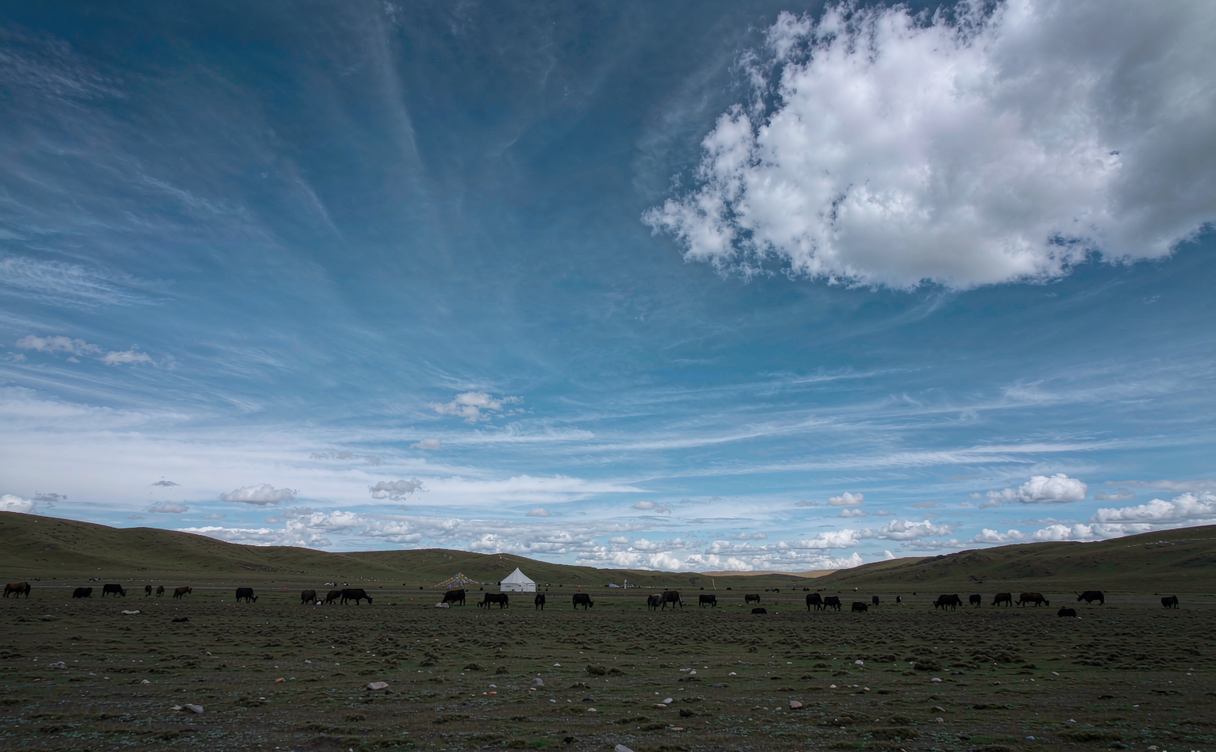
Shiqu County (石渠县) is part of Garzê prefecture in northwestern Sichuan, up against the Qinghai border at an average elevation of around 4,200 meters. It is the largest county in Sichuan by area and one of the most sparsely populated. The land is mostly rolling grassland, cut by shallow rivers and dotted with nomad camps. There is no railway and no airport inside the county, which is the first thing to understand about planning a visit.
How to get to Shiqu
The realistic answer to how to get to Shiqu is to fly close, then drive. The two practical gateways are Yushu (in neighboring Qinghai) and Ganzi town in Sichuan. Yushu Batang Airport has flights from Chengdu and Xining; from there it’s a paved but high ride of about 2.5–3 hours north into Shiqu. Alternatively, fly to Kangding and accept a very long overland drive (10–12 hours) via the G317, or join the classic Chengdu–Garzê overland route over two days with an overnight in Ganzi. Inside the county, roads between sights are mostly paved but rough in places, and a 4WD with a local driver is the safe choice. Chartering a vehicle in Yushu or Ganzi runs roughly ¥600–¥900 per day including the driver, and we strongly recommend hiring someone who speaks both Mandarin and the local dialect.
Best time to visit Shiqu
For a best time to visit Shiqu verdict, summer is the only comfortable window — roughly mid-June through early September. Days reach a pleasant 12–20°C, the grassland turns emerald, and the nomads are out with their herds. This is also when the famous yak-butter sculpture festival and horse races sometimes fall. From October the temperature drops fast; by November roads can ice over, and December through March brings -15 to -30°C with biting wind and many guesthouses closed. We do not recommend a first trip in deep winter unless you are an experienced cold-weather traveler with proper gear.
Things to do in Shiqu
The single most astonishing sight is things to do in Shiqu built around its mani stone monuments. The Bage Mani Wall (巴格玛尼墙) is reputed to be the longest mani wall on earth — about 1.6 km of stacked, carved prayer stones, some inscribed, some bearing small Buddha images, growing taller as pilgrims add to it. Walking its length while locals murmur prayers is a genuinely moving experience and costs nothing.
Nearby, the Songge Mani Stone City (松格玛尼石经城) is even stranger: a walled “city” of mani stones standing alone on the grassland, said to have grown from a single pile over centuries, with narrow lanes you can walk through. Photographers love it at golden hour when the stones glow.
The Sêrxü Monastery (色须寺) is the county’s spiritual center, a working Gelugpa monastery where you can watch monks debate and circumambulate. Entry is free but a small donation is appreciated. Around the monastery and across the wetlands, keep an eye out for black-necked cranes — Shiqu’s marshes are one of their last breeding grounds, and we’ve counted dozens in a single morning in July.
People, faith, and a note on photography
The county is known locally as Zhaxika (扎溪卡), a name you’ll see on trucks and teahouses, and the people here live a largely pastoral life centered on yaks, sheep, and the rhythms of the Buddhist calendar. Visitors are welcomed but should remember this is living religious ground, not a museum. Ask before photographing monks, elders, or private shrines; a smile and a raised palm translate everywhere. Drones are best left packed near monasteries, where flight bans are common and culturally sensitive. We’ve found that buying a small offering or sharing a thermos of butter tea with a herder opens more doors than any camera ever will.
The light on the plateau is extraordinary and ruthless — harsh at noon, golden and long at dusk — so shoot the mani walls in the last hour before sunset when the carved stones catch the low sun. Mornings on the wetland are calm and misty, ideal for the cranes. Whatever you frame, tread lightly: the grassland recovers slowly and the stone monuments are actively added to by pilgrims, so never climb or rearrange them for a photo.
A realistic Shiqu itinerary
A workable Shiqu itinerary needs at least three full days on the ground, plus travel days. Day 1: arrive in Yushu, drive to Shiqu county town, acclimatize, light walk. Day 2: morning at Sêrxü Monastery, afternoon to the Bage Mani Wall at sunset. Day 3: drive out to Songge Mani Stone City and the surrounding grassland, returning via a nomad camp for butter tea. If you have a fourth day, push north to the remote lakes and crane marshes. Because distances are long and fuel stops rare, always start the day with a full tank and bottled water.
Altitude, health, and packing
Shiqu is serious altitude. At 4,200 m most newcomers feel breathless on the first day, and headaches are common. We advise spending a night at 3,000–3,500 m (Yushu or Ganzi) before climbing higher, moving slowly, and skipping alcohol for the first 48 hours. Pack a down jacket even in summer, strong sunscreen, lip balm, and prescription altitude medication if your doctor allows it. Our separate China first-timer guide has a fuller section on high-plateau travel that pairs well with a Shiqu plan.
Food and where to stay
Don’t expect fine dining. Meals in Shiqu are either local plateau fare — yak butter tea, tsampa (roasted barley flour), mutton stew, and dense wheat bread — or simple Sichuan stir-fries brought in by Han cooks. A bowl of noodles is ¥12–¥18; a yak-meat hotpot for a group runs ¥120–¥180. For a wider sense of the region’s flavors, our Sichuan cuisine guide and the Sichuan snacks guide explain the dishes you’ll meet on the road in and around Garzê.
Lodging is basic: the county town has a handful of guesthouses and one or two smarter hotels where a clean double runs ¥180–¥320. Outside town, options shrink to nomad homestays or nothing, so plan to sleep in the county seat and drive out each day. Book ahead in July and August, when domestic pilgrims swell the rooms.
Pairing Shiqu with nearby Sichuan sights
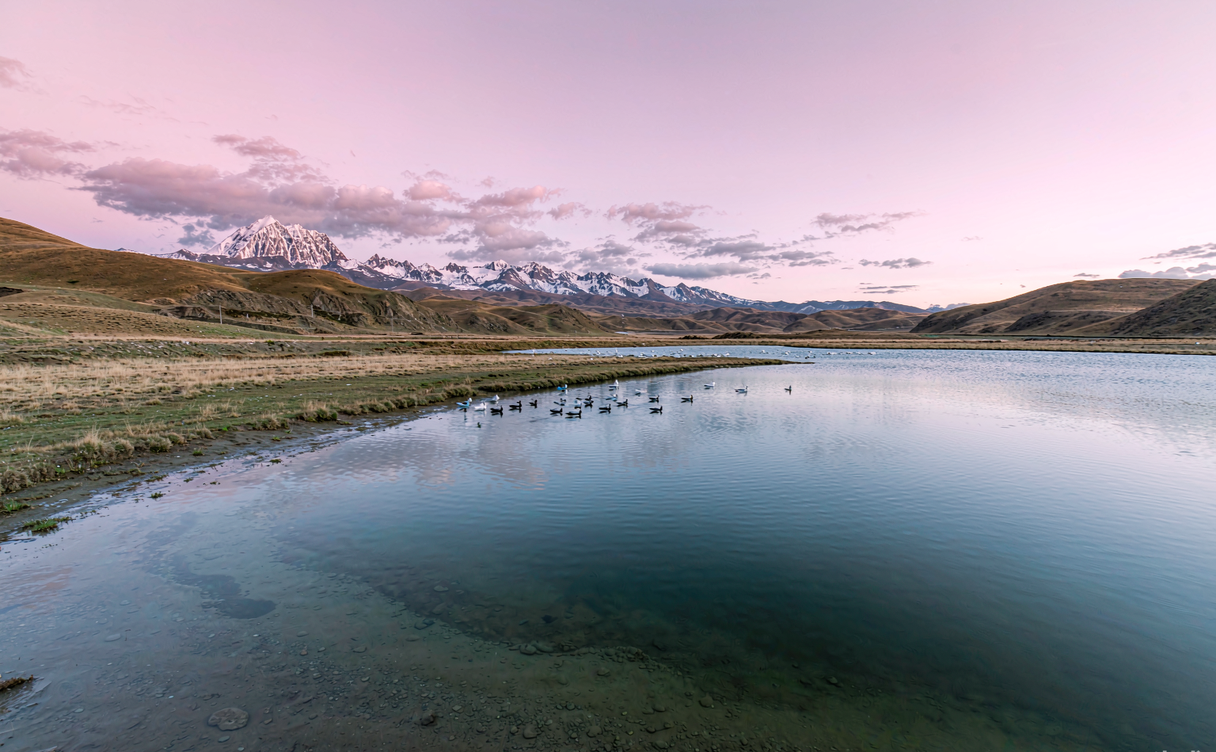
Because reaching Shiqu is an effort, most travelers combine it with other Garzê highlights. Niubei Mountain is the classic spot for a sea of clouds over snow peaks, a colorful contrast to the monochrome plateau.
Background on the county’s geography and administration is available from Wikipedia’s Shiqu County page, a useful read before you commit to the long drive.