

Our China 6 day itinerary is the sweet spot we recommend to most first-timers: enough time to see two headline cities without the marathon pace of a two-week sprint. On our last trip with a family of four from Melbourne, we ran exactly this route — Beijing’s imperial core plus Xi’an’s warriors and walls — and they left convinced six days was the right call. This China 6 day itinerary strings the two together with a high-speed train, and covers what it costs in RMB, the best seasons, and what you can book today.
The logic of six days is simple: spend three in Beijing, take the morning train to Xi’an, and spend three there, with one buffer half-day for delays or a lazy brunch. Unlike a three-day trip, you finally have time to leave the capital and see the China that built the Silk Road. For the groundwork — visas, SIM, payments — our China travel guide for first-timers is the place to start before you book flights.
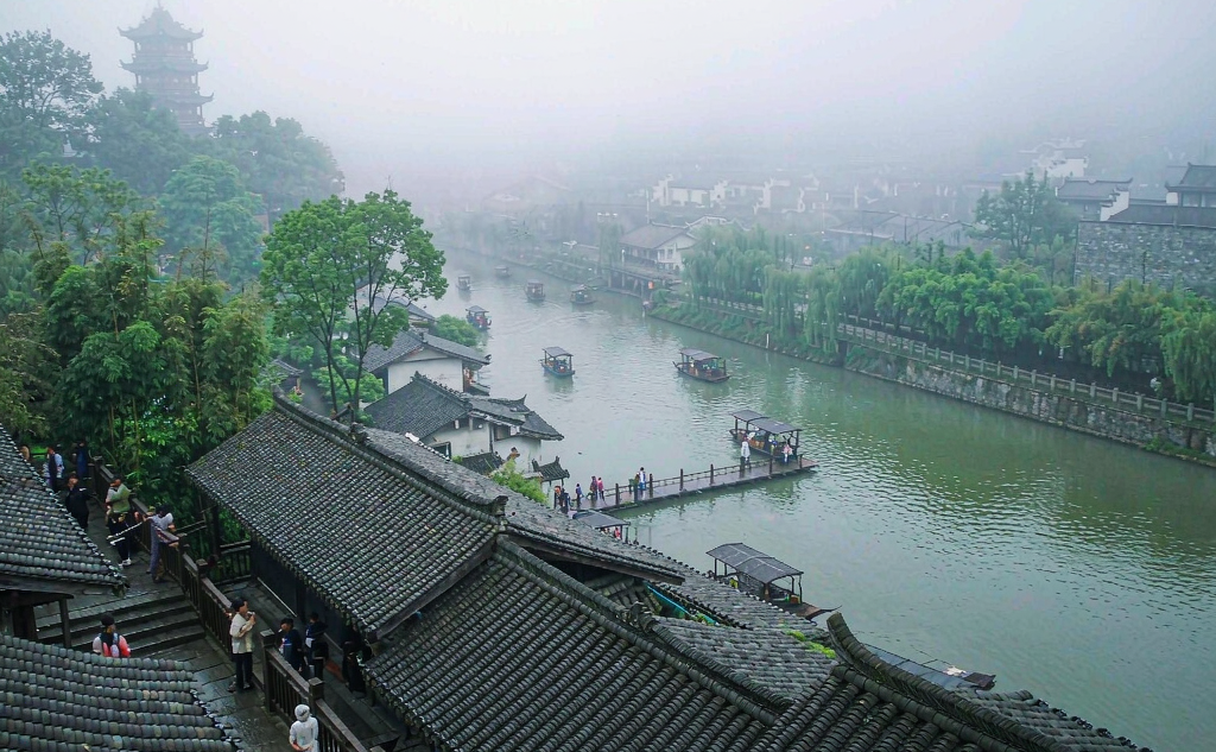
Days one to three are Beijing, but paced looser than a rushed visit. Day one: Forbidden City (RMB 60 low / RMB 80 peak, booked 2–9 days ahead on its mini-program) and Jingshan Park (RMB 2) for the roof view. Day two: Mutianyu Great Wall (RMB 45 plus shuttle and optional cable car), private car RMB 600–900 round trip. Day three: Summer Palace (RMB 30–60) and a hutong dumpling class (RMB 120–180 a person). We’ve run this trio for dozens of clients and it balances monuments with real daily life. Guesthouses in the hutongs run RMB 220 a night; mid-range hotels RMB 400–700.
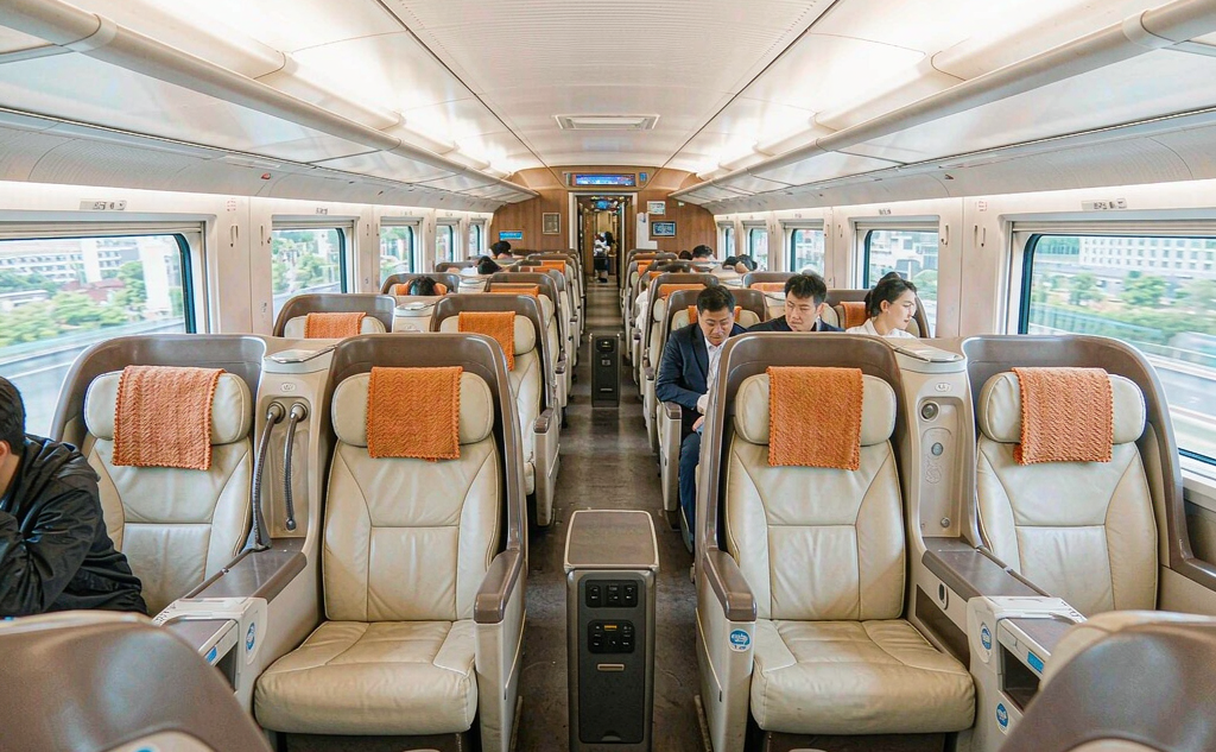
Day four is the train to Xi’an. The Beijing West–Xi’an North high-speed service takes about 4.5–5.5 hours and costs RMB 515.5 second class, RMB 825 first class — bookable on the 12306 app with your passport, exactly as the China high-speed train guide for foreigners explains step by step. We book the 8–9 a.m. departures so you arrive mid-afternoon, drop bags, and walk the Xi’an City Wall (RMB 54, or RMB 45 if you bike it — bikes RMB 45 for 100 minutes) at golden hour. Dinner is a biangbiang noodle shop (RMB 20–35 a bowl) inside or just outside the wall.
Days five and six are Xi’an’s headlines. The Terracotta Army (RMB 120, bookable on its official site) is a half-day east of the city; we use a private car (RMB 300–400 round trip) or the tourist bus (RMB 30 return). Back in town, the Muslim Quarter is the eating heart — lamb skewers RMB 3–5, 肉夹馍 (roujiamo, meat sandwich) RMB 8–12, and cold noodles RMB 10. Day six leaves room for the Small Wild Goose Pagoda or a Shaanxi history museum morning (free but reservation-only, which we handle) before your flight. The best things to do in China guide ranks both cities’ sights so you can swap an afternoon if your interests lean temples or markets.
Best seasons for this route are spring (April–May) and autumn (September–October); the best time to visit China broadly is those shoulders, and both Beijing and Xi’an are at their most comfortable then. Summer is hot and crowded; winter is cold but crisp and cheap. We’ve sent clients in February and the empty Wall was a gift, though the dumpling class was indoors for a reason.
What’s bookable today without a local: the 12306 train, the Forbidden City and Terracotta tickets via official mini-programs/sites, and hotels on the usual platforms. What we add is the sequencing — knowing the Forbidden City needs advance dates, that Terracotta buses stop at 5 p.m., and that a Thursday departure beats the weekend Wall crowds. If six days still feels tight, our China 4 day itinerary shows how to compress to Beijing-only, and our China 1 week itinerary shows the natural extension to a third city like Chengdu or Shanghai.
Money for the six days: budget RMB 900–1,400 a day per person all-in at a comfortable mid-range pace (hotels, food, trains, tickets, local transport). The Beijing–Xi’an train is the biggest single line item after hotels. Card and Alipay/WeChat Pay cover nearly everything; carry RMB 200 in small bills for skewers and temple stalls. A local SIM or eSIM plus offline maps keep you oriented between cities, and we pre-load both for clients.
Across the two cities, the small logistics are what make a six-day week feel easy rather than busy. We tell clients to keep one suitcase packed light for the train day — the Beijing–Xi’an ride has luggage racks but not much floor space, and a 24-inch case is the sweet spot. Pack a power bank; the 12306 app and maps drain phones faster than you’d expect when you’re navigating two transit systems. And build in one slow morning: on our Melbourne family trip we swapped a planned Temple of Heaven visit for a lazy hutong breakfast of jianbing and soy milk (RMB 15 for two), and it was the reset the kids needed before the Terracotta drive.
Families especially should treat the train as part of the adventure, not a chore. Book second class for the cheaper fare but pick the forward car, where the larger windows make the countryside fly by; our Melbourne group spent the ride spotting pagodas and solar farms instead of complaining about the seat. For the Xi’an leg, pre-order seats together on 12306 (we do this for clients) because walk-up assignments can split a family across the carriage. And don’t overschedule day six — a late Terracotta morning followed by a Muslim Quarter graze beats a rushed museum dash before a flight, and the relaxed finish is what sells a first-timer on coming back.
The other six-day advantage is food range. Three days in one city means repeating noodles; six days across Beijing and Xi’an means Peking duck one night (RMB 200–300 for a half bird at a mid-range spot), Xi’an lamb paomo the next (RMB 30–45, where you tear the bread yourself), and a hotpot somewhere in between. We build the route so the signature meals land on the right nights — duck after the Wall when you’ve earned it, paomo on arrival in Xi’an when the Muslim Quarter is at its liveliest. That rhythm is the difference between a trip that feels like a list and one that feels like a place.
One honest trade-off: six days means you skip Shanghai, Guilin, and Sichuan — and that’s fine. The Beijing–Xi’an pair gives you imperial China, the Wall, and the warriors, which is the classic first impression for good reason. On our last six-day trip the family’s standout wasn’t a monument but a Xi’an night-market lesson in pulling noodles, where the vendor let the kids try the stretch. That’s the memory worth the train ride, and it fits cleanly in six days if you plan the link rather than fight it.
If you want the full frame before committing, the China travel guide for first-timers covers arrival and money, and the best things to do in China ranks what earns your limited hours. Use both to shape the week, then let us handle the bookings so you’re not juggling mini-programs across two cities.
References: For background on the train network that makes a two-city week practical, see the High-speed rail in China entry on Wikipedia.