

We have sent travelers to paddle everything from glassy alpine lakes to subtropical mangrove channels, and in our experience the karst rivers of Guangxi remain the single most photogenic place to learn. Kayaking in China has quietly matured over the last decade: what used to be a fringe activity for expats in big cities is now a well-organized network of outfitters, English-speaking guides, and rental shacks within an hour of most tourist hubs. This guide covers where to go, when to go, what it costs, and how a first-timer should actually plan a paddling trip without wasting three days on logistics.
Why paddle in China at all
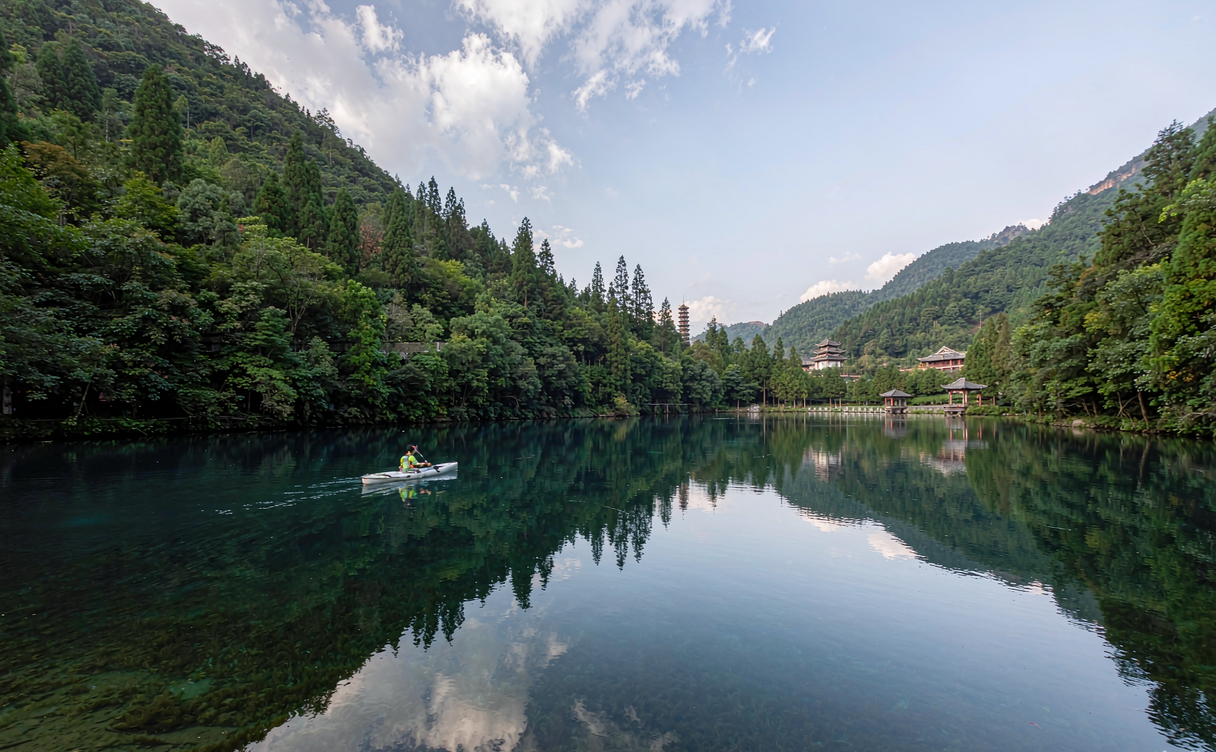
The appeal is variety. Within a single two-week trip you can sea kayak a tropical bay in the morning and flat-water a misted river threaded between limestone peaks by afternoon. The infrastructure is better than most visitors expect. High-speed rail puts you within a taxi ride of launch points, and paddle-grade water is rarely more than a few hours from a tier-one airport. We have watched complete beginners who could not swim confidently go from nervous to grinning in a single guided session on the Li River, because the currents there are forgiving and the scenery does the motivating.
Best seasons for a paddling trip
Timing matters more than route. Southern China (Guangxi, Hainan, Yunnan) is best from October to April, when humidity drops and the rivers run clear after the summer rains flush out. Avoid July and August in the south if you hate heat — midday temperatures sit above 33°C and afternoon thunderstorms build fast. Central lakes (Qiandao, Taihu, Erhai) are lovely from April to June and again in September to November. The far north (Heilongjiang, Inner Mongolia) only opens for a short June-to-September window. We generally tell travelers to plan a China kayaking trip for spring or autumn: you get stable weather, fewer crowds, and the clearest water for photography.
Top spots we keep sending people to
Guilin and Yangshuo are the headline acts. The Yangshuo countryside wraps the Li and Yulong rivers in a maze of karst towers, and a half-day kayak from Yulong Bridge down to the old town is the classic beginner route — about 2 to 3 hours of easy paddling, no whitewater, and endless photo stops at bamboo groves and water buffaloes. Rentals run 80 to 150 RMB for a single kayak, or 200 to 350 RMB with a guide who ferries your bag and shoots photos. For something wilder, the Mulun or Panyang sections near Bama offer longer day trips, though you will want a local contact.
Down south, Sanya’s Yalong Bay and nearby Haitang Bay give China its only reliable sea kayaking. The water is warm year-round, and a 2-hour guided sea-kayak tour costs roughly 180 to 280 RMB per person, often including snorkel stops over coral. We recommend going early (before 9am) to dodge the wind that picks up after lunch.
What to expect on a guided trip
Most outfitters run sit-on-top or stable recreational tandems — not the tippy sea kayaks serious paddlers imagine. Life jackets are mandatory and usually EU-certified. A typical half-day includes a 10-minute land briefing, a shuttle to the put-in, and a relaxed paddle back to a takeout where your driver waits. We have found English is hit-or-miss outside Yangshuo and Sanya, so book through a tour desk attached to your hotel or a platform with verified reviews rather than negotiating on the riverbank. Multi-day trips (the Yalong River in Sichuan, or lake-to-lake routes in Zhejiang) run 600 to 1,200 RMB per day all-in, and that is where a guide earns their fee navigating permits and camping.
Kayak touring tips for first-timers
The phrase kayak touring China tips usually hides one real question: can I just rent and go? In most scenic zones, no — protected rivers require registered operators, and unpermitted paddling on reservoirs near dams is fined. So plan through a licensed outfitter. Bring quick-dry clothes, reef-safe sunscreen, and a dry bag for your phone; bridges and villages are frequent enough that you rarely need more than a liter of water. If you are prone to chafing, wear shorts over the kayak seat. We tell nervous paddlers to start on flat water and graduate to sea kayaking only after they can edge-turn confidently.
Kayaking vs rafting
Travelers often ask us to compare kayaking vs rafting China options. Rafting is social and adrenaline-led — you are bucketing down rapids with a crew. Kayaking is slower, quieter, and yours. On the Li River, rafting is banned on the scenic upper stretch but kayaking is allowed, which is exactly why we steer photographers toward a kayak. Pick rafting if your group wants whoops and splashes; pick kayaking if you want to hear the river.
Gear, cost and transport
You do not need to fly with a boat. Rental kayaks are everywhere paddling is popular, and carrying your own only makes sense for serious tourers. Budget 100 to 300 RMB for a half-day rental, 400 to 1,200 RMB for a guided full day with transfers. High-speed rail reaches Guilin, Yangshuo (the station is 40 minutes out), Sanya, and most lake towns; from there a DiDi or hotel shuttle covers the last mile. We have found that booking the night train or an early rail connection lets you paddle the same afternoon you arrive, which squeezes a rest day out of a tight itinerary.
Safety and etiquette
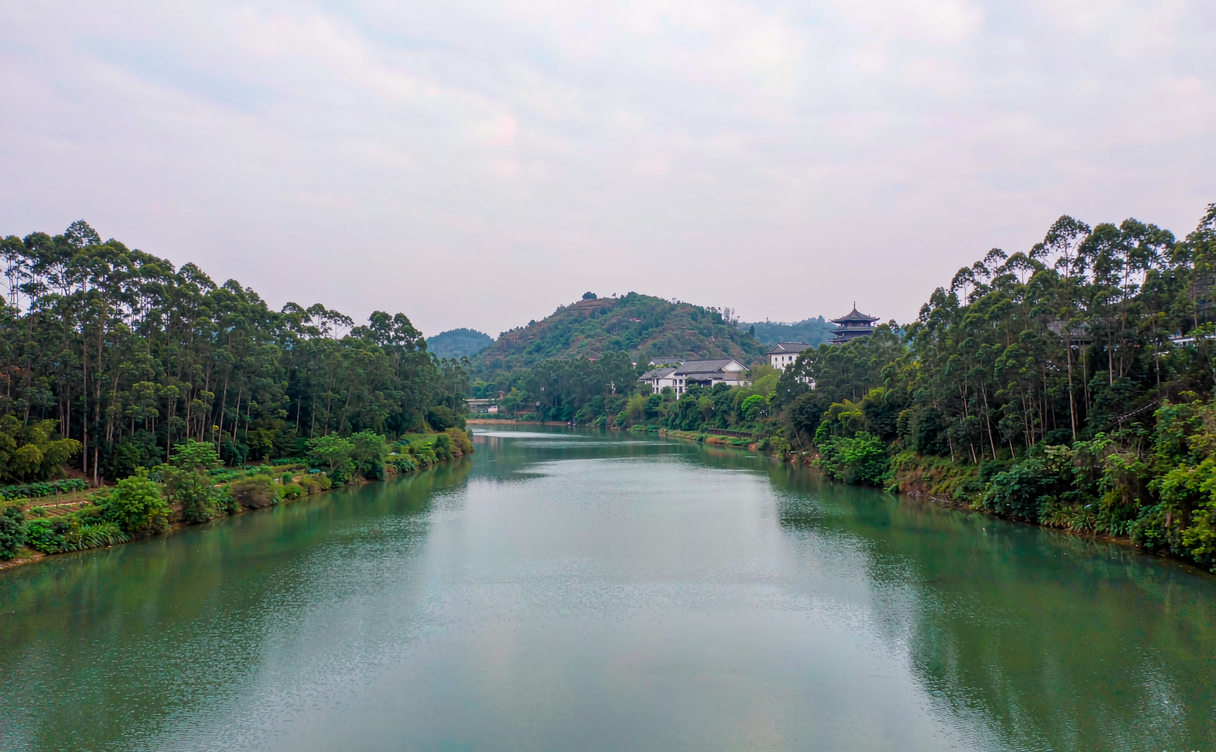
Wear the jacket even if you swim well — silted rivers hide snags. Do not paddle after heavy rain; flash rises on mountain streams are the main cause of incidents we hear about. Pack out your rubbish; several Guangxi stretches have begun limiting launches because of litter. Drones are restricted near military zones and some lakes, so ask before launching one from your deck.
Fitness, skills and who can paddle
You do not need to be an athlete. A flat-water beginner route is within reach of anyone who can ride a bike, and most outfitters accept ages 6 to 70. Sea kayaking needs a bit more core strength and comfort with swell; we screen nervous paddlers with a 20-minute calm-bay test first. If you have never paddled, ask for a tandem so a guide or partner drives the rhythm while you learn the stroke. We have seen unfit travelers finish a three-hour river float fine because the current does the work — just bring a sense of balance and a willingness to get lightly splashed.
Multi-day touring routes
For stronger paddlers, China has real expeditions. The Yalong River in Sichuan offers multi-day canyon trips with riverside camping; the lakes of Zhejiang link into two-to-four-day inn-to-inn routes; and Hainan’s east coast can be sectioned into a week-long sea-kayak if the wind cooperates. These need a licensed operator, permits, and your own dry bags, and they are a different proposition from a half-day rental. We book them only for travelers who already handled a rental without issue — do not leap to a week untrained, because self-rescue on open water is a genuine skill.
Permits and protected water
Many scenic rivers sit inside protected zones where independent launching is banned, which is why we steer everyone to registered outfitters rather than bringing a foldable boat. Reservoirs near dams are off-limits entirely, and some lake sections close seasonally for breeding birds. The upside is that the legal routes are well-maintained and patrolled, so you get clean water and a safety net. Ask your operator for the permit copy on the morning of the paddle; a legitimate one carries it without being asked.
Ready to build a paddling-focused itinerary? Pair your Li River kayak with a few nights in the countryside by browsing our Yangshuo riverside hotels guide and lock in a room within walking distance of the put-in.
Want warmer water and a sea-kayak finish to your trip? Our China beaches guide maps the best coastal launch points from Hainan to Shandong so you can plan a sand-and-paddle route.
Still deciding between a calm paddle and a whitewater rush? Read our China river rafting guide to compare routes, seasons, and operators before you book.
For background on the landscape you will be paddling through, the Li River on Wikipedia has a solid overview of its karst geography and protected status.