

We’ve sent dozens of clients to Jiuzhaigou over the past few seasons, and the single most common mistake we see is booking a room in the wrong place. Jiuzhaigou is not a town with a walkable center — it is a long valley with one park entrance, a strip of hotels just outside the gate, and a scatter of villages through the mountains. Pick well and you will be sipping butter tea on a carved wooden balcony at 2,400 meters while mist rolls over a turquoise lake. Pick poorly and you will lose two hours a day to shuttle buses and regret. This is our honest, on-the-ground take on the best hotels in Jiuzhaigou, based on where we have actually put people.
The lay of the land matters more than the star rating. The Jiuzhaigou Valley Scenic Area opens at 7:00 a.m. in peak season, and the calmest reflections on the multi-colored lakes come before 10:00 a.m. That means you want to be at the entrance gate by 6:45. The hotels in the “沟口” (valley-mouth) cluster — the Pengfeng and Zhangzha areas — put you 5 to 15 minutes by bus from the gate. Everything farther out is a compromise you make for a pool, a spa, or a lower rate.
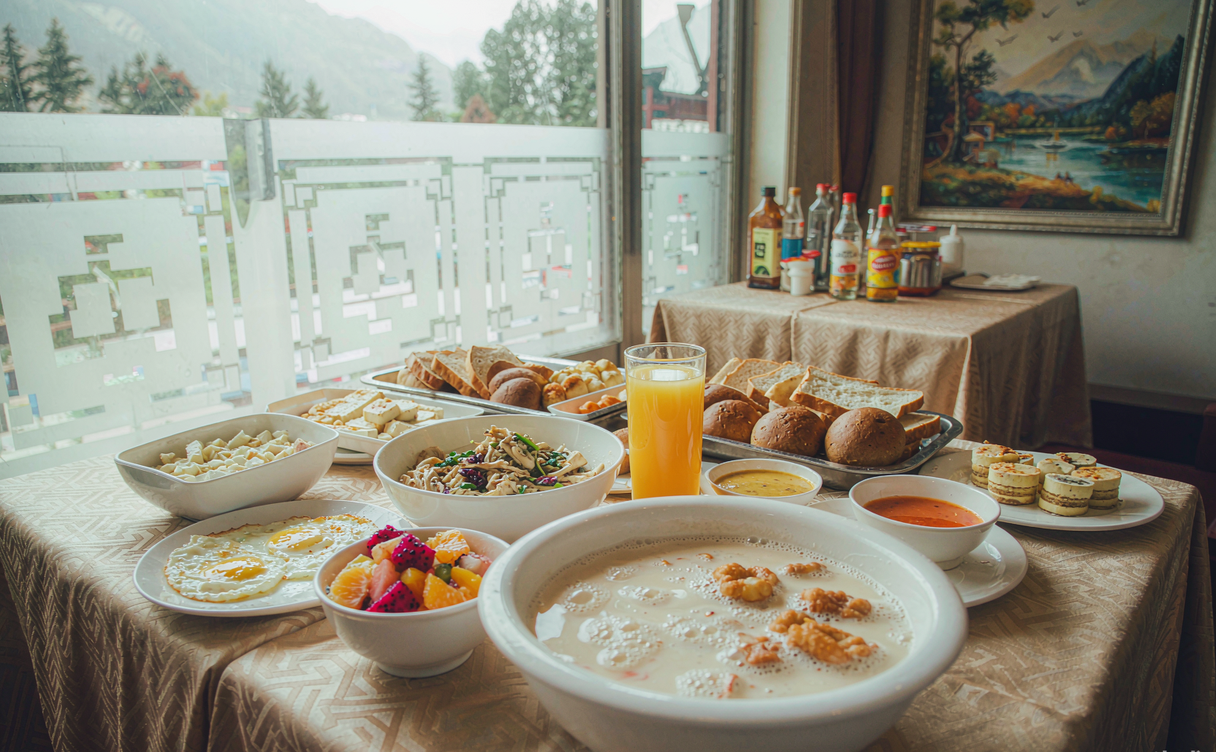
On our last trip, a couple from Germany stayed at the Jiuzhaigou Glorious Sun International Hotel (九寨沟千鹤国际大饭店), a solid four-star right on the hotel strip. They paid about ¥680 (roughly US$95) per night in early October, which is shoulder-peak pricing. Rooms are large by Chinese standards, the heating works, and the breakfast buffet actually pours decent coffee — rare at this altitude. For a full planning breakdown of how many days to allocate and which gates to use, see our main guide.
If you want the polished international experience, the InterContinental Resort Jiuzhaigou (九寨天堂洲际大饭店) is the headline name. It sits about 20 minutes north of the gate in the Heye Valley, under a vast glass-domed lobby that feels like a spaceship dropped into the forest. Rates run ¥1,200–¥1,800 (US$165–$250) in high season. It is beautiful, but the distance means early starts require a pre-arranged car. We generally steer first-time visitors toward the closer strip hotels unless they already have a private driver booked.
Budget and mid-range options cluster along the main road in Pengfeng village. The Jiuzhaigou Tianyuan Hotel and several clean local guesthouses run ¥350–¥550 (US$50–$80) a night. These are basic — thin walls, variable plumbing, but friendly and a short walk to noodle stalls. On our last small-group tour we put three backpackers here and they were happy; just do not expect blackout curtains or a quiet floor.
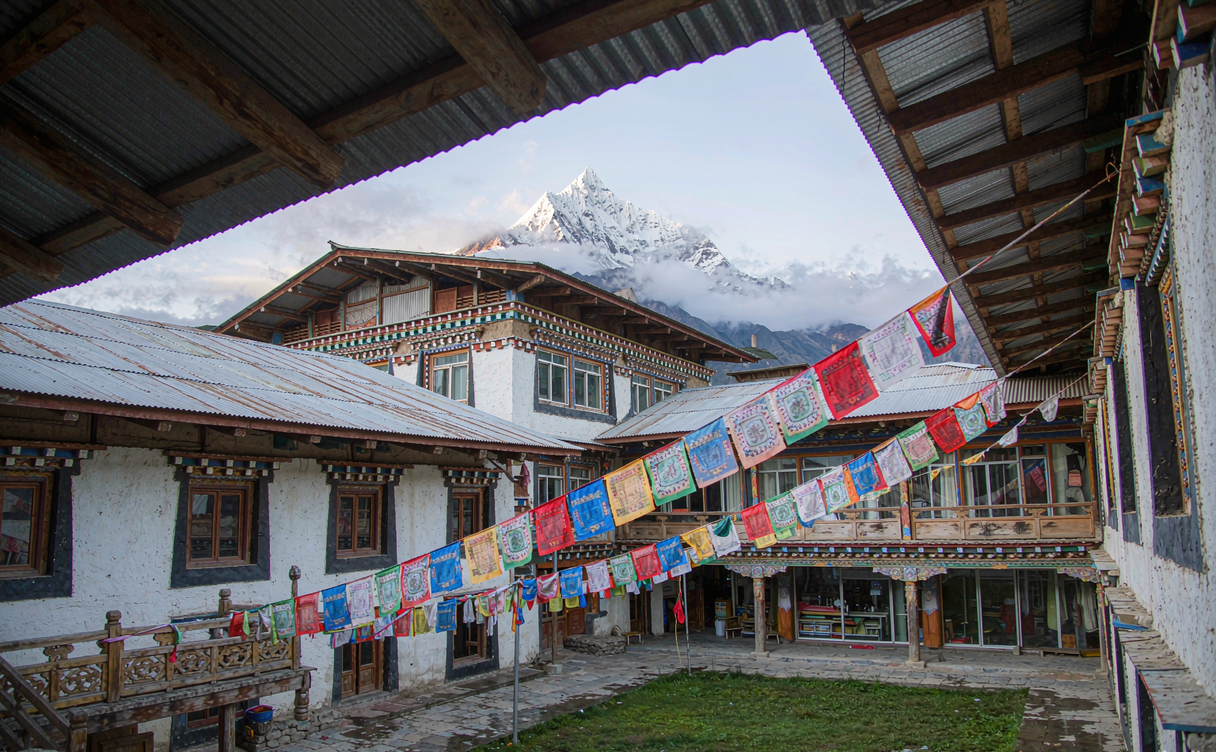
The stay we recommend most is a night in a Tibetan-style lodge. The areas around Zhangzha and the nearby Tibetan villages offer family-run houses where you sleep on carved wooden beds, eat tsampa and yak-meat hotpot, and wake to prayer flags slapping in the wind. Prices are ¥400–¥700 (US$55–$100) with dinner included. This is not luxury, but it is the most memorable night most of our clients spend in Sichuan. For the cultural angle and how to reach the valley from the provincial capital, our Chengdu travel guide covers the flight and road options in detail.
Pairing Jiuzhaigou with a city stop? Our guide to the best hotels in Chengdu shows where to rest before the mountain air, and our China hotel booking guide for foreigners walks through booking platforms, ID requirements at check-in, and what “four-star” really means on the ground.
Timing drives both price and comfort. Peak season is October, when the autumn foliage turns the valley red and gold; rooms book out months ahead and rates climb 40–60% over the spring low. We tell clients to aim for late September or early November for fewer crowds and 20–30% lower prices. Winter (December–February) is brutally cold but the frozen waterfalls are spectacular and hotels drop to ¥300–¥500. Spring is muddy and variable, with the occasional late snow. If you want heritage character beyond the valley, our China heritage hotels guide lists restored courtyard properties within a day’s drive.
Getting to your hotel is half the battle. Most international visitors fly into Chengdu (TFU or CTU) and then take a 1-hour flight to Jiuzhaigou Huanglong Airport (JZH), 88 km from the gate — figure ¥600–¥1,200 (US$85–$170) one way. From the airport, a private transfer runs ¥250–¥400 and takes about 90 minutes. The alternative is the 8–10 hour bus or a rented car from Chengdu, which we only recommend for confident drivers because the mountain roads are demanding and fog is common. Book your airport pickup through the hotel in advance; English signage at JZH is minimal and taxi touts at the terminal are persistent.
Altitude is the quiet issue nobody mentions in the brochures. Jiuzhaigou sits at 2,000–3,100 meters. Most people are fine, but if you are connecting from a long-haul flight and arriving the same day, take the first day easy. Hydrate, skip the dinner alcohol, and let your body adjust before the full valley hike. The park itself is well managed — shuttle buses link the three valleys (Rize, Zechawa, Shuzheng) and you rarely walk more than you choose. Bring the park map your hotel gives you; the app is Chinese-only and finicky on foreign phones.
What is actually bookable is the part that trips people up. Foreign cards work on Booking.com and Agoda for most valley-mouth hotels, but the smaller Tibetan lodges often only take WeChat Pay or a bank transfer arranged through a local agent. We have had clients show up to a “confirmed” reservation at a family lodge that evaporated because the platform double-sold the room during a festival week. Use a reputable agent or book through your tour operator for the small places. For the international brands, direct booking is usually fine and sometimes cheaper than the OTAs once you factor in breakfast.
Dining near the hotels is limited and tourist-priced. Expect ¥60–¥120 (US$8–$17) for a hotpot meal on the strip, and ¥15–¥30 for a bowl of beef noodles. The hotel breakfast is usually your best value of the day. Bring snacks for the park — inside, a simple lunch box runs ¥50–¥80 and the options are slim and underwhelming. A thermos of hot water from your hotel lobby saves you at altitude.
Want us to handle the logistics? We can lock in a valley-mouth room, arrange your Chengdu-to-Jiuzhaigou transfer, and pre-book a Tibetan lodge night so nothing falls through the cracks. Send us your dates and we will return a tailored plan with real rates.
One more practical note: the park enforces a strict one-entry-per-day ticket, and your hotel choice directly affects how early you can be at the gate. If you are a photographer chasing calm-water reflections, the closer the better — we have had guests at the strip hotels photograph the lakes before the first tour buses arrived. If you are a family wanting a pool and spa after hiking, the InterContinental is worth the drive, and its kids’ buffet is genuinely good.
Jiuzhaigou is a UNESCO World Heritage site, recognized for its layered travertine lakes and rare giant panda habitat — you can read the official designation on the UNESCO Jiuzhaigou listing to understand why the water carries that impossible blue.
Ready to build your Sichuan trip around Jiuzhaigou? Start from our planning notes above, pick the room that fits your style and budget, and remember: stay close to the gate unless you have a driver, book early for October, and do not skip the Tibetan lodge night. The lakes are the headline, but where you sleep shapes the whole trip.
Bottom line after years of sending people up there: the “best” hotel in Jiuzhaigou is the one that gets you to the gate early and lets you slow down after. Spend on location before you spend on marble, and the valley will do the rest.