

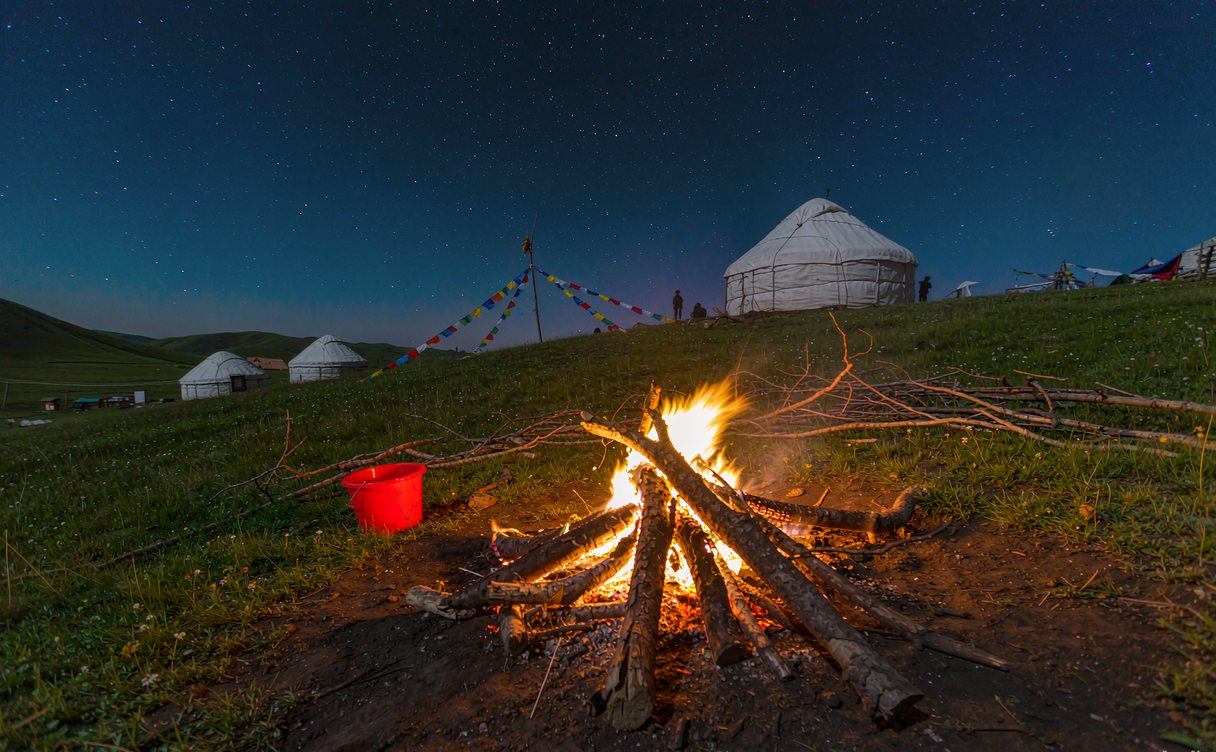
The first time I slept in a yurt, I woke up at 4 a.m. to the sound of wind moving across open grass and a sky so dense with stars it looked like someone had thrown a handful of salt across black velvet. That is the deal you make when you book a yurt stay in China: you trade the predictable comfort of a city hotel for cold mornings, the smell of dried cow dung smoke, and a silence so complete it takes your ears a day to adjust. I have now done it a dozen times, from the rolling meadows of Hulunbuir to the high summer pastures of the Tianshan range, and I would go back tomorrow. This China yurt stays guide is built from those nights — what to expect, what it costs, and how to book without getting stranded.
The word “yurt” (or ger, as Mongol herders call it) describes the round, felt-wrapped dwelling with a lattice wood frame and a crown window at the top. If you want the deeper cultural background, the Yurt entry on Wikipedia is a solid, neutral starting point. In China the real experiences live in the grasslands of Inner Mongolia, China and in Xinjiang, China, where Kazakh and Mongol families still keep the old seasonal rhythm of moving camp with the herds.
Where the best yurt camps actually are
For most travelers, the easiest and most reliable yurt stays are in Inner Mongolia, China. The Hulunbuir grassland in the far northeast is the postcard version: endless green, white yurts dotted across it, and horses you can ride for an hour for about 80–120 RMB ($11–17). I based myself near the town of Heishantou and paid 320 RMB ($45) a night for a comfortable yurt with a real bed, electric heating, and a shared bathroom block. The downside is distance — Hulunbuir is a flight from Beijing plus a two-hour drive, but the emptiness is worth it.
Closer to transport hubs, the grasslands around Hohhot and Xilingol are gentler on logistics. The Hohhot travel guide on our site breaks down how to reach the nearby Xilamuren and Gegentala grasslands, both about 90 minutes from the city. These camps are more commercialized — think bonfire shows and Tibetan-style costume photo ops — but they are a good first yurt experience if you are short on time. Expect 200–400 RMB ($28–56) a night in peak summer.
In Xinjiang, China the standout is the Nalati grassland, where you can arrange a Tianshan grassland yurt homestay with a Kazakh family rather than a tour-company camp. I spent two nights with a family near Nalati and paid 260 RMB ($37) including dinner and breakfast — hand-pulled noodles, fresh cream, and flatbread cooked against the inside of the stove. The Xinjiang Nalati grassland guide covers how to reach the area, and the nearby Bayanbulak grassland guide describes the even higher, swan-filled pastures where yurt stays feel genuinely remote.
For the most pristine setting of all, the Inner Mongolia Hulunbuir grassland guide is the one I send friends to when they want the “real” version rather than a staged one.
Mongolian yurt camp Inner Mongolia booking
Booking is the part that trips people up. Most camps do not have English websites, and the good family-run ones are found through Chinese platforms like Ctrip (Trip.com) or via a local driver. My advice: search the camp name plus “蒙古包” (yurt) on Ctrip, read the Chinese reviews (translate them), and message the host through the app before paying. For a Mongolian yurt camp Inner Mongolia booking in July and August, reserve at least three weeks ahead — that is when Beijing families flood in and prices double.
A few practical notes from experience:
- Confirm whether the price includes meals. Many camps quote a room rate but charge 60–100 RMB ($8–14) per meal separately.
- Ask if the yurt has a private or shared bathroom. “Standard” yurts often share a toilet block 50 metres away; “deluxe” ones have en-suite, but the plumbing is still basic.
- Get the host’s phone number in WeChat. Signal on the grassland is patchy, and you will need it to be found.
Yurt camp facilities and toilets
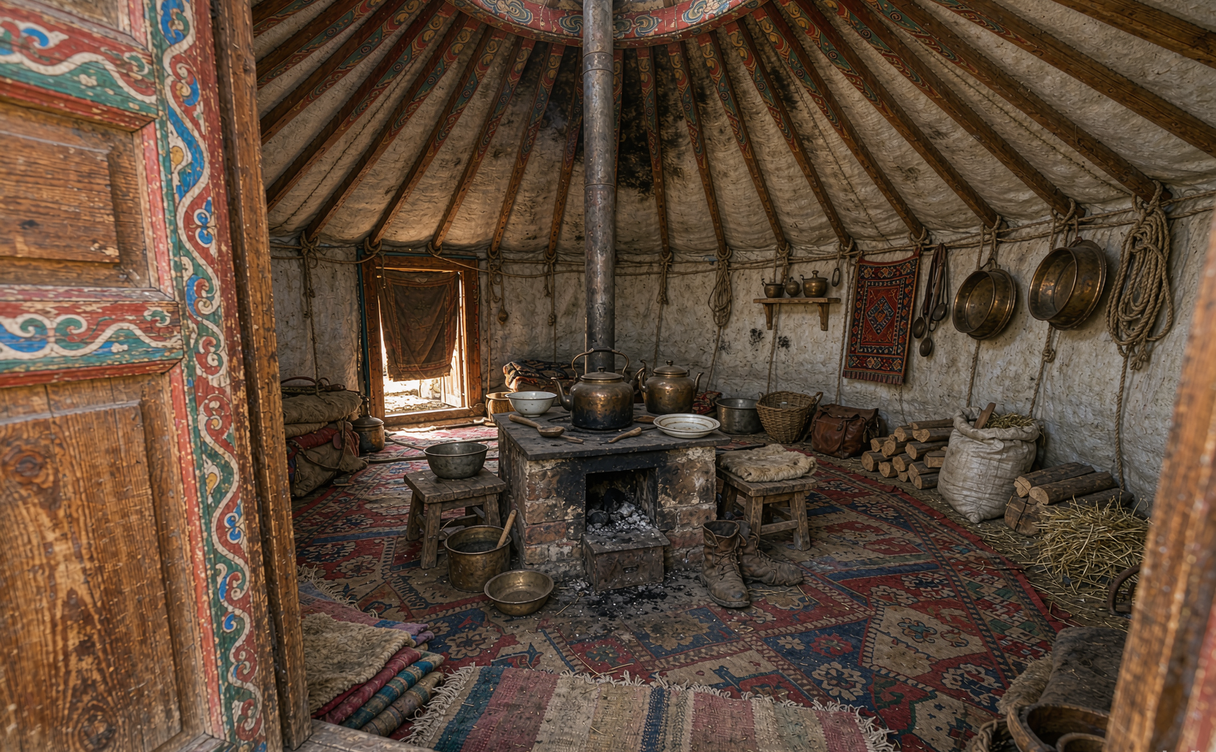
Let me be blunt about yurt camp facilities and toilets, because this is where expectations get broken. A traditional felt yurt has no bathroom at all — you use a pit toilet or a portable flush unit outside. Even “comfortable” tourist yurts usually route you to a shared concrete block with squat and occasionally Western toilets. Hot water is rare except at the larger camps near Hohhot, where a shower might cost 10–20 RMB ($1.50–3) and runs on a timer.
Inside the yurt, the good ones have a wood or coal stove that the host lights in the evening. In July that sounds unnecessary until the temperature drops to 10°C (50°F) at 2 a.m. — it does, every night, even when the day hit 30°C. Bring a sleeping bag liner if you are a cold sleeper. Power is usually a single socket or a USB bar; charge everything before bed.
Yurt stay costs in China
Here is a realistic breakdown of yurt stay costs in China per night, based on the 2024–2025 season:
| Type | Low season | Peak (Jul–Aug) |
|——|———–|—————-|
| Basic shared-bath yurt, Hulunbuir | 150 RMB ($21) | 350 RMB ($49) |
| Comfortable private-bath yurt, Hohhot area | 280 RMB ($39) | 550 RMB ($77) |
| Family Kazakh homestay, Nalati | 220 RMB ($31) | 400 RMB ($56) |
| Luxury ger camp with bonfire + horse ride package | 600 RMB ($84) | 1,200 RMB ($168) |
Add transport: a private driver from Hailar to the Hulunbuir grasslands runs 400–600 RMB ($56–84) per day, and that is often the real cost centre of the trip, not the yurt itself.
Best time for a yurt stay in China
The best time for a yurt stay in China is mid-June to late August, when the grass is high and the weather is mild. Avoid the week of the Naadam festival (usually mid-July) if you want quiet — prices spike and camps fill. September is my personal favourite: the grass yellows, the crowds vanish, and you might have an entire hillside to yourself, though nights dip near freezing. Winter yurt stays exist near Hohhot for ice festivals but are brutal without serious gear.
One more tip: combine your stay with other forms of sleeping under the stars. Our China glamping camping guide and the China desert camp stays guide cover yurt-adjacent experiences in the Gobi and on the dunes, if you want to extend the open-sky theme across a longer northern China route.
What to eat and bring
Meals are the highlight. Expect mongolian milk tea (salty, not sweet), grilled lamb ribs, and khuushuur fried pastries if you are near the Kazakh camps. Vegetarians will struggle — almost everything centres on lamb and dairy, so pack instant noodles or trail mix if you need a fallback.
Pack for a 20-degree temperature swing: a fleece, a windproof shell, closed shoes (the grass is wet in the morning), and a headlamp. Sunscreen is non-negotiable; the UV on open grassland is fierce even when it feels cool.
My take
A yurt stay is not a hotel and should not be judged like one. The reward is the dawn, the star field, and the unhurried pace of a culture that has been doing this for a thousand years. Go in with the right expectations and it will be one of the most memorable nights of your China trip.
Want more off-grid China stays in your inbox? Join the chinatravelplaces.com newsletter for monthly grassland and desert camp picks.
Planning a Hulunbuir or Nalati trip? Use our booking-checklist and camp reviews to lock in the right yurt before peak season sells out.
Compare yurt, desert and forest stays side by side — bookmark our China camping guides and start building your northern route today.