

A Yiwu travel guide has to begin with a number that sounds fake until you stand in it: the International Trade City covers more than 5.5 million square meters across five districts, with over 75,000 booths. I first brought a client here to source hardware samples in 2019, and we walked for four hours and saw maybe a tenth of one district. Yiwu is not a pretty postcard town — it is the gravitational center of global small commodities, where a buyer from Lagos, an importer from São Paulo and a curious tourist with a backpack all share the same escalator. This guide is for both: the business traveler who needs to navigate the market, and the visitor who just wants to see something genuinely unlike anywhere else.
Yiwu International Trade City visit: how to actually do it
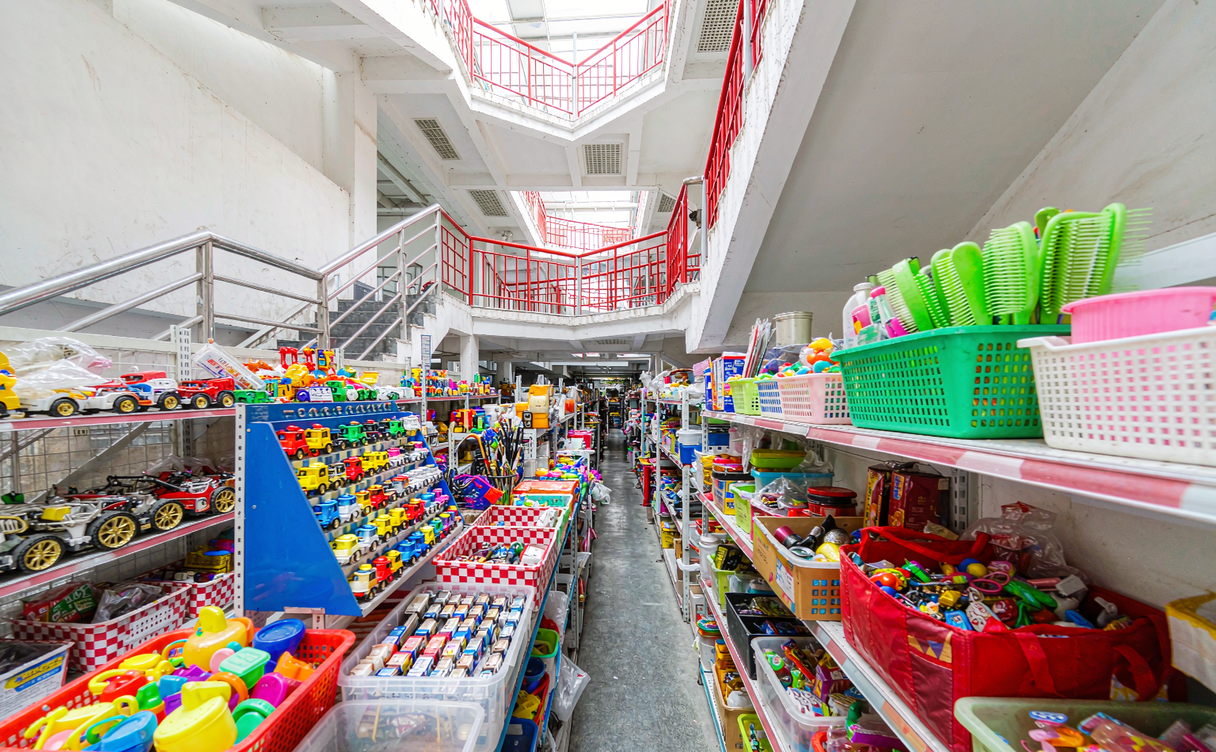
The Yiwu International Trade City visit is the reason most foreigners come, so let me be practical. District 1 is toys, flowers and jewelry; District 2 is hardware, electronics and luggage; District 3 is stationery, sports and socks; District 4 is daily necessities, underwear and shoes; District 5 is imported goods and food. Each district is a vast air-conditioned block linked by overhead walkways. My rule: pick one district per half-day, agree a meeting point with your group, and photograph the booth number of anything you like — the grid is easy to get lost in. Bring a scannable business card or just your phone; most serious suppliers use WeChat and will send catalogs on the spot. I’ve booked clients into District 2 sourcing trips where a single afternoon netted 30 supplier contacts and three sample shipments.
A detail first-timers miss: the buildings are numbered but the internal booth grid uses a different code, so screenshots of the booth sign save arguments later. Wear comfortable shoes, carry a foldable bag for catalogs, and don’t be shy about asking a booth manager to walk you to a related section — the market runs on referral and people are genuinely helpful once they see you are serious.
Yiwu market opening hours for visitors
The Yiwu market opening hours for visitors matter more than people expect. The halls generally open around 9:00 am and wind down by 5:00 pm, but individual booths keep their own rhythm — many close for lunch and some owners leave early on slow weekdays. The Foreign Trade Mart (District 5’s import section) and the surrounding commodity city stay busiest Tuesday through Friday. Weekends are quieter for business but fine for browsing. I tell first-timers to arrive by 9:30, do the serious sourcing before noon, and use the afternoon for the streets and food. Note that the market essentially shuts for the Chinese New Year holiday for two weeks, and that is the worst time to come for buying. If you arrive in that window you will find locked grilles and a ghost town, so check the lunar calendar before booking flights.
How to get to Yiwu from Shanghai
The easiest answer to how to get to Yiwu from Shanghai is the high-speed train. Trains run from Shanghai Hongqiao to Yiwu Railway Station in roughly 1.5 to 2 hours, with fares around ¥75–¥130 CNY depending on the class. I almost always route clients this way rather than flying, because the station is a cheap 20-minute taxi from the market. Driving takes about 3 to 3.5 hours in good traffic and is not worth it unless you are shipping a load. For the booking mechanics and station details, our China high-speed train guide for foreigners walks through ticket pickup with a passport. Yiwu also has its own airport with limited domestic flights, useful if you are connecting from further afield, though most international visitors find the Shanghai rail link simpler.
Things to do in Yiwu beyond the booths
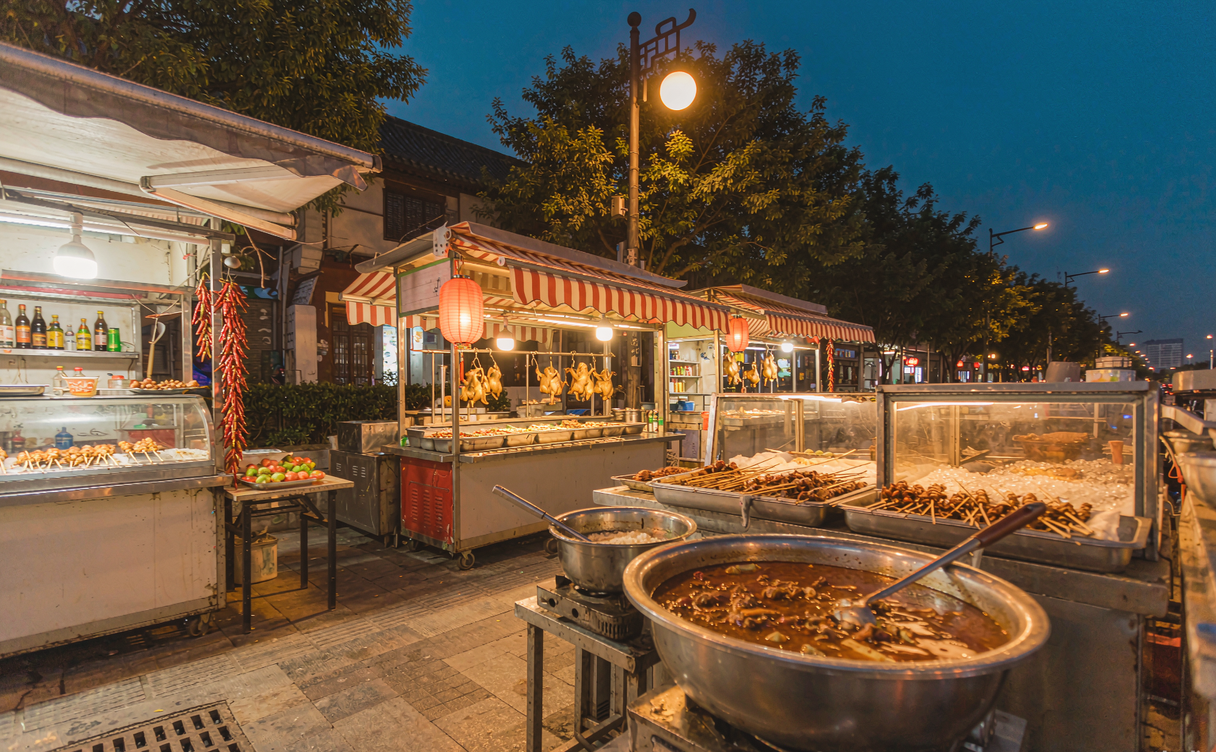
There is more than commerce. Things to do in Yiwu include the old canal-side streets of the historic center, where the city began as a small riverside market town centuries before the wholesale era. The Zongze Road riverside promenade comes alive in the evening with food stalls — I had some of the best stinky tofu and grilled river fish of my China trips there. The Xiuhu (Embroidery Lake) park is a calm green pause in the middle of the boom. And because Yiwu hosts one of China’s largest international resident communities, the foreign-restaurant scene is surprisingly good: Turkish, Middle Eastern and African kitchens cluster near the market. Pair a market morning with a canal-side dinner and you get the real texture of the place, which is far warmer than the fluorescent halls suggest.
Best time to visit Yiwu
The best time to visit Yiwu for comfortable weather is spring (April–May) and autumn (September–October), when daytime temperatures sit in the pleasant 18–26°C range and the humidity is manageable. Summer gets hot and sticky, often above 35°C, and the market halls are crowded with domestic buyers. Winter is cold but quiet, with the cheapest hotels. Avoid the run-up to Chinese New Year (usually late January or February) if you came to buy — the booths empty out. I schedule sourcing clients in April or October almost without exception. For a wider regional plan, our Hangzhou travel guide makes a natural add-on since it sits within a couple of hours by rail and lets you balance the commerce with classical gardens.
Shopping, shipping and souvenirs
Yiwu is the logical anchor of any China shopping trip, but buying is only half the story — getting it home is the other half. Small lots can go home in your checked baggage, but if you are sourcing by the carton you will want a freight forwarder, and the city is full of them. I always warn clients to agree Incoterms and inspect goods before the container seals. For the strategic side, our China shopping and souvenirs guide explains what is worth hauling, and the China shipping souvenirs home guide covers customs and courier choices. Yiwu sits in Jinhua prefecture, so the Jinhua travel guide is worth a look if you want to extend into the surrounding countryside and the famous Jinhua ham territory, which pairs nicely with a market trip for food-focused buyers.
Where to stay and how long
Most buyers base themselves within walking distance of the market, and I usually book clients into the cluster of mid-range hotels just east of District 1 — rooms run ¥350–¥600 CNY a night and put you at the booths in ten minutes, which saves the taxi math every morning. If you are a pure tourist rather than a buyer, two nights is plenty: one full market day plus one evening on the canal. I have found that three days marks the point where even keen shoppers start repeating booths. The city is safe to walk at night, and the international restaurant strip means you will never struggle for a familiar meal after a long day on the floor.
A note on expectations
Yiwu will not win beauty contests, and I say that as a fan. It is loud, commercial and gloriously practical. But for a traveler who wants to understand how the physical stuff of modern life actually gets made and moved, there is no substitute. The wholesale city is detailed in the Yiwu International Trade City entry on Wikipedia, a useful primer before you go, and it frames the scale better than any single afternoon on the floor.