

Guang’an lies in eastern Sichuan where the Qujiang and Jialing rivers meet, a few hours northeast of Chengdu by high-speed rail. It is best known as the hometown of Deng Xiaoping, the architect of China’s reform era, and for a stretch of quiet Sichuan countryside that few foreign visitors ever see. I came for the history and stayed for the slow river-town pace, the cheap noodles, and the easy walks through villages that still keep an older rhythm. This Guang’an travel guide covers how to get there, what to do, and where to eat, with the practical detail that makes a side trip like this smooth and unhurried.
For the administrative and population overview, the Guang’an Wikipedia page is a useful reference. If you are building a Sichuan route, start with our Chengdu travel guide, which explains the hub-and-spoke rail network that makes Guang’an an easy half-day detour from the capital and shows you how to chain several such stops into one loop.
How to get to Guang’an
The main station is Guang’an South, on a line that connects Chengdu and Chongqing through the eastern part of the province. Trains from Chengdu East take about one hour forty minutes to two hours ten minutes and cost RMB 75 to 110 in second class; from Chongqing the ride is about one hour to one hour thirty minutes for RMB 45 to 70. Services are frequent across the day, so you can usually arrive in the morning, sightsee, and still catch an evening train out without locking in a return time weeks ahead. Our China high-speed train guide for foreigners walks through booking on the 12306 app and clearing the passport gate, which you will do here like everywhere else on the network, and it is worth reading before you arrive so the station routine feels normal.
Inside the city, Didi and local buses cover the short hops, and a ride from the station to the Deng Xiaoping memorial area is usually under RMB 25. The station sits a few kilometers south of the old center, so budget a short transfer on arrival; the taxi queue is orderly and metered, and the ride apps work with an international card linked through the usual channel. If you are weighing whether to fly at all for a trip like this, the train almost always wins once you add the time and cost of getting to and from the airports.
Things to do in Guang’an
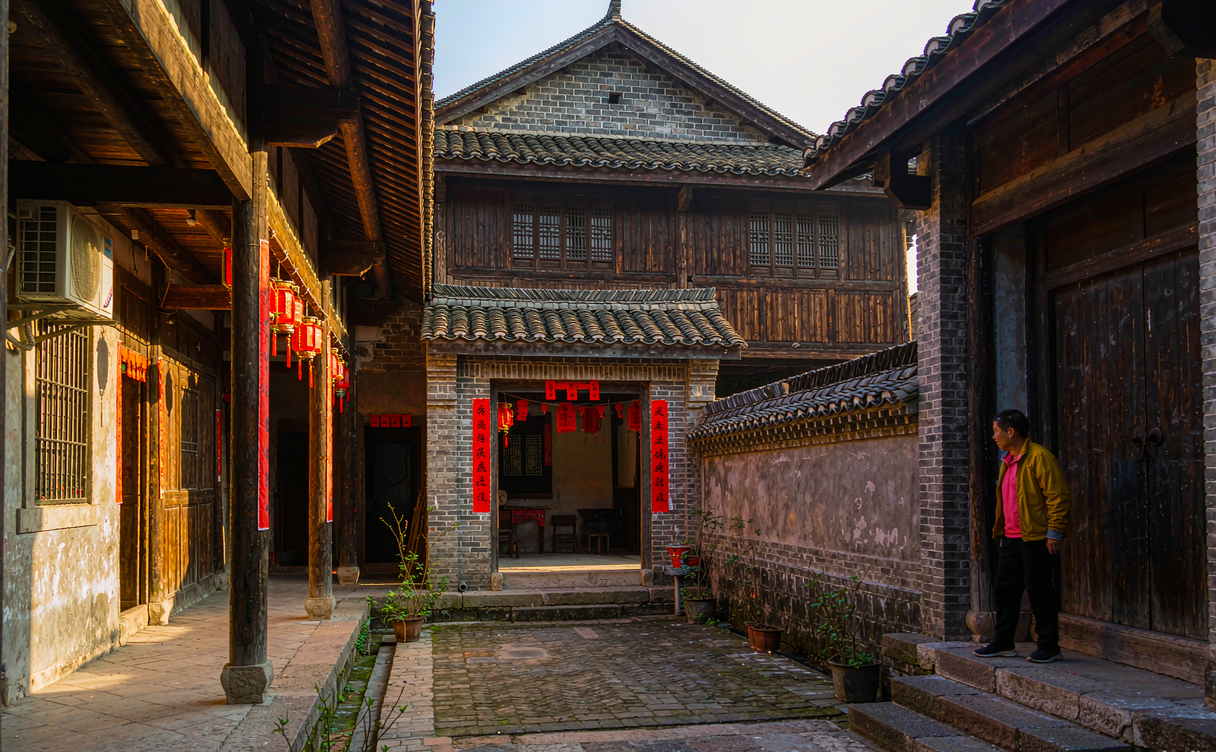
The headline site is the Deng Xiaoping Homeland, a large memorial park in Xiexing town on the edge of the city. It includes his restored childhood home, a museum with documents and photos from his life, and landscaped gardens meant for slow walking. Entry to the core area is free, though the museum sometimes charges a small fee of around RMB 10 to 20, and it is busy on weekends and anniversaries, so a weekday morning is calmer. I found the old house the most moving part: a modest tile-roofed courtyard that makes the scale of the later story land harder than any exhibit could.
For nature, Huaying Mountain rises to the northeast and offers forest trails, karst scenery, and a cooler climate in summer that draws Sichuan families escaping the heat. The lower trails are manageable in a half day if you take the shuttle road partway, and the viewpoints over the ridges are worth the climb. The mountain also carries a layer of revolutionary history, with former guerrilla bases and memorials that local tours explain, though you can simply hike and ignore the narrative if that is not your interest. Back in the city, the Qujiang riverside is a relaxed place for an evening stroll, with floodlit bridges and old men fishing from the banks, and the small county towns nearby keep weekly markets worth a wander.
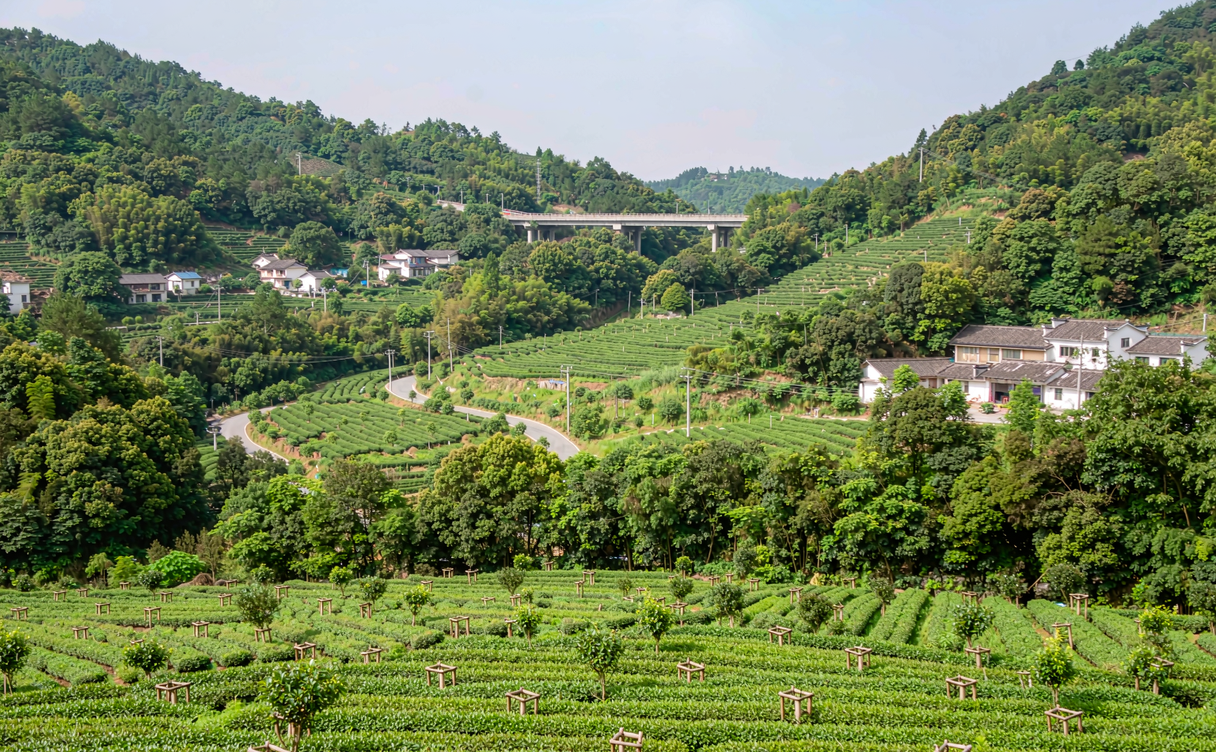
A pleasant half day is the old town lanes near the river, where you can watch tofu being pressed and noodles being cut by hand. Guang’an is not a sightseeing marathon; the pleasure is the unhurried scale, and two nights lets you see the memorial, a mountain, and a market without rushing. I liked sitting in a riverside tea house for an hour with no plan, which is exactly the kind of slow travel the big cities do not allow.
Guang’an food
Sichuan’s eastern edge cooks a little differently from Chengdu, with more preserved and sour notes. The local specialty is salted preserved egg, a firmer, saltier cousin of the usual century egg, sold at markets for a few yuan each and easy to pack for a train picnic. Yuechi rice noodles are a breakfast staple, a slippery bowl with a meat topping for about RMB 10 to 15, and Wusheng fried fish uses the small river fish cooked crisp with chili and pickled vegetables, a dish that tastes of the local water more than any spice jar.
For a wider edible tour of the province, our Sichuan snacks guide lists what to try across the region, and Guang’an is a good place to sample the eastern style before or after Chengdu. Street stalls near the bus station do a reliable cold noodle with peanut and chili, and the night market on the river sells grilled tofu and sweet potatoes that make a cheap dinner. Portions are generous and prices are low, so eating well here is the easiest part of the budget.
A simple Guang’an itinerary
With one full day: morning at the Deng Xiaoping Homeland, lunch of rice noodles, afternoon on Huaying Mountain or the riverside, evening market for dinner. With two days, add a county market and a slower morning in the old town, and consider an evening boat ride on the river if the weather is clear. Hotels are inexpensive: budget chains run RMB 130 to 220 a night, and a comfortable mid range place is RMB 260 to 420, with the higher end still a fraction of a Chengdu price for similar quality.
The most comfortable seasons are spring and autumn, when the days are mild and the rain is light, and the mountain is at its greenest. Summer is hot and humid but good for the cooler peaks, while winter is damp and grey though rarely freezing. Getting around is simple once you settle in: the ride apps cover the city, the intercity rail covers the region, and the memorial park has clear signage in basic English near the ticket area.
One practical note before you go: book your train tickets a few days ahead if you travel on a weekend or during a holiday week, because the Chengdu and Chongqing runs fill up fast at peak times and the quiet station can surprise you with a sold-out board. The memorial park has luggage storage near the entrance for a small fee, which is handy if you are continuing by rail the same day and do not want to drag a bag through the gardens. English is limited outside the front desk of larger hotels, so download an offline map and a translation app before you arrive, and keep your passport handy for both the station gate and the hotel check-in, since both ask for it on the spot.
Guang’an rewards travelers who like history without crowds and countryside without planning headaches. It pairs naturally with Chengdu as a day or overnight side trip, and it gives you a grounded sense of the Sichuan hinterland that the big cities leave out, the kind of place where a stranger on a bench will happily point you toward the best noodle shop. For first-time visitors mapping the whole country, a calm stop like this is also a welcome break from the usual rush of headline sights.