

Dazhou sits in northeastern Sichuan where the Sichuan basin gives way to the mountains of the Qinba range, a transport crossroads that has linked Chengdu, Chongqing, and Shaanxi for centuries. Most travelers pass through on a train and never step off, which is a mistake: the city is a cheap, friendly base for cloud-sea peaks, river gorges, and some of the best beef snacks in the province. I used Dazhou as a rail stop on a longer loop and ended up staying two nights longer than planned, drawn in by the easy hikes and the lack of tourist pressure. This Dazhou travel guide covers how to get there, what to do, and what to eat.
For the administrative and population overview, the Dazhou Wikipedia page is a useful reference. If you are building a Sichuan route, start with our Chengdu travel guide, which explains the hub-and-spoke rail network that puts Dazhou within a few hours of the capital and shows how to link several such foothill cities into one trip.
How to get to Dazhou
Dazhou is on a major rail corridor, with Dazhou Station serving conventional trains and a newer high-speed station handling the faster services. From Chengdu the high-speed ride takes about two hours thirty minutes to three hours and costs RMB 110 to 160 in second class; from Chongqing it is about one hour thirty minutes to two hours for RMB 70 to 100. Trains run through the day, and the city is also a natural break on a road or rail trip between Sichuan and Shaanxi, which makes it useful even if you are heading north rather than looping back. Our China high-speed train guide for foreigners walks through booking on the 12306 app and clearing the passport gate, which works the same here as at every station on the network, and it is worth a read before you travel so the routine is familiar.
Inside the city, Didi and local buses handle the short hops, and a ride from the station to the center is usually under RMB 20. The surrounding peaks need a bit more planning: Batai Mountain and Congren Valley are an hour or more out by bus or hired car, so build that into the day rather than expecting a quick taxi, and ask your hotel to help book a driver for the round trip if you do not speak the local dialect.
Things to do in Dazhou
The standout is Batai Mountain, the easternmost of the eight hundred li of the Bashan range, famous for a sea of clouds at sunrise and a ridge walk above the treeline. The cable car and shuttle road cover the worst of the climb, so you reach the viewpoints with moderate effort, and on a clear morning the cloud deck below the summit is the kind of view that justifies the early start. I went up the evening before, slept at the mid-mountain lodge, and was at the rail by six; the cold was worth it, and the lodge dinner of mountain vegetables was a pleasant surprise.
Closer to the city, Congren Valley is a karst gorge with streams, cliffs, and the cave settlements of the ancient Cong people, reached by a mix of boardwalks and boat rides depending on water level. Zhenfo Mountain is a Buddhist site on a sculpted peak with statues carved into the rock, quieter and less polished than the famous mountains farther west, and a good half day if you want culture without a crowd. Phoenix Mountain park on the city edge gives an easy sunset walk with the whole basin laid out below, and the evening light there is the best free show in town.
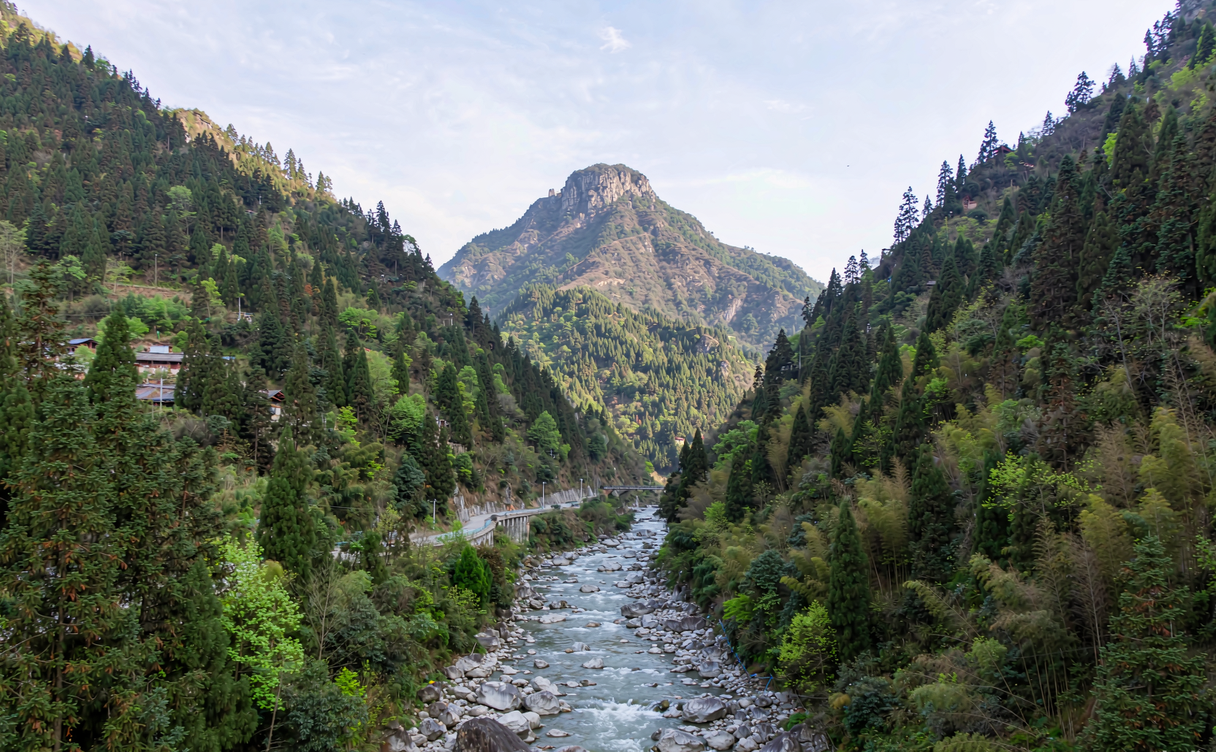
For travelers who want a famous Taoist peak as a counterpoint, Mount Qingcheng sits near Chengdu and pairs well with a Sichuan loop that starts or ends in Dazhou, since both are on the same rail spine and easy to link by train through the capital. I treated Dazhou as the wild edge of the province and Chengdu as the soft landing, and the contrast made both better.
Dazhou food
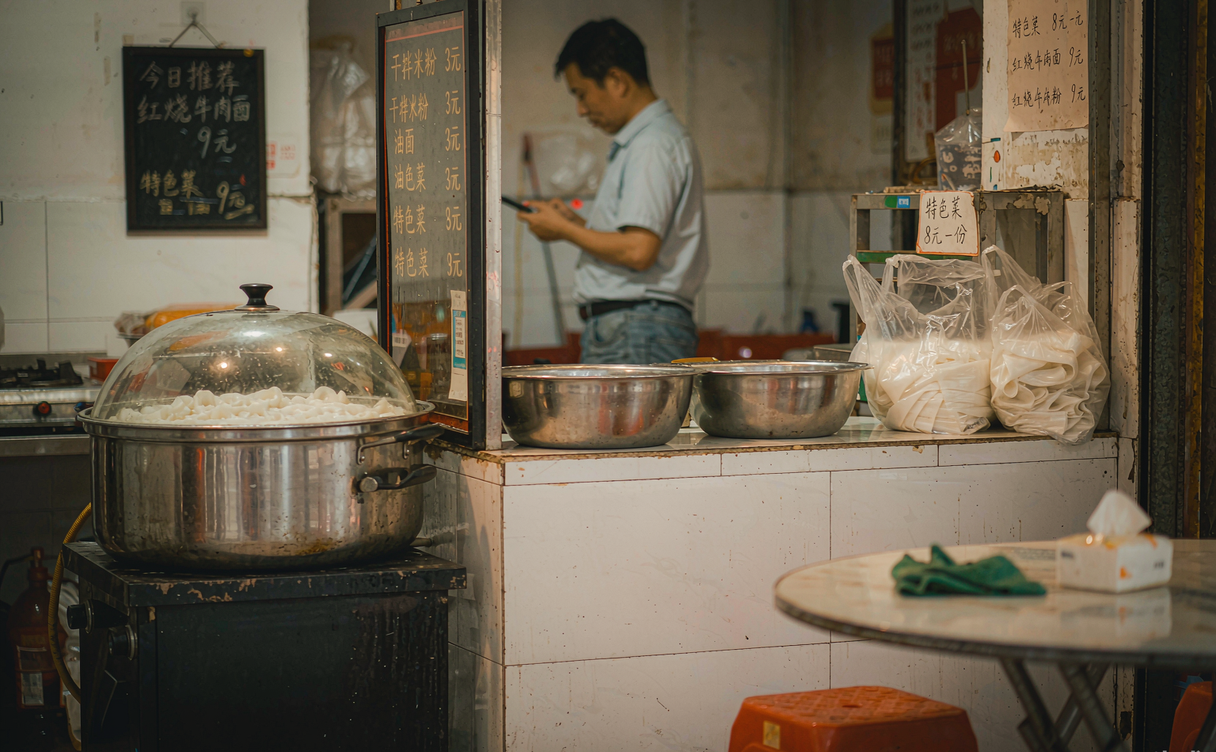
The local claim to fame is shadow beef, thin slices of marinated beef dried and pressed so thin you can read through them, a snack that travels well and costs around RMB 30 to 50 a box at the market. Xuanhan peppered chicken is a cold dish of poached chicken torn with chili and Sichuan pepper, about RMB 25 to 40 for a plate that easily feeds two with beer. Dazhou also does a hearty river fish hot pot in winter, using the small fish from the tributaries cooked with pickled vegetables, and the sour broth is a nice change from the heavier Chengdu style.
For a wider edible tour of the province, our Sichuan snacks guide lists what to try across the region, and Dazhou is a strong place to sample the northeastern style, which leans drier and more savory than the oily Chengdu standard. The night market near the old bridge sells grilled mushrooms, sticky rice cakes, and a sweet soy milk that makes a good breakfast before a mountain day, and the vendors are happy to point at what to order if your Chinese is limited.
A simple Dazhou itinerary
With one full day: dawn on Batai Mountain, afternoon in Congren Valley, evening night market. With two days, add Zhenfo Mountain and a slow morning in the city, and leave the second evening open for the riverside. Hotels are cheap: budget chains run RMB 120 to 200 a night, and a comfortable mid range place is RMB 240 to 400, which leaves plenty of room in the budget for the mountain lodge and the better restaurants. The station area has the most choice, but the center near the river is quieter at night.
The most comfortable seasons are spring and autumn, when the valleys are green and the peaks are clear, and the hiking is pleasant rather than sweaty. Summer brings heavy afternoon storms and is best avoided for the high ridges, while winter on the peaks is beautiful but cold enough that you need proper layers. Whenever you go, the city itself stays mild and walkable, and the food alone justifies an extra night.
One practical note before you go: book the Batai Mountain lodge a few days ahead if you want to sleep on the peak for sunrise, because the mid-mountain rooms are few and the weekend demand is steady through the clear months. The station has luggage storage for a small fee, which lets you hike light and collect your bag on the way to the evening train. English is limited outside larger hotels, so an offline map and a translation app are worth loading before you arrive, and keep your passport ready for both the platform gate and the hotel desk, since both check it on the spot. The ride apps cover the city well, but for the outer peaks you will want a driver booked through your hotel, as the bus timing is loose and the last return leaves before dark.
Dazhou is not a headline destination, but as a low-cost mountain foothill city on the rail line it is an easy, rewarding stop that most foreign itineraries miss. The trains make it trivial to include, the peaks make it worth the detour, and the food makes it memorable, which is about all you can ask of a place you had not planned to visit. For travelers watching costs, the math here is unusually kind, and a little planning turns a pass-through into a highlight.