

Picking the best hotels in Kunming is about altitude and lake more than skyline. The city sits at 1,900 meters, warm enough to earn the name Spring City, and most visitors use it as the gateway to Dianchi Lake, the stone forests, and the wider Yunnan loop. Our Kunming travel guide lays out the districts, and the hotel question follows from there: where to stay in Kunming depends on whether you want the lake, the old town, or a launch pad for the province. Below is a concrete shortlist by type and price, drawn from places we have booked for visitors.
The luxury tier splits between the city center and the Dianchi shoreline. The Kunming Lakeview Hotel and the adjoining resort properties along the north shore of Dianchi give you the water and the Western Hills across it, a view worth the premium. In the center, the InterContinental and the nearby international towers put you above the shopping and the metro. Expect roughly ¥1,000 to ¥2,800 per night, with the lake-view rooms at the top of that range. We recommend the lake for a slower trip and the center for a first sweep of the city. Luxury hotels Kunming lists almost always open with these names, because the setting is the selling point, not the marble.
If the lake is your anchor, stay on the north or east shore. Best hotels near Dianchi Lake trade commute for view, and the morning walk along the water before the tour buses arrive is the best part of a Kunming stay. Rates in this pocket run ¥900 to ¥2,200, and the resorts here lean family, with gardens and bike paths rather than nightlife. We like this pocket for a second night or a recovery day after the high-altitude trips to Shangri-La or Lijiang, because the lower elevation and the clean air do real work on tired lungs.
For travelers watching the budget, the mid-range chains are reliable and foreigner-friendly. Atour, Ji Hotel, and Courtyard by Marriott line the Metro Line 1 and Line 3 corridors for ¥350 to ¥700, with consistent Wi-Fi and English signage at the desk. The Nanping pedestrian area and the Beijing Road district have the most guesthouses and the best breakfast streets, while the railway station cluster suits bullet-train arrivals from Dali or Guilin. We put budget-minded visitors near the old town, because the food carts come out at night and the metro reaches the lake in twenty minutes.
Kunming boutique hotels cluster in the old town and in the restored lanes near the Green Lake. Small design hotels here run ¥500 to ¥1,200, with strong coffee, weak elevators, and a creative crowd downstairs. The Green Lake area suits longer stays and morning jogs around the water; the old town suits nightlife and the younger set. We like these for second visits when the big sights are done and the point is to live the city a bit. Kunming boutique hotels in this tier trade polish for personality, and most visitors leave happy.
Mornings at Green Lake are a Kunming ritual worth planning around. Locals dance, sing opera, and walk the loop before the heat, and a hotel within a block lets you join without a commute. We recommend at least one early walk there, because it is the clearest read on the city’s calm pace, and the nearby lane cafes do a proper coffee afterward. Boutique stays near the water make this effortless, which is why we lean that way for longer visits.
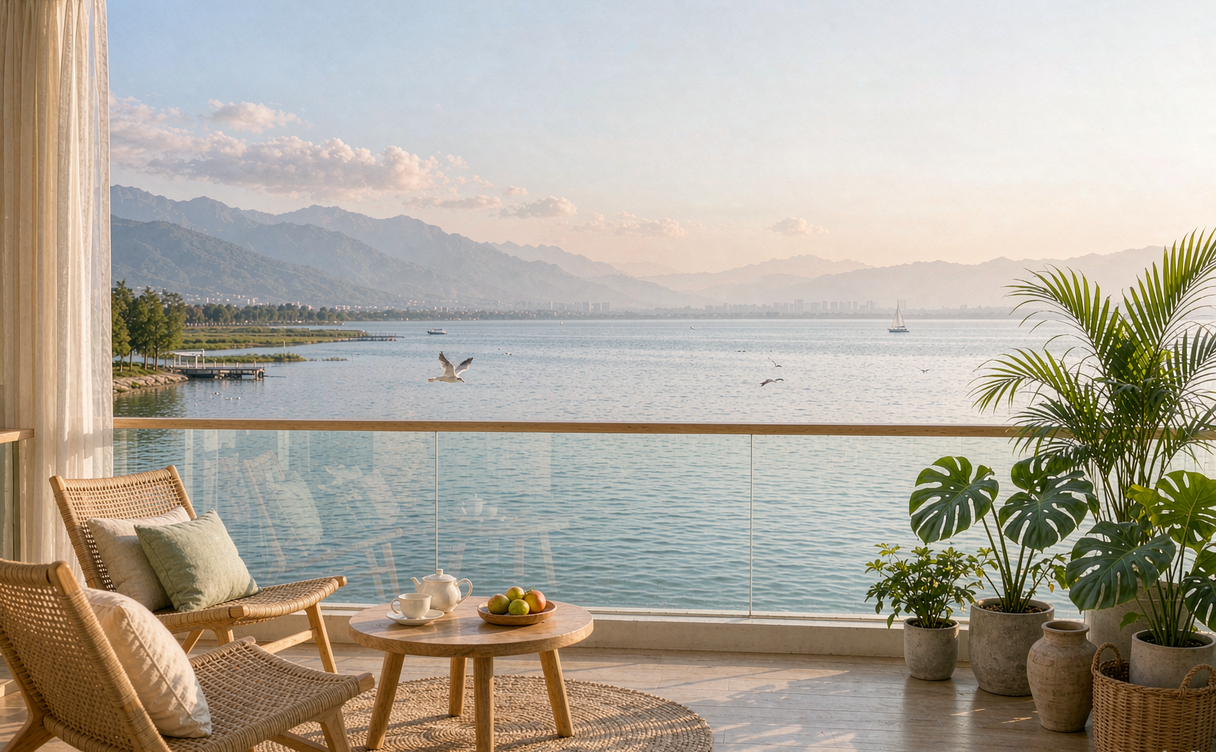
Families should look at the Dianchi resorts and the pool-equipped towers in the center. The lake resorts have gardens and bike paths that settle restless kids, and the center towers with club floors give parents a quiet lounge while the children burn off energy in the mall below. Rates sit around ¥1,000 to ¥2,000. We recommend the lake for a family hotels Kunming shortlist because the open space matters when the altitude makes everyone a little more tired than usual, and the Western Hills hike is gentle enough for older kids.
Kunming runs on noodles, and your hotel’s location decides your breakfast. The city’s rice noodle culture is a morning ritual, and our Yunnan rice noodles guide lists the spots worth waking for, from the cross-bridge bowls to the small street carts. Hotels in the center put you above the best breakfast streets; the lake resorts trade that for quiet. Pick a hotel near a metro line and a food street, and you eat better for less. Kunming hotel guide advice we give everyone: do not book a room without checking what is downstairs, because the ground floor sets the tone.
Booking timing is the quiet trap. Spring, from March to May, is the comfortable window and the city fills; summer is cool by Chinese standards and the better value; winter is dry and mild but thin on tourists. Passport registration applies at every property, international cards work at the chains, and the smaller inns may want Alipay or WeChat Pay linked to a foreign card. We tell clients to lock the room the day they lock the flight, because Kunming’s role as a Yunnan hub means the good rooms vanish in peak weeks.
Getting around is easy once you learn the grid. The metro reaches the old town, Green Lake, and the railway station on two lines with English signage, and the bus to Dianchi is frequent and cheap. We tell first-timers to stay near a metro stop rather than chasing a lake view that strands them without a car, because the city’s spread means a bad location costs an hour a day. Taxis are cheap for late nights, but the subway covers most daylight plans.
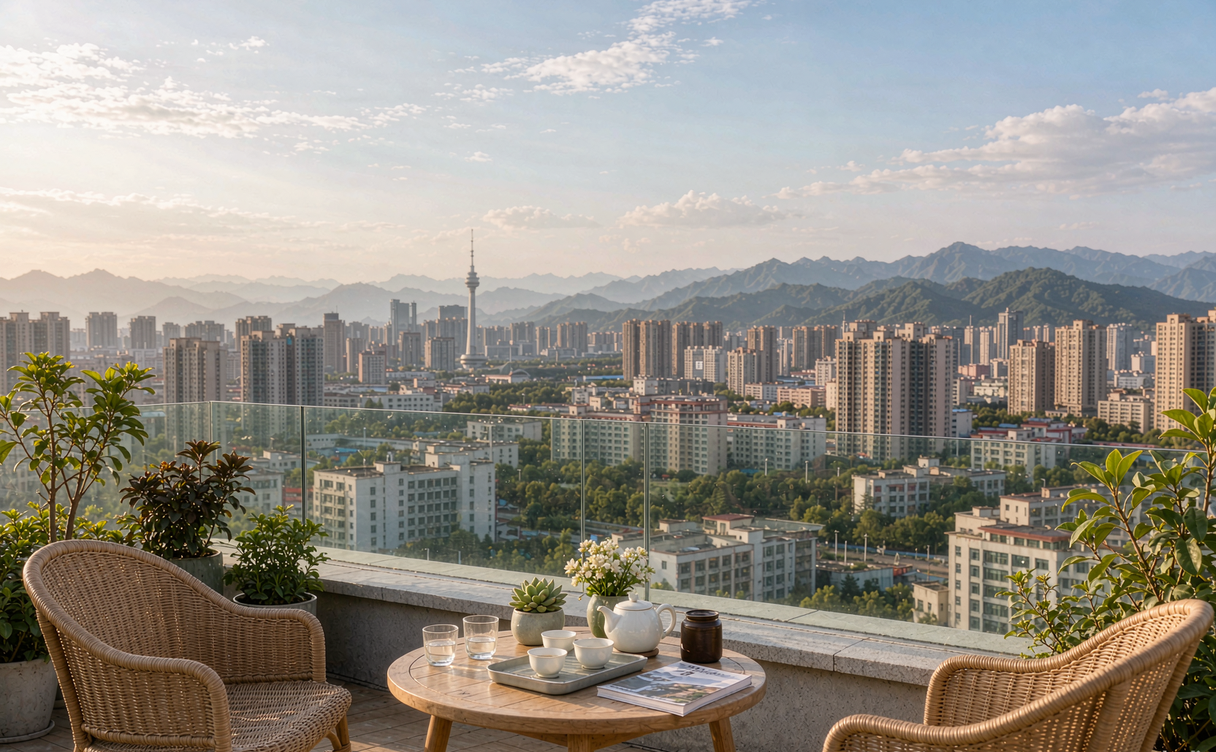
The Yunnan loop is the real reason many people land here. Dali and Lijiang sit a few hours north by high-speed rail, and Xishuangbanna lies south toward the tropics. Our Dali Yunnan travel guide covers the old town and the lake hostels, a useful next step after a Kunming night. We coach visitors to treat Kunming as the hinge: one or two nights to adjust to the altitude, then out to the hills, then back before the flight. A hotel near the railway station makes that hinge work, even if the view is dull.
The altitude is the quiet factor most visitors underestimate. At 1,900 meters the sun is stronger and the nights cooler than the latitude suggests, and a day of walking leaves you more tired than sea level would. We coach guests to take the first Kunming night easy, drink water, and skip the heavy baijiu at dinner, because the next leg to Shangri-La or Lijiang climbs higher still. A hotel with a good air conditioner and blackout curtains earns its keep, since the thin air can mean a restless first sleep.
Dianchi itself is the city’s spine, and the Dianchi Lake entry on Wikipedia gives useful background on its size and the algal blooms that have plagued it, worth knowing before you book a room that promises a perfect mirror. The water is cleaner than a decade ago, but the view still depends on the season, and a clear morning beats a premium room on a green afternoon.
A practical note on payment, since it trips people up. Most luxury and mid-range desks take Visa and Mastercard, but the boutique inns near Green Lake often prefer a Chinese payment app, and some ask for a deposit in yuan. Link Alipay to your home card before you fly, and keep a little cash for the guesthouses that still run old terminals. The front desks see foreign guests daily and will walk you through it, but a plan beats a puzzled stare at midnight.
In the end, the best hotels in Kunming are the ones that fit the rhythm of your days: a lake resort for the view and the calm, a center tower for the food and the metro, a budget chain for the launch north or south. We have watched travelers pay premium lake rates and never walk the shore, and others take a ¥400 room near a noodle street and call it the best trip of their lives. Match the room to the plan, ride the rail, and let the Spring City weather be the bonus rather than the reason.