

This China beaches guide covers where to swim, when the water is warm, and how to stay safe on the country’s long coastline. China has more than 18,000 kilometres of shore, from tropicalHainan in the south to cooler, breezier coves in the north. Picking the right spot and the right month makes the difference between a calm family holiday and a crowded, choppy disappointment. Below you will find practical advice on seasons, transport, and the beaches that foreign visitors rate most highly.
When is beach season in China
The short answer to when is beach season in China is May through October for the warm south, and roughly July to early September for the north. Hainan stays swimmable from April to November because it sits in the tropics. Qingdao and other Shandong beaches only reach a comfortable 22 to 24°C in high summer, so June and July are the reliable window there.
Water temperature matters more than air temperature. In Sanya the sea hovers around 26°C from April onward, which is why winter visitors from colder countries still swim. Up in Liaoning and Hebei the sea rarely tops 22°C, so a wetsuit helps if you plan to be in the water for long. Check the local weekly forecast rather than the monthly average, because a cold upwelling can drop the surface temperature by several degrees for a few days.
Typhoon risk also shapes the season. The south China coast sees its highest storm chance from July to September. If you travel in those months, build a flexible plan and keep an eye on the weather app. Our China summer destinations guide lists inland alternatives you can swap in if a storm closes the coast.
Best beaches in China for tourists
Foreign visitors most often land at three well-developed coasts: Hainan, Qingdao, and the Xiamen area. Each has a different feel.
Sanya, at the southern tip of Hainan, is the easiest tropical option. Yalong Bay and Dadonghai have soft sand, hotel-backed services, and lifeguards in season. It is busy in Chinese school holidays, especially early August, but in April, May, and late September it is relaxed. Read our Sanya beach travel guide for station-by-station detail on which bay suits families versus couples.
Qingdao, in Shandong, pairs a long bathing beach with a walkable coastal promenade and German-era architecture. The water is cooler and the sand is coarser than Hainan, but the city is clean, the beer is good, and it connects easily to Beijing and Shanghai by high-speed train. Our Qingdao travel guide explains which beaches charge a small entry fee and where the free public stretches are.
Xiamen, in Fujian, centres on Gulangyu Island, a car-free islet with gentle coves and shaded lanes. You reach it by a short ferry from the mainland terminal. The island itself limits swimming to a few marked areas, but the nearby mainland coast at Zengcuoan is friendly for a dip. See the Xiamen Gulangyu Island page for ferry times and ticket tips.
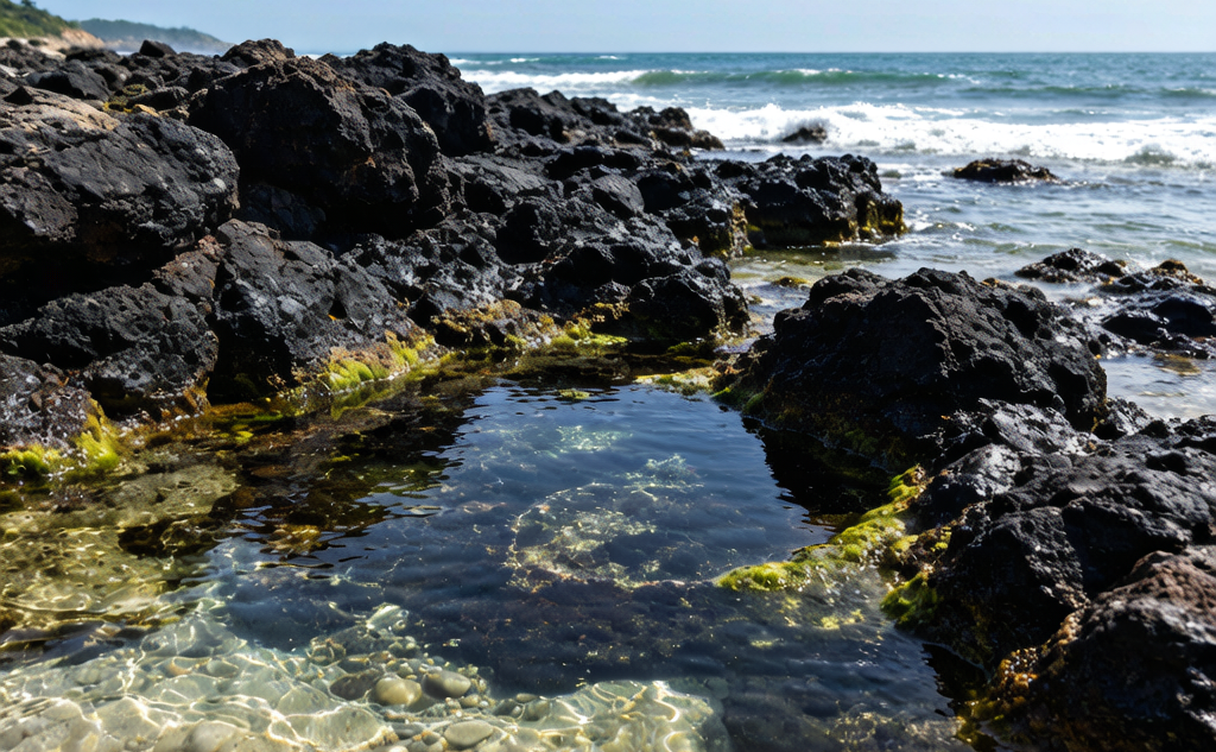
China island beach destinations
If you want water on more than one side, look at China island beach destinations. The standout for visitors is Weizhou Island, off the coast of Guangxi near Beihai. It is a volcanic island with black-rock shores, a white-sand swimming beach at Shiluo Kou, and cheap seafood. Flights and trains reach Beihai, then a 70-minute ferry crosses to the island. Our Weizhou Island guide covers ferry booking, which pier to use, and where to rent an electric scooter.
Island hopping is possible but needs planning. Our China ferry and island hopping guide explains how to book domestic ferries, why you should buy tickets a day ahead in peak season, and which routes sell out first. Bring your passport, because island ferry tickets are checked against ID the same way trains are.
Quiet beaches in China
Crowds gather at famous bays, but quiet beaches in China are easy to find if you leave the resort strips. In Hainan, drive 40 minutes from Sanya to the stretches near Haitang Bay’s northern end or to the less-marketed west coast around Dongfang. In Guangxi, the beaches north of Beihai toward Beilun Hekou are nearly empty on weekdays. In Shandong, the long shore east of Qingdao toward Rushan has wide, empty sand at a fraction of the price.
Quiet does not mean unserved. Even small beaches usually have a few food stalls, basic showers, and a parking area. The trade-off is fewer lifeguards, so swim close to shore and never alone. Locals often know the safest entry points; a quick question at a nearby stall prevents a cut foot on hidden rock.

Is it safe to swim in China beaches
Many first-time visitors ask, is it safe to swim in China beaches? For most marked swimming zones, yes. Resort bays fly flags and post lifeguards from May to October. The main risks are jellyfish in late summer, strong rip currents at unmarked open coasts, and boat traffic near ferry ports.
A few rules reduce risk. Swim inside the flagged area even if it looks smaller than you like. Wear reef shoes where the bottom is rocky. After a typhoon passes, wait two or three days before swimming because currents stay rough. For current sea-temperature and tide data, the national tourism portal China Highlights publishes monthly coastal reports that are useful for trip planning.
If you have young children, pick a bay with a gentle slope and shallow shelf, such as the southern end of Yalong Bay or the calm inner cove at Gulangyu. Avoid surf beaches after storms, and keep infants out of the water during the hottest midday hours when UV is strongest.
Practical swimming and packing tips
Sun protection is the item visitors underestimate. A UV shirt, a wide hat, and reef-safe sunscreen are worth packing from home because sizes and formulas differ locally. Drink more water than you think you need; the combination of sun and sea breeze hides how much you sweat.
Getting to the beach is usually straightforward. High-speed rail reaches coastal cities like Qingdao, Xiamen, and Beihai, and local buses or didi rides cover the last few kilometres. On Hainan and Weizhou, renting a scooter or car gives you access to the quieter stretches. Carry cash for small beach stalls, though mobile pay works almost everywhere now.
Sample three-day beach plan
A simple Sanya plan works for most visitors. Day one, settle at Yalong Bay and swim inside the flagged zone. Day two, take a morning boat to a nearby cove for snorkelling, then relax at the hotel pool in the afternoon heat. Day three, drive west to a quieter stretch for a low-key final swim before your flight.
In Qingdao, day one is the number-one bathing beach and the pier; day two is a train or bus trip to a less busy shore east of the city; day three mixes beach time with the old town and a seafood dinner. Keep one indoor backup activity per day in case of rain.
Respecting local beach culture
Chinese beaches are family spaces, so topless sunbathing is not acceptable and is illegal in some areas. Keep swimwear for the water, cover up on the promenade, and you will feel comfortable everywhere. Littering draws disapproval, and bins are common near main beaches, so pack out what you bring to quiet spots.
Tide times shift the beach shape daily. At rocky islands like Weizhou, a cove that is safe at low tide can flood at high tide, so ask locally and watch the water line. A little patience with language barriers goes far; most stall owners use translation apps and are happy to point you to the calm water.
Getting more from your coastal trip
Beaches rarely sit alone. Most coastal cities have a old town, a seafood market, and a hill or temple with a sea view that makes a good non-swimming morning. Pairing one beach day with one culture day keeps the trip varied and lets the kids or older travellers rest.
If you want a longer coastal route, the rail network lets you string Qingdao, Shanghai, Xiamen, and Guangzhou into one trip, with beaches at two or three stops. Just remember that the south is a flight or long train from the north, so pick a region rather than trying to see both in one week.