

For many first-time visitors, bargaining in China feels like a high-stakes game with unclear rules. Unlike home, where stickers mark the final price, vibrant tourist bazaars and wholesale markets across the country expect a little back-and-forth. Mastering the exchange is not only about saving money; it is a social ritual that can turn a stressful errand into a memorable cultural moment. This guide explains exactly where haggling is welcome, where it is pointless or even rude, and the phrases that make the process smooth and friendly.
Where Bargaining Is Expected
Outdoor markets, flea markets, and dedicated tourist streets are the heartland of negotiation. In Beijing, the stalls of Beijing Nanluoguxiang guide are full of postcards, knock-off fashion, and handmade trinkets where the first quoted price is rarely the floor. The same is true of Silk Street and the Pearl Market in the capital, the Yiwu and wholesale zones, and the night markets of Xi’an, Chengdu, and Guilin. At these venues, vendors build the “tourist tax” into the opening number precisely so there is room to come down.
A useful rule of thumb: if the item has no barcode, no fixed price tag, and the seller is an individual rather than a cashier, you can almost always negotiate. Souvenirs, artwork, jade, pearls, silk, tea, and custom tailoring are all fair game.
Where You Should Not Bargain
Knowing where not to bargain in China is just as important as knowing where to try. Supermarkets, department stores, convenience chains, and restaurant bills operate on fixed pricing; attempting to haggle only slows the line and confuses staff. Government-run museums and official scenic-area shops also hold firm prices.
Within traditional bazaars, certain stalls post clear “fixed price” signs or sell genuine branded goods at mall-standard rates; respect those. Likewise, small family restaurants, taxi meters, and high-speed rail tickets are non-negotiable. When in doubt, watch whether locals are paying a displayed number without discussion; if they are, so should you.
Is It Rude to Bargain in China?
A common worry among travelers is is it rude to bargain in China. The short answer is no, provided you do it with good humour. In negotiation cultures, haggling is a normal, even cheerful, way of doing business; walking away is also normal and not taken as an insult. What reads as rude is aggression, loud argument, or making an offer you clearly cannot honour. A smile, a relaxed posture, and a willingness to walk away gracefully keep the exchange pleasant for both sides.
Our China etiquette guide for tourists covers the broader manners that make any market interaction smoother, from handing money with both hands to avoiding public confrontation.
How to Haggle at Chinese Markets
The mechanics of how to haggle at Chinese markets follow a predictable rhythm. First, browse without committing; compare identical items across three or four stalls so you learn the realistic range. When you settle on a seller, let them quote first. A widely used opening move is to offer roughly one-third to one-half of the asking price, then meet in the middle through small increments.
Use silence as a tool. After you state your number, stay quiet; the seller will often fill the gap with a concession. Bundle items (“I’ll take three if you give me the lot for X”) to unlock a better rate than buying singly. And always keep your target price in mind before you start, so excitement does not carry you past it.
Chinese Phrases for Bargaining
Learning a handful of Chinese phrases for bargaining transforms the experience. Vendors light up when a foreigner tries, and the effort alone sometimes earns a discount. Useful lines include: “Tai gui le” (too expensive), “Pianyi yidian” (cheaper, please), “Wo zhi you…” (I only have…), and “Liang ge yi kuai qian?” (two for one kuai?). Numbers matter most, so drill the basics before you go.
For a fuller phrasebook aimed at travelers, see our China Mandarin phrases for travelers. Even a phone translator helps, but memorised greetings build the rapport that leads to better deals.
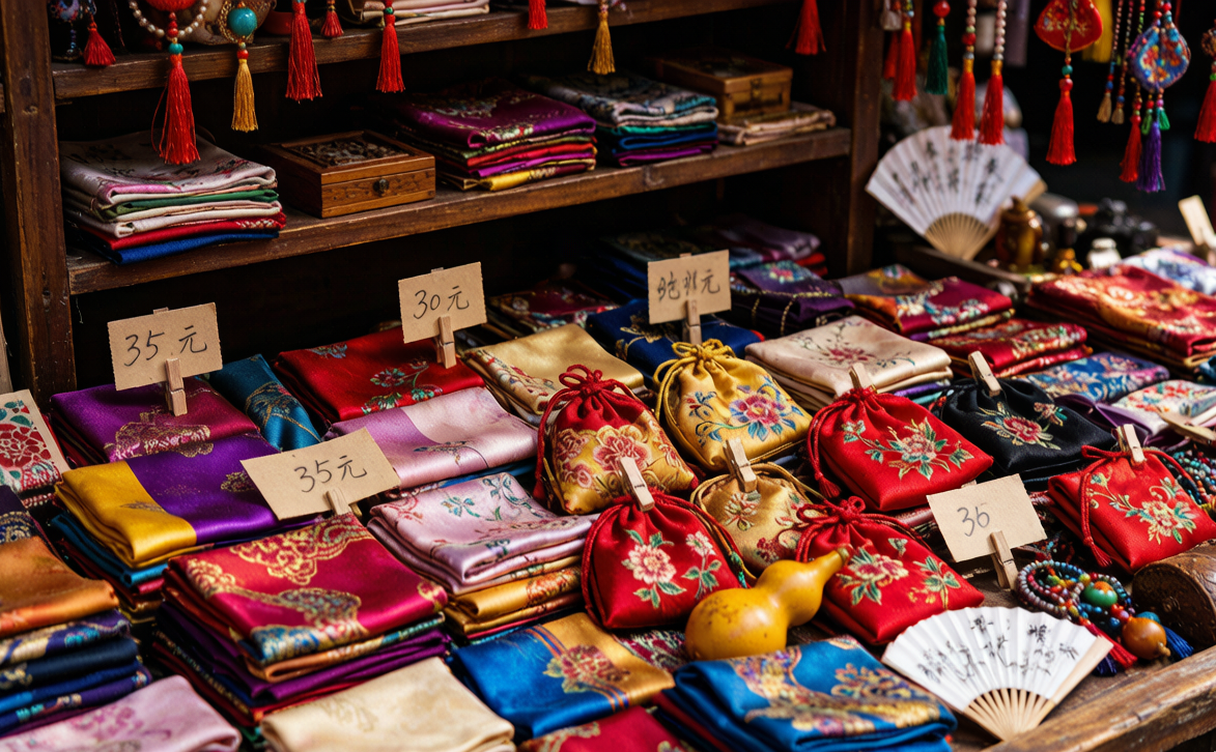
Typical Tourist Market Prices in China
Understanding tourist market prices in China prevents the worst overpayment. Small silk fans might open around 30-50 yuan and close near 10-15; a “name-brand” T-shirt quoted at 200 yuan can often land at 50-70; pearl or jade pieces vary wildly, so buy from recognised sellers if authenticity matters. Tea sold by the gram is easy to inflate, so agree on total price before weighing.
Cash still helps at markets, but mobile payment dominates. Carrying small notes lets you make a physical “this is all I have” gesture. For paying like a local, our Alipay and WeChat Pay guide for foreigners explains setup before you arrive.
Payment, Walking Away, and Knowing When to Stop
Mobile payments have changed haggling without ending it. Many sellers now quote a WeChat or Alipay number, and you can politely counter by typing a lower figure and showing the screen. If they decline, you can shrug and leave; at a dense market, another stall sells the same thing a few steps away.
The moment to stop is when the price matches what you would happily pay at home for equal quality. Chasing the absolute bottom yuan often costs more in time than it saves. Remember that the person opposite is earning a living, and a fair deal that leaves both sides smiling is the real win.
Common Beginner Mistakes
Newcomers to bargaining in China for tourists tend to overpay by accepting the first “discount” too quickly, or underpay by offering a number so low it ends the conversation. Another mistake is bargaining for one item then buying ten at that rate without re-bundling, leaving money on the table. Finally, do not bargain just for sport at a fixed-price stall; it wastes everyone’s time.
Bargaining Beyond the Big Cities
The habit extends well past Beijing and Shanghai. In Lijiang’s old town, Kashgar’s Sunday bazaar, and the craft lanes of Dali, negotiation is woven into daily commerce. Rural markets sometimes reward patience more than cash-rich tourist strips do. Wherever you are, the principles stay the same: smile, compare, counter, and walk when needed.
Bargaining for Services and Spotting Tourist Traps
The same skills apply well beyond physical goods. Custom tailoring, a private car for the day, and some guided walks all open with a high quote that responds to a friendly counter-offer. State your budget plainly, compare two or three providers, and confirm the total in writing before you agree. A tailor in a city market or a driver booked through your hotel will usually meet you partway, just like a souvenir stall would.
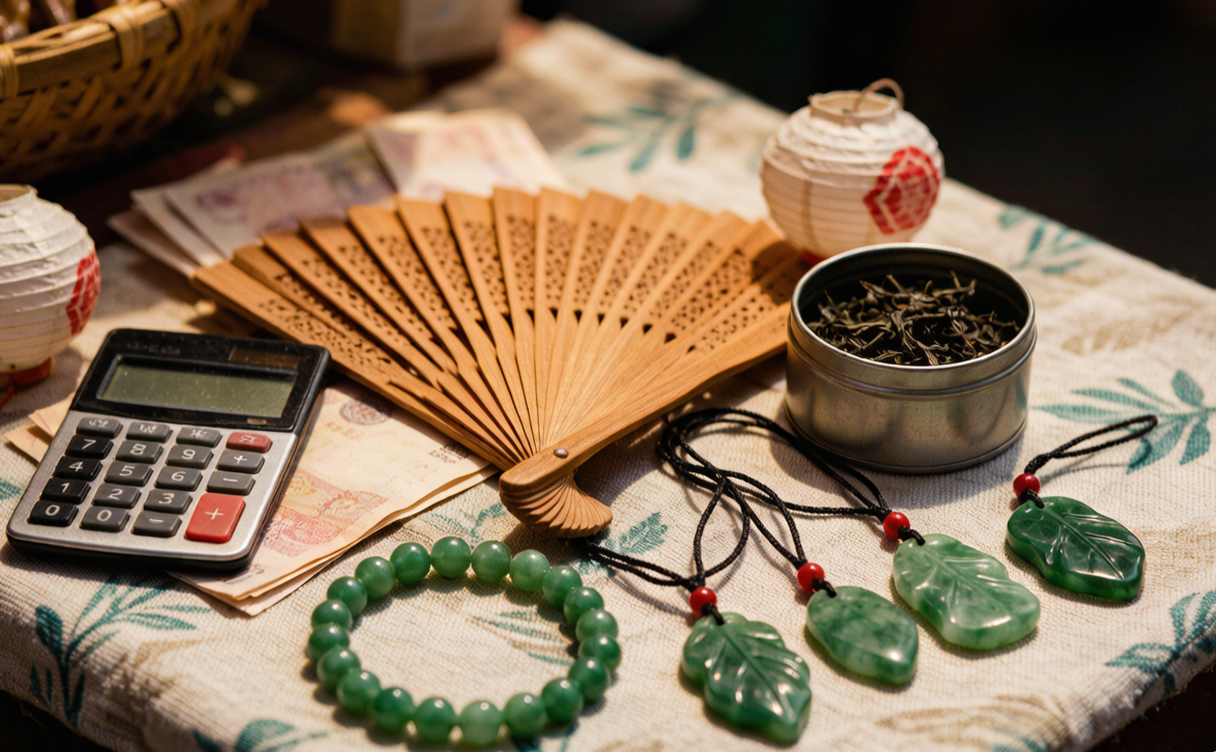
Be alert to setups that mimic bargaining but are really scams. The “free tea ceremony” that ends with a surprising bill, the friendly stranger who insists you visit their “uncle’s” jade shop, and brand bags at a tenth of retail price are not genuine negotiation; politely decline and walk away. Real markets reward patience and a smile, not pressure or guilt. When a deal feels engineered to flatter you into spending, trust that instinct and move on.
Conclusion
Bargaining in China is less a battle than a conversation, and the travelers who enjoy it most are those who treat the seller as a partner rather than an opponent. Learn the phrases, know the venues, respect the fixed-price spaces, and you will leave with better souvenirs and better stories. For official background on visiting the country and its regions, consult the China National Tourism Administration (English portal).