

In the 760s Lu Yu settled in the hills west of the city, walked the tea gardens and springs, and wrote the first book on tea. Twelve centuries later the same hills still grow prized leaves, the neighbouring bamboo forest is where Crouching Tiger, Hidden Dragon filmed its fight scene, and the old hill station above it is now the country’s densest cluster of design guesthouses. This Huzhou travel guide covers the quiet northern corner of Zhejiang — an hour from Hangzhou, an hour from Shanghai, and still mostly missed.
Content Preview
- Where Huzhou sits on the Taihu shore
- Best time to visit
- How to get there, with a fare table
- Moganshan: villas, bamboo and the guesthouse belt
- Anji’s bamboo sea and white tea
- Nanxun, the silk merchants’ water town
- Changxing tea country and Huzhou’s writing brushes
- Where to stay
- A two-day itinerary
- Food and drink
- Practical tips and FAQ
The City Named After a Lake
Huzhou (湖州) means “Lake Prefecture”, and it is the only prefecture-level city sitting directly on the southern shore of Taihu (太湖), China’s third-largest freshwater lake. The centre is unspectacular — a prosperous mid-sized Zhejiang town with a Song-dynasty pagoda, a good night market and a ring-shaped waterfront hotel locals call the Moon Hotel.
What matters is the prefecture around it: Deqing county to the southeast (Moganshan, Xiazhu Lake), Anji to the southwest (bamboo, white tea), Changxing to the northwest (tea, ginkgo), and the district containing Nanxun, one of the best-preserved water towns in the delta. The whole prefecture is about an hour across, and most visitors base in the hills rather than the city, which is usually right.
Best Time to Visit Huzhou
Late March to May. The best window. Tea picking runs from the third week of March into April, bamboo is throwing up shoots, and temperatures sit at 14–25°C. Moganshan guesthouses fill on weekends from April.
June to early July. The plum rains: persistent drizzle, low cloud in the hills, slick stone paths. Atmospheric on a tea terrace, unpleasant on a bamboo trail.
July and August. The delta bakes at 32–38°C, which is precisely why Moganshan exists — its summit at around 700 metres runs 5–8°C cooler than Hangzhou, and Shanghai’s foreign community built summer houses here from the 1890s. Also the most expensive, crowded time in the hills; book two months out.
Late September to November — the other great season. Dry, clear, 15–27°C, autumn tea, and in late November the ten-kilometre ginkgo avenue in Changxing turns completely yellow.
December to February. 3–10°C, damp, no central heating south of the Yangtze. Hill guesthouses with wood stoves are lovely; cheaper ones are not. Snow on Moganshan is a genuine event.
How to Get There
Huzhou is far better connected than it was. Huzhou Station (湖州站) sits on the Shangqiu–Hefei–Hangzhou line and, since the Shanghai–Suzhou–Huzhou line opened at the end of 2024, on a direct route to Shanghai. For Moganshan get off earlier at Moganshan Station (莫干山站); for the bamboo, use Anji Station (安吉站).
| From | Mode | Typical duration | Approx. cost |
|—|—|—|—|
| Hangzhou East → Huzhou | High-speed rail | 25–35 min | ¥40 (US$5.60) |
| Shanghai Hongqiao → Huzhou | High-speed rail | around 1 hr | ¥90 (US$13) |
| Hangzhou East → Moganshan Station | High-speed rail | around 20 min | ¥25 (US$3.50) |
| Moganshan Station → Moganshan guesthouse belt | Taxi | 40–50 min | ¥130 (US$18) |
| Huzhou → Anji Bamboo Expo Garden | Bus or taxi | around 1 hr | ¥25 bus / ¥180 taxi |
| Huzhou → Nanxun | Bus from the central station | around 50 min | ¥18 (US$2.50) |
| Huzhou → Changxing tea gardens | Car | around 1 hr | ¥400–500 per day (US$56–70) |
City buses cost ¥2 and Didi works everywhere, but the mountain road up Moganshan is a long series of switchbacks and drivers charge accordingly. Most guesthouses run paid transfers from Moganshan Station — arrange when booking, as finding a taxi at the trailhead in the evening is difficult.
Things to Do: A Huzhou Travel Guide to the Hills and the Lake
Moganshan (莫干山)
A forested ridge topping out around 700 metres, an hour southeast in Deqing county. From the 1890s, Shanghai’s foreign residents built stone summer villas on the slopes to escape the heat, and around two hundred survive among bamboo along winding lanes. Walking them on a misty morning is a strange pleasure: grey stone, mock-Tudor gables, moso bamboo forty feet high.
Entry to the summit scenic area runs around ¥80, and the main loop takes two to three hours past Sword Pond waterfall, the villa quarter and several viewpoints. What changed Moganshan is the minsu boom — hundreds of design-led guesthouses on the lower slopes since the late 2000s, now the reference point for boutique rural accommodation in China. Our Moganshan travel guide covers how to choose between them.
Anji and the bamboo sea (安吉)
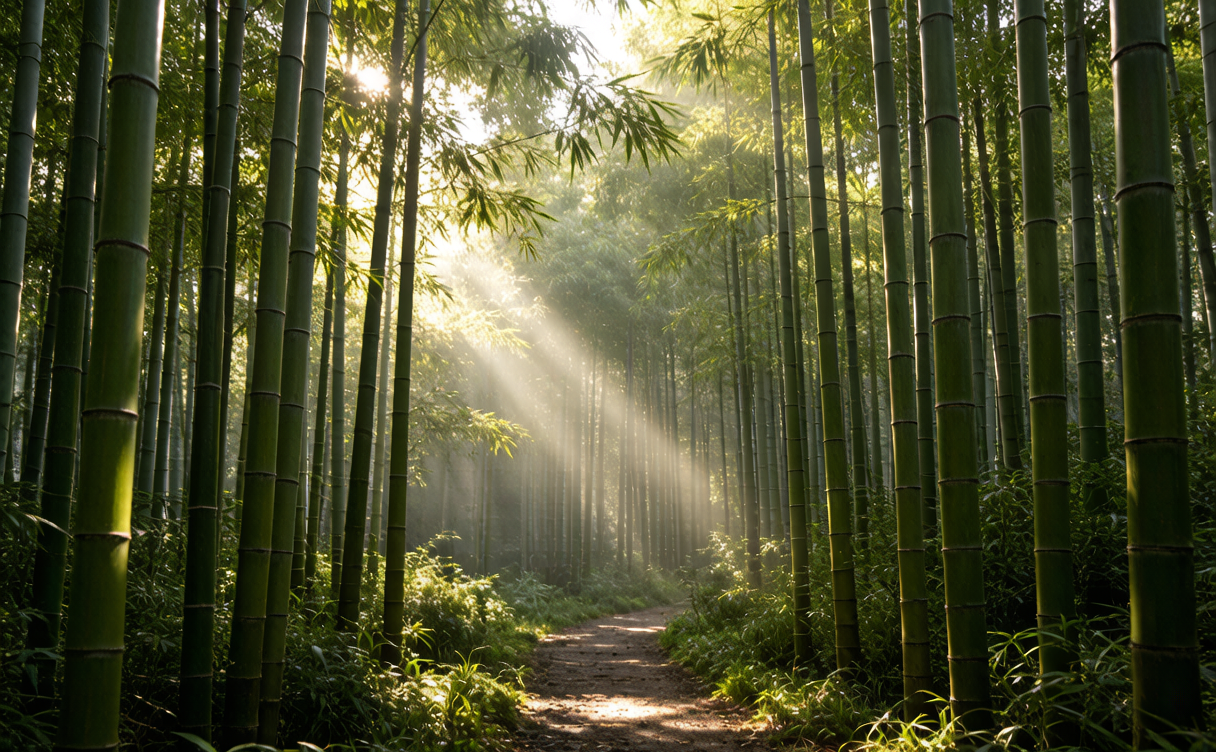
Southwest of the city, Anji county is close to eighty percent forested and most of that is moso bamboo. The China Bamboo Expo Garden (中国竹子博览园) and neighbouring Great Bamboo Sea (大竹海) are the visitable versions — boardwalks through stands so dense the light turns green. where the Crouching Tiger duel was filmed. Around ¥70–90 per park, half a day for one.
Anji is also home to Anji white tea (安吉白茶), processed as a green tea despite the name. The cultivar throws pale leaves in early spring, sweet and low in bitterness; picking runs late March to mid-April.
Nanxun Ancient Town (南浔)
East of the city, Nanxun is the water town for people who find Wuzhen too polished. In the nineteenth century its silk merchants were among China’s richest, and built hybrid mansions — Chinese courtyards with French windows, red-brick European ballrooms behind whitewashed walls. Xiaolianzhuang garden and the Jiaye Library are the highlights; the town is quieter than its famous neighbours. Around ¥100 and worth a full afternoon; our Nanxun water town guide goes house by house.
Changxing and the city itself
In Changxing county, Guzhu (顾渚) produced Zisun, one of the earliest imperial tribute teas, supplied to the Tang court from the eighth century — Lu Yu’s connection to these hills is why Huzhou calls itself the birthplace of tea culture, and his classic text is well summarised in Wikipedia’s entry on Lu Yu. The nearby Ten-Mile Ginkgo Corridor (十里银杏长廊) is spectacular for about two weeks in late November.
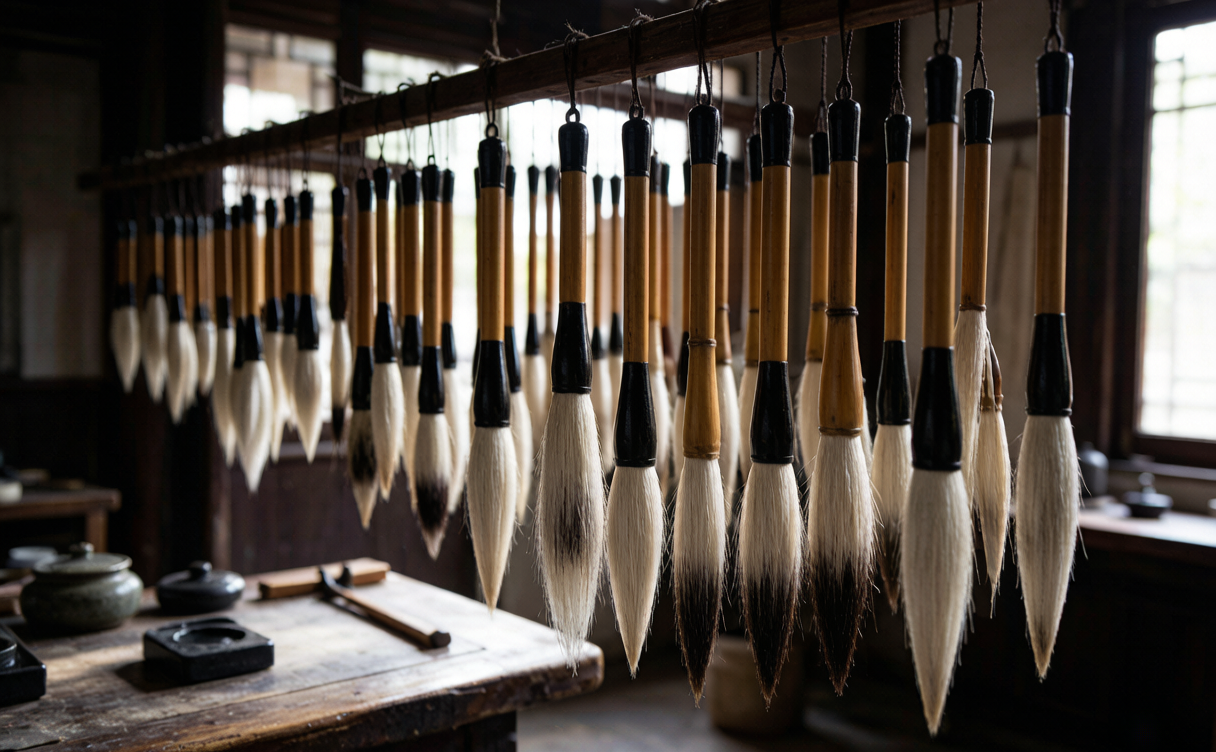
Downtown deserves an evening: Feiying Pagoda (飞英塔) is an unusual Song structure — a stone pagoda inside a larger wooden one — the Taihu promenade is long and pleasant, and the night markets cheap and good. Huzhou is also the historic home of the Huzhou writing brush (湖笔), one of the “four treasures of the study”, still made by hand in Shanlian town where workshops sell brushes from ¥30 upwards.
Where to Stay
Budget — ¥130–260 (US$18–37). Chain hotels near Huzhou Station, plus farmhouse nongjiale rooms around Anji and Guzhu at ¥150–200 including two meals.
Mid-range — ¥400–800 (US$56–112). The lower Moganshan slopes and Deqing county — the sweet spot: converted farmhouses with valley views, wood stoves and decent breakfasts.
Splurge — ¥1,200–3,500 (US$168–490). Moganshan’s flagship design guesthouses, including villa properties with pools built into the bamboo, plus the lakefront hotels on Taihu. A Tuesday night can cost half of a Saturday.
Two notes: many rural minsu cannot register foreign passports, so confirm before paying, and almost none are walkable to anything. Assume you will need transfers.
Sample Itinerary: Two Days
Day 1 — Moganshan
- 09:00 train from Hangzhou East to Moganshan Station, transfer up the hill
- 11:00 check in, then the villa lanes and Sword Pond
- 14:00 the summit loop and viewpoints
- 17:00 tea on a terrace above the bamboo
- 19:00 dinner at the guesthouse — most serve set family-style meals
Day 2 — bamboo or water
- Option A: 08:30 to Anji; Bamboo Expo Garden and a farmhouse lunch, back by 16:00
- Option B: 08:30 to Nanxun; the merchant houses, the library, lunch on the canal
- 17:30 train back to Hangzhou or on to Shanghai
Three days lets you do both, and a fourth buys the Changxing tea hills.
Food and Local Specialties
Northern Zhejiang cooking is freshwater-focused, lightly sweet and heavy on preserved and pickled things — plus a lot of bamboo.
- Taihu “three whites” (太湖三白). Whitebait, white shrimp and whitefish from the lake, cooked as plainly as possible. Best in late spring.
- Bamboo shoots. Winter shoots braised in soy and sugar, spring shoots stir-fried with pickled greens and pork. In Anji they appear in every dish on the table.
- Sauce-braised lamb (酱羊肉). Huzhou eats a surprising amount of lamb for a southern city, slow-braised in soy and rock sugar. A winter dish.
- Qianzhang baozi (千张包子). Pressed tofu skin wrapped around pork and dried shrimp, served in clear soup with vermicelli. The classic local breakfast, around ¥12.
- Anji white tea and Guzhu Zisun. Buy loose from a shop that lets you taste first. Spring-picked Anji white runs from about ¥300 per 500g for everyday grade to well over ¥2,000 for the earliest picking.
Practical Tips
- Payment. Alipay and WeChat Pay accept foreign Visa and Mastercard and cover buses, guesthouses and tea shops. Carry ¥300–500 cash for rural farmhouses and roadside tea sellers.
- Reservations. Moganshan guesthouses sell out for weekends and all of July and August, sometimes months ahead. Scenic areas increasingly want a free WeChat mini-program booking; ask your accommodation to handle it.
- Getting around the hills. No useful public transport links Moganshan, Anji and Nanxun. Either hire a car with driver for ¥400–600 a day or plan one area per day.
- Walking surfaces. Moganshan’s paths are stone, steep and slippery when wet, which is often. Proper shoes, not sandals.
- English. Very limited outside the higher-end guesthouses, several used to international guests and happy to help with taxis and bookings. Elsewhere, offline translation and Chinese-character addresses.
- Buying tea. Tourists get quoted high. Taste first, ask for the picking date, buy vacuum-sealed. A reputable shop will brew several grades side by side without pressure.
- Mosquitoes. Bamboo plus summer humidity. Repellent from March to October.
FAQ
Is Huzhou worth visiting?
Yes, if you want the countryside side of the Yangtze delta rather than another old town. Moganshan is the best rural-hotel destination in eastern China, Anji’s bamboo is genuinely impressive, and Nanxun the least crowded good water town. Skip the city centre if pressed.
How many days should I spend?
Two nights minimum, as Moganshan is only worth it if you sleep there. Three or four covers Moganshan, Anji and Nanxun comfortably.
How do I get to Huzhou from Hangzhou?
High-speed trains from Hangzhou East reach Huzhou Station in about half an hour for roughly ¥40, running frequently. For Moganshan, get off at Moganshan Station after about twenty minutes and take a taxi or guesthouse transfer up the hill.
Do I need to book Moganshan accommodation in advance?
Yes. Weekend and summer rooms go early and prices climb sharply; midweek in spring or autumn you can often book days out and pay half.
Can I visit a tea plantation and pick tea?
During the season (roughly late March to mid-April), estates in Anji and Changxing let visitors join the harvest and watch pan-firing. Outside it you can tour and taste but nothing to pick. Summer is the other draw: the hills run cooler than Hangzhou or Shanghai, though the lakeshore is as humid as anywhere in the delta.
Written by Karl · Updated August 6, 2026