

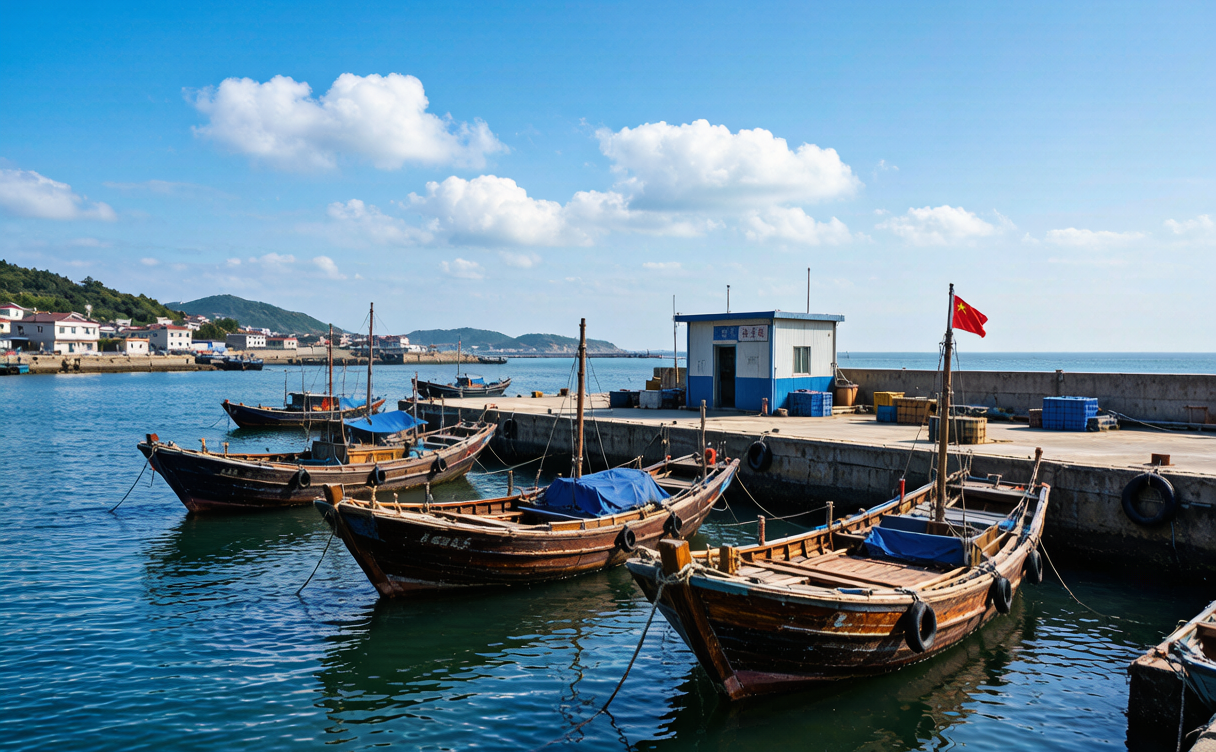
The 6pm auction at Shenjiamen is the loudest room in Zhejiang. Crates of hairtail come off the boats still stiff with cold, buyers shout numbers nobody outside the trade understands, and an hour later the same fish is on a charcoal grill along the waterfront while the trawler fleet lights up behind it. Zhoushan is 1,390 islands scattered off the mouth of the Hangzhou Bay — China’s biggest fishing ground, its most visited Buddhist mountain, and a set of beaches that Shanghai reaches in three hours and most foreign visitors have never heard of. This Zhoushan travel guide covers which islands are worth your time, how to get to them without wasting a day on the wrong ferry, and when the typhoons make the whole plan collapse.
Zhoushan Travel Guide: Which Islands to Choose
Only about sixty of the islands are inhabited, and you realistically pick two or three.
Putuoshan (普陀山) is the reason most people come: a 12.5 sq km island that has been a Buddhist pilgrimage site since the 9th century, with three major monasteries, a 33m bronze Guanyin statue on the southern headland, and pine paths that smell of incense from the moment you step off the ferry. Island entrance ¥140 (US$20) in peak season, ¥120 off-peak; each temple charges a further ¥5–10. Puji Temple opens at 05:30, and going in before 07:00 — before the tour flags — is the difference between a religious site and a turnstile.
Zhujiajian (朱家尖) is the beach island next door, connected to the mainland-linked road network, so no ferry needed. Nansha and Dongsha are wide, clean and packed in August; Baishan headland has the better walking.
Taohua Island (桃花岛) — Peach Blossom Island — is famous across China as the home of a clan in Jin Yong’s martial-arts novels, which means film sets, but also the archipelago’s highest peak and quiet coves. Ferry from Shenjiamen, 30 minutes.
Dongji Islands (东极岛), two and a half hours out, are the easternmost inhabited point of Zhejiang: stone houses stacked above tiny harbours on Miaozihu and Dongfushan, no cars worth mentioning, sunrise straight out of the Pacific.
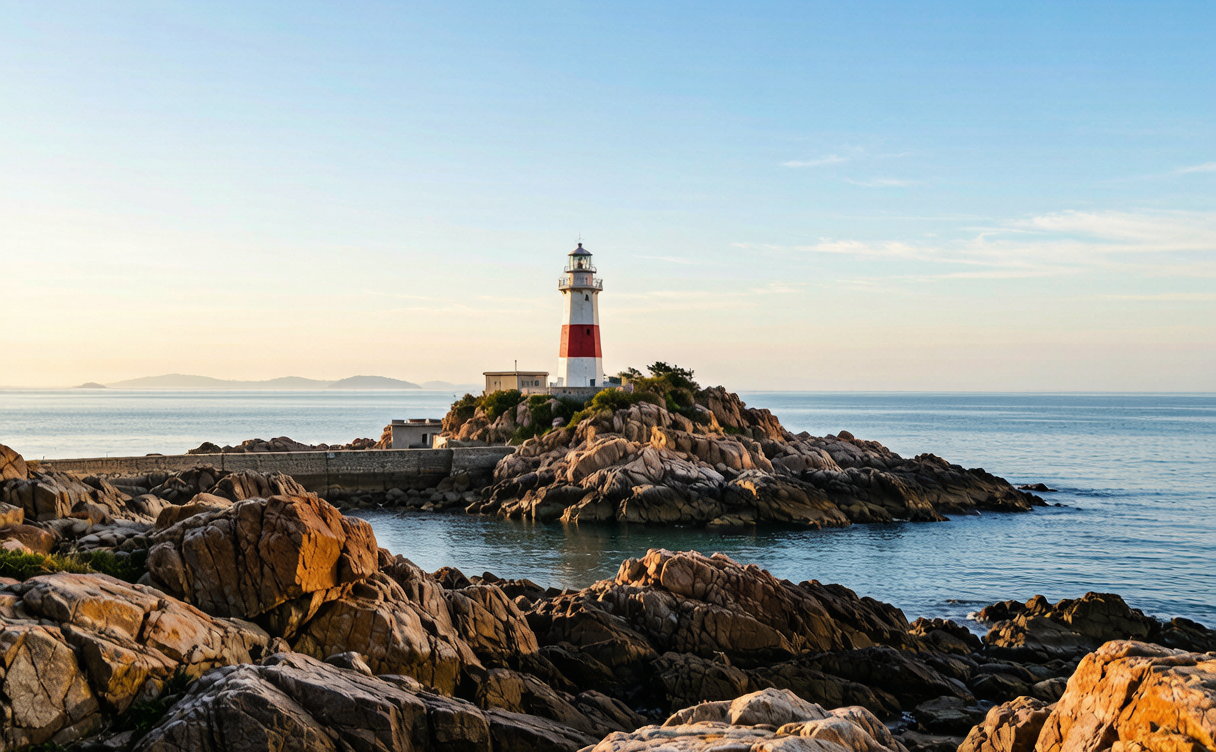
Shengsi (嵊泗), administratively part of Zhoushan and reached most easily from Shanghai, holds the two islands people actually dream about — Huaniao with its 1870 British-built lighthouse, and Houtouwan on Shengshan, an abandoned fishing village that vines have swallowed whole (¥30 / US$4 for the viewing path).
Best Time to Visit
May and June are the sweet spot: 20–27°C, sea breeze, hydrangeas on Putuoshan, and the water warm enough to swim by late June. The East China Sea fishing moratorium starts 1 May, so seafood shifts to farmed and frozen — locals will tell you the good stuff comes back on 16 September.
July and August hit 28–34°C and the beaches on Zhujiajian fill with Shanghai and Hangzhou families. This is also typhoon season. When a typhoon is tracked anywhere near the Zhejiang coast, every ferry stops, often for two or three days, and you will be stuck on an island with a lot of other people trying to leave. Build slack into any August itinerary and watch the forecast daily.
Mid-September to early November is the best of the year: 18–26°C, dry, low humidity, the fishing fleet back at sea, and crab at its fattest. Skip 1–7 October.
December to March drops to 5–12°C with hard northerly wind. Putuoshan is atmospheric and nearly empty; the small-island ferries cancel often. Compare it against the rest of the country in our best time to visit China guide.
How to Get There
Zhoushan’s main urban district, Dinghai, and the fishing port of Shenjiamen are connected to Ningbo by a chain of cross-sea bridges, so buses run all day. Putuoshan Airport (HSN) sits on Zhujiajian. The Ningbo–Zhoushan railway is still under construction, so there is no train to the islands yet.
| From | Mode | Duration | Fare |
|—|—|—|—|
| Ningbo Lishe airport (NGB) | Direct coach to Shenjiamen | 2h | ¥68 (US$10) |
| Hangzhou East | Coach to Zhoushan Dinghai | 3h 30m | ¥130 (US$18) |
| Shanghai Shenjiawan (Luchaogang) | Fast ferry to Putuoshan | 2h | ¥288 (US$40) |
| Shanghai Hongqiao | HSR to Ningbo + coach | 3h 15m | ¥190 (US$27) |
| Zhujiajian Wugongzhi dock | Ferry to Putuoshan | 12m | ¥28 (US$4) |
| Shenjiamen Banshengdong dock | Ferry to Putuoshan | 20m | ¥32 (US$5) |
| Shenjiamen | Ferry to Dongji Islands | 2h 30m | ¥130 (US$18) |
| Shanghai Nanpu / Ningbo | Ferry to Shengsi Sijiao | 2h 30m | ¥180–230 (US$25–32) |
Buy island ferry tickets in advance through the WeChat mini-programs run by each dock; in July and August the Dongji and Shengsi boats sell out days ahead. Bring your passport — you need it for every ferry booking.
Where to Stay
Budget. Guesthouses in Shenjiamen and Dinghai run ¥150–260 (US$21–37) and put you next to the seafood market — my default if I am island-hopping rather than temple-visiting. On Zhujiajian, family rooms a few blocks back from Nansha beach go for ¥200–350 outside July and August.
Mid-range. Staying on Putuoshan is the single best decision in this guide, because the island empties at 5pm when the day-trippers ferry out. Monastery-run guesthouses and small hotels near Puji Temple charge ¥400–800 (US$56–113), doubling on weekends and during Guanyin festivals (the 19th day of the 2nd, 6th and 9th lunar months — check before you book, those weekends are chaos).
Splurge. Resorts on Zhujiajian’s Dongsha bay and the Banshan hotels above Putuoshan’s Qianbu Sha beach run ¥1,100–2,400 (US$155–338), most with sea-facing balconies. On Huaniao Island in Shengsi, boutique cliff minsu near the lighthouse ask ¥900–1,600 and are booked out every summer weekend by mid-May.
What to Eat
Zhoushan lands more fish than any other port in China, and the cooking is deliberately plain — steamed, salted, or thrown on charcoal.
- Steamed hairtail (清蒸带鱼) — the local fish, silver-skinned, sweet, cooked with nothing but ginger and rice wine. ¥60–90 (US$8–13).
- Swimming crab (梭子蟹, suōzi xiè) — best October to December, steamed whole. Also served qiangxie (呛蟹), raw and cured in salt brine: delicious, and a genuine food-safety gamble. I eat it; I would not order it for a nervous stomach.
- Yellow croaker (黄鱼) — wild ones cost hundreds; farmed is ¥80 and fine.
- Fish-noodle soup (鱼糍面) — noodles made from pounded fish paste, the local comfort food.
- Vegetarian temple lunch on Putuoshan — ¥15–30 at the monastery refectories, served 11:00–12:30 sharp. Simple, excellent and unexpectedly filling.
Eat at the Shenjiamen night market on Bandao Road: pick your fish from the tank, agree the price per jin before it is cooked, and expect ¥120–180 (US$17–25) a head.
Sample Itinerary: Three Days
Day 1 — Arrive and Shenjiamen. Coach from Ningbo airport, drop bags by 14:00. Walk the fish market when the boats come in around 16:00, then the waterfront grills. Overnight Shenjiamen.
Day 2 — Putuoshan. 07:00 ferry from Banshengdong. Puji Temple first, then bus 1 to Fayu Temple and the 1,088 steps up to Huiji Temple on Foding Mountain (about 50 minutes climbing, or ¥40 for the cable car one way). Afternoon: the Nanhai Guanyin statue and Bugenqu bay. Vegetarian dinner, sunrise plans, overnight on the island.
Day 3 — Beach or far islands. Either ferry to Zhujiajian for Nansha beach and a 15:00 departure, or commit to the 07:30 boat to Dongji and stay a second night out there. Do not attempt Dongji as a day trip; the return timings do not work.
Practical Tips
Passport required at every ferry gate and hotel. Putuoshan bans smoking, drones and — inside temple halls — photography; it is a working pilgrimage site, so keep shoulders covered and step over thresholds rather than on them. Sea fog can ground the small boats even in clear weather; if the outer-island ferry is cancelled you get a refund, not a hotel. Cash is worth carrying on Dongji and Huaniao where signal is patchy. And if you want to understand the geography before you go, the Encyclopaedia Britannica entry on the Zhoushan Archipelago lays out how these 1,390 islands formed.
FAQ
How many days do I need in Zhoushan?
Two nights minimum: one for Putuoshan, one for the port or a beach. Four to five if you want Dongji or Shengsi, because each outer island costs you the better part of a travel day in each direction.
Is Putuoshan worth ¥140 just to set foot on the island?
Yes, if you stay overnight. As a rushed day trip in August, competing with coach groups for the same three temples, less so. The island at 6am is the whole point.
Can I swim, and are the beaches clean?
Yes, from late June to mid-September. Zhujiajian’s Nansha and Dongsha are patrolled and reasonably clean; the water is East China Sea silty rather than tropical blue, so adjust expectations. Shengsi’s beaches are clearer.
What happens if a typhoon hits?
All ferries stop, usually 24–48 hours before landfall, and resume when the warning drops. Hotels generally waive change fees. Never book a same-day international connection out of Shanghai off the back of an island ferry in August.
Do I need Chinese to travel here?
Some. Putuoshan has English signage and a few English-speaking hotel staff; Shenjiamen and the outer islands have essentially none. A translation app and screenshots of your ferry bookings handle almost everything.