

At 3,850 meters above sea level, Shigatse is the second-largest city in Tibet, China, and the traditional seat of the Panchen Lama lineage. Most travelers pass through on the overland route between Lhasa and Everest Base Camp, but the city rewards anyone who stays a night or two: the sprawling Tashilhunpo Monastery, a lively old town where pilgrims spin prayer wheels at dawn, and some of the widest, most cinematic plateau scenery in western China. This Shigatse travel guide covers permits, transport, acclimatization, and the experiences worth building your Tibet itinerary around.
One thing to understand up front: foreign visitors cannot travel independently in Tibet. You need a Tibet Travel Permit arranged through a licensed travel agency, and you must travel with a registered guide and, for trips beyond Lhasa, a private vehicle and driver. Agencies typically need 10–20 days to process paperwork, so book well ahead. Shigatse specifically also requires an Alien’s Travel Permit, which your agency obtains along the way — usually a quick stop in the city itself.
Best Time to Visit Shigatse
The best time to visit Shigatse is April to early June and September to October. Spring brings clear skies and thin crowds; autumn offers the most reliable views of the Himalaya, including Mount Everest from the passes south of the city. July and August are warmer but coincide with the plateau’s brief rainy season — showers usually fall at night, but clouds can hide the big peaks.
Winter (November–February) is cold, with daytime temperatures around freezing, yet it is far from unpleasant: skies are dazzlingly clear, hotel prices drop, and monasteries fill with pilgrims rather than tourists. Note that Tibet occasionally closes to foreign travelers around late February and March; your agency will confirm current rules. For a broader seasonal overview, see our guide to the best months to travel in China.
How to Get There
All routes to Shigatse begin in Lhasa, since international visitors must enter Tibet through an organized tour. Most people fly or take the high-altitude train to Lhasa, spend two or three nights acclimatizing, then continue west.
| Route | Option | Time | Approx. Cost |
|—|—|—|—|
| Lhasa → Shigatse | Train (Z8801/8803) | ~3 hours | RMB 40–90 (USD 6–13) |
| Lhasa → Shigatse | Private vehicle via Yamdrok Lake | 7–9 hours with stops | included in tour price |
| Lhasa → Shigatse | Direct drive on G318/S307 | ~4.5 hours | included in tour price |
| Beijing/Chengdu → Lhasa | Flight | 4 / 2.5 hours | USD 150–400 |
| Xining → Lhasa | Qinghai–Tibet Railway | ~21 hours | RMB 224–781 (USD 31–108) |
The train from Lhasa is comfortable and scenic, but most tours use the road via Yamdrok Lake and the Karola Glacier because the detour is one of the most beautiful drives in China. If you are combining Tibet with mainland rail travel, our high-speed train guide for foreign travelers explains ticket booking with a passport.
What to See: Things to Do in Shigatse
Tashilhunpo Monastery
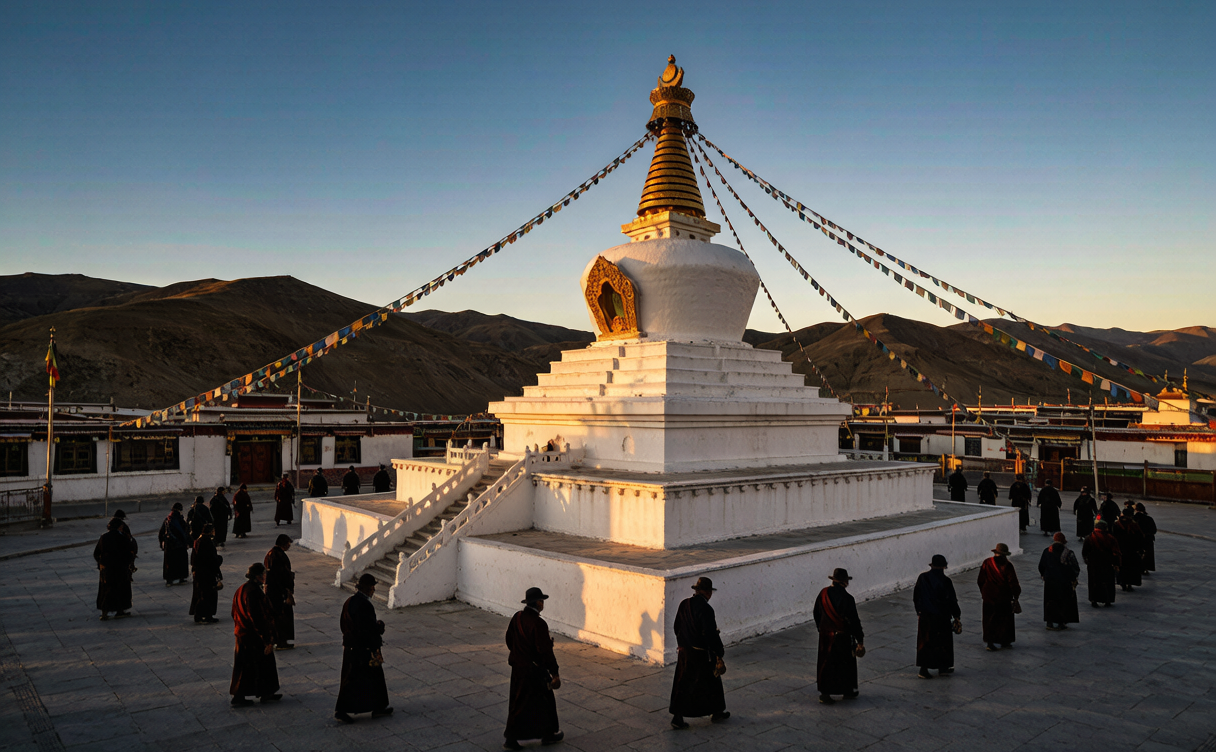
Founded in 1447, Tashilhunpo is the city’s centerpiece and one of the most important monasteries in Tibet. Its golden roofs climb a hillside on the western edge of town, sheltering chapels, courtyards, and the 26-meter Future Buddha statue — among the largest gilded statues in the world. Allow at least half a day. The kora (pilgrim circuit) around the outer walls takes about an hour and delivers the best rooftop views; walk it clockwise alongside locals spinning hand-held prayer wheels. Entry costs around RMB 100, and the complex typically opens around 9am for visitors.
The Old Town and Shigatse Dzong
North of the monastery, the reconstructed Shigatse Dzong resembles a small Potala Palace and photographs beautifully at sunset. The surrounding lanes hold a traditional market where farmers sell yak butter, dried cheese, and turquoise jewelry — a good place to feel everyday plateau life at your own pace.
Day Trips and Side Trips
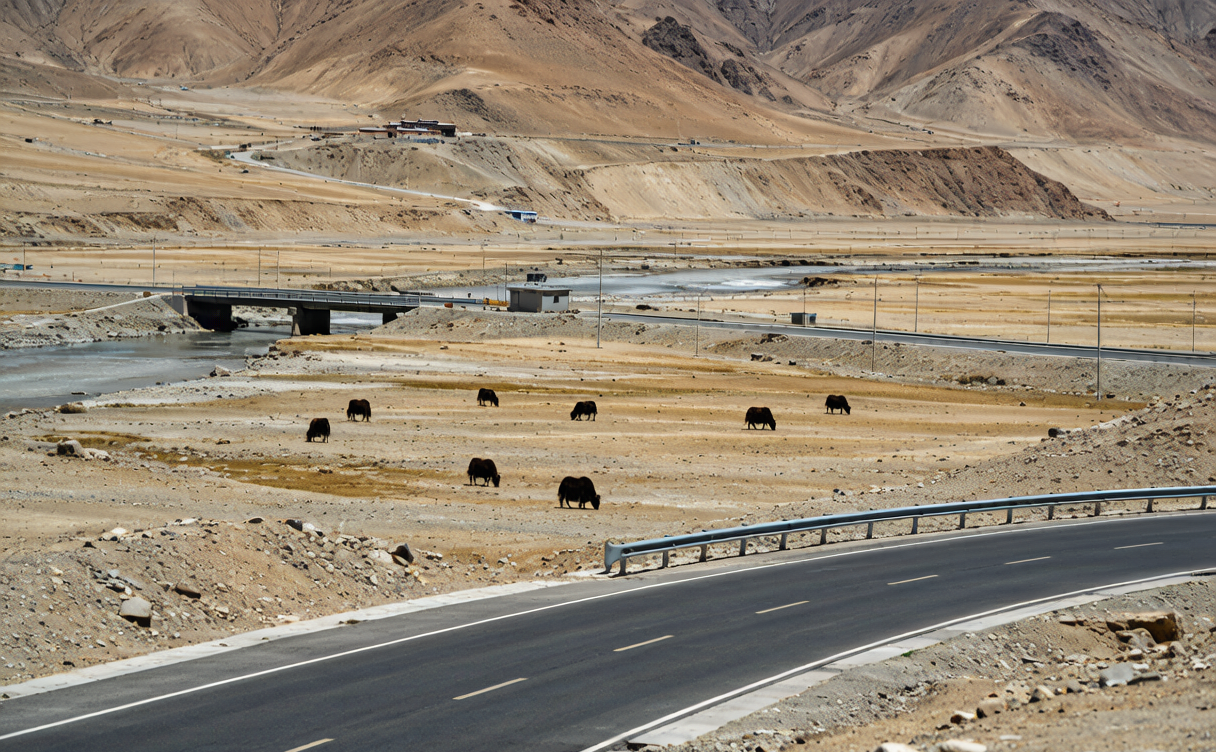
Shigatse is the launchpad for the drive to Everest Base Camp (Qomolangma Base Camp on the Chinese side), about 7 hours away via the Gawula Pass, where five 8,000-meter peaks line the horizon on a clear day. Closer to town, Sakya Monastery (2.5 hours) is a fortress-like complex with a legendary library, and the Karola Glacier and Yamdrok Lake sit along the southern friendship-highway route back to Lhasa. If remote landscapes are your thing, browse our off-the-beaten-path China guide for more high-plateau ideas.
Where to Stay
Shigatse has the best hotel selection in Tibet outside Lhasa. The Gesar Hotel and Tashi Chota Hotel are the standard tour-group picks, with oxygen supply in rooms, reliable heating, and doubles around RMB 400–700 (USD 55–95). Mid-range Tibetan-style guesthouses near the old town run RMB 200–350 and offer more character, though hot water can be intermittent. If you are heading toward Everest, note that base-camp-area lodging is basic dormitory tents or the simple guesthouse at Rongbuk — enjoy the comfortable bed in Shigatse while you have one.
What to Eat
Tibetan staples dominate: momos (dumplings filled with yak meat or potato), thukpa (noodle soup), butter tea, and sweet milk tea served by the thermos. Yak steak appears on menus at hotel restaurants. Shigatse also has solid Sichuan restaurants — spicy, cheap, and popular with drivers — plus a handful of Nepali-Indian kitchens serving dal bhat, a legacy of trade over the Himalaya. A filling local meal costs RMB 30–60. Drink more water than feels natural and go easy on alcohol; both help with altitude.
Sample Itinerary: 2 Days in Shigatse
Day 1: Arrive from Lhasa via Yamdrok Lake and the Karola Glacier. Check in, rest, and take a gentle evening stroll through the old-town market. Keep the first night easy — you have gained altitude.
Day 2: Tashilhunpo Monastery in the morning while chapels are active, then the kora circuit before lunch. Afternoon at Shigatse Dzong viewpoint and the free museum area, or drive out to Sakya Monastery if energy allows. Overnight again in Shigatse before continuing to Everest Base Camp or looping back to Lhasa.
With 3 days, add the full EBC excursion, overnighting near Rongbuk Monastery.
Practical Tips
- Altitude: Shigatse sits at 3,850m — higher than Lhasa. Acclimatize in Lhasa for 2–3 nights first, ascend gradually, and tell your guide immediately about headaches, nausea, or breathlessness. Portable oxygen is sold in pharmacies and provided in most tour vehicles.
- Permits: Carry your passport, Tibet Travel Permit, and Alien’s Travel Permit at all times; there are checkpoints along the highways. Your guide handles the formalities.
- Money: Cash and mobile payment are both used. ATMs at Bank of China accept foreign cards, but bring backup cash for small towns beyond Shigatse.
- Connectivity: 4G/5G coverage is surprisingly good along main roads; download offline maps anyway.
- Health and safety: Roads are well paved but high passes can see snow even in May. Read our China travel safety tips before any high-altitude trip.
- Respect: Dress modestly in monasteries, walk clockwise, and always ask before photographing monks or pilgrims. Photography inside chapels usually requires a fee.
For background on the region’s heritage, the UNESCO World Heritage listing for the Potala Palace ensemble is a useful primer on Tibetan monastic architecture you’ll see echoed at Tashilhunpo.
FAQ
Do I need a special permit for Shigatse?
Yes. All foreign travelers in Tibet, China need a Tibet Travel Permit issued through a licensed agency, plus an Alien’s Travel Permit for Shigatse and points west. You must travel with a guide; independent travel is not permitted.
How do I get to Shigatse from Lhasa?
The train takes about 3 hours, or your tour vehicle drives either the direct highway (4.5 hours) or the spectacular Yamdrok Lake route (a full day with photo stops). Most Shigatse travel guide itineraries drive one way and consider the train for the return.
Is altitude sickness a serious risk?
It can be. Spend 2–3 nights in Lhasa first, ascend slowly, hydrate, and avoid alcohol for the first days. Most visitors adjust fine with sensible pacing.
Can families visit Shigatse?
Yes — the drive-based itinerary suits kids better than trekking trips, though the altitude demands extra caution with young children. Our China family travel guide covers pacing and health prep.
How many days should I spend?
Two nights covers the monastery and old town comfortably; add two more for the Everest Base Camp round trip.
Is Everest Base Camp doable as a side trip?
Yes. From Shigatse it is a long day’s drive each way, with an overnight near Rongbuk. April–May and September–October offer the clearest mountain views.
Written by Karl Huang, updated July 2026.