

Deep in the mountainous interior of Hubei Province lies a sprawling wilderness that feels worlds away from China’s megacities. This Shennongjia travel guide is for travelers who crave pristine forest, rare wildlife, and cool mountain air. A Shennongjia national park protects one of the last large primary forests in central China, and it is best known as the home of the endangered golden snub-nosed monkeys China works hard to conserve.
Why Visit Shennongjia
The Shennongjia travel guide story begins with biodiversity. The region spans subtropical to temperate zones, hosting more than 3,000 plant species and a rich cast of animals, including takin, clouded leopards, and the charismatic golden monkeys. It is also wrapped in legend: locals say the mythical Yan Emperor Shennong (the “Divine Farmer”) climbed here to taste hundreds of herbs, giving the mountain its name.
For travelers based in Hubei, Shennongjia pairs naturally with a Yangtze cruise or a visit to nearby mountain shrines. Our Yichang travel guide covers the gateway city where many Yangtze cruises begin, and the Enshi travel guide reveals the karst canyons of southwestern Hubei.
How to Get to Shennongjia
Understanding how to get to Shennongjia helps you choose the right gateway. The area is remote, but improving transport makes it reachable.
- By air: Shennongjia Hongping Airport connects to major hubs seasonally; flights are limited, so check schedules early.
- By train + bus: Take a high-speed train to Yichang or Wuhan, then a long-distance bus into the forest area (4 to 6 hours).
- By car: Driving from Yichang or Enshi is scenic but involves mountain switchbacks; not recommended for nervous drivers.
Best Time to Visit Shennongjia
The best time to visit Shennongjia is late spring through autumn (May to October). Spring brings wildflowers and active wildlife; summer is cool and popular as a heat escape; autumn paints the forests red and gold. Winter is cold and snowy, with some roads closed, but it offers serene, crowd-free scenery for the well prepared.
If you are linking this with a river journey, our Yangtze River cruise guide explains how to add a cruise before or after your mountain stay.
Shennongjia National Park and the Golden Monkeys
The star residents are the golden snub-nosed monkeys China protects in a dedicated research and viewing base near the Jinqiu Valley. These blue-faced primates live in troops and are surprisingly tolerant of observers at the feeding station, giving visitors a rare, close look at a species found almost nowhere else on earth.
The Shennongjia national park also protects ancient firs, alpine meadows, and the misty ridges of Shennongding, the area’s highest peak at about 3,100 meters. Boardwalks and viewing platforms let you explore without damaging the fragile ecosystem.
Shennongjia Hiking and Shennongding Peak
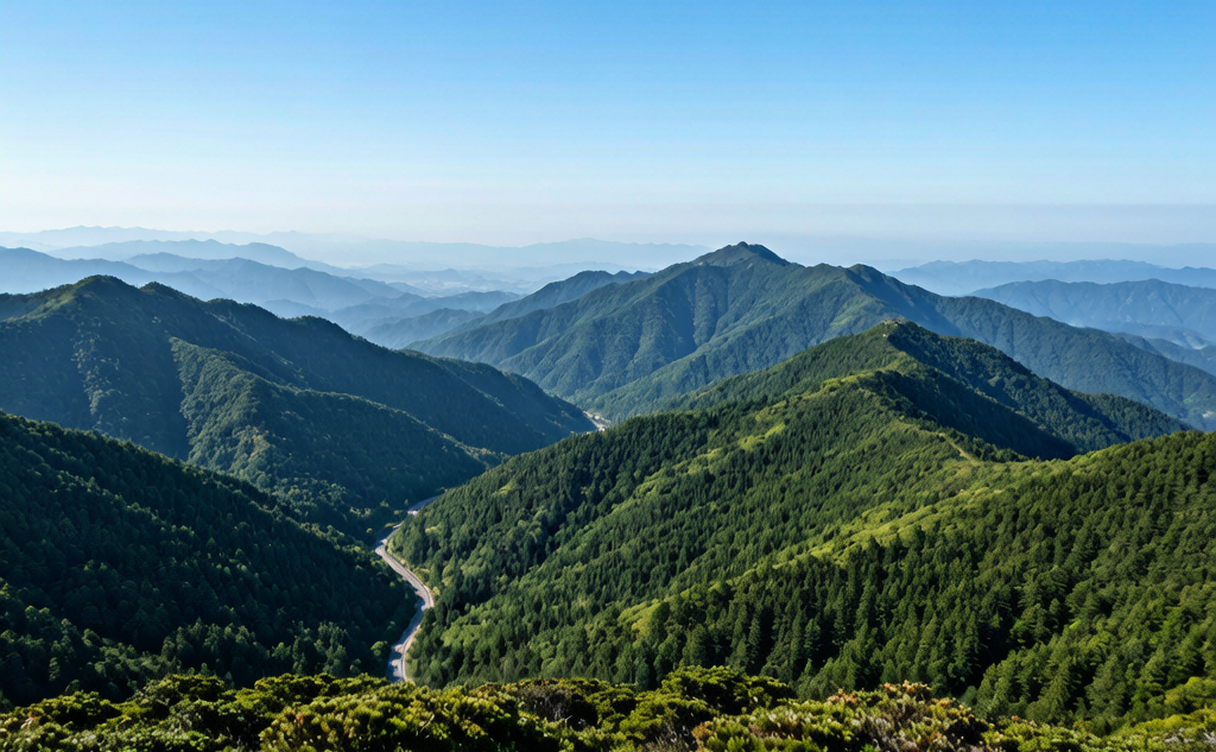
Shennongjia hiking ranges from short boardwalk loops to serious ridge walks. The highlight is Shennongding peak, reachable by shuttle then a final stair climb to a viewpoint above the cloud line. On clear days you can see rolling green summits in every direction; more often, a sea of clouds spills over the ridges.
Our China hiking treks guide has altitude and weather tips useful here, and the China off-the-beaten-path guide lists other remote reserves worth the effort.
Hubei Nature Reserves and Nearby Culture
Shennongjia is the centerpiece of Hubei nature reserves, but the province offers more. The Wudang Mountain Hubei guide covers the Taoist sacred range with its cliff temples and martial-arts heritage, a natural complement to Shennongjia’s wild beauty.
Sample Three-Day Itinerary
Day 1: Arrive via Yichang, drive into the park, overnight near Muqiao.
Day 2: Morning at the golden monkey base, afternoon hike toward Shennongding, sunset cloud viewing.
Day 3: Explore Dajiuhu wetland and alpine lakes, then depart.
Tickets and Practical Costs
| Item | Typical Price (RMB) | Notes |
|——|——————–|——-|
| Park through-ticket | ~269 | Multi-day valid |
| Shuttle bus | ~90 | Inside park, essential |
| Monkey base | Included | With main ticket |
| Local guesthouse | 200–500 | Per night |
Bring layers even in summer; temperatures drop sharply at altitude. Mobile coverage is spotty in deep valleys, so download maps in advance.
A UNESCO World Heritage Landscape
Getting Around Inside the Park
Shennongjia is large and spread out, so the internal shuttle bus system is not optional — private cars are restricted in core zones. Buy the combined ticket plus shuttle pass, then hop between the main stops: the golden monkey base, Shennongding, the Dajiuhu wetland, and the Tianyan (Heavenly Gate) viewing area. Buses run on a schedule rather than on demand, so ask your hotel or the visitor center for the day’s timetable and build buffer time into transfers.
Where to Stay
Most visitors base themselves in one of three spots. Muqiao (Muyu) town sits at the southern gate and has the most hotels, restaurants, and tour services. Pingqian town is closer to the northern entrances and the monkey base. Inside the park, a few wooden lodges and eco-cabins offer immersive forest stays but book out months ahead in peak season. Wherever you stay, expect cool nights even in summer, so choose lodging with heating.
Local Food and Hubei Flavors
Hubei cuisine is hearty and emphasizes freshwater fish, smoked and cured meats, and foraged vegetables. In Shennongjia try the local cured pork belly braised with wild mushrooms, cold-stream trout from the mountain rivers, and dishes built around fiddlehead ferns and bamboo shoots. The “Shennong health” theme is everywhere — you will see herbal teas and mushroom soups promoted as energizing. Vegetarian travelers can order stir-fried greens and tofu; confirm no pork stock is used if needed.
Wildlife Watching Ethics
The golden monkeys are the headline, but the forest also shelters takin, musk deer, and hundreds of bird species. Keep a respectful distance, never feed the animals, and follow your guide’s instructions at the monkey base — the troops are used to people but remain wild. Early morning and late afternoon are the best sighting windows. Binoculars and a zoom lens greatly improve the experience without disturbing the wildlife.
Dajiuhu Wetland and Alpine Lakes
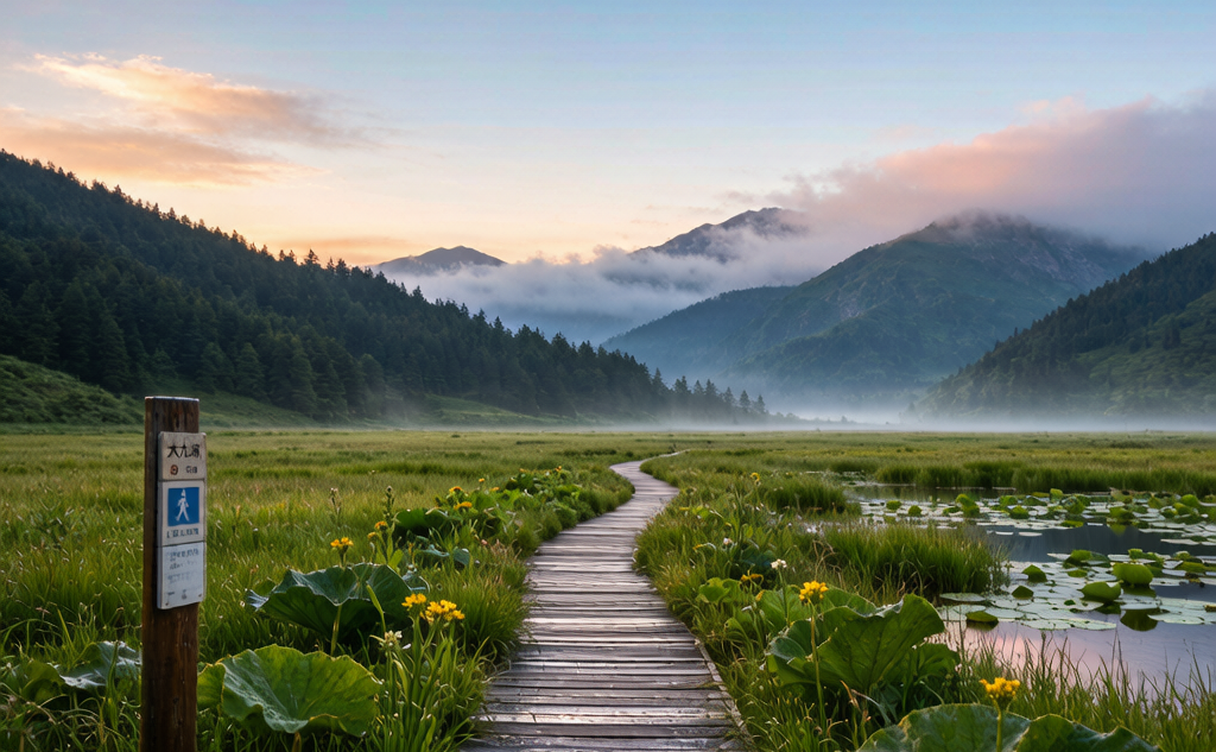
On the park’s western side, the Dajiuhu (Nine Lakes) wetland is a high plateau of meadows, peat bogs, and mirror-still lakes. Wooden boardwalks loop the marshes, and in early morning the surface often fills with ground mist that photographers love. It is a different face of Shennongjia from the dense forest — open, silent, and sublime — and worth a half day if your schedule allows.
What to Pack for the Mountains
Conditions change fast at altitude. Bring layered clothing even in July, a rain shell, sturdy hiking shoes, and a daypack with water and snacks. Sunscreen and sunglasses matter because UV is strong above the tree line. Mobile signal is weak in the valleys, so download offline maps and tell your hotel your planned route. Altitude effects are mild below Shennongding’s 3,100 meters, but ascend gradually and hydrate well.
Best Photography Spots
The Shennongding viewing platform at sunrise, when a sea of clouds rolls over the ridges, is the iconic shot. The monkey base offers close primate portraits, and Dajiuhu’s misty lakes reward patience at dawn. A lightweight zoom lens and a small tripod cover most situations.
Pairing Shennongjia with Nearby Hubei
Shennongjia sits roughly halfway between Yichang and the Wudang range, making it easy to stitch into a wider Hubei loop. Many travelers arrive from a Yangtze cruise, spend two or three days in the forest, then continue to the Taoist peaks of Wudang. Allow at least three full days here; rushing means missing the monkey base and the high wetlands, the two experiences that make the trip memorable.
Shennongjia is inscribed on the UNESCO World Heritage List for its biodiversity and as a refuge for ancient plant lineages. You can verify the designation and read the scientific rationale on the UNESCO World Heritage page, which details why this forest is globally significant.