

Qiongkushitai is a remote Kazakh village of timber houses and grazing horses tucked into a green valley of Tekes County, in the Yili region of Xinjiang, China. Far from the tour buses that fill bigger scenic areas, this is where travelers come to unplug: to walk old spruce forests, share bread in a herder’s yurt, and start one of the finest multi-day treks in Central Asia. If you want the soul of the Tianshan without the crowds, Qiongkushitai is the answer.
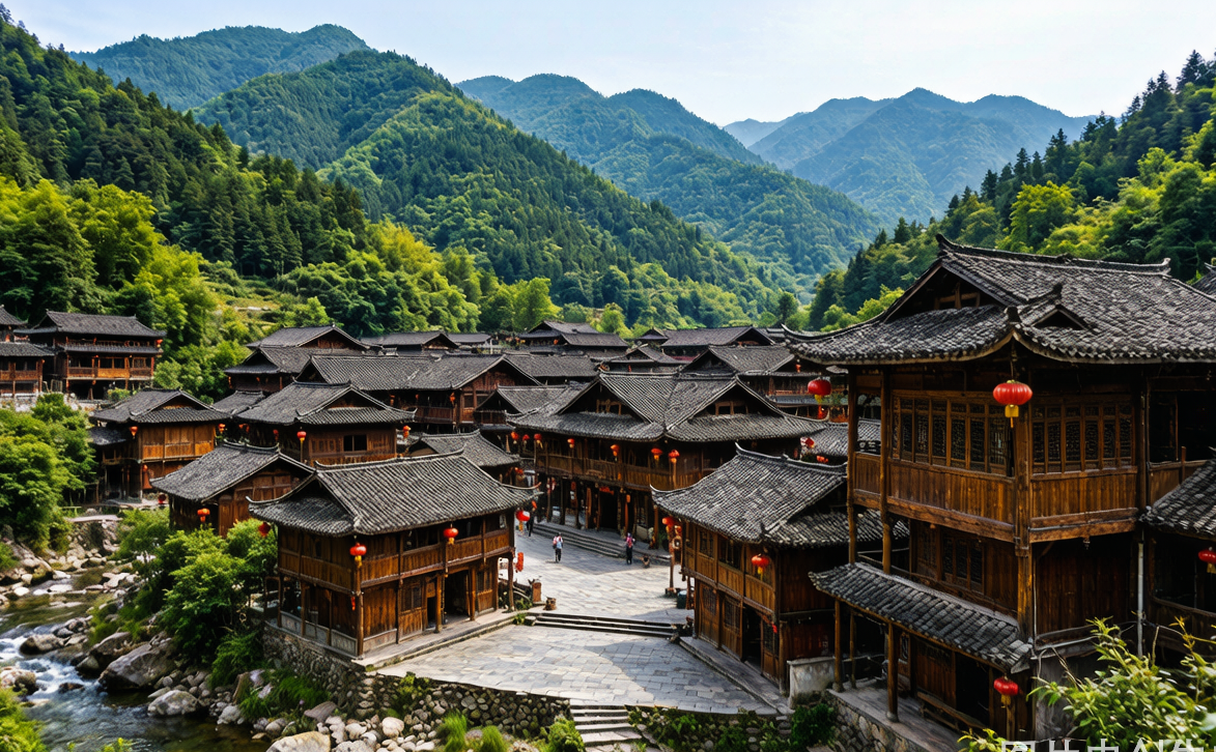
The village is also a living museum of Kazakh building craft. Almost every structure is made of whole spruce logs fitted without nails, a technique passed down through generations and now protected as intangible heritage. Wandering the lanes, you will see hay stacked on rooftops, smoke curling from stovepipes, and children riding small ponies to the river — a daily rhythm that has barely changed in a hundred years.
Content Preview
- Best Time to Visit Qiongkushitai
- How to Get to Qiongkushitai
- Things to Do in Qiongkushitai
- Where to Stay in Qiongkushitai
- Sample Qiongkushitai Itinerary
- FAQ
Best Time to Visit Qiongkushitai
The best time to visit Qiongkushitai is June through September. June and July bring wildflower meadows and mild weather (15–26°C); August is warm and green; September turns the valley gold and is the favorite month for photographers. Snow can fall any night above 2,000 m, so pack layers even in summer.
A key Qiongkushitai travel tip: avoid the National Day week in early October, when domestic tourists flood the Yili valleys. Winter (November–April) closes the mountain road with snow, and almost every guesthouse shuts. Because the village sits at about 2,000 m, the air is crisp and the stars are spectacular — bring a headlamp, as street lighting is minimal.
For seasonal context across the country, see our best time to visit China guide, and note that Qiongkushitai’s short open season makes advance booking essential.
How to Get to Qiongkushitai
Qiongkushitai lies roughly 90 km south of Tekes town and about 180 km from Yining. There is no train or public bus to the village itself; the last stretch is a winding mountain road that was only fully paved in recent years.
| Step | Route | Time | Notes |
|——|——-|——|——-|
| International → Urumqi | Flight to Ürümqi Diwopu Airport (URC) | — | Gateway to Xinjiang, China |
| Urumqi → Yining | Flight (1h20m) or train (10–12h) | 1h20m / overnight | Fly to save time |
| Yining → Tekes | Bus or private car | 2–2.5h | Frequent buses from Yining |
| Tekes → Qiongkushitai | Private 4WD / shared van | ~2.5h | 90 km, mountain road |
The practical how to get to Qiongkushitai answer is a private transfer from Yining or Tekes, ideally with a driver who knows the valley. Shared vans (¥60–100/seat) run when demand allows but have no fixed timetable. If you plan to trek onward to Kalajun, arrange luggage storage or a porter in the village, since the trail is not vehicle-accessible.
Things to Do in Qiongkushitai
Walk the Spruce Forests and River Valleys
The signature Qiongkushitai things to do is simply walking. Trails leave the village into dense spruce forest and along the Kürti (Kuoshi) river, where wooden footbridges and open pastures make easy half-day hikes. The light in late afternoon turns the timber houses honey-gold.
For a rewarding half-day route, follow the river north past the last houses to a series of open meadows where horses graze ankle-deep in wildflowers. Locals call this the “flower river” stretch, and it is gentle enough for most fitness levels. Bring water and wear sturdy shoes — the forest floor is rooty and the river stones are slippery. In June the meadows explode with color; by September they glow amber and the spruce turn deep green, a contrast that makes the valley feel like a painted scroll.
The Qiongkushitai Trek to Kalajun
The classic Qiongkushitai trek is a 2-day hike over the Tianshan ridge to the Kalajun grassland, about 30–40 km with a yurt-camp overnight. It is the region’s most celebrated route: rolling flower meadows, open passes, and a real sense of wilderness. Hire a local guide (¥300–500/day) and a horse for your bag; the trail is unmarked in places. Fit hikers can extend it toward Kuerdening.
Visit a Kazakh Family
Spend an evening in a yurt drinking milk tea and eating hand-pulled noodles. The Kazakh hospitality here is genuine, and it is the easiest way to learn about eagle hunting, felt-making, and the seasonal migrations that still shape life in Xinjiang, China. Compare the experience with the famous lake and forest scenery in our Kanas Lake guide, another northern Xinjiang highlight.
Stargaze and Slow Down
With almost no light pollution, the night sky is the real attraction for many visitors. Lie back by the river and watch the Milky Way rise over the spruce line — no ticket, no schedule, just silence.

Where to Stay in Qiongkushitai
Lodging is rustic but memorable:
- Homestay timber houses: Family-run wooden guesthouses (¥150–350 with dinner) with shared bathrooms and wood-stove heating. The most atmospheric choice.
- Yurt camps: Near the trailhead for trekkers (¥120–250), basic but cozy under sheepskin blankets.
- Tekes town: If you prefer a hot shower and wi-fi, sleep in Tekes and drive in for the day (mid-range hotels ¥250–500).
Book ahead in July–August. Foreign payment cards are unreliable in the village, so carry ¥300–500 cash. Not sure what to pack? Our China travel guide for first-timers covers money, SIM cards, and off-grid essentials.
A practical Qiongkushitai travel tip for sleep: the timber houses are beautiful but draughty, and the stove is usually lit only in the evening. Pack a thermal base layer and a sleep mask (the midsummer sun rises before 6am). If you are sensitive to altitude, the 2,000 m elevation can disturb your first night’s rest — arrive a day early to acclimatize rather than flying in and immediately starting the trek.
Sample Qiongkushitai Itinerary
A relaxed Qiongkushitai itinerary of 3 days:
- Day 1: Fly to Yining → drive to Tekes → continue to Qiongkushitai → evening walk and stargazing.
- Day 2: Full-day forest and river hike, or begin the 2-day trek to Kalajun with an overnight yurt camp.
- Day 3: Return from the trek (or a second village day) → drive back to Yining.
Add a fourth day to combine Qiongkushitai with the nearby Kalajun meadows, as described in our Nalati grassland guide for a wider Yili loop.
FAQ
Do I need a guide for the Qiongkushitai trek?
For the full trek to Kalajun, yes — the route is unmarked and weather changes fast. A local guide with a horse costs ¥300–500/day and is worth every yuan.
Is there phone signal in the village?
Signal is weak and foreign roaming is patchy. Download offline maps and tell your hotel your plans before heading into the forest.
How cold does it get at night?
Even in July, nights drop to 8–12°C. In September, near freezing. Bring a warm jacket and sleep layer.
Can beginners do the Qiongkushitai trek?
Fit beginners can manage with a guide and a horse for luggage, but train with day hikes first. The 2-day version involves 15–20 km per day at altitude.
What food is available?
Expect noodles, laghman, naan, mutton, and dairy from yurts. Carry snacks and water; there are no supermarkets past Tekes.
Final Thoughts
Qiongkushitai is the Xinjiang, China that most visitors never see — timber villages, spruce valleys, and a sky full of stars. Go in summer, walk slowly, and let the Tianshan reset your clock. The greater Tianshan ecosystem, of which this valley is part, is recognized by UNESCO for its natural value, and a visit here connects you to one of Asia’s last great mountain cultures.
By Karl — Last updated July 26, 2026