

The Kalajun grassland is one of the most beautiful alpine meadows in Xinjiang, China, a sweep of green hills embroidered with wildflowers that rolls toward the snow-dusted peaks of the Tianshan range. Tucked into the Yili River valley in the northwest of the region, Kalajun (喀拉峻) offers foreign travelers a quieter, wilder alternative to the more famous grasslands nearby. If you want endless horizons, Kazakh herders on horseback, and meadows that look painted rather than grown, this is the place to slow down.
Content Preview
- Best Time to Visit the Kalajun Grassland
- How to Get to the Kalajun Grassland
- Things to Do in the Kalajun Grassland
- Where to Stay Near the Kalajun Grassland
- Sample Kalajun Itinerary
- FAQ
Best Time to Visit the Kalajun Grassland
The single most important Kalajun travel tip is to time your trip with the bloom. The best time to visit Kalajun is from late May to early July, when the alpine wildflowers — tulips, irises, and saxifrage — carpet the slopes in waves of color. June is the sweet spot: days are mild (18–25°C), the grass is at its greenest, and the famous “flower terraces” are in full display.
Summer (July–August) is pleasant but busier, with domestic tourists arriving during school holidays. September brings golden autumn tones and fewer crowds, though nights get cold. Winter closes much of the scenic area, and many guesthouses shut. For photography, aim for June mornings after rain, when low clouds drift between the hills.
To plan around the weather, here is a quick seasonal breakdown for the Kalajun grassland:
- May–June: Wildflower peak, 15–25°C by day, cool nights (5–10°C). Best overall window.
- July–August: Lush green, 20–28°C, occasional afternoon showers, highest visitor numbers.
- September–October: Golden grasses and clear skies, 10–20°C, ideal for hikers who dislike crowds.
- November–April: Closed or limited access; heavy snow at elevation.
Because the meadow sits at 1,500–2,500 m, UV is strong even when it feels cool, so a hat and sunscreen are essential year-round. If your schedule is flexible, avoid the first week of October (National Day holiday), when all of Xinjiang, China gets crowded and prices jump.
Plan your wider China trip around the season using our best time to visit China guide, and pair Kalajun with other Yili highlights described in our Xinjiang travel guide.
How to Get to the Kalajun Grassland
Kalajun sits about 90 km east of Yining (Ghulja), the main hub of the Yili valley. Most travelers fly into Urumqi, then take a domestic flight or overnight train to Yining, then transfer to the grassland. Yining Airport (YIN) has daily flights from Urumqi and a few direct links from major Chinese cities, which saves the long overland haul across Xinjiang, China.
| Step | Route | Time | Notes |
|——|——-|——|——-|
| International → Urumqi | Flight to Ürümqi Diwopu Airport (URC) | — | Main gateway to Xinjiang, China |
| Urumqi → Yining | Flight (1h20m) or train (10–12h) | 1h20m / overnight | Flights recommended to save time |
| Yining → Kalajun | Private car / taxi / tour shuttle | ~2h | 90 km, mountain roads |
| Entrance → Meadow | Scenic shuttle bus + cable car | 40 min | Included with ticket |
There is no public bus directly to the gate, so the practical how to get to Kalajun answer is to book a private transfer or join a small-group tour from Yining. The scenic area runs a mandatory shuttle from the ticket gate to the core meadows, and a cable car links the east and west sections. Buy tickets (around ¥140 including shuttle) at the visitor center; bring your passport, as ID is checked.
A useful Kalajun travel tip: if you are already touring the north, combine the transfer with a stop in Tekes, whose streets form a giant bagua (eight-trigram) mandala — a rare chance to wander a city laid out as a circle rather than a grid. Drivers familiar with foreign visitors can arrange this en route. Budget roughly ¥400–600 for a private Yining–Kalajun round trip, or ¥150–250 per seat in a shared tour van booked through your hotel.
Things to Do in the Kalajun Grassland
Walk the Flower Terraces
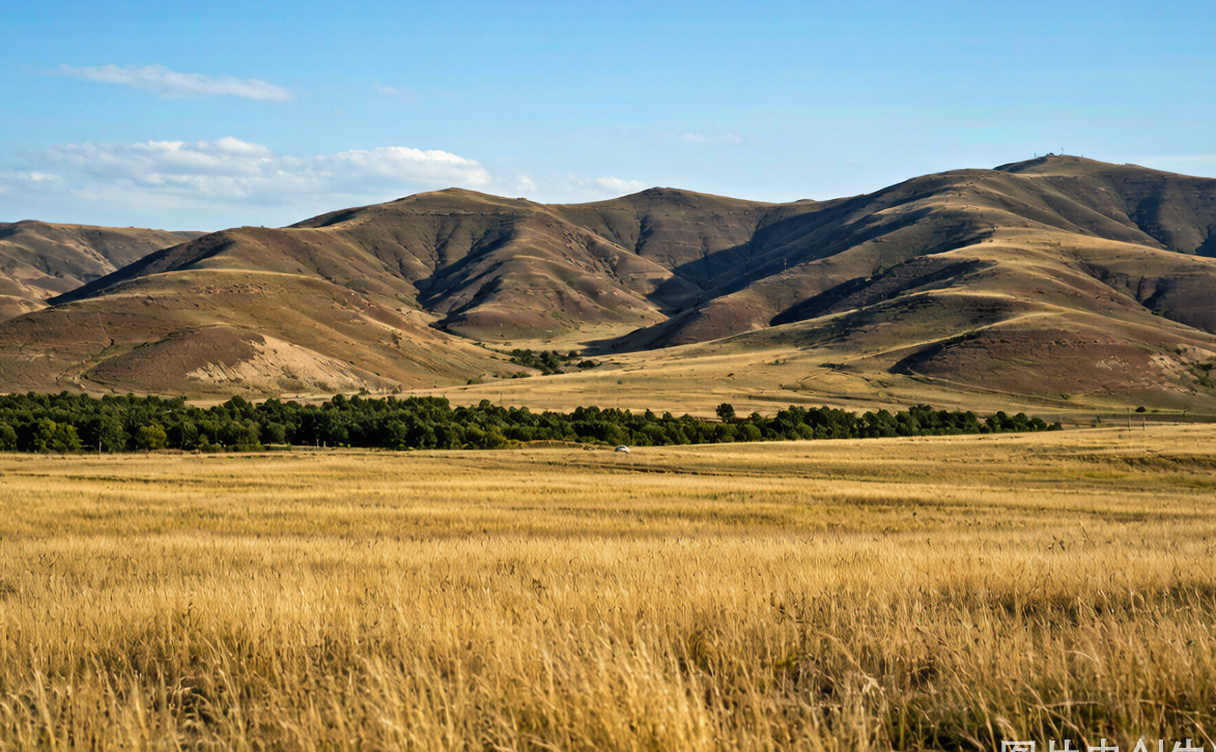
The signature Kalajun things to do is simply walking the wooden boardwalks across the flower terraces. The west section (Kalajun Prairie) is famous for its “human body grassland” — hills with curves so smooth they look sculpted. Sunrise and late afternoon give the softest light.
Ride a Horse with Kazakh Herders
Local Kazakh families offer short horse rides (¥80–150/hour) along the ridge lines. It is the most authentic way to feel the scale of the meadow, and a great chance to visit a yurt and taste freshly made kumis (fermented mare’s milk) and naan. The herders move with the seasons, so you may see flocks of sheep being driven across the slopes — a scene little changed in centuries. Negotiate the price before mounting, and wear the helmet offered for the longer ridge trails.
Kalajun things to do often center on this slow, horsemanship-led pace of life. If you are a confident rider, ask about the half-day trail toward the eastern valleys, where the crowds thin out completely and you can canter across open turf with the Tianshan as a backdrop.
Compare Kalajun vs Nalati
A common question is Kalajun vs Nalati. Nalati, also in Yili, is more developed with big resorts and easier access, while Kalajun is rawer and less commercial. If you want postcard development and family facilities, choose Nalati grassland; if you want wild silence, choose Kalajun. Many travelers do both on a 2-day loop.
Hike to Kuerdening (Optional)
The eastern extension of the same UNESCO grassland, Kuerdening, offers pine forests and glacier views for stronger hikers. It is part of the Xinjiang Tianshan World Heritage property listed by UNESCO.
Where to Stay Near the Kalajun Grassland
Overnight options range from yurt stays inside the scenic area to hotels in Yining.
- Inside the grassland: Wooden guesthouses and yurts near the east gate (¥200–500). Magical for stargazing, but basic bathrooms and cold nights.
- Yining city: The comfortable base with 3–5 star hotels (¥350–800), good food, and easy transfers. Recommended for first-timers.
- Tekes county: Closer to the gate (40 min), with mid-range hotels and the famous bagua (octagonal) city layout worth a stroll. A good middle option if you want both early access and a real bed.
- Inside a yurt: For the full experience, spend one night in a herder’s yurt (¥150–300 with dinner). Expect no heating beyond a stove, shared squat toilets, and unforgettable stars.
Whichever you choose, book ahead in June and October, when rooms near the Kalajun grassland sell out. Foreign cards sometimes fail at small properties, so carry cash (¥200–400) as backup and confirm your reservation by phone or through a Chinese booking app with a local helper.
Sample Kalajun Itinerary
A relaxed Kalajun itinerary fits into 2 days from Yining:
- Day 1: Morning flight/train to Yining → drive to Tekes → afternoon stroll of Tekes octagonal town → overnight Tekes.
- Day 2: Enter Kalajun at 9am → shuttle to flower terraces → horse ride → cable car to east section → sunset photos → return to Yining or stay in a yurt.
Add a third day if you continue to Kuerdening or loop onward to Nalati and Sayram Lake.
FAQ
Do I need a permit to visit Kalajun grassland?
No special border permit is needed for Kalajun itself. Just bring your passport for ticket ID checks. Nearby border areas like Khorgos do require permits.
How much time do I need at Kalajun?
One full day covers the main meadows; two days lets you ride horses and catch sunrise and sunset light.
Is Kalajun good for families with kids?
Yes. Boardwalks are stroller-friendly in places, and yurt visits are a hit with children. Nights are cold, so pack warm layers.
What should I pack for the Kalajun grassland?
Sun protection, a windproof jacket, sturdy shoes, and a refillable bottle. Altitude is modest (1,500–2,500 m), so altitude sickness is rare.
Final Thoughts
The Kalajun grassland rewards travelers who crave open space and quiet beauty over crowded attractions. Go in June, ride a horse at golden hour, and you will understand why Xinjiang, China is one of Asia’s last great meadows. For more ideas across the region, see our best things to do in China and start building your route today.
By Karl — Last updated July 26, 2026