

Tucked into the green hills of northern Guizhou, Zunyi is a city where modern Chinese history and dramatic karst landscape meet. It was here, in 1935, that a pivotal meeting reshaped the course of the Chinese revolution, and today the city is both a pilgrimage site for that history and a relaxed base for exploring some of Guizhou’s most beautiful scenery. This Zunyi travel guide walks you through the best time to visit, how to get there, the top sights, where to stay, what to eat, and a practical itinerary. If you want to combine culture, caves, and the terraced rice country of the province, Zunyi is an easy and rewarding stop.
Best Time to Visit Zunyi
The best time to visit Zunyi is spring (March–May) and autumn (September–November), when temperatures are mild (16–25°C) and the surrounding karst hills are at their greenest. Spring brings blooming azaleas across the province, while autumn offers clear skies and comfortable hiking. Summers are warm and humid, with afternoon showers that keep the landscape lush but can interrupt outdoor plans; winters are cool and damp, occasionally dipping near freezing, though snow is rare.
Because Zunyi sits in a valley, mornings often start foggy and clear by midday — plan drives and photo stops for the afternoon light. The nearby waterfalls and terraced fields are fullest right after the summer rains, so late August can be a good compromise between warm weather and flowing scenery. March and April also see the fewest domestic tour groups, giving you the historic sites almost to yourself.
How to Get to Zunyi
Zunyi is a key rail hub in northern Guizhou, reachable by air and high-speed train. Schedules and tickets can be checked on China Railway’s official portal, China Railway (12306).
- By air: Zunyi Maotai Airport (WMT) has flights from Beijing, Shanghai, Guangzhou, and other major cities. A shuttle bus or DiDi connects the airport to the city center in about 40 minutes.
- By high-speed train: The Chongqing–Guiyang line puts Zunyi within roughly 1 hour of Chongqing and 1.5 hours of Guiyang, with frequent services. Trains are the most comfortable way to arrive and let you watch the karst peaks roll past the window.
- By road: Long-distance buses and hired cars link Zunyi with the province’s scenic towns; the drive to Chishui and the red-rock valleys is a highlight in itself, winding through tunnels and over green ridges.
Top Things to Do in Zunyi
The Zunyi Meeting Site
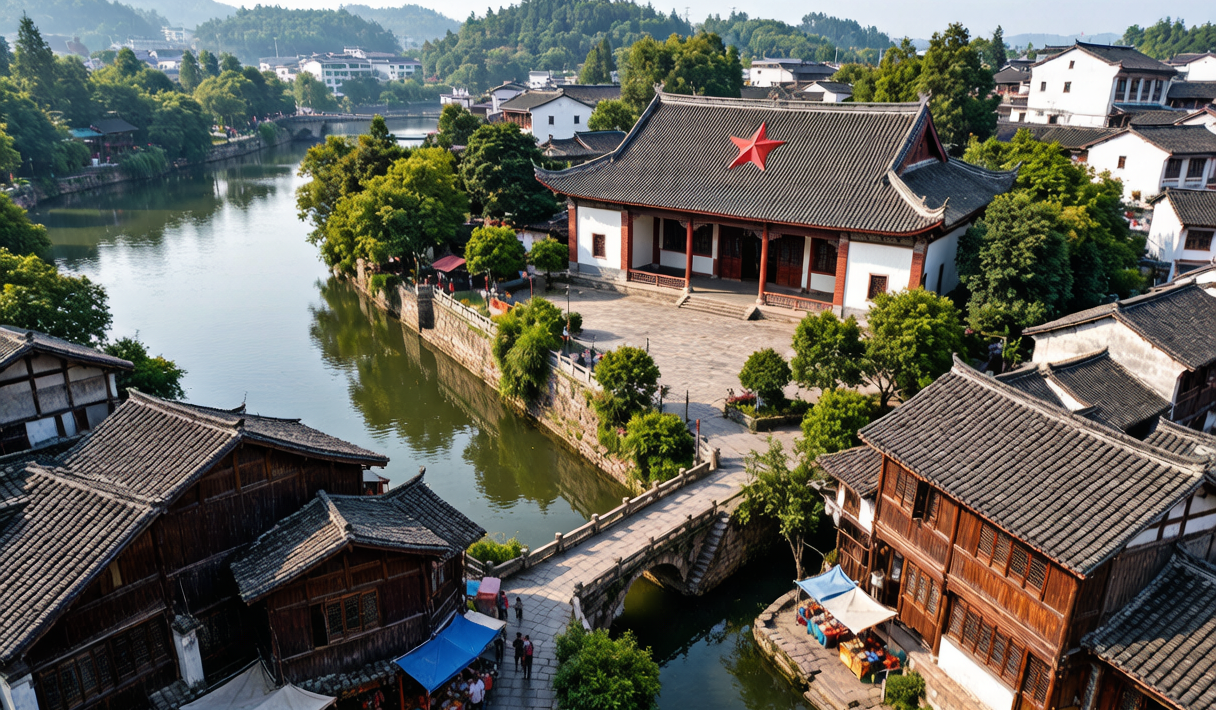
The single most important things to do in Zunyi is the Zunyi Meeting Site, the restored courtyard building where a 1935 conference became a turning point in modern Chinese history. The museum presents the story with photos, documents, and English summaries, and the old town around it makes for a pleasant walk. Allow two hours to read the exhibits at a relaxed pace, and notice the period furniture that has been preserved room by room.
Hongshui (Red) River and the Riverside Park
The Xiangjiang River runs through the city, and the riverside promenade is where locals gather at dusk for walks, dancing, and snacks. It’s a calm, authentic slice of ordinary Chinese city life, free of tourist polish, and the best spot to watch the evening light on the water.
Shitao (Luo) River Karst and Caves
Just outside the city, limestone hills hide cave systems and clear rivers ideal for a half-day excursion. Hire a local guide to explore the cooler, dramatic chambers and the terraced fields that step down to the water, where farmers still plant rice in the old terraces.
Day Trip to Chishui
A Zunyi to Chishui journey (about 2 hours by bus or car) rewards you with the Danxia red-rock landscapes, the towering Chishui Waterfall, and the famously beautiful bamboo forests of the Sichuan border. It’s one of the best nature add-ons from the city and a vivid contrast to the urban history downtown.
Where to Stay in Zunyi
Stay in the central old-town or riverside area for walkable dining and easy access to the Meeting Site. Mid-range hotels run about ¥250–450 per night, with several international chains near the railway station. Budget travelers will find clean guesthouses around the city center from ¥150. Book ahead during the October holiday, when domestic tourists swell the city and prices rise; a hotel near the high-speed station also makes day trips to Guiyang or Chongqing simple, and gives you a quiet base after busy sightseeing days.
Zunyi Food and Local Specialties
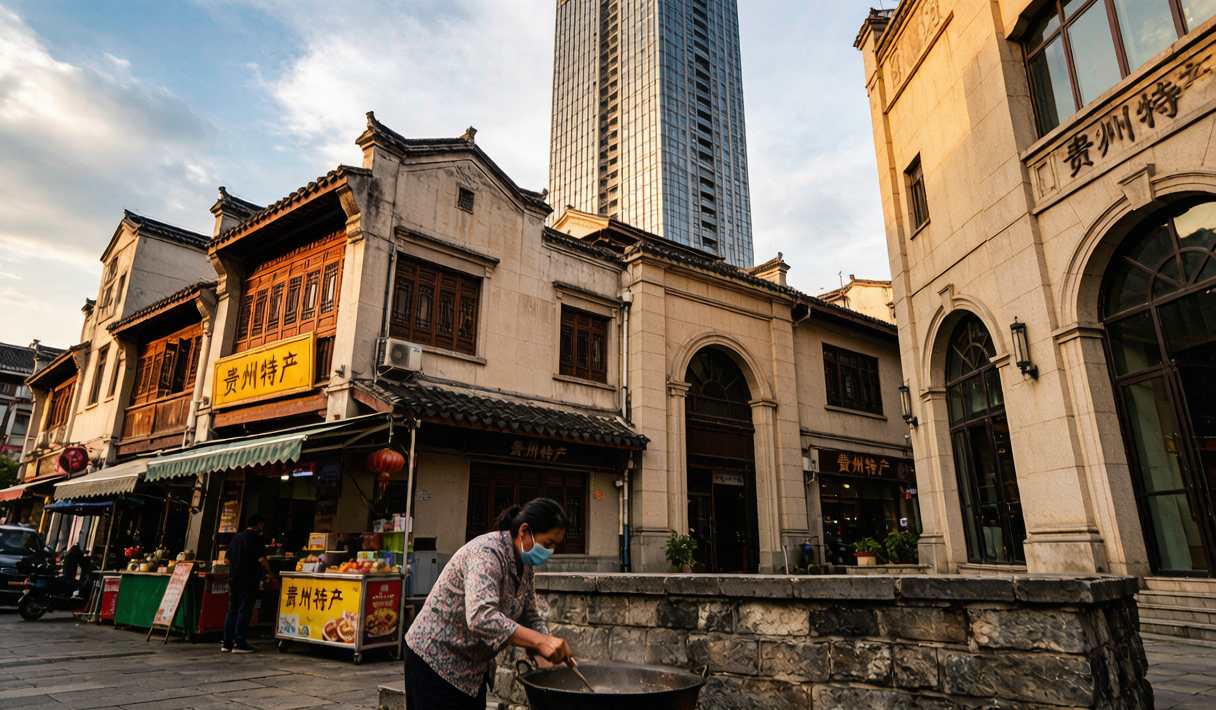
Zunyi sits at the crossroads of Guizhou and Sichuan cuisines, so expect bold, sour, and spicy flavors. The city is famous for its lamb rice noodles (yangrou mifen), a peppery breakfast soup that locals queue for at dawn, and for “zhe’ergen,” a sour-tasting root unique to Guizhou that you’ll either love or hate. Try the smoked bacon, the pickled vegetables, and the local “Maotai” region liquor if you enjoy strong spirits.
For context on the wider province’s draws, our Guizhou Huangguoshu Waterfall guide covers the giant falls southeast of here, while the Xijiang Miao Village guide explains the hill-tribe culture you can pair with a Zunyi trip for a fuller picture of Guizhou’s diversity.
Zunyi Itinerary
A Zunyi itinerary of two to three days works well:
- Day 1: Zunyi Meeting Site and museum, riverside walk, lamb-noodle breakfast the next morning.
- Day 2: Karst caves and Luo River excursion, or a day trip to Chishui’s red-rock valleys and waterfalls.
- Day 3 (optional): Train to Guiyang and onward to Zhenyuan Ancient Town, a quiet riverside town that pairs beautifully with a Guizhou loop and makes a restful final stop.
For more ideas, our best things to do in China roundup helps you link several southwestern stops into one route, from the falls of Huangguoshu to the peaks of Fanjing Mountain.
Zunyi Travel Tips
A few Zunyi travel tips: the humid climate means pack light, breathable clothing and a rain jacket even in spring. Mandarin is standard, but a translation app smooths market and restaurant interactions. DiDi works for airport and station runs. Tap water is not for drinking, so carry bottled water, and bring insect repellent for cave and riverside trips. The city is safe and walkable after dark, though restaurants tend to close earlier than on the coast, so eat your main meal before 8 p.m. to avoid limited options.
FAQ
Is Zunyi worth visiting for foreign tourists?
Yes, if you’re interested in modern Chinese history and want a relaxed base for Guizhou’s karst scenery and minority cultures.
How do I get to Zunyi?
High-speed trains from Chongqing (~1 hour) and Guiyang (~1.5 hours) are the easiest options, plus flights to Zunyi Maotai Airport.
What is Zunyi most famous for?
The 1935 Zunyi Meeting Site and its position as a gateway to Guizhou’s waterfalls, caves, and Miao villages.
Do I need a visa for Zunyi?
Most foreign visitors need a Chinese visa; check current transit rules before travel.
Final Thoughts
Zunyi proves that China’s smaller cities often deliver the richest surprises. Between the history of the Meeting Site, the green karst valleys, and a bowl of lamb noodles steaming at a street stall, you’ll taste a province that bigger guides tend to skip. Follow this Zunyi travel guide, aim for the best time to visit Zunyi in spring or autumn, and use the city as your springboard into Guizhou’s wonders. Pair it with the waterfalls, the Miao villages, and the old towns of the province for a rounded, off-the-beaten-path journey through southwest China.