

Lanzhou, the capital of China’s Gansu Province, is the gritty, friendly gateway to the northwest — famous worldwide as the birthplace of Lanzhou hand-pulled beef noodles and as the city the Yellow River runs right through. This Lanzhou travel guide covers the best time to visit, how to arrive, the top things to do, where to stay, what to eat, and an itinerary that links to Xiahe and the Silk Road. Far from the polished east-coast metros, Lanzhou feels authentic and unhurried, a working city where the day begins with the slapping rhythm of noodle dough in a thousand alleyway shops.
Best Time to Visit Lanzhou
The best time to visit Lanzhou is spring (April–June) and autumn (September–October), when temperatures are mild (15–25°C) and the skies are clear. Summers can be warm but not oppressive, while winters are cold and dry with occasional snow. The city sits at about 1,500 meters, so the air is thinner and the sun stronger than visitors expect — bring sunscreen even in spring, and a warm coat for the cold nights. Avoid the sandy wind days of late winter if you can, as dust storms occasionally roll in from the Gobi and reduce visibility for a day or two.
Autumn is also harvest season for the region’s fruits and a good time for the nearby Gannan grasslands before they turn brown. Spring brings blossoming trees along the river promenade, and the city’s parks fill with kite-flyers on weekends, giving the riverfront a relaxed local energy.
How to Get to Lanzhou
Lanzhou is a major railway crossroads of the northwest, reachable by air and high-speed rail. Schedules and tickets can be checked on China Railway’s official portal, China Railway (12306).
- By air: Lanzhou Zhongchuan International Airport (LHW) has direct flights from Beijing, Shanghai, Xi’an, Chengdu, and many other cities. The airport metro reaches the center in about an hour, and DiDi covers the route for a modest fare.
- By high-speed train: The Lanzhou–Xi’an line puts Xi’an within about 3 hours, and connections run to Xining, Dunhuang (via transfer), and beyond into the Hexi Corridor. Foreign travelers should review our China high-speed train guide for foreigners before booking, as passport ID is required at each step.
- By road: Long-distance buses link Lanzhou with Xiahe, Linxia, and the corridor towns, though the train is faster and more comfortable for most routes.
Top Things to Do in Lanzhou
The Yellow River and Zhongshan Bridge
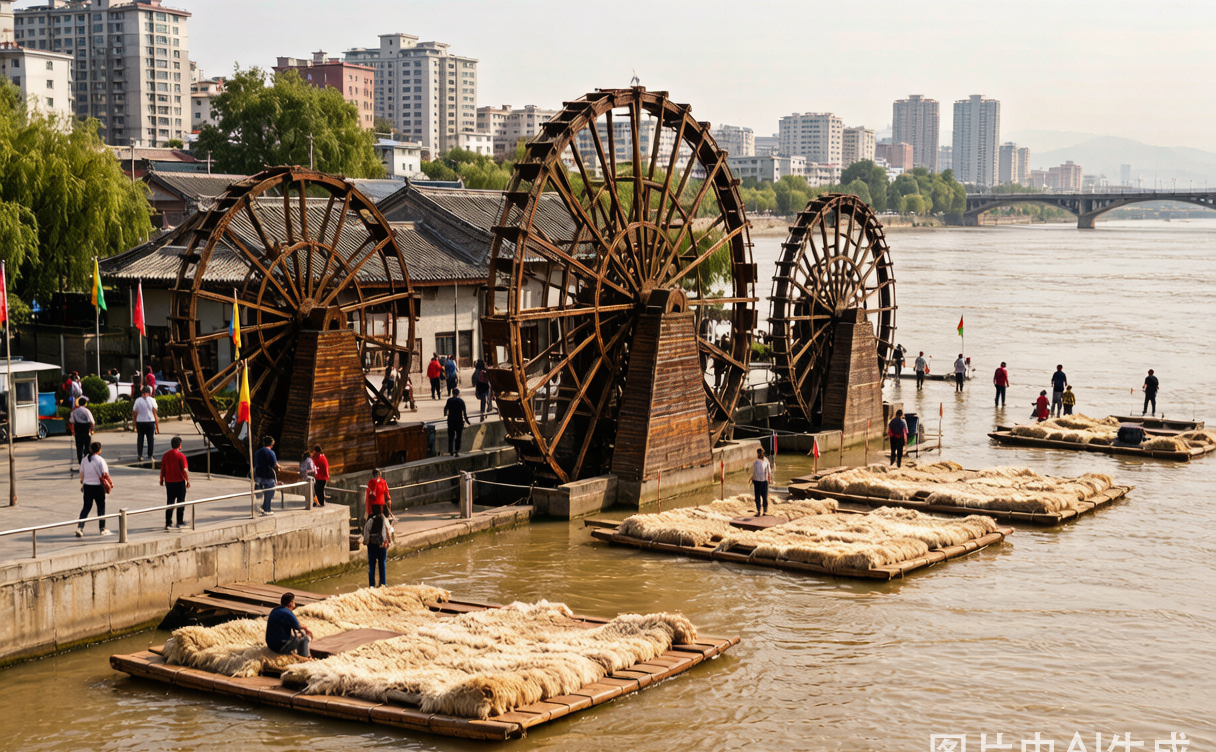
The things to do in Lanzhou list starts on the river. The iconic Zhongshan Bridge (built with German steel in 1907) is the city’s postcard, and the riverside promenade is perfect for an evening walk. Across the water, the White Pagoda Mountain offers temples and a bird’s-eye view of the bend in the river, with a cable car for the climb and tea houses at the top.
Lanzhou Beef Noodle (Lanzhou Lamian)
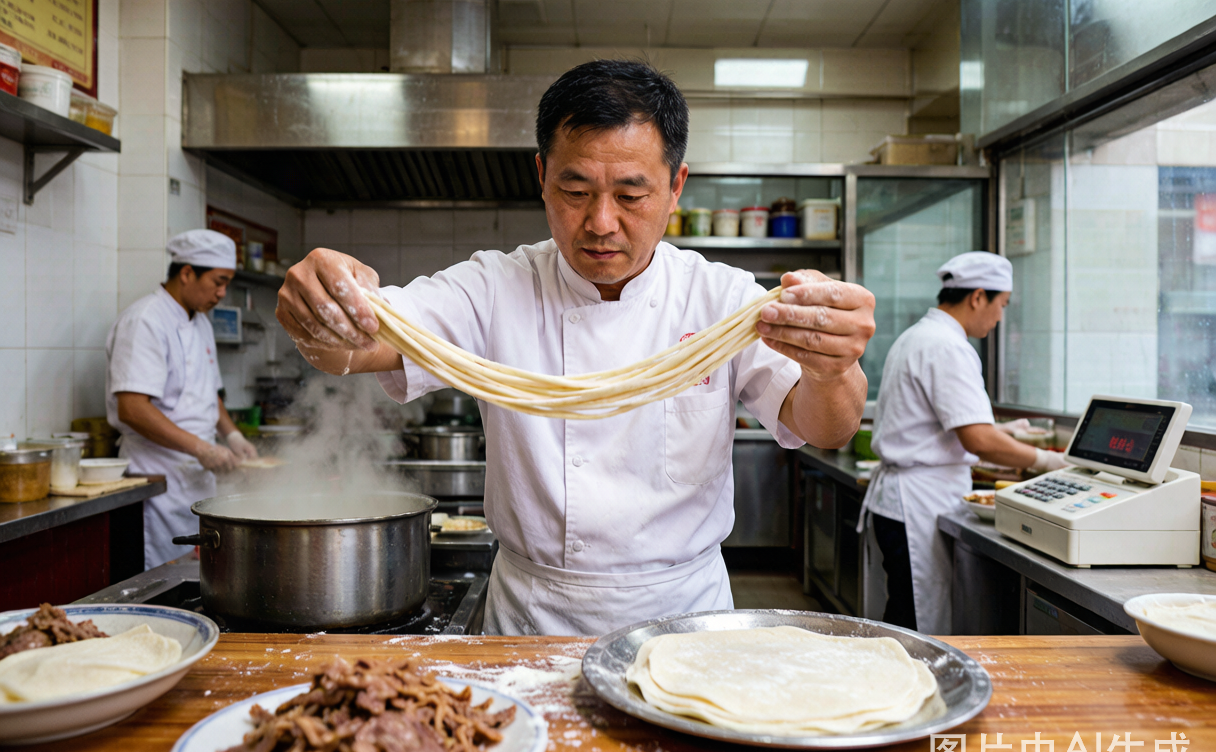
No Lanzhou beef noodle is the same twice, and tasting your way across the city is a core experience. Watch chefs pull the dough into ribbon-thin strands, then eat it in a clear beef broth with chili oil, radish, and herbs. Arrive before 11 a.m. for the freshest bowls at the small local shops, where a satisfying breakfast costs around ¥10–15 and the regulars queue by the bowlful for the morning rush.
Gansu Provincial Museum
Home to the famous “flying horse of Gansu” bronze and excellent Silk Road exhibits, this museum is the best primer before heading west to Dunhuang. Allow two to three hours, and note that the key galleries have English labels that explain the corridor’s trading history in approachable detail.
Wuquan Mountain Park and the South Mountain
A short climb above the city, Wuquan Mountain Park has temples, springs, and shade — a calm break from the busy streets below. The cable car up to the South Mountain gives sweeping valley views and a cooler vantage point on hot days, and the sunset from the ridge is worth the ride.
Where to Stay in Lanzhou
Stay near the Zhongshan Bridge or the city center for walkable dining and river access. Mid-range hotels run around ¥250–500 per night; international chains cluster near the railway station. Budget travelers will find clean guesthouses around the Moslem quarter, while the riverfront has newer business hotels with gyms and city views. Book ahead during the October holiday, when domestic tourists flood the corridor and prices spike across the city, and consider a hotel with easy metro access for day trips.
Lanzhou Food and Local Specialties
Beyond beef noodles, Lanzhou eats hearty northwestern food: lamb skewers, hand-pulled wide noodles, stuffed flatbreads, and sweet Xinjiang-style raisins and nuts. The night market near Zhengning Road is the easiest place to graze. For a highland lake add-on on the same trip, our Qinghai Lake travel guide covers the plateau lake reachable from nearby Xining, a short train ride west that pairs naturally with a Gansu loop.
Lanzhou Itinerary
A Lanzhou itinerary of two to three days works well:
- Day 1: Zhongshan Bridge and riverside walk, Gansu Museum, beef-noodle crawl at night.
- Day 2: Wuquan Mountain Park, White Pagoda Mountain, local lamb dinner.
- Day 3 (optional): Day trip to Xiahe (Labrang Monastery) or an early train west toward Dunhuang.
A Lanzhou to Xiahe run is about 3–4 hours by bus and rewards you with one of China’s great Tibetan monasteries, set against a dramatic mountain backdrop. For more ideas, see our broader China highlights roundups that include the Hexi Corridor and the plateau beyond, which help you string several northwest stops into one route.
Lanzhou Travel Tips
A few Lanzhou travel tips: the altitude means take it easy on day one, carry lip balm for the dry air, and use DiDi for airport runs. Noodle shops are cash-friendly but small, so a translation app helps; the city is safe and walkable after dark. Tap water is not for drinking, so buy bottled water, and expect earlier closing times than coastal cities, with many restaurants winding down by 9 p.m. Mornings are the best time for both sightseeing and noodles, before the midday sun strengthens.
FAQ
Is Lanzhou worth visiting for foreign tourists?
Yes, as a tasty, low-cost launch pad for the northwest and a chance to see the Yellow River up close.
Do I need a visa for Lanzhou?
Most foreign visitors need a Chinese visa; check current transit rules before travel.
How many days do I need in Lanzhou?
Two to three days, with a third for a Xiahe side trip.
What is Lanzhou most famous for?
Hand-pulled beef noodles and the Yellow River running through the city center.
Final Thoughts
A final practical word: Lanzhou stretches long and narrow along the Yellow River valley, so plan sightseeing in geographic clusters to avoid criss-crossing the city. Metro Line 1 runs the length of the corridor and links the railway station area with the riverside sights, while taxis remain inexpensive for the short hops in between. Mornings are the magic hour here — noodle shops at their freshest, riverside paths at their quietest, and the light on the Zhongshan Bridge at its best.
This Lanzhou travel guide shows why the northwest’s capital is more than a transit stop: a rope of beef-noodle shops, a mighty river, and a front door to the Silk Road. Come during the best time to visit Lanzhou in spring or autumn for the most comfortable days. For season planning across the country, browse our best time to visit China guide and start building your Gansu itinerary today.