

This Hohhot travel guide is for travelers who want to pair a real city with the wide-open steppe of Inner Mongolia. Hohhot, whose name means “Blue City” in Mongolian, is the regional capital and the most convenient base for experiencing both Tibetan-Buddhist temple culture and the rolling grasslands that define the north. It is a relaxed, affordable place where you can eat lamb cooked over coals, watch wrestling and horse-racing, and within an hour be standing in a sea of green that goes to the horizon.
Best Time to Visit
The best time to visit Hohhot is summer (June to August), when the grasslands are at their greenest and the weather is pleasantly warm, with daytime highs around 25–30°C. This is also when Naadam-style festivals featuring wrestling, archery and horse racing are most likely. Late spring (May) and early autumn (September) are also good, with fewer tourists and cooler air. Winters are brutally cold, often below -15°C, though the snowy steppe has its own stark beauty. Grassland tours are essentially a warm-season activity, so plan accordingly. For a national perspective, see our guide to the best time to visit China.
How to Get There
Hohhot is well connected by rail and air.
By high-speed train: Hohhot East Station links to Beijing in about 2.5–3 hours on the new line, and to other northern cities including Datong, Baotou and Taiyuan. For booking tips and how the network works, read our China high-speed train guide for foreigners.
By air: Hohhot Baita International Airport (HET) has flights from Beijing, Shanghai, Guangzhou, Xi’an and other hubs. The airport is about 30–40 minutes from the center by car.
By road: Buses and hired cars connect the city with nearby grassland areas and the historical town of Baotou.
Top Things to Do
Hohhot’s appeal is the mix of city temples and easy steppe escapes.
Dazhao Temple (Wuliang Temple)
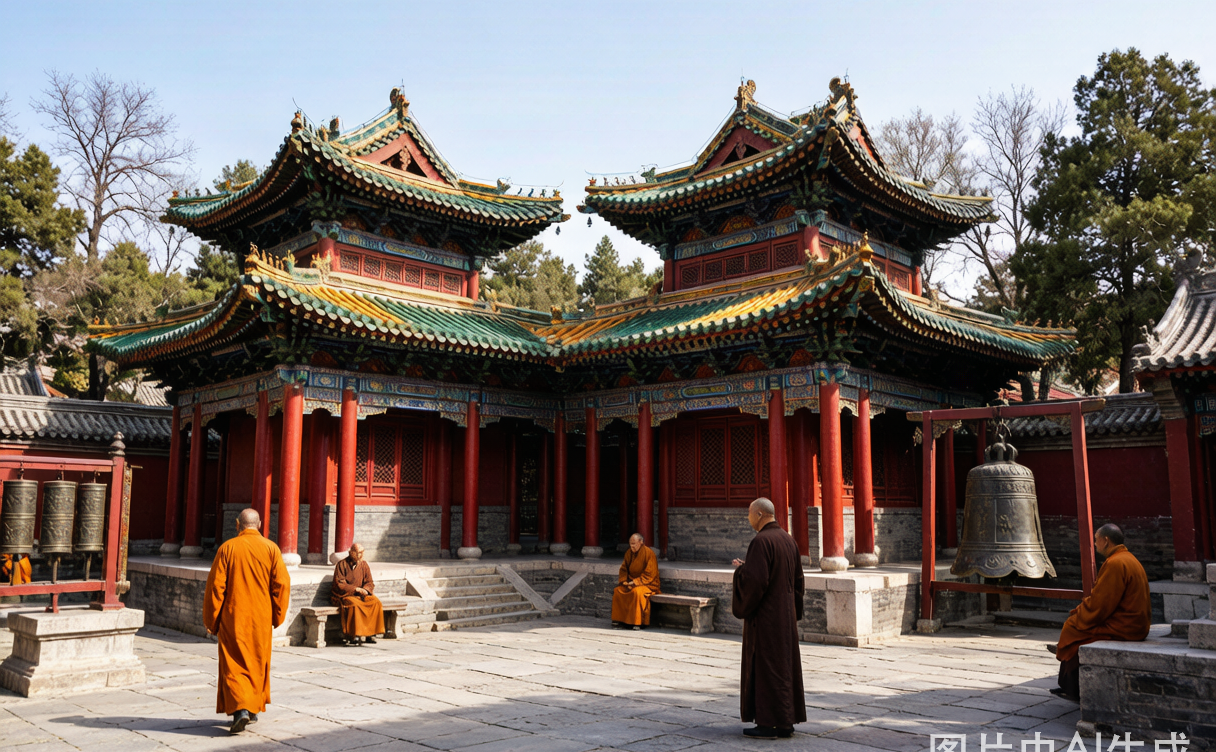
The oldest and most important temple in the city, Dazhao dates to the Ming dynasty and is famous for its silver Buddha statue, elaborate murals and a large incense burner that draws devotees from across the region. The surrounding alleyways are fun to explore for snacks and crafts.
Five-Pagoda Temple (Wuta Si)
A compact but intricate site, the Five-Pagoda Temple is best known for its carved stone pagoda covered in thousands of tiny Buddha images and a rare Mongolian astronomical map carved in stone. It is a quiet, photogenic stop close to the old town.
Inner Mongolia Museum
This modern museum is the best place to understand the region’s history, from dinosaur fossils to Mongol Empire artifacts and nomadic culture. The exhibits on Genghis Khan and steppe life are excellent and mostly well labeled.
Xilituzhao Palace
The largest surviving Lamasery in the city center, Xilituzhao is still an active monastery with golden roofs and a peaceful courtyard. It gives a sense of how Tibetan Buddhism took root among the Mongols.
Hohhot Grassland Tour
No Hohhot travel tips list is complete without a steppe excursion. The most popular nearby grasslands are Xilamuren (about 1.5–2 hours away) and Huitengxile (known for wind turbines and flowers). A typical Hohhot grassland tour includes a yurt stay, roasted whole lamb, horse riding and evening bonfires. For the truly vast northern pastures, our Inner Mongolia Hulunbuir grassland guide covers the far northeast of the region. As Wikipedia summarizes, the city has been a Mongolian cultural and administrative center for centuries.
Where to Stay
Most visitors stay in the city center near Zhongshan Road, where hotels range from international chains to budget hostels. Expect around ¥250–500 per night for a comfortable mid-range room. If your main goal is the grassland, you can also spend a night in a yurt out on the steppe — basic but unforgettable. Budget travelers will find Hohhot friendly to the wallet; our China budget backpacking guide has more tips for keeping costs down.
Getting around Hohhot is simple and inexpensive. The city center is compact and taxi rides are cheap, usually ¥10–25, while ride-hailing apps work well with a translation keyboard for longer trips. Grassland tours are almost always sold as packages that include round-trip transport, a yurt stay and meals, so you do not need to drive yourself or piece together buses. If you want to go deeper into the region, our Inner Mongolia Hulunbuir grassland guide covers the far north, and the China budget backpacking guide has tips for cheap beds and local transport. Most signs now include some English or pinyin, and hotel staff are used to helping foreign guests with hand-drawn maps. History buffs can also reach the Zhaojun Tomb, a Han-dynasty site on the city’s outskirts, by local bus or taxi in under an hour.
Food and Local Specialties
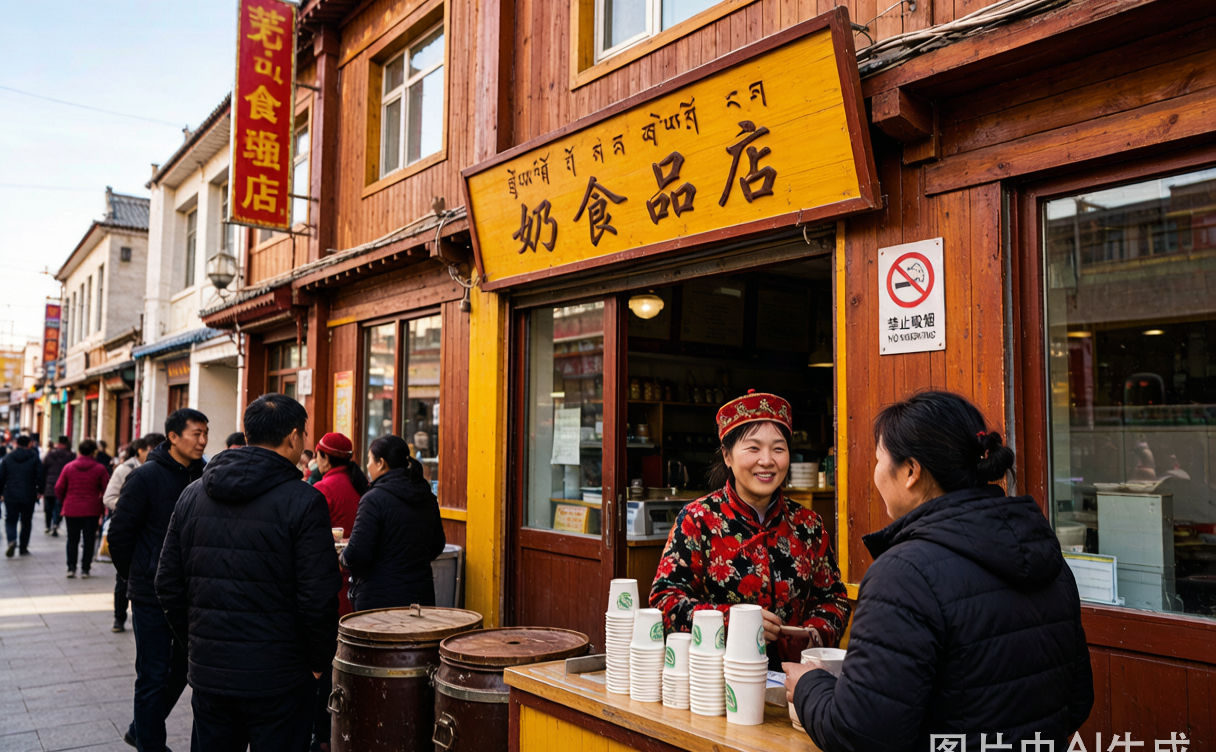
Hohhot food is hearty, meaty and dairy-rich — a delicious change from southern Chinese cooking. Must-tries include hand-grabbed mutton (shou ba rou), roasted lamb leg, Mongolian hotpot, and milk tea (suutei tsai), a salty, savory tea with milk and butter. Yogurt and dried curds make great snacks. A filling mutton meal runs around ¥50–90 per person. Vegetarians will find fewer options, but noodle and potato dishes are available. The local night market near the old town is the easiest place to sample a bit of everything.
Hohhot Travel Guide: Sample Itinerary
2-Day Hohhot Itinerary
- Day 1: Dazhao Temple, Five-Pagoda Temple and the Inner Mongolia Museum in the city.
- Day 2: Full-day grassland tour to Xilamuren with a yurt lunch and horse ride.
3-Day Hohhot Itinerary
- Day 1: City temples and museum.
- Day 2: Grassland tour and yurt overnight.
- Day 3: Huitengxile grassland or a relaxed morning in town before departing.
Hohhot Travel Guide: FAQ
Is Hohhot worth visiting for foreign tourists?
Yes, especially if you want to experience Inner Mongolia without flying all the way to the remote north. The city is easy, safe and a great grassland gateway.
When is the best time for a Hohhot grassland tour?
June to August, when the grass is green and festivals are most active.
How many days do I need in Hohhot?
Two to three days lets you see the city and spend a night on the steppe.
Do I need to speak Chinese in Hohhot?
Not really. Translation apps and hotel help cover the basics, though fewer people speak English than in Beijing or Shanghai.
Closing
A solid Hohhot travel guide shows you that northern China offers more than the Great Wall and imperial palaces — it offers open sky, horses and the hospitality of the steppe. With its temples, museums and effortless access to the grasslands, Hohhot is the perfect introduction to Inner Mongolia. If you are new to the country, begin with our China travel guide for first-timers and consider adding Hohhot to a Beijing-centered route. For more ideas, our best things to do in China list includes other unforgettable northern experiences.