

The first time I stood on the Great Wall, I made the classic rookie mistake: I followed the crowds to Badaling without asking whether it was the right section for me. Two hours of shoulder-to-shoulder photos later, I wished I’d known then what I know now. If you’re weighing Mutianyu vs Badaling Great Wall for your Beijing trip, you’re asking the right question. Both are restored, open stretches of the Wall within a few hours of the city, but they feel like two different worlds. This guide breaks down crowds, scenery, cable cars, prices, and how to reach each one, so you can pick the section that actually fits your trip instead of the one the tour buses picked for you.
Why the Comparison Matters
Most foreign visitors only have one day for the Great Wall, and Beijing puts two famous options within reach. Badaling is the poster child — the section every first-timer has seen in photos. Mutianyu sits a little farther out but rewards the extra drive with fewer people and greener hills. Choosing wrong means trading a bucket-list moment for a queue, or missing the quieter scenery that makes the Wall so special. The good news: neither is a bad choice. You just need to know what each one gives you before you commit a day of your trip.
For a broader look at planning the day itself, our Great Wall Beijing day-trip guide walks through transport, timing, and what to pack.
Badaling — the Classic, Crowded Icon
Badaling is the Wall most people picture: steep, dramatic, and heavily restored, with the kind of postcard towers you’ve seen on a million travel posters. It was the first section opened to tourists back in 1957, and it has hosted heads of state, Olympic torch relays, and roughly every tour group in Asia. The infrastructure is excellent — smooth access roads, a massive visitor center, and a high-speed train from Beijing North Railway Station that gets you there in about 30 minutes.
The trade-off is people. On a clear weekend or a Chinese public holiday, Badaling can feel less like a hike and more like a line. I once waited ten minutes just to step onto a tower. The south and north routes both climb steeply, and the famous north cable car dumps you right into the thick of it. If your heart is set on the “iconic” Wall and you don’t mind sharing it, Badaling delivers the history. Just go early — before 9 a.m. — or accept the crowd as part of the experience.
Facilities are the strongest point in Badaling’s favor. The visitor center has clean restrooms, restaurants, and a museum that traces the Wall’s military history. For travelers with limited mobility or older companions, the combination of the fast train and the cable car makes Badaling the most accessible Wall experience near Beijing. You trade solitude for convenience, and for some trips that’s exactly the right trade.
Mutianyu — the Scenic, Restored Favorite
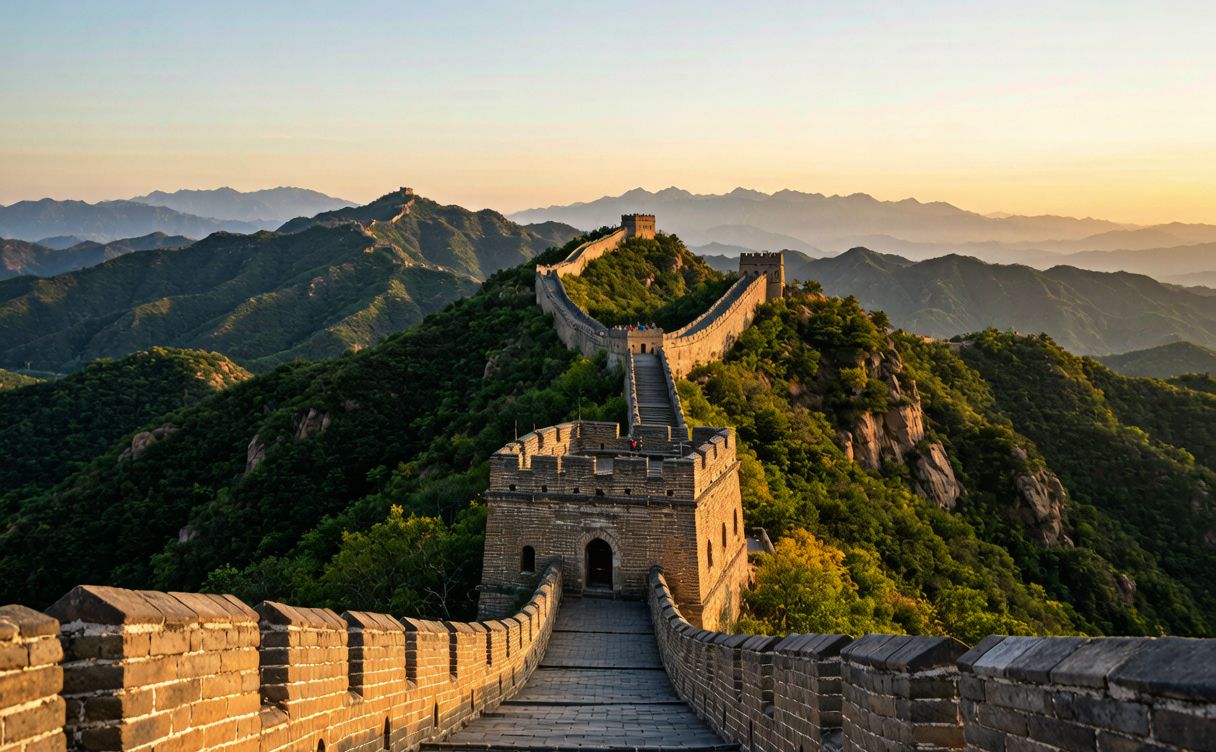
Mutianyu is my personal recommendation for most visitors, and not just because it’s quieter. This section stretches across 2,250 meters of dense forest, with 22 watchtowers packed closer together than almost anywhere else on the Wall. The restoration is beautiful and complete, but the surrounding greenery softens the scene — in autumn the hills turn gold and red, and in spring the apricot blossoms spill down the slopes.
The atmosphere is the real difference. On a weekday morning I’ve had entire stretches of tower to myself, camera free, wind in my face, nothing but ridgeline ahead. Mutianyu also has the famous toboggan run — a winding metal slide you ride down the hill, which kids (and cheerful adults) love. The Mutianyu cable car gets you up with minimal effort, leaving your legs for the Wall itself rather than the climb.
One practical note: Mutianyu’s approach involves a short shuttle bus from the parking area plus the cable car, so budget a little extra time and a few extra yuan (the shuttle is about ¥15, or $2). The village nearby has simple restaurants where you can eat noodles with a Wall view — a small pleasure Badaling’s bigger complex doesn’t quite match. If you want to stay close and start early, several guesthouses sit in Mutianyu village, letting you beat the day-trippers from Beijing by a full hour.
Key Differences at a Glance
The two sections split cleanly along a few lines that matter more than you’d think.
Crowds. Badaling draws the biggest numbers of any Wall section. Mutianyu stays calmer, especially on weekdays and outside peak season.
Restoration. Both are fully rebuilt and safe to walk. Badaling looks more “grand” and monumental; Mutianyu looks more integrated with the landscape.
Cable cars. Badaling offers a north cable car and a toboggan-like slide on the south side. Mutianyu has a cable car plus the beloved toboggan descent, which many families rank as the highlight.
Scenery. Badaling is open and rugged. Mutianyu is wooded and photogenic in every season.
If you want a deeper Beijing plan around your Wall day, our Beijing first-time travel guide covers where to stay and what else to see.
How to Get There from Beijing
To Badaling: The easiest public option is the high-speed train from Beijing North Railway Station (Beijing Bei) to Badaling Changcheng Station, roughly 30–40 minutes and about ¥30 ($4). From there a short shuttle or walk reaches the entrance. Buses and tour packages also run daily.
To Mutianyu: There’s no direct high-speed train, so most visitors take a bus from Dongzhimen (the 916 express to Huairou, then a local connector) or join a private transfer. A taxi or Didi from central Beijing runs 1.5–2 hours and costs roughly ¥250–400 ($35–56) one way. Many travelers find the calmer experience worth the longer drive.
Tickets & Hours
Both sections follow similar patterns, but prices and hours shift seasonally, so confirm before you go.
Badaling: Peak-season entry (April–October) is about ¥40 ($5.60); the cable car is roughly ¥100 ($14) each way. Hours run roughly 7:30 a.m. to 4:30 p.m., with last entry earlier in winter.
Mutianyu: Entry is about ¥45 ($6.30), with the cable car around ¥100 ($14) up and the toboggan about ¥80 ($11) down (or combo tickets that save a little). Hours are roughly 7:30 a.m. to 5:00 p.m. in summer.
Bring cash or a payment app — Alipay and WeChat Pay cover most spots, but a card helps as backup. The Wall is a UNESCO World Heritage Site; you can read the official listing from UNESCO’s Great Wall page for the cultural background.
A word on safety: both sections are well maintained, but the pathways get steep and the stone can be slick after rain. Wear real shoes with grip, carry water, and don’t climb on closed or fenced towers. In summer, start early to avoid the midday heat; in winter, watch for ice. The Wall is high and exposed, so a hat and sunscreen matter more than you’d expect. Neither section is dangerous for reasonably fit travelers, but the Wall rewards respect over bravado.
Which to Choose
The short version: pick by traveler type.
First-timer who wants the icon: Badaling. You’ve seen it your whole life; go stand on it. Arrive early and you’ll still catch a quieter hour.
Photographer or nature lover: Mutianyu, without question. The forested ridges and watchtower density make for frames you won’t get at the busier section.
Family with kids: Mutianyu edges it thanks to the toboggan and gentler approach. The best time to visit Beijing is spring or autumn, when the weather and colors both cooperate for little legs.
Wall purist on a tight schedule: Badaling’s fast train makes it the efficient pick if every minute counts.
Combine with Other Sections
Neither section needs a second Wall visit, but if you want more, save a different style for another trip — the wild, unrestored stretches farther from Beijing. For most visitors, one restored section is plenty. Back in the city, the Forbidden City ticket guide helps you pair the Wall with Beijing’s other must-see in the same trip.
The Bottom Line
There’s no single winner in Mutianyu vs Badaling Great Wall — only the section that fits how you travel. Badaling is the grand, crowded classic with unbeatable transport. Mutianyu is the scenic, restored favorite that trades a longer drive for space to breathe and a toboggan ride down. If I had one day and one chance, I’d send most first-timers to Mutianyu for the views and calm, and steer Badaling die-hards to go early and beat the buses. Either way, you’re standing on one of the most extraordinary structures humans have ever built — and that part is the same no matter which gate you walk through.
Written by Karl — last updated July 2026. Karl has spent three years helping foreign visitors plan low-stress trips across China.