

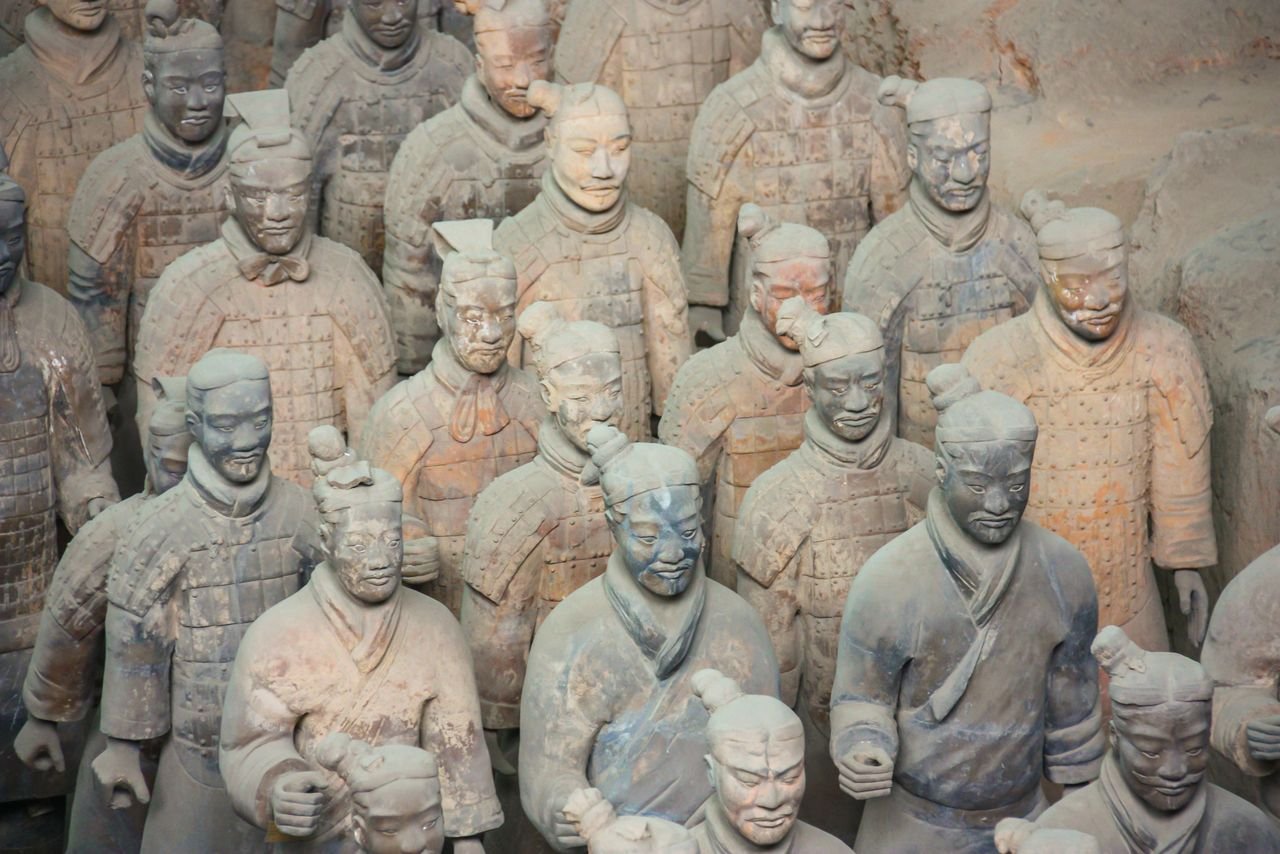
I still remember the first time I stood on the edge of Pit 1 at Lishan, near Xi’an, looking down at rows of clay soldiers that had been underground for more than two thousand years. What struck me was not just the scale but the order — every face different, every rank in its place. I have been back twice since, and I have learned that a smooth visit has almost nothing to do with luck and everything to do with understanding the ticket, the hours and the transport before you go. This is the practical guide I now send to friends: how to buy a Terracotta Army entrance ticket as a foreign visitor, what the Terracotta Army ticket price really is as of 2026, and how to reach the site from Xi’an without a private car.
What your ticket actually includes
The Terracotta Army museum is not a single hall. It is a complex, and the first confusion for most visitors is what the entry fee covers. The main Terracotta Army entrance ticket gets you into the museum with Pit 1, Pit 2 and Pit 3, plus the exhibition halls and the循环 shuttle bus that connects the museum area with the separate Qin Shi Huang mausoleum park (Lishan Garden). That bus and the mausoleum entrance are included in the ticket — a detail worth knowing, because the mausoleum sits a couple of kilometres away and walking it in the heat is no small task.

Peak and low season prices
The Terracotta Army ticket price follows a seasonal pattern. As of 2026, the high season runs from March through November and costs ¥120. Low season, from December through February, drops to ¥80. I visited once in early December and found the lower price and the thinner crowds more than worth the colder weather.
| Item | Period (as of 2026) | Price | Included |
|---|---|---|---|
| Adult entrance ticket | Peak: March–November | ¥120 | Pits 1–3, exhibitions, shuttle bus to mausoleum park |
| Adult entrance ticket | Low: December–February | ¥80 | Same inclusions |
| Optional guided tour | All year | Varies | Not included; book separately |
Opening hours and the best time to visit Terracotta Warriors
The museum generally opens around 8:30 and closes at 18:00, with last entry earlier in the afternoon and shorter hours in winter. I always aim to arrive right at opening. By ten o’clock the Pit 1 viewing platform is a wall of tour groups, and the good photographs from the front railing are gone. An early start also gives you the quiet half-hour in the mausoleum garden before the shuttle fills up.
Allow a full half-day on site. I spent close to four hours my first visit and still felt rushed by the end. If you want to go deeper on the man behind the army, read my piece on the Qin Shi Huang first emperor before you arrive — the burial mound and the reasons for the army make far more sense with that background.
Getting there from Xi’an by public transport
You do not need a taxi or a tour bus to visit Terracotta Warriors. The cheapest reliable route I use combines the metro and a local bus:
- Take Xi’an Metro Line 9 eastbound from the city centre toward Huaqing Pool / Lishan and get off at the stop for the terracotta area.
- From the metro exit, take one of the local shuttle or tourist buses that run to the museum entrance — look for the signs in English and Chinese. The ride is short.
- Show your passport and the QR code from your ticket at the foreign visitor counter, then walk through security.
The whole trip from central Xi’an takes roughly 1.5 hours each way. There are also direct tourist shuttles from points such as the Bell Tower and the east bus station; these are simpler if you want a seat the whole way, but the metro-plus-bus combination is cheaper and, in my experience, just as predictable once you have done it once. I keep a backup plan of buying the return bus ticket before boarding, since the last departures are not late.
Booking the ticket as a foreign visitor
This is where most people get stuck. The museum sells tickets through its official WeChat mini program and official website, but the smooth online flow is designed around Chinese ID numbers and phone verification. As a foreign passport holder, I have had the most reliable results booking through an international platform and collecting a QR code, then swapping it at the manned foreign visitor window on arrival. Having your passport physically with you is essential — the automated gates are not dependable for foreign documents.
The same pattern holds across China’s major sights. If you are planning a wider trip, my guide to booking attraction tickets in China explains the systems used at the Great Wall, the Forbidden City and elsewhere, and how to avoid the usual payment and ID traps. Booking a day or two ahead costs nothing and removes the worst variable from the day.
Understanding the dynasty also changes what you see in the pits — the weapons, the ranks, the sheer organization of it all. I found that a short read on Qin dynasty history beforehand turned a row of statues into a story about how the first unified empire was built and defended.
Mistakes I would avoid next time
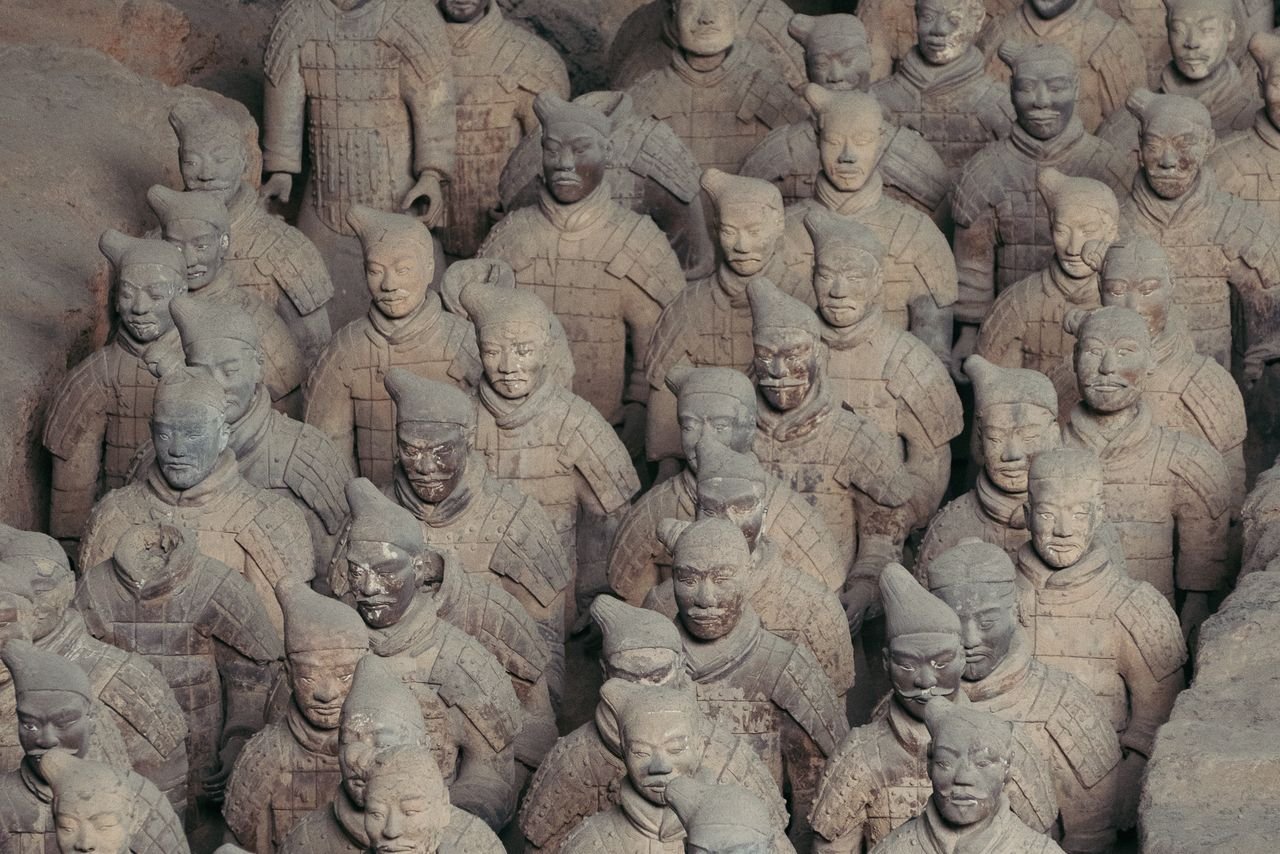
A few things I learned the hard way. First, do not skip the mausoleum park just because it is a separate stop — the shuttle is included in your Terracotta Army entrance ticket and the walk around Lishan gives the whole site context. Second, do not arrive in the early afternoon in July; the exposed queue and the open pits are punishing in the heat, so bring water and a hat. Third, a guide or an audio commentary is worth it, because the labels alone do not explain what you are looking at in Pit 2 and Pit 3.
Final thoughts
The Terracotta Army entrance ticket is straightforward once you know the seasonal price, the hours and how the shuttle works. As of 2026 the system is friendly enough to foreign visitors if you keep your passport handy and book ahead. Go early, give it half a day, and pair the visit with a little background reading. Standing in front of those silent ranks, you will be glad you did the homework.
Written by Karl Huang, a travel writer who has visited the Terracotta Army museum in three different seasons and still finds something new in the faces.