

If you travel through China for any length of time, you will eventually sit down at a banquet table, a small glass of clear liquid placed in front of you, and hear the toast: “Gan bei.” That glass almost certainly holds baijiu, and if the occasion is important, the bottle on the table will read Moutai. For visitors, this spirit is one of the most distinctive, and most misunderstood, tastes in the country. This guide explains what Moutai is, why it matters to Chinese culture, how it is made, and how to drink it without offending your host.
What Is Moutai?
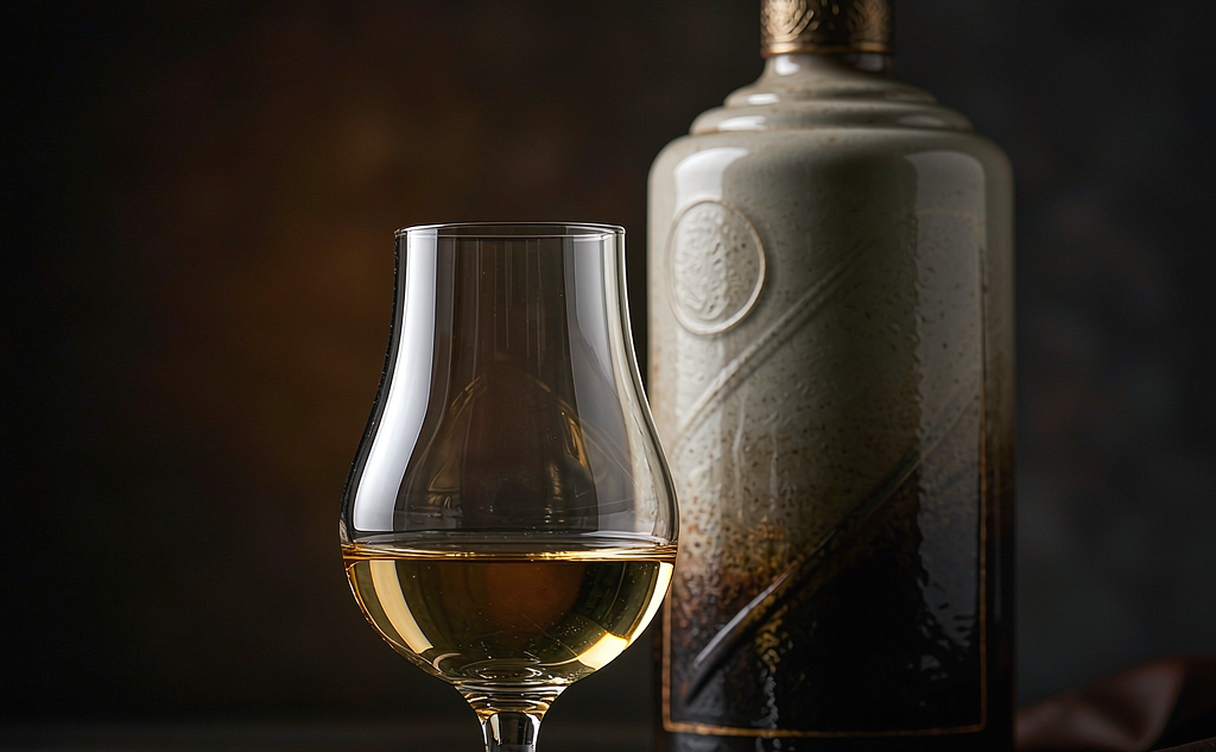
Moutai is a premium brand of Chinese baijiu produced in a small town of the same name in Guizhou province, in southwest China. The maker, Kweichow Moutai, is the most famous distiller in the country and is often described as the national liquor of China. When people say “Moutai,” they usually mean the flagship Kweichow Moutai Feitian (Flying Apsaras) bottling, a sauce-aroma baijiu made from sorghum and wheat. The brand name is also written in pinyin as “mao tai,” and the spirit has become a symbol of Chinese hospitality, diplomacy, and celebration.
Baijiu itself is a broad category of distilled grain liquor. Unlike whiskey or vodka, which are usually made by fermenting a liquid mash, Chinese baijiu is produced through solid-state fermentation of grains with a cultured starter called qu. The result is a spirit bottled at roughly 52 to 53 percent alcohol by volume, with aromas far more intense than most Western drinkers expect.
The History of Kweichow Moutai
The town of Maotai sits where the Chishui River bends through the hills of Guizhou. Local distilling there is centuries old, but the modern brand took shape in 1951, when several private workshops were consolidated into a state-owned distillery. The spirit gained national prestige in 1915 when a predecessor won recognition at the Panama-Pacific International Exposition, a story repeated proudly on labels and in visitor centers today.
Through the late twentieth century, Kweichow Moutai became the drink served at state banquets and given as a gift between officials and foreign guests. That political and ceremonial role is a big reason the brand carries such cultural weight. In 2001 the company listed on the Shanghai Stock Exchange, and today it is one of the most valuable liquor companies in the world. For travelers, the point is simple: ordering Moutai is not just buying a drink, it is buying into a piece of modern Chinese history.
What Makes Moutai Special
Several factors set Moutai apart from other baijiu and from most spirits anywhere.
First, the raw material is hard red sorghum grown near the distillery, combined with a wheat-based qu. Second, the process is painstaking. The grain is steamed and fermented in earthen pits, then distilled, and the cycle is repeated many times across a single production season that follows the harvest calendar. Moutai is made only during a narrow window each year, and the liquor is aged in ceramic jars for at least three years before blending. The whole journey from grain to bottle can take five years or more.
Third, there is terroir. The local water, climate, and microbial environment of the Maotai town area are considered essential. The distillery’s own rule is that production cannot simply be moved to a new factory elsewhere and still be called the real thing. That is why counterfeits are common and why authenticity matters so much.
The flavor is described by enthusiasts as sauce-aroma, with notes of soy, fermented bean, dried fruit, and a long savory finish. It is not sweet. The first sip can be a shock to newcomers, but regular drinkers prize exactly that complexity.
How Chinese People Drink It
Baijiu is almost never drunk casually at home alone. It is a social, communal drink, and Moutai sits at the top of that hierarchy.
The standard serve is a tiny cup, often just 10 to 15 milliliters, filled repeatedly through the meal. Toasts are central. At a Chinese banquet, the host proposes a group gan bei (dry the cup), and later individuals walk around the table offering one-on-one toasts to guests. Refusing is possible but noticeable, so visitors who do not drink should set expectations early and politely.
A few points of etiquette help you fit in. Do not fill your own glass; pouring for others is the polite move, especially for elders and guests of honor. When clinking, lower your glass slightly below the other person’s if they outrank or out-age you. Take small sips rather than large gulps. And never drink Moutai ice-cold or mixed with soda; it is served at room temperature, neat, in a small cup, so the aroma comes through.
If you are new to Chinese baijiu, start with a small amount and pace yourself. The alcohol is high, the meal is long, and the toasts keep coming.
For travelers who enjoy exploring local drinks more broadly, our china-craft-beer-guide covers the fast-growing craft brewing scene that now sits alongside traditional spirits.
Where to Buy and Try Moutai in Guizhou
The best place to understand the spirit is its home region. The town of Maotai, in Renhuai county of Guizhou province, is open to visitors, with distillery tours, museums, and tasting rooms that explain the production process end to end. Guizhou itself is a rewarding travel destination, with karst landscapes, cool summer weather, and a food culture built around sour and fermented flavors that pair naturally with strong liquor.
A great base for exploring the province is the riverside settlement covered in our guizhou-zhenyuan-ancient-town guide, where you can walk quiet old streets, cross stone bridges, and sample local food and drink at a slower pace than the big cities.
When buying a bottle, use official channels: large supermarkets, the distillery’s own shops, and licensed duty-free stores. Authentic Moutai carries anti-counterfeit markings, and prices for the flagship bottling are high and fairly consistent; a deal that looks too good is usually fake. Keep the receipt.
Planning Your Trip Around Chinese Spirits
Moutai fits naturally into a broader China itinerary, especially one that includes southwest China and its food traditions. If this is your first visit to the country, our china-travel-guide-for-first-timers walks through transport, payment apps, and etiquette basics that make a Guizhou side trip far easier.
For wider inspiration on what to see and taste across the country, see our best-things-to-do-china roundup, which pairs regional food and drink experiences with the headline sights.
FAQ: Common Questions About Moutai and Baijiu
What is Moutai?
Moutai is the leading brand of Chinese baijiu, a clear, high-proof grain liquor made in Maotai town, Guizhou. The producer, Kweichow Moutai, makes the sauce-aroma style from sorghum and wheat, aged for years before bottling. In pinyin the name appears as “mao tai,” and it is widely treated as China’s national spirit.
How to drink baijiu?
Serve it neat at room temperature in a small cup. Join group toasts (gan bei), pour for others rather than yourself, and take small sips. Do not chill it or mix it with soft drinks. Pace yourself, because the alcohol is strong and banquets are long.
What makes maotai liquor special compared with other baijiu?
The combination of red sorghum, a wheat-based qu, a multi-cycle fermentation that runs with the harvest season, long ceramic-jar aging, and the unique environment of the Maotai town area gives it a layered, savory sauce-aroma profile that other baijiu styles rarely match.
Where can I buy authentic Moutai?
Buy from official distillery shops, major supermarkets, and licensed duty-free outlets in China. Check anti-counterfeit features and keep your receipt, since fakes are common and the genuine bottle is expensive.
For a deeper factual background on the brand, history, and production, the Moutai entry on Wikipedia is a useful reference.
Final Thoughts
Moutai is more than a strong drink. It is a window into Chinese hospitality, business, and celebration, and a visit to its home in Guizhou turns an intimidating bottle into a story you can taste. Approach it with curiosity and respect for the etiquette, and you will leave with a far richer understanding of China than any sightseeing list alone can give.