

The capital of China is Beijing. It is the capital city for China and serves as the seat of government for the People’s Republic of China, which was founded in 1949. When travelers ask what is the capital of china, the short answer is always Beijing, a vast metropolis in the north of the country that blends imperial palaces, ancient hutong lanes, and a fast-growing modern skyline. Beijing is also the cultural and transportation hub that most first-time visitors use as a launchpad for the rest of the country. If you are building your first trip, our Beijing first-time travel guide is the best place to start.
Beijing has been the political heart of the nation for centuries, though it is far from the only city to hold that title. China’s long history includes many historic capitals, and understanding them adds real depth to any itinerary. Below we cover the present-day capital, the landmarks you should not miss, the cities that were capitals before Beijing, and practical ways to plan your visit around this fascinating story.
Is Beijing the Capital of China?
Yes. Beijing is the capital of people’s republic of china, and it has functioned as a capital or major imperial seat across multiple dynasties. The city we call Beijing today sits on the North China Plain, protected by mountains to the west and north. Its role as china capital was cemented in 1949 when the new government chose it over other candidate cities.
The name itself tells part of the story. “Beijing” means “northern capital” in Chinese, a label that only makes sense because a “southern capital” — Nanjing — also existed in Chinese history. That pairing is a useful reminder that the capital of a unified China has shifted more than once. For travelers, the practical takeaway is simple: if your goal is to see the symbols of national power, imperial history, and classic Chinese architecture, Beijing is the single most rewarding stop.
Beijing Today: The Must-See Landmarks
A visit to the china capital of china is built around a handful of unforgettable sites. The centerpiece is the Forbidden City, the vast imperial palace that housed Ming and Qing emperors for nearly 500 years. Plan ahead and book entry in advance with our Forbidden City tickets & guide, since timed tickets sell out during peak season. The palace’s golden rooftops and crimson walls are the most photographed image of Beijing, and they sit directly north of the city’s ceremonial center.
Just outside the city, the Great Wall of China Guide will help you choose between the restored Mutianyu section, the dramatic Jinshanling ridges, or the wild Jiankou stretches. The Great Wall is the one landmark that appears on nearly every visitor’s wish list, and Beijing is the easiest base for a day trip to it.
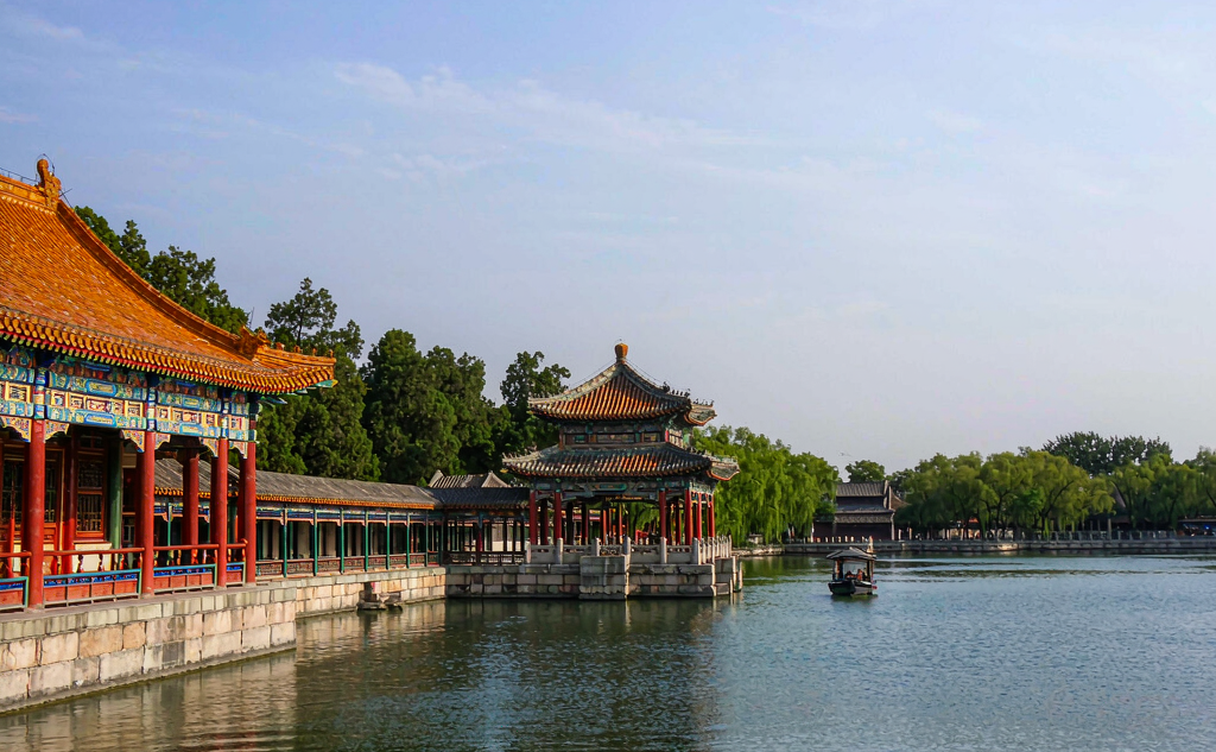
For a calmer, greener experience, the Summer Palace Beijing Guide covers the lakeside retreat where Qing emperors escaped the summer heat. Its long painted corridor and Kunming Lake make a relaxed half-day trip. Another favorite is the Temple of Heaven, where emperors once performed solemn rituals for good harvests; today its park is full of locals practicing tai chi and singing opera.
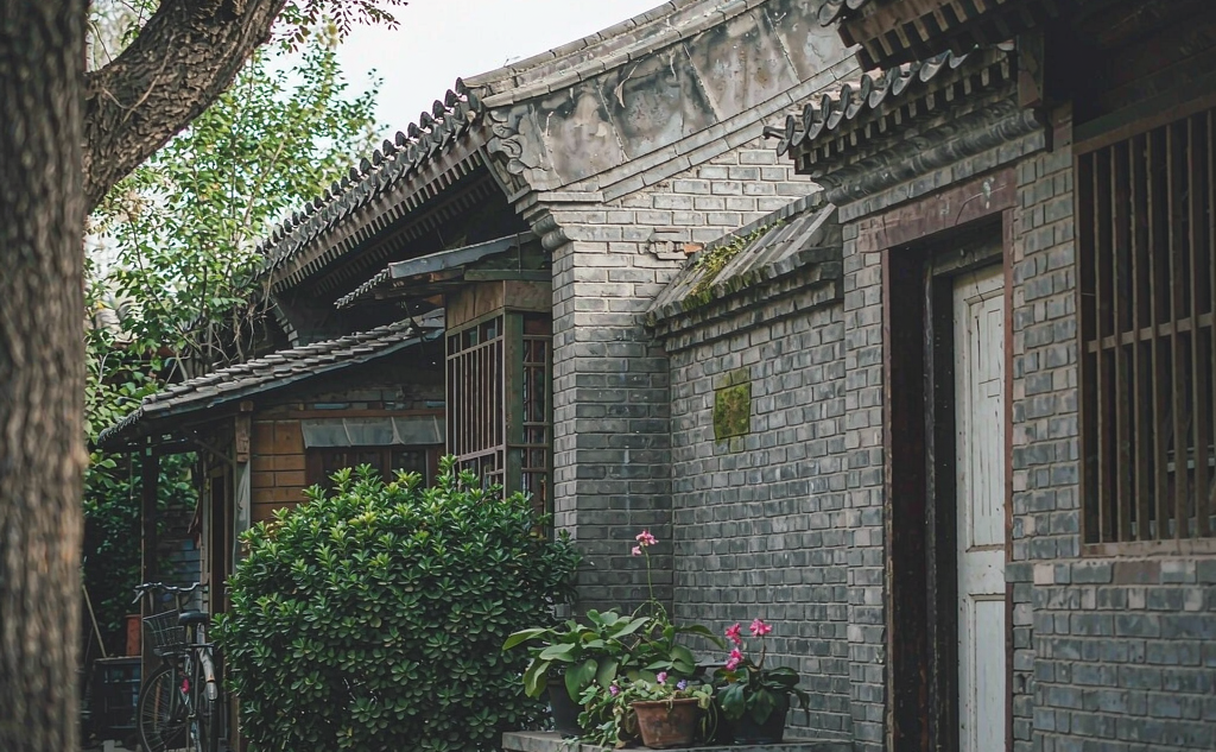
Then there are the hutongs — the grey-brick courtyard lanes that give Beijing its human scale. Wandering or cycling through them, especially around the Bell and Drum Towers or the Nanluoguxiang area, is the best way to feel the city’s older rhythm. A rickshaw ride through a hutong is touristy but genuinely fun, and it connects you to a way of life that date-stamped skyscrapers cannot match.
What Are the Historic Capitals of China?
China’s civilization is more than 3,000 years old, and its capital city for china has moved many times. Knowing the historic capitals helps you decide where else to travel after Beijing. The most famous former capitals include:
- Xi’an — capital of the Han and Tang dynasties, and the eastern end of the Silk Road. Today it is best known for the Terracotta Army.
- Luoyang — an ancient capital in Henan province, close to the Longmen Grottoes and the White Horse Temple.
- Nanjing — the “southern capital,” which served several dynasties and was the Republican-era capital before 1949.
- Hangzhou — the capital of the Southern Song dynasty, celebrated for West Lake and its gardens.
- Kaifeng and Anyang — earlier capitals that appear in the very earliest chapters of Chinese history.
Each of these cities rewards a visit, and several pair naturally with a Beijing trip. If your schedule allows, adding Xi’an gives you both the current and one of the greatest historic capitals of China in a single journey. For broader inspiration, browse our Best things to do in China to see how these cities fit into a wider route.
Beijing Food and Local Culture
No visit to the capital of China is complete without eating your way through its cuisine. Beijing’s signature dish is Peking duck, served with thin pancakes, scallions, and sweet bean sauce. The city also loves warming staples like zhajiangmian (noodles with fermented soybean paste), hearty hotpot, and street snacks from the Muslim Quarter near the Niujie area. For a deeper dive into regional food across the country, our China travel guide for first-timers includes a food section that explains what to try and how to order.
Beyond food, Beijing’s culture shows up in quiet moments: a tea house performance of Peking opera, a morning in a temple park, or an evening walk along the illuminated moat of the old city wall. These experiences are free or cheap, and they often become the memories travelers value most.
Planning Your Trip Around the Capital
Because Beijing is the main international gateway, most visitors structure their China trip around it. A common plan is to spend three full days in the city, then take the high-speed train to Xi’an, Shanghai, or Chengdu. If you want a tight, well-paced schedule, our Beijing 3-day itinerary lays out exactly how to split your time between the Forbidden City, the Great Wall, and the hutongs.
[CTA]Ready to explore the capital? Start with our Beijing first-time travel guide.[/CTA]
[CTA]Short on time? Follow our Beijing 3-day itinerary to see the highlights.[/CTA]
[CTA]Want the big picture? See the Best things to do in China before you book.[/CTA]
Frequently Asked Questions
What city is the capital of China?
Beijing is the capital city of China. It has served as the capital of the People’s Republic of China since 1949 and is the country’s political, cultural, and transportation center.
Is Beijing the capital of China today?
Yes. Beijing is the current capital of people’s republic of china and remains the seat of the national government. It is also one of the most visited cities in the country for both business and leisure travelers.
Were there other historic capitals of China?
Yes. Before Beijing, cities such as Xi’an, Luoyang, Nanjing, Hangzhou, and Kaifeng served as capitals during different dynasties. Each left behind palaces, tombs, and monuments that are now major tourist attractions.
How many days do I need in Beijing?
Most travelers spend three to four days. That is enough for the Forbidden City, a Great Wall day trip, the Summer Palace, and a hutong walk. A fifth day lets you add the Temple of Heaven or a side trip to the Ming Tombs.
For an authoritative overview of the city’s history and administration, see Britannica: Beijing.