

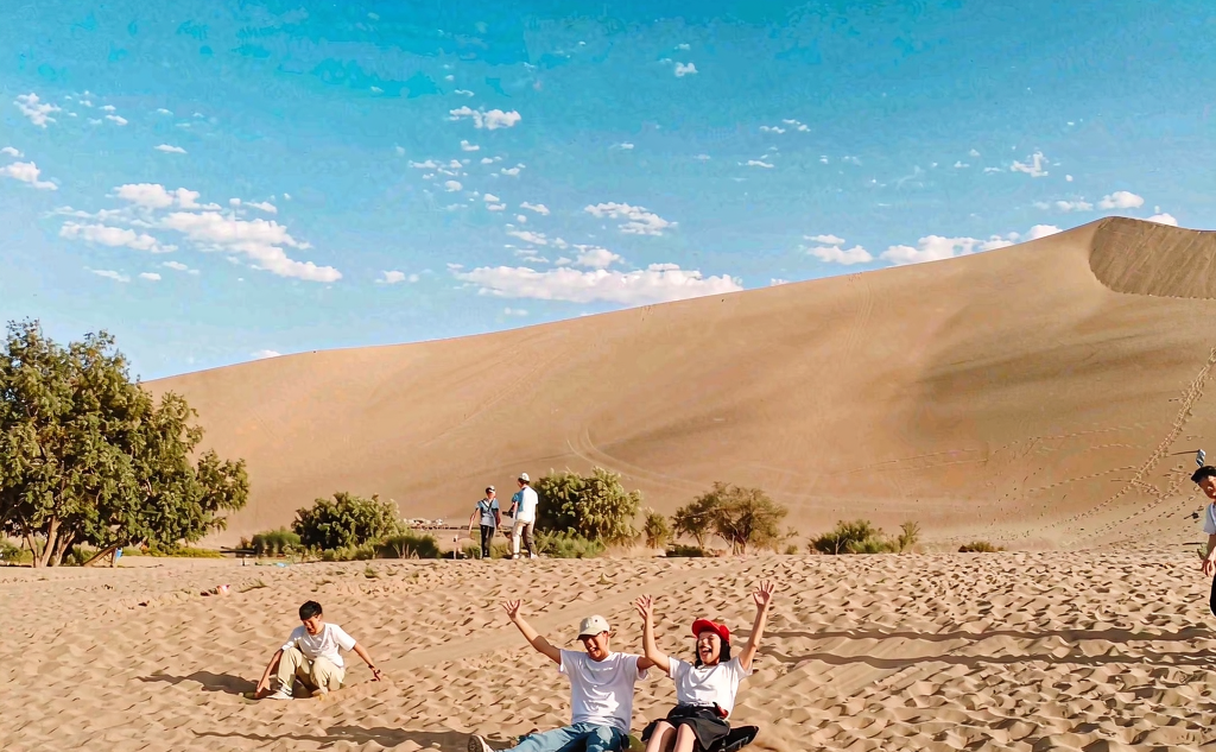
Xiangshawan, whose name means “singing sand bay,” is a desert resort in the Ordos region of Inner Mongolia, China, where the Kubuqi Desert meets the Yellow River. The headline attraction is the “singing sands” themselves: when visitors slide down certain dunes, the shifting grains let out a low hum that sounds like a distant drum or temple bell. Located about 50 kilometers from the city of Ordos and roughly 200 kilometers from Hohhot, Xiangshawan has been developed into one of northern China’s most accessible desert playgrounds. Travelers come for the rare combination of a genuine Inner Mongolia desert landscape and comfortable resort facilities. Whether you want a camel ride at sunrise or a zip line across the dunes, this is the easiest place to experience the singing sands without a rugged expedition.
Overview
The core of Xiangshawan is a belt of golden dunes along the southern edge of the Kubuqi Desert, the seventh-largest desert in China. The resort is organized into themed zones, the most famous being Yuesha Island and Fusha Island, each offering a different pace of activity. Yuesha Island leans toward family-friendly shows and gentle rides, while Fusha Island caters to visitors who want spa treatments, yoga, and quiet desert views. What makes the place special is the acoustic phenomenon: on dry, windless afternoons the sand emits a resonant tone, and scientists generally attribute the sound to the size, shape, and humidity of the grains as they slide and compress. The resort has invested heavily in infrastructure, so you can sleep in a climate-controlled room yet step straight onto an open dune field within minutes.
How to Get There from Hohhot and Ordos
Most international and domestic visitors reach the area through Hohhot, the regional capital, or through Ordos, the closer city. The question of how to get to Xiangshawan from Hohhot is common because Hohhot has the larger airport and train connections. From Hohhot East Railway Station you can take a high-speed train to Ordos, a journey of roughly one and a half hours, then hire a car or join a shuttle for the final 50 kilometers to the resort gates. Driving directly from Hohhot takes about two and a half to three hours along well-paved highways.
If you arrive at Ordos Ejin Horo Airport, the resort is only about 40 to 50 minutes away by taxi or private transfer, making Ordos the more efficient gateway for a short trip. Buses also run from Ordos city to the Xiangshawan area, though schedules are limited and a private transfer is far more comfortable with luggage. Either way, plan your arrival before late afternoon so you can catch the dunes in good light and check in before the evening wind picks up.
Planning a longer northern loop? Our Hohhot travel guide covers flights, trains, and where to stay before you head into the desert.
Best Time to Visit
The best time to visit Xiangshawan is from late May through early October, when daytime temperatures are warm enough for outdoor activities but not dangerously hot. Summer months bring the liveliest atmosphere, with evening shows and the clearest chance to hear the singing sands on dry afternoons. July and August are peak season, so expect more crowds and higher room rates; if you prefer quieter dunes, aim for June or September.
Winter is harsh and windy, with many resort facilities partially closed, so it is not recommended for first-time visitors. Spring can be pleasant but is also the windiest season, which sometimes reduces visibility and makes the sand sound less reliable. A clear, calm, and dry day is the sweet spot for the acoustic effect, so build some flexibility into your schedule. For photography, the hours just after sunrise and just before sunset give the dunes their richest color and the softest light.
What to Do: Camel Rides and Desert Activities
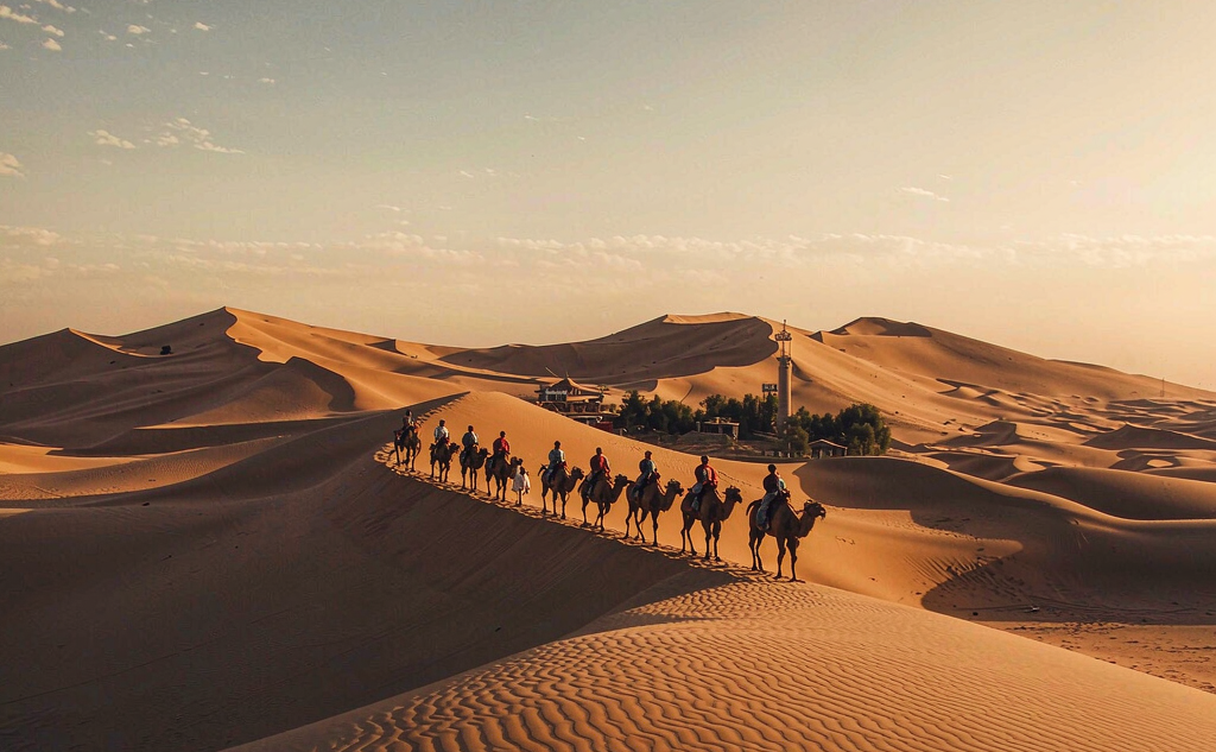
A Xiangshawan camel ride is the signature experience, and caravans depart regularly from the dune bases for a slow walk across the open sand. Sitting atop a Bactrian camel as it pads over the crest of a dune is the classic Inner Mongolia postcard moment, and the ride is suitable for most ages. Beyond camels, the resort packs in a surprising range of activities: dune buggies, sand sledding, a desert zip line, hot-air-balloon flights, and even a small amusement park on the sand.
Adventure seekers can try the desert rally track or the rope course, while those who want to relax can book a sand-therapy session, where warm grains are used for a natural spa treatment. Evening brings song-and-dance performances that showcase Mongolian music and costume, followed by star-gazing in the dry desert air. Because the resort is fenced and managed, you get the thrill of the Inner Mongolia desert without the logistics of a self-supported expedition. If you are building a regional route, consider reading our Inner Mongolia 7-day itinerary for ideas that pair dunes with grasslands.
Where to Stay
Xiangshawan offers on-site resort hotels, which is the main reason it is so convenient compared with wilder desert spots. Staying inside the resort means you can watch the sunrise over the dunes without a long transfer, and you avoid the midday heat by retreating to an air-conditioned room. Rooms range from standard desert lodges to higher-end yurt-style suites, and packages often bundle admission, meals, and activity passes.
If you prefer city comforts, you can base yourself in Ordos or Hohhot and make a day or overnight trip out, which pairs well with urban sightseeing. Ordos itself is worth a stop, and our Ordos travel guide explains the city’s museums and the nearby mausoleum site. Booking the resort directly through a package is usually cheaper than buying tickets and rooms separately, especially in peak summer.
Want to combine the dunes with a steppe adventure? Explore the Inner Mongolia Hulunbuir grassland for the green side of the region after your desert stay.
Travel Tips
A few practical notes make a Xiangshawan trip smoother. Bring sunglasses, a scarf for blowing sand, high-SPF sunscreen, and closed shoes, because the surface gets hot and the glare is strong. Hydration matters in the dry air, so carry water during activities. Dress in layers, since desert temperatures swing widely between midday and night.
Buy your tickets and resort packages in advance during summer and national holidays to avoid sold-out rooms. Keep some cash and a mobile payment app ready, though most resort vendors now accept cards and international mobile pay. If hearing the singing sands is your priority, choose a dry, windless afternoon and ask staff which dune is sounding that day, because the effect shifts with conditions. For a deeper cultural context on the wider region and its famous historical sites, our Genghis Khan Mausoleum Ordos guide is a useful companion read.
FAQ
Is Xiangshawan suitable for families with children?
Yes. The resort’s Yuesha Island has gentle rides, sand play areas, and performances that work well for kids, and the camel rides are generally calm. Just keep children hydrated and protected from the sun.
Can I hear the singing sands year-round?
The sound is most reliable on hot, dry, windless days, so summer and early autumn offer the best odds. Windy or damp conditions mute the effect.
Do I need to speak the local language?
Not really. The resort caters to tourists and has signage and staff accustomed to visitors, though a translation app helps for off-site travel.
How long should I spend there?
One night and a full day is enough to enjoy the main activities, though two nights lets you catch both sunrise and sunset on the dunes. Desert environments like this are part of a fragile system; according to background information from Britannica’s desert overview, arid regions are among the most sensitive landscapes on Earth, so follow resort guidelines to protect the sand.
Hungry after the dunes? Our Inner Mongolia lamb guide shows you where to enjoy the region’s signature roast lamb and dairy dishes.