

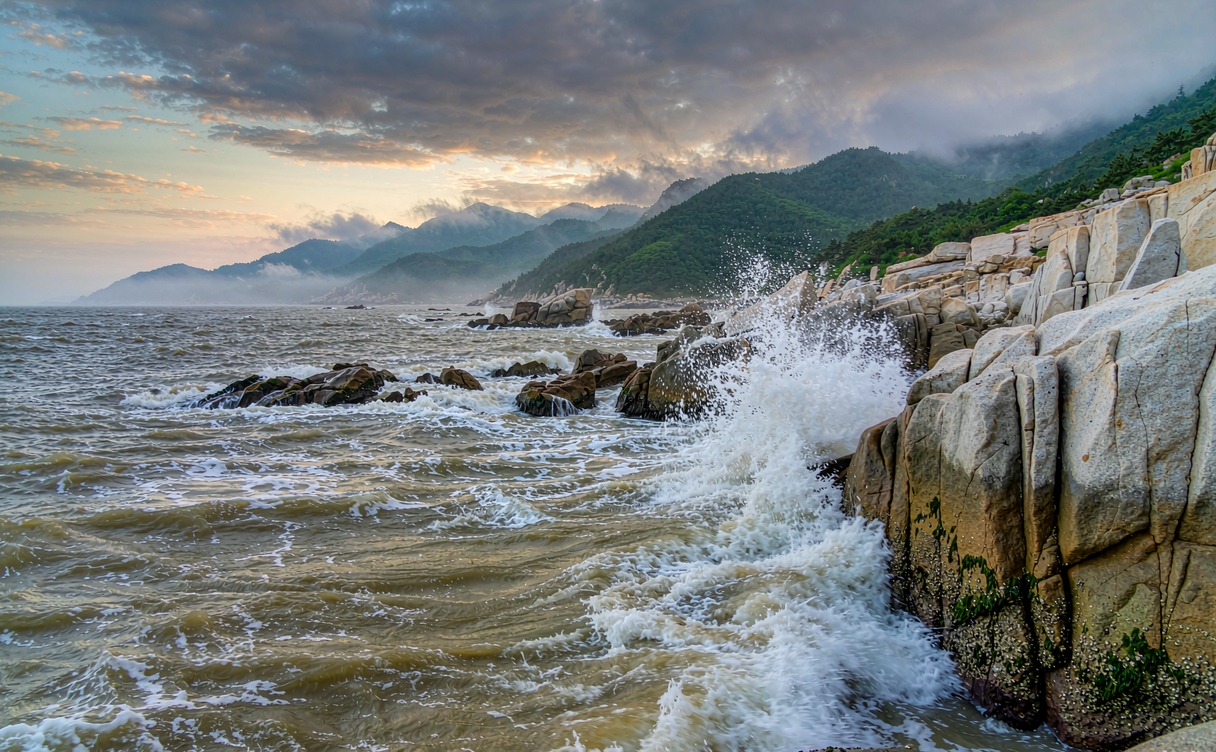
Rising straight out of the Yellow Sea on the eastern edge of Qingdao, Mount Lao is one of the few mountains in China where you can watch the ocean crash against cliffs that cradle thousand-year-old temples. Known to locals as Lao Shan, this granite peak has been a sacred Taoist site for more than two millennia, drawing emperors, poets, and pilgrims who came to breathe its misty air and listen to the waves below. For travelers building a Shandong itinerary, a Mount Lao Qingdao day trip is the perfect counterpoint to the city’s beer halls and beachfront promenades.
This Mount Lao Qingdao guide covers everything you need before you go: how to reach the mountain, when to visit, what to see at its Taoist temples, and practical Mount Lao travel tips that will save you time and money.
Why Mount Lao Deserves a Place on Your Itinerary
Most visitors arrive in Qingdao for the seafood, the German-era architecture, and the famous brewery, yet the city’s most dramatic landscape sits about 30 kilometers to the east. Mount Lao is the highest coastal peak in China, with its main summit, Jufeng, reaching roughly 1,132 meters above sea level. From the top on a clear day you can see the curvature of the coastline and the shimmering water stretching to the horizon.
The mountain is also one of the birthplaces of the Quanzhen school of Taoism, and its cliffs are dotted with monasteries, caves, and springs said to have healing properties. The combination of spiritual heritage and raw natural beauty makes it a standout among Qingdao attractions, especially for travelers who want more than a city break.
Best Time to Visit Mount Lao
Timing your trip well is one of the simplest Mount Lao travel tips to follow. The mountain has four distinct seasons, and each offers a different mood. Spring (April to May) brings fresh greenery and blooming wildflowers, while autumn (September to October) is widely considered the best time to visit Mount Lao because the skies are clearest and the humidity drops, giving you the best chance of unobstructed summit views.
Summer is the peak tourist season, with warm weather and the occasional sea breeze, but afternoons can bring fog that hides the panoramas. Winters are cold and quiet, with occasional snow that turns the granite into a striking silver landscape, though some paths may close. If you want to avoid crowds and still catch good weather, aim for a weekday in late September or early October.
How to Get to Mount Lao
Understanding how to get to Mount Lao is essential because the mountain is large and the entrances are far apart. There are three main tourist routes, each with its own gate: the Southern Route (Dahedong), the Eastern Route (Yangkou), and the lesser-used Northern Route. Most first-time visitors choose the Southern Route because it is closest to the Taoist heart of the mountain and offers cable cars to the upper sections.
From central Qingdao, the easiest public option is the tourist bus that departs from the Qingdao Railway Station area and the Fenghuangdao bus hub, taking roughly 90 minutes. A faster but pricier choice is a taxi or ride-hailing car, which gets you to the Dahedong entrance in about an hour. If you are basing yourself downtown, our best hotels in Qingdao roundup can help you pick a neighborhood with quick access to the bus lines.
Once inside, a combination of shuttle buses and cable cars connects the lower courtyards to the higher temples, so you do not need to be a serious hiker to enjoy the highlights. Budget at least five to six hours for a relaxed visit that includes the main circuit.
Mount Lao Taoist Temples and Sacred Sites
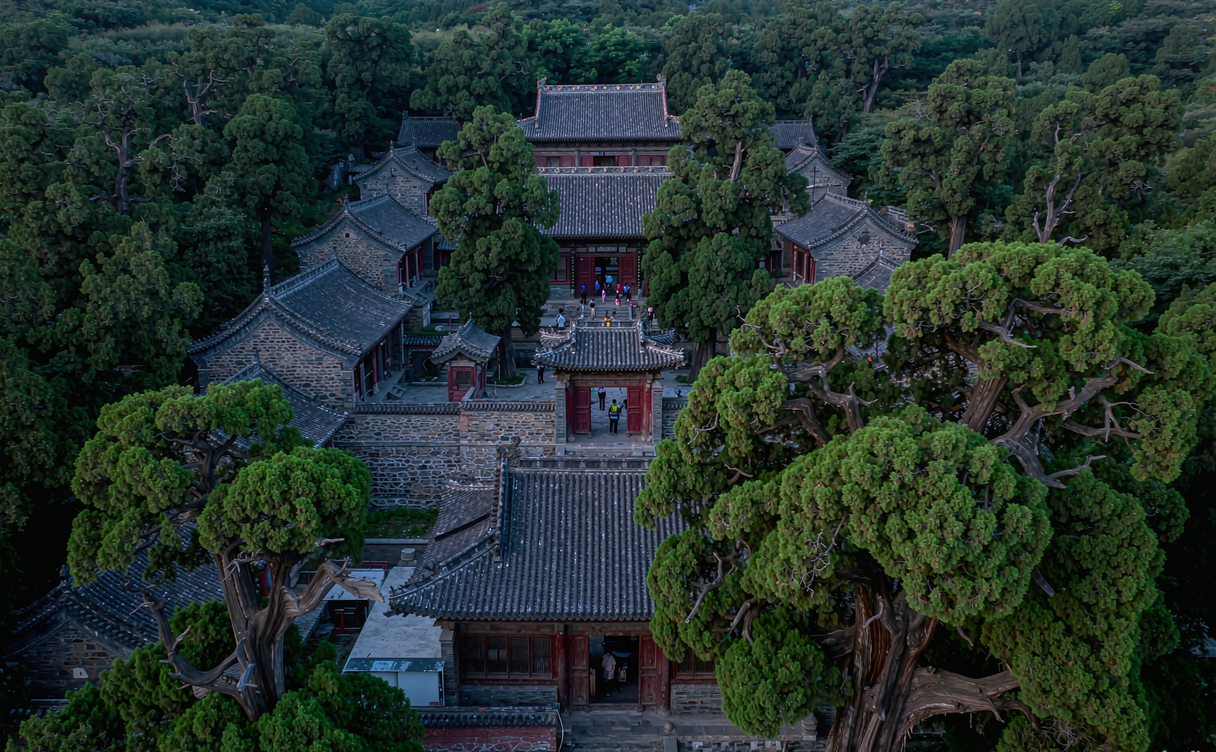
The spiritual core of the mountain is its collection of Taoist temples, and no Mount Lao Taoist temples visit is complete without stopping at Taiqing Palace. This is the largest and most important temple complex on the mountain, set in a sheltered valley near the sea with ancient cypress trees and a calm reflecting pond. Monks still perform rituals here, and the incense smoke drifting through the stone arches makes for a memorable atmosphere.
Nearby, the Huayan Temple offers a quieter experience on the eastern side, while the Shangqing Palace and numerous small shrines line the paths between them. Scattered across the cliffs you will also find inscribed rocks, meditation caves, and natural springs where pilgrims once drank for longevity. The famous Lao Shan spring water is still bottled and sold across Qingdao, and tasting it at its source is a small but authentic pleasure.
Hiking, Cable Cars, and What to Pack
You do not have to climb every step to enjoy Mount Lao, but a little walking rewards you with hidden viewpoints. The Southern Route combines shuttle buses with an optional cable car to the middle mountain, then a final paved ascent to the Jufeng summit area. Ambitious hikers can take the longer ridge trails, but these require good shoes and a full day.
Among the most useful Mount Lao travel tips is to wear layered clothing even in summer, because the temperature at the summit can be ten degrees cooler than the coast and the wind is strong. Bring water, a light rain jacket, and sun protection, since the granite reflects a lot of light. Comfortable trail shoes will serve you far better than sandals on the uneven stone paths.
Combine Mount Lao with More of Shandong
A trip to Mount Lao pairs naturally with the rest of Shandong province. If you are starting your journey in the provincial capital, our Jinan travel guide explains how to explore the city of springs, while the Heihu Spring Jinan guide points you to one of Jinan’s most atmospheric spots. Food lovers should not miss the Jinan food guide for a taste of local Shandong cuisine.
When it comes to where to sleep, Qingdao has options for every budget, and our best hotels in Qingdao list highlights the most convenient bases. If your route also includes the capital, the best hotels in Jinan guide will help you book a comfortable stay before or after the mountains.
Planning the rest of your Shandong trip? Our Jinan travel guide maps out the city of springs just a train ride away.
Practical Mount Lao Travel Tips
A few final pointers will make your visit smoother. Arrive early, ideally when the gates open, to enjoy the temples before tour groups arrive around mid-morning. Buy your ticket online in advance during holidays, as the mountain limits daily entry numbers to protect the environment. Carry some cash, because smaller temple donation boxes and a few snack stalls may not accept cards or mobile pay reliably.
Guides are available at the main gates and can enrich your understanding of the Taoist symbolism carved into the rocks, though the well-marked paths are easy to follow on your own. If you want to learn more about the mountain before you go, the Mount Lao Qingdao guide on our site offers deeper detail on each route and temple.
Staying in the city? Our best hotels in Qingdao roundup helps you book the right neighborhood.
Mount Lao in Context
Mount Lao’s cultural weight extends well beyond Qingdao. It has inspired generations of Taoist poets and is celebrated in classical Chinese landscape writing as a place where the sea and the sacred meet. For a broader historical perspective on Taoism and its mountain retreats, Britannica offers a clear overview of the tradition’s origins and practices at Britannica on Taoism. Understanding this background adds a layer of meaning to the quiet courtyards you will walk through.
Want more ideas for your coastal Shandong route? Browse our best hotels in Qingdao and build a stay near the sea.
Final Thoughts
Mount Lao is the kind of destination that rewards slowing down. Spend a morning among its temples, pause at a cliff edge where the sea birds ride the wind, and you will understand why this coastline has been sacred ground for centuries. Whether you come for the hiking, the history, or simply the view, a Mount Lao Qingdao excursion will be one of the highlights of your time in Shandong. With the right timing and a little planning, this coastal Taoist peak is an easy and unforgettable addition to any Qingdao attractions list.