

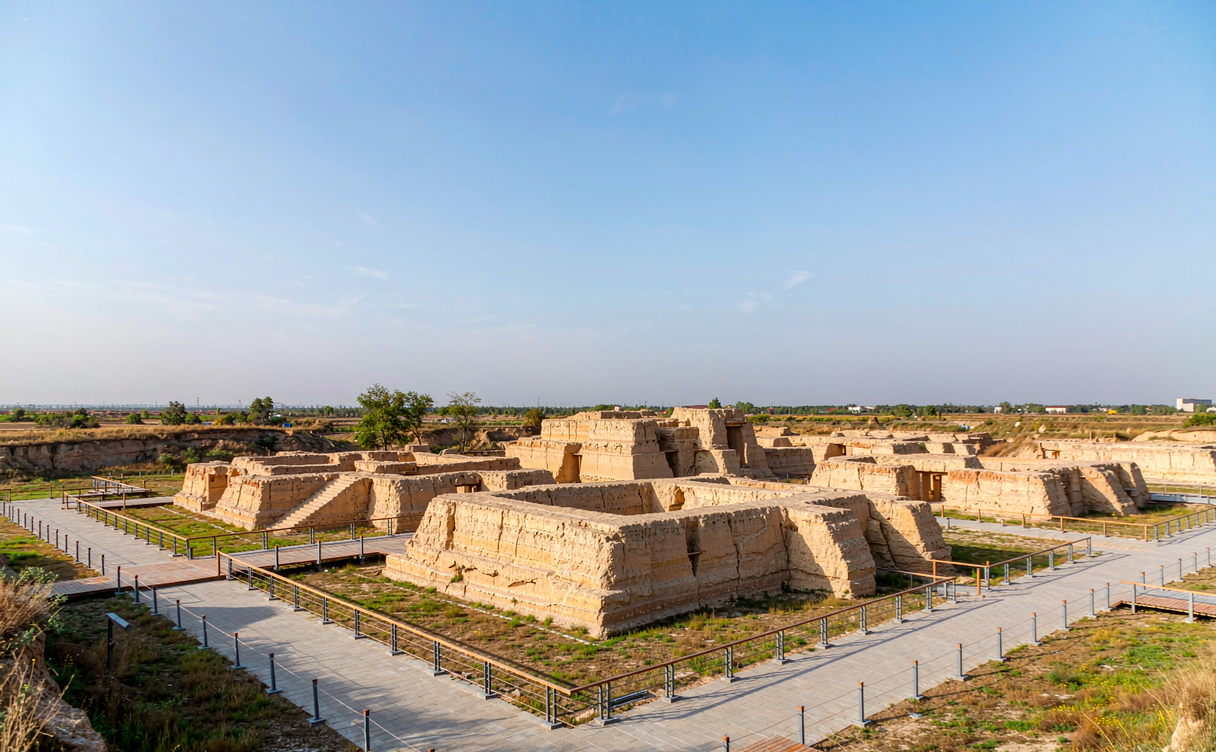
Yin Xu, the ruined capital of the late Shang Dynasty, sits on the banks of the Huan River in the northern Henan city of Anyang. For more than two centuries it was the political, ceremonial, and economic heart of one of the earliest documented civilizations in East Asia. Today the site is an open-air museum where you can walk across the very ground where royal ancestors were worshipped, bronze was cast, and the earliest Chinese writing was carved into bone. A Yin Xu Anyang visit is less a sightseeing stop and more a step into the foundations of Chinese history.
This Yin Xu Anyang guide covers what the site actually contains, how to reach it, when to go, and practical Yin Xu travel tips so you can plan a smooth, rewarding day. Whether you are a history lover, a photography enthusiast, or simply passing through Henan, Yin Xu deserves a place on your itinerary. Pair it with our Anyang travel guide for transport, food, and hotel suggestions in the wider city.
What Makes Yin Xu Important
Yin Xu was the last capital of the Shang Dynasty, occupied from roughly 1300 BCE until the dynasty fell around 1046 BCE. The site sprawls across both sides of the Huan River and includes palace and tomb foundations, residential areas, workshops for bronze and bone, and a royal cemetery. What sets it apart from many ancient ruins is the sheer volume of written evidence recovered here.
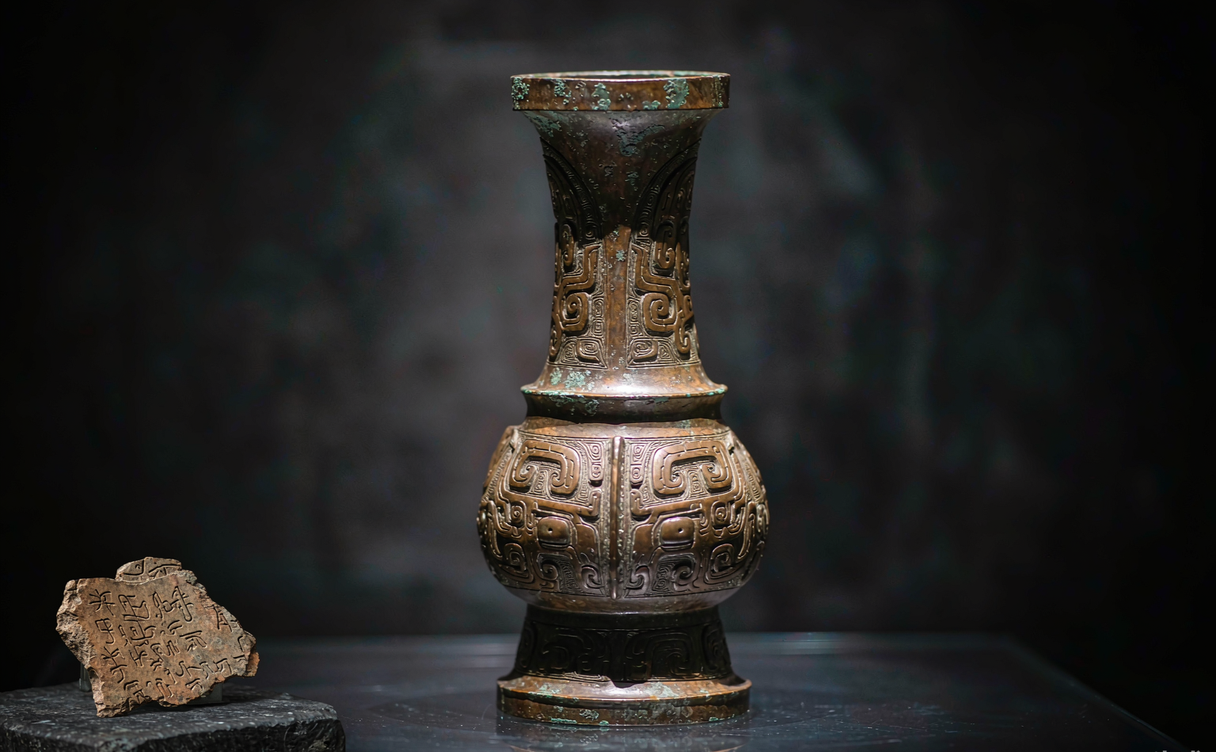
The most famous finds are the oracle bones, pieces of turtle shell and animal bone inscribed with early Chinese characters used for royal divination. These texts record questions about harvests, weather, warfare, and the health of kings. Because the inscriptions name specific Shang rulers, they allowed historians to confirm the dynasty as a real historical period rather than legend. That is why Yin Xu oracle bones are considered one of the great archaeological discoveries of the twentieth century.
In 2006 Yin Xu was inscribed on the UNESCO World Heritage List as a property of outstanding universal value. UNESCO describes it as the earliest and largest archaeological site from the late Shang period that can be dated with certainty, and as the source of the earliest known body of Chinese writing. You can read the official description on the UNESCO World Heritage Centre page for the site.
How to Get to Yin Xu
If you are planning your route, knowing how to get to Yin Xu is the first practical step. Anyang is well connected by high-speed rail. Trains from Beijing, Zhengzhou, and Luoyang arrive at Anyang East Railway Station. From there you can take a taxi or a local bus toward the Yindu District, where the main excavation zones are located. The ride from the station to the site usually takes about forty minutes depending on traffic.
Within the city, public buses also reach the museum area, though timetables can be irregular for non-Chinese speakers. Many visitors simply use a ride-hailing app once they arrive. If you are touring Henan by car, Yin Xu is an easy detour between Luoyang and Kaifeng, and it pairs naturally with other provincial highlights such as the Baiyun Mountain Luoyang guide for mountain scenery or the Kaifeng Millennium City Park guide for Song Dynasty culture.
Planning a rail trip through Henan? Pair your visit with our Anyang travel guide for a full itinerary.
What to See at the Site
The visitor experience is spread across a few key zones, each with its own focus. Allow at least three to four hours to see the main highlights without rushing.
The Palace and Ancestral Sacrifice Area
This is the core of the capital, where archaeologists uncovered the foundations of royal courtyards, rammed-earth walls, and large pits used for ceremonial offerings. Wooden posts no longer stand, but the outlines of palaces are marked clearly on the ground, letting you trace the layout of a Bronze Age court. Informational panels explain which structures served as audience halls and which were used for ritual.
The Royal Tomb Zone
On the opposite bank lies the royal cemetery, most famously the tomb of Fu Hao, a queen and military leader whose burial was found remarkably intact. Her tomb yielded bronze ritual vessels, jade, bone, and ivory objects, many of which are displayed in the on-site museum. The scale and craftsmanship of these pieces show how advanced Shang bronze casting had become.
The Yin Xu Museum
The modern museum building houses the best of the excavated collection, including oracle bone inscriptions, massive bronze tripods, and everyday items that reveal how common people lived. The exhibits are well lit and labeled in both Chinese and English, making the site accessible even if you arrive without a guide.
Best Time to Visit Yin Xu
Climate shapes the experience more than you might expect, so choosing the best time to visit Yin Xu matters. Anyang sits in a temperate zone with four distinct seasons. Spring, from April to early June, brings mild temperatures and blooming trees, making it comfortable to walk the open excavation grounds. Autumn, especially September and October, is also excellent, with cool dry air and clear skies.
Summer can be hot and humid, and much of the site is uncovered, so midday sun is intense. Winter is cold but quiet, and you may have the grounds almost to yourself. Whenever you go, aim for a morning arrival to beat both the heat and the tour bus crowds. Local food is part of the appeal too; our Henan Yu cuisine guide points you to noodle and dumpling shops worth the trip.
Practical Yin Xu Travel Tips
A few Yin Xu travel tips will save you time and money. First, buy your ticket online in advance during weekends and holidays, since the site caps daily entries. Wear sturdy shoes, because the grounds are large and partly unpaved. Bring water and a sun hat in warm months, and carry a light jacket in spring and autumn when the wind picks up.
Second, consider hiring a licensed guide at the entrance. The artifacts are stunning, but the stories behind them make the visit memorable. A guide can translate the oracle bone inscriptions and explain the symbolism of the bronze motifs. Third, photograph respectfully. Flash is forbidden near fragile bones and bronzes, so use natural light.
Want to stay nearby? Compare comfortable options in the region with our best hotels in Luoyang guide before you book.
Useful Information for Visitors
Opening hours are typically from morning until late afternoon, with the last entry about an hour before closing. The site is closed on certain public holidays for maintenance, so check ahead. Ticket prices are modest compared with major European museums, and students often receive a discount with valid identification.
Facilities include a visitor center, restrooms, and a small gift shop selling replicas of oracle bones and bronze trinkets. There are limited dining options inside, so eat before you arrive or plan a meal in central Anyang afterward. If you are building a longer Henan route, our Kaifeng travel guide helps you extend the journey eastward toward the old Song capital.
Why Yin Xu Belongs on Your China Itinerary
Among the many Anyang attractions, Yin Xu is the one with global significance. Few places let you stand where a documented ancient dynasty actually ruled, and fewer still preserve the written records that prove it. The combination of vast excavated grounds, a world-class museum, and the world’s earliest Chinese texts creates an experience that no museum hallway can fully replace.
For travelers interested in the deep roots of Chinese civilization, Yin Xu is unmissable. It complements the natural beauty of Henan’s mountains and the liveliness of its cities, giving your trip a historical anchor. Take your time, read the panels, and imagine the court that once stood on this quiet ground.
Ready to explore more of the province? Start with our Anyang travel guide and build your perfect Henan route today.