

Standing on the eastern shore of China’s largest freshwater lake, Yueyang Tower is one of the most celebrated wooden towers in the country and a highlight among Hunan attractions. Unlike many famous Chinese towers that were rebuilt in concrete or steel, this structure preserves an authentic ancient timber frame held together without a single nail. For travelers who love history, literature, and lakeside scenery, a Yueyang Tower guide is the perfect companion before setting out.
A Brief History of the Tower
The site has been a landmark for more than 1,700 years. The original tower was built during the Three Kingdoms period as a military watchtower, then transformed into a scenic pavilion over the following centuries. Its fame spread far and wide after the Song dynasty statesman and writer Fan Zhongyan composed the essay “Memories of Yueyang Tower,” which praised the virtue of putting the people before personal concerns. That single literary work turned a regional building into a symbol of Chinese civic ideals.
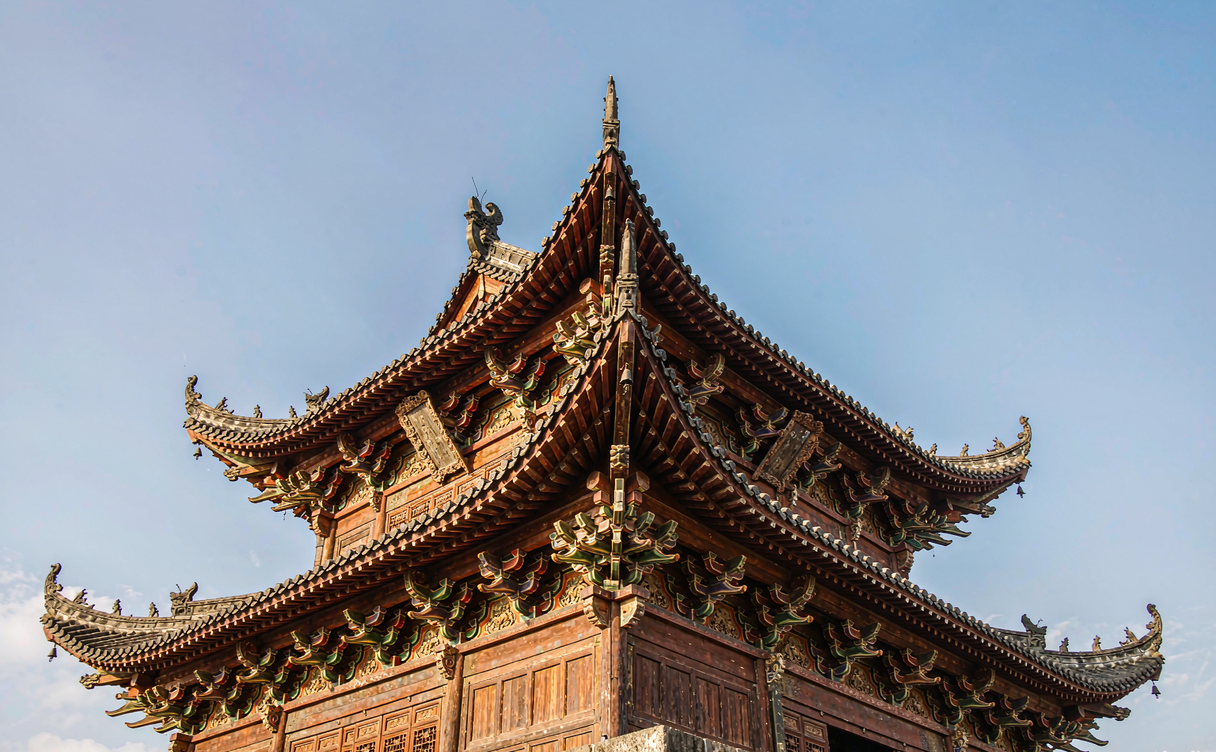
What makes the tower special today is its construction. The main building rises three stories and reaches about 21 meters, yet it relies on a complicated system of interlocking wooden brackets and beams. Visitors can study the sloping roof with its camel-back ridge ornaments and the intricate joinery that has kept the structure standing through earthquakes and storms. For anyone building a Yueyang Tower guide, the architecture alone deserves a full section.
The Tower and Dongting Lake
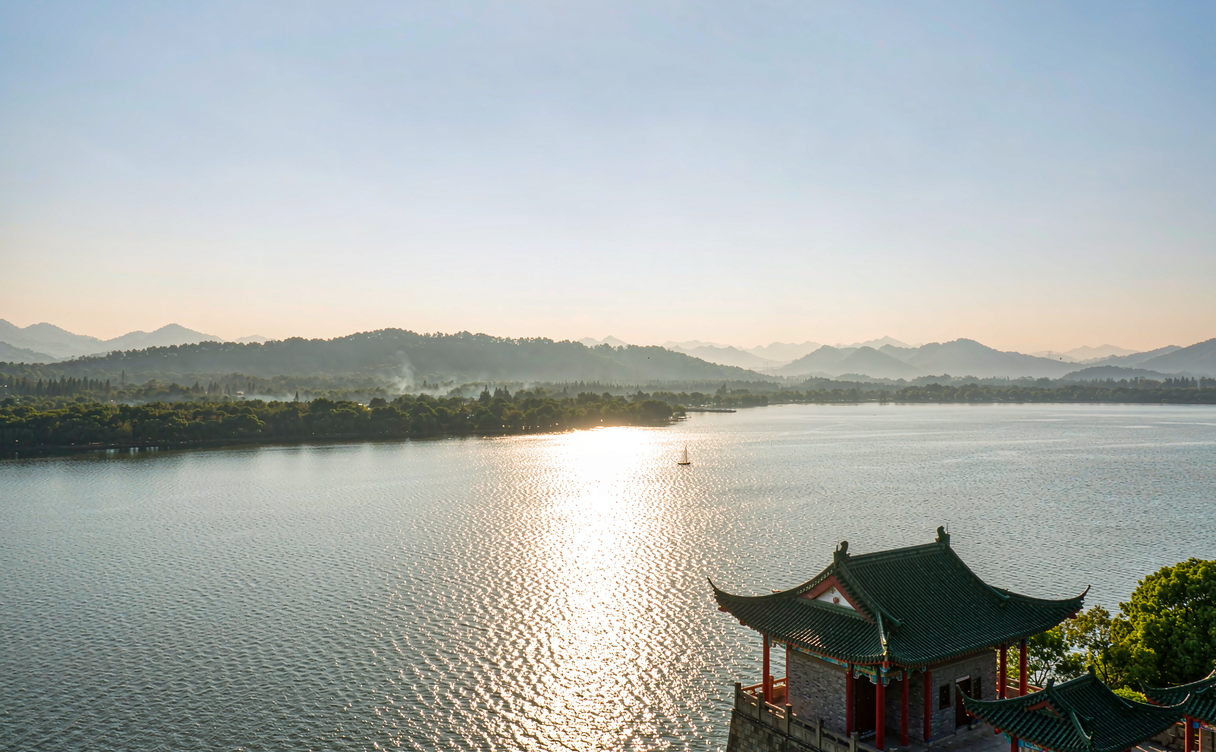
The most striking feature of any visit is the setting. Yueyang Tower Dongting Lake views are open, vast, and ever-changing with the seasons. Dongting Lake is the second-largest freshwater lake in China and a crucial flood-basin for the Yangtze River. From the upper floors, you look out across a sheet of water that seems to merge with the sky, especially in late autumn when the reeds turn silver and migratory birds gather along the shore.
The relationship between the tower and the lake is the heart of the experience. Ancient poets described the scene as “a universe of mist and waves,” and modern visitors still feel the same awe. Early morning fog, midday sun sparkling on the water, and crimson sunset each offer a different photograph. This is why Yueyang Tower Dongting Lake is repeatedly named among the great lake-and-tower combinations in the world.
How to Get to Yueyang Tower
Understanding how to get to Yueyang Tower is straightforward thanks to the city’s rail connections. Yueyang is on the Beijing-Guangzhou high-speed railway line, with frequent trains from Changsha (about 30 to 50 minutes) and Wuhan (about one hour). From Yueyang East Railway Station, a taxi or city bus will take you to the scenic area in roughly 20 to 30 minutes.
If you are starting from the provincial capital, our Changsha travel guide explains how to combine the trip with other Hunan highlights. Travelers coming from Hubei can check our best hotels in Wuhan before heading south. Once inside the walled scenic zone, the tower is an easy walk from the entrance, and clear signs point the way past smaller pavilions and memorial gates.
Within the city, public buses 5, 15, and 22 all stop near the lakefront, and ride-hailing apps work reliably. Because the site is compact, most visitors do not need a car; walking is the best way to absorb the atmosphere of the old city walls that border the water.
Best Time to Visit Yueyang Tower
Knowing the best time to visit Yueyang Tower helps you avoid crowds and enjoy the scenery. Spring (March to May) brings mild weather and fresh green reeds, while autumn (September to November) offers clear skies and the famous “misty waves” light that inspired the classical essays. Many travelers consider late autumn the peak season for photography because the lake is calm and the light is golden.
Summer can be hot and humid, and occasional heavy rains raise the water level dramatically, which is itself a dramatic sight but less comfortable for walking. Winter is cold but quiet, perfect for visitors who prefer empty pathways and a meditative mood. Whatever the season, weekdays are far less busy than weekends and public holidays such as National Day in early October.
What to See Inside and Around
Climbing the tower rewards you with layered views and a small museum of cultural relics. On the ground floor, a giant carved screen displays Fan Zhongyan’s essay in elegant calligraphy. The second floor holds historical exhibits about the tower’s reconstruction through the dynasties, and the top floor is an open viewing platform with railings facing the lake.
Around the complex, several smaller structures deserve attention. The “Three Drunkards Pavilion” area, the ancient city wall, and the Baling Bridge each tell part of Yueyang’s story. A short walk south along the shore leads to the entrance of the wetland reserve where you may spot cranes and geese in season. These stops turn a quick photo stop into a half-day of relaxed exploration.
Yueyang Travel Tips
Smart Yueyang travel tips make the trip smoother. Arrive right when the gates open to catch soft morning light and thin crowds. Wear comfortable shoes because the scenic area involves stone paths and stairs. Bring water and a light jacket, since lake winds can be cooler than the city center. Tickets are modest, and an audio guide or local guide greatly enriches the literary background.
Food lovers should not miss the local cuisine. Yueyang sits between the lake and the farmland, so fish, lotus root, and river shrimp feature heavily. Before or after your visit, browse our Changsha food guide for regional dishes you can sample across Hunan. For an overnight stay, our best hotels in Changsha lists comfortable bases within easy train reach of Yueyang.
If you want to extend the trip, the sacred peak to the south is covered in our Hengshan Mountain Hunan guide, and the lake itself is detailed in our Dongting Lake guide. Together these make a rewarding Hunan loop that balances culture, nature, and history.
Nearby Attractions in Yueyang City
A complete Yueyang Tower guide should also note the other sights within easy reach. Just north of the tower sits Junshan Island, a small leafy islet in Dongting Lake famous for twin tombs linked to an ancient love legend and for fields of silver tea bushes. A short ferry hop delivers you to quiet paths, pavilions, and bird blinds that are especially lively in winter.
Back in the city, the Yueyang Museum holds Bronze Age artifacts and exhibits on local folk culture, a good rainy-day alternative. Food markets near the lakefront serve steamed fish with chili and lotus-seed soup, letting you taste the region before exploring the wider province. These extras make Yueyang an easy one- or two-night stop rather than a rushed half day, and they round out the best of Hunan attractions for first-time visitors.
Why Yueyang Tower Belongs on Your Itinerary
Few landmarks combine literature, architecture, and natural beauty so completely. The tower is not just an old building; it is a place where a thousand years of Chinese thought about public service and harmony with nature still feel present. Standing at the railing, watching a fishing boat drift across the wide water, you understand why generations of writers returned here for inspiration.
For deeper historical context, Travel China Guide offers a concise, authoritative overview of the tower’s cultural significance and its place in Chinese literary history. Pairing that background with an on-site visit turns a simple sightseeing stop into a meaningful encounter with Hunan’s heritage.
Planning a Hunan trip? Our Changsha travel guide covers the province’s highlights.
Looking for a place to stay near the lake? Compare options in our best hotels in Changsha guide before you book.
Want the full wetland experience? Read our Dongting Lake guide to plan birdwatching and boat trips.
Whether you are a history buff, a photographer, or a casual traveler, Yueyang Tower delivers a memorable slice of China’s heartland. Add it to your Hunan attractions list, follow the simple Yueyang travel tips above, and let the lakeside landmark show you a quieter, literary side of the province.