

A short ferry hop from the bustling port of Xiamen lies a tiny island where no cars are allowed, where colonial-era villas peek out from behind banyan trees, and where the sound of piano music drifts through narrow lanes. This is Gulangyu Island, a car-free seaside heritage isle that has quietly become one of Fujian province’s most beloved escapes. Our Gulangyu Island Xiamen guide is designed to help first-time visitors plan a smooth, rewarding trip to this UNESCO-listed gem.
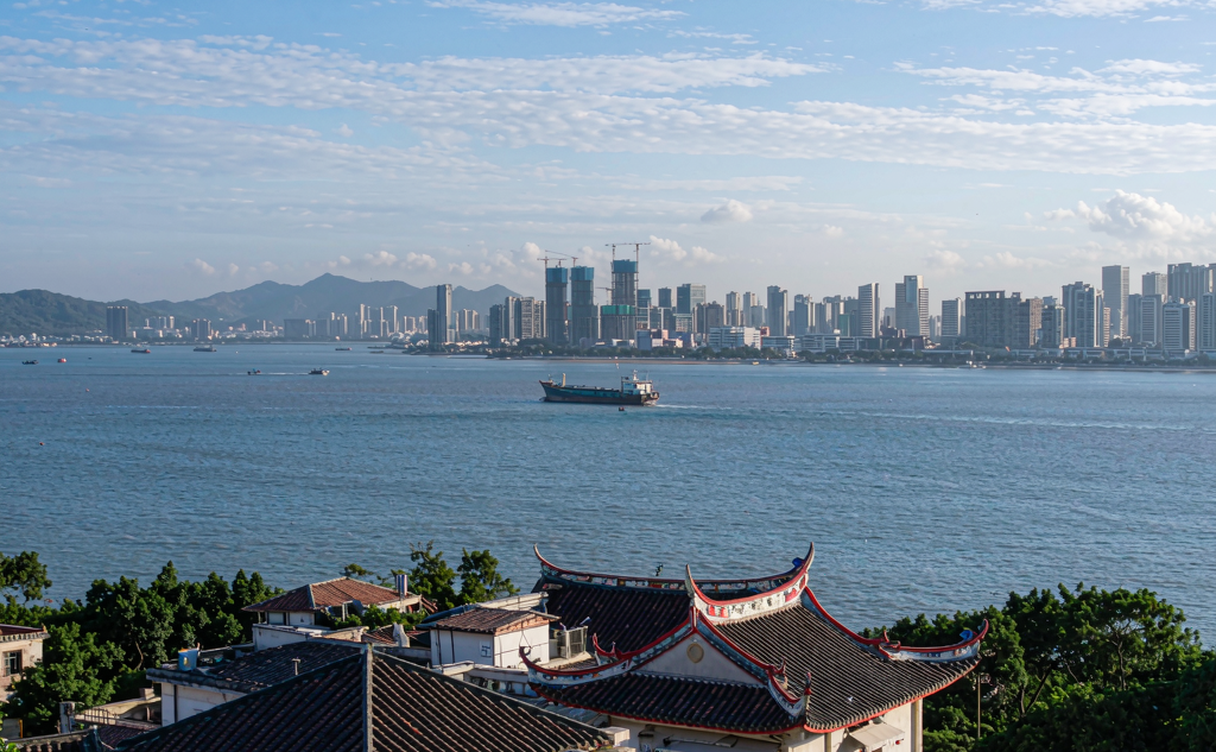
Often called the “Piano Island” or the “Garden on the Sea,” Gulangyu covers just over 1.8 square kilometers but packs in more than a thousand historic buildings, dozens of leafy lanes, and sweeping views across the Taiwan Strait. Because the entire island is pedestrian-only, the experience feels refreshingly calm: the loudest sounds are waves, birdsong, and the occasional street musician. Whether you are a culture lover, a photography enthusiast, or simply someone in need of a slow afternoon by the water, Gulangyu delivers.
How to Get to Gulangyu from Xiamen
Understanding how to get to Gulangyu from Xiamen is the first step in any successful visit, because the island is reachable only by ferry. All passengers must take a short cruise from the Xiamen mainland, and there is no bridge or road connection.
Most visitors depart from one of two terminals. The main passenger ferry runs from Xiamen International Cruise Center (Dongdu) to the island’s Sanqiutian (Sancien Tian) terminal. A separate, less frequent route operates from the Songyu terminal on the opposite side of the harbor and is mainly useful for travelers already staying in the Haicang district. The crossing takes roughly 20 minutes, and ferries run frequently from early morning until late evening.
A few practical notes: tickets are best booked in advance through the official ferry platform, especially during weekends and Chinese public holidays when demand spikes. Bring your passport, as foreign visitors need it both to buy tickets and to pass the terminal security check. The last return ferries leave the island in the evening, so plan your day accordingly if you are not staying overnight. Once you step off the ferry, the car-free magic begins immediately — there are no taxis, only your own two feet and the occasional electric sightseeing cart.
Things to Do on Gulangyu Island
There is no shortage of things to do on Gulangyu Island, and the beauty is that most of them center on simply wandering. The island’s layout is a gentle maze of shaded lanes, stone steps, and ocean viewpoints, so getting “lost” is part of the charm rather than a problem.
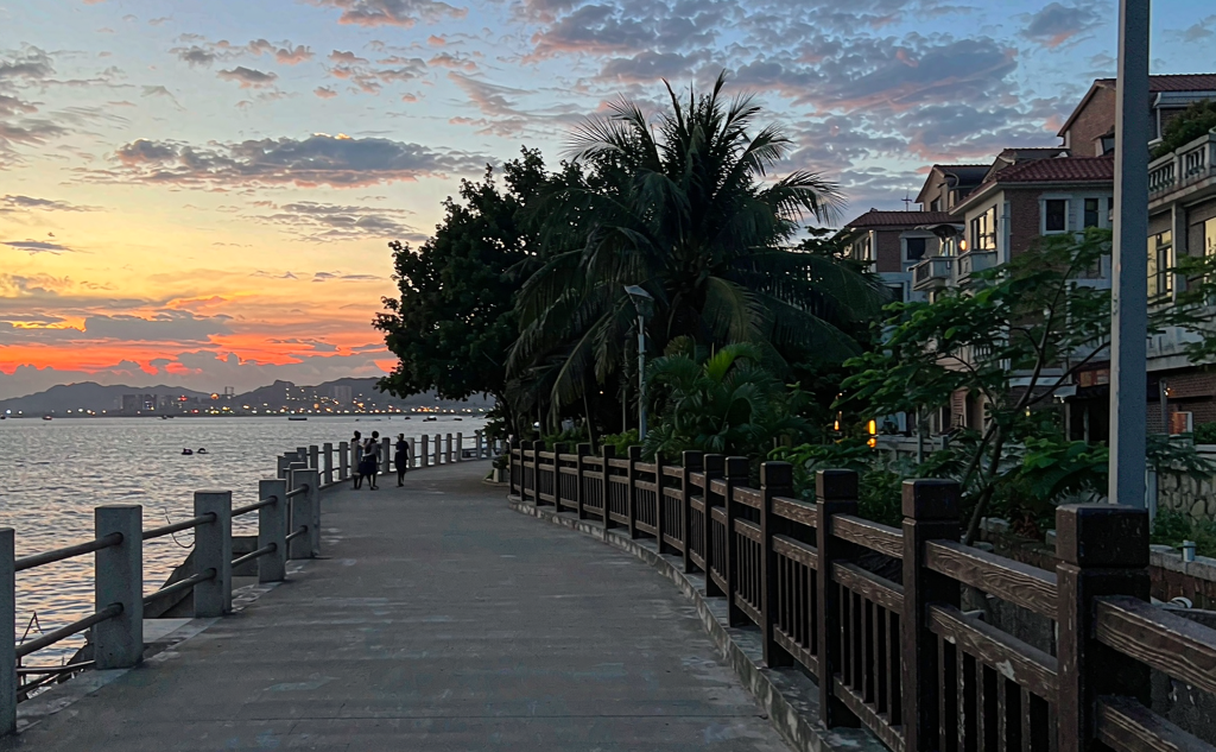
Start with the waterfront promenade that rings much of the island. From here you can watch ferries glide past, spot distant shipping lanes, and photograph the Xiamen skyline across the water. The Sunlight Rock (Riguang Yan), a forested granite hill, is the island’s highest point and the single best place for a panoramic photo. A climb of a few hundred steps rewards you with a 360-degree view of red rooftops, green hills, and blue sea.
Music is woven into the island’s identity. Beyond the famous piano museum, you will notice carved piano motifs on manhole covers, small outdoor performances, and the soft echo of practice rooms tucked inside old homes. The Shuzhuang Garden, a classical seaside garden built into a cliff, combines Chinese landscaping with unexpected ocean views and a collection of musical instruments. History buffs should not miss the varied architecture: Gothic church spires, baroque facades, and pastel villas reflect the island’s international past as a treaty-port settlement.
For a slower pace, find a cafe on a quiet lane, order a local milk tea, and watch the world wander by. Street food stalls sell oyster omelets, peanut soup, and grilled seafood that reflect Xiamen’s Minnan culinary roots.
Gulangyu Piano Museum Tickets and the Music Heritage
No Gulangyu Island Xiamen guide would be complete without a deep stop at the Piano Museum, the island’s signature attraction. Housed inside the Shuzhuang Garden, the museum holds one of the world’s most remarkable collections of antique pianos, with more than seventy instruments gathered from across Europe and America. Visitors can see ornate 19th-century grand pianos, rare square pianos, and even an early mechanical player piano. Placards explain the craftsmanship and the social history of each piece.
Regarding Gulangyu piano museum tickets: admission is typically included as part of the combined Shuzhuang Garden and Piano Museum ticket, which you can purchase at the garden entrance or online in advance. Prices are modest by international standards, and children often receive discounted or free entry. Because the museum sits within the garden, budgeting two to three hours for both is wise. Note that the instruments are delicate, so photography inside is sometimes restricted and touching is not permitted — but the visual display alone is worth the visit.
The piano museum is more than a collection; it expresses why Gulangyu earned its musical nickname. The island once had the highest per-capita number of pianos in China, and that legacy lives on in recitals, festivals, and the everyday hum of the place.
Best Time to Visit Gulangyu
Choosing the best time to visit Gulangyu can make the difference between a serene getaway and a crowded slog. Xiamen has a humid subtropical climate, which means warm weather for much of the year but also a distinct rainy season and a hot, sticky summer.
Spring (March to May) and autumn (October to November) are widely considered the most pleasant windows. Temperatures are mild, humidity is manageable, and the gardens and hillsides are lush. These shoulder seasons also tend to have clearer light for photography. Summer (June to August) is hot and can be uncomfortably humid, though it is also when the sea breeze feels most welcome; if you visit then, aim for early mornings and evenings. Winter is cool and quiet, with fewer tourists, making it a fine choice for travelers who prefer empty lanes over perfect weather.
Try to avoid the week-long National Day holiday in early October and the Chinese New Year period, when ferries and narrow lanes become extremely busy. Weekdays are noticeably calmer than weekends year-round.
Where to Stay on Gulangyu Island
Deciding where to stay on Gulangyu Island depends on whether you want a full overnight experience or a relaxed day trip. Staying on the island lets you enjoy the car-free lanes after the day-trippers leave, when the only sounds are the sea and the wind in the trees. Several heritage villas have been converted into boutique guesthouses and small hotels, offering characterful rooms with period details and garden courtyards. These book up quickly, so reserve ahead.
If you prefer more dining and nightlife options, you can base yourself in downtown Xiamen and take the first ferry over each morning, returning in the evening. This is often cheaper and gives easier access to the mainland’s broader attractions. Either way, pack light: with no vehicles on the island, you will carry your own luggage from the ferry terminal to your accommodation.
Pairing Gulangyu with the Wider Fujian Region
Gulangyu is best enjoyed as part of a broader Fujian itinerary. The city of Xiamen itself rewards a few extra days, and you can easily combine your trip with the Xiamen Nanputuo Temple guide to explore one of the region’s most peaceful Buddhist sites. History lovers often continue to the Quanzhou travel guide listing — Quanzhou is a nearby coastal city rich with maritime heritage — or head north to the Fuzhou travel guide for capital-city culture and food.
For nature and mountains, the Wuyishan travel guide covers the famous river-and-cliff landscapes a few hours away, while the Taining Danxia guide highlights dramatic red-rock scenery. Closer to Xiamen, the Zhangzhou travel guide is perfect for tulou earth buildings and rural Fujian life. Together, these destinations turn a single island visit into a well-rounded exploration of southeastern China.
Planning Your Visit Responsibly
Gulangyu’s status as a protected heritage site means visitors play a role in keeping it special. Stick to marked paths on the hills, carry out your trash, and respect the quiet residential lanes where people still live. The island’s drinking water and supplies all arrive by ferry, so modest consumption helps the local community. Supporting small family-run cafes and guesthouses also ensures that tourism benefits the people who maintain this unique place.
UNESCO recognizes Gulangyu as a World Cultural Heritage site for its exceptional blend of international architecture and natural seaside beauty, a designation you can read about on the UNESCO World Heritage Centre. This official listing explains why the island’s conservation matters on a global scale.
Final Tips for a Smooth Trip
A few last pointers will help you make the most of your day. Wear comfortable walking shoes, because you will cover a lot of ground on foot and the lanes are uneven in places. Bring sun protection and water, especially in warmer months. Download an offline map before you arrive, as signal can be patchy among the old buildings. And give yourself permission to slow down — Gulangyu is not a checklist destination but a place to savor.
\[CTA\]
Ready to plan your ferry crossing? Book your Xiamen-to-Gulangyu tickets in advance through the official platform to skip the queues during busy weekends.
\[/CTA\]
\[CTA\]
Want a deeper Fujian adventure? Pair your island trip with our Xiamen Nanputuo Temple guide and the Quanzhou travel guide for a richer cultural route.
\[/CTA\]
\[CTA\]
Looking for the perfect season? Aim for spring or autumn, and check our best time to visit tips above before locking in your travel dates.
\[/CTA\]