

Why visit Linfen, and how should you plan around it? Tucked into the southern loess hills of Shanxi Province, Linfen is the most convenient base for the Yellow River Hukou Falls, the widest waterfall in China and one of the great raw spectacles of the Yellow River. Beyond the falls, the region is dotted with silent, ornate Shanxi courtyard houses that tell the story of the merchants and miners who once grew rich here. This Linfen travel guide explains how to reach the city, how to build a Hukou Waterfall day trip, where to find the best ancient courtyards, what to eat, the best time to visit Linfen, and a practical itinerary that links smoothly with Pingyao and the rest of Shanxi. Use Linfen as a southern anchor on a Shanxi circuit rather than a one-stop detour, and you will see two very different faces of the province.
How to Get to Linfen
Linfen sits on the high-speed rail line that runs through Shanxi, which makes it easy to fold into a longer trip. The city’s own station, Linfen West, is served by trains from Taiyuan (about 1.5 to 2 hours), Xi’an (about 2.5 hours), and Zhengzhou, with through services from Beijing that usually involve one change. Trains are the calmest way to arrive, gliding past terraced hills and the brown ribbon of the river.
If you are starting from the north of the province, our Datong travel guide lays out the rail logic that connects Datong with the southern cities, including the long run down to Linfen. Flying is also possible: Linfen Yaodu Airport has limited domestic flights, mainly from Beijing, Shanghai, and Taiyuan, and a taxi or DiDi reaches the center in roughly 30 minutes. Inside the city, local buses and ride-hailing cover the basics, but for the Hukou Falls you will want a private car, a tour, or a regional bus, because the falls sit about two hours away by road.
Hukou Waterfall Day Trip
The centerpiece of any visit is the Hukou Waterfall day trip, and most travelers ask first about the best way to plan Hukou Waterfall from Linfen. The waterfall lies about 130 kilometers southwest of the city, near the border between Shanxi and Shaanxi, and the journey takes roughly two hours by car along roads that climb and fall through the loess landscape. A private car or a small-group tour is the simplest option; a slower regional bus also runs on most days.
This Yellow River Hukou Falls guide would be incomplete without the basics: the river here squeezes through a narrow gorge and drops about 20 meters, producing a churning, smoke-like spray that gives the falls their name, which means “kettle spout.” In spring the meltwater is at its most violent, and after rain a rainbow often arches over the mist. There is a viewing platform on the Shanxi side, which is the side reached from Linfen, and the roar is loud enough that you feel it in your chest. Wear a light rain jacket, because the spray soaks the front rows, and give yourself at least three to four hours on site including travel buffer.
The Shanxi side of the falls also has a small museum and a walkway that lets you look down into the throat of the gorge. Photographers favor the late afternoon, when the low sun catches the spray and the rainbow sits squarely in frame. If you want the classic postcard, arrive before the midday coach crowds and shoot toward the open river rather than straight into the sun.
Ancient Courtyards and Shanxi Folk Houses
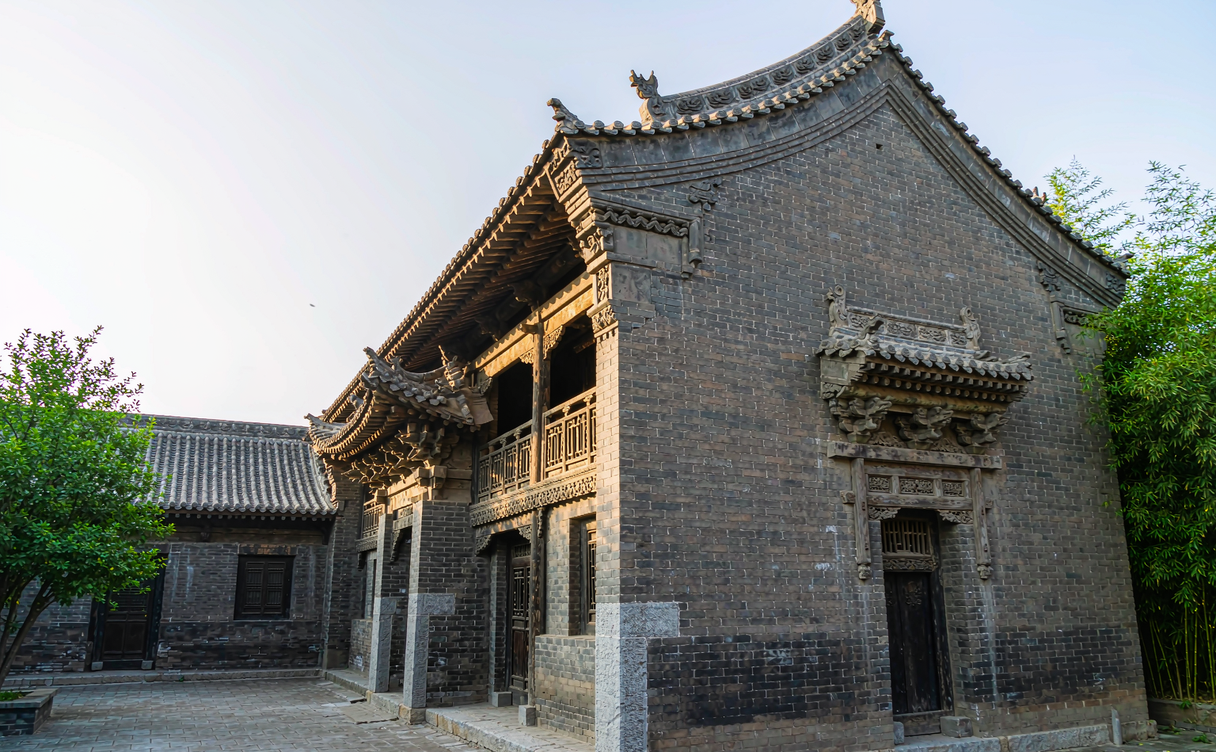
After the roar of the river, the quiet courtyards are a perfect counterpoint, and this is where the things to do in Linfen Shanxi list gets interesting. The region around Linfen is studded with Shanxi courtyard houses near Linfen, built by wealthy merchant and official families in the Ming and Qing dynasties. These are walled compounds of grey brick, with a main hall facing south, side rooms for family branches, and carved wood and stone detailing that signals status without a single bright color.
The most famous cluster is not in Linfen itself but in nearby Xiangfen County, where the Ding Village courtyards preserve dozens of these residences in one compact settlement. Walking the lanes feels like stepping into a frozen 18th-century neighborhood, with stone drums at the doorways, lattice windows, and rooflines that step down in careful symmetry. Closer to the city, smaller family courtyards survive inside older villages, and a few have been turned into teahouses where you can sit under the same beams that sheltered generations of the same clan.
For context, Shanxi courtyard architecture is part of a wider northern Chinese tradition, and the best-preserved examples sit in the south of the province. If you enjoy the Linfen courtyards, the payoff is the leap to Pingyao and the even larger Qiao and Wang family compounds further north. The Yuncheng travel guide covers the neighboring southern Shanxi towns where more of these houses are open to visitors, which helps you build a courtyard-themed route without backtracking.

Food in Linfen
Linfen eats the hearty, wheat-based diet of southern Shanxi, with a few local twists. Knife-cut noodles are everywhere, served in a sharp, dark vinegar broth that the region is famous for, and you will also find braised noodles with tomato and egg, stuffed flatbreads, and lamb stews for colder days. The local vinegar is darker and mellower than the northern Shanxi style, and a small dish of it on the table is the norm.
Street food is the easiest way in: night markets near the center sell skewers, fried cakes, and sweet millet treats, while sit-down restaurants serve family-style plates of braised pork, tofu, and seasonal greens. Try the steamed buns filled with red bean paste for breakfast, and wash it down with warm soy milk. Portions are generous and prices are low, which makes Linfen a pleasing, budget-friendly stop compared with the bigger tourist cities.
Best Time to Visit Linfen
The best time to visit Linfen is spring (April to May) and autumn (September to October), when the loess hills are clear, the temperatures sit in a comfortable range, and the river is at its most dramatic. Spring snowmelt swells the Yellow River, so the Hukou Waterfall thunders at full volume, while autumn brings cooler, dry days that are ideal for walking the old courtyards and villages without the summer heat.
Summer is hot and can be humid, with the occasional heavy storm that muddies the river and briefly floods the viewing platforms. Winter is cold and grey, but it has a quiet appeal: the falls can partially freeze into strange blue ice formations, and the courtyards are nearly empty. If your priority is the waterfall at its most powerful, aim for late spring; if you prefer comfortable walking and good light for photography, choose early autumn.
Suggested Itinerary
A practical Linfen itinerary runs two to three days, and it pairs naturally with a longer Shanxi loop. The route below assumes you are traveling by rail and using a car or tour for the day trips.
- Day 1: Arrive in Linfen by high-speed train, settle in, and spend the evening on the food streets to sample local noodles and vinegar dishes.
- Day 2: Early departure for the Hukou Waterfall from Linfen, with a late-morning arrival, three to four hours on the viewing platforms and walkway, then return to the city for a relaxed dinner.
- Day 3: Visit the Ding Village courtyards in Xiangfen County in the morning, then either head back to Linfen or continue west toward Yuncheng for more historical towns.
For travelers with more time, the Linfen to Pingyao old town connection is the natural next step. Pingyao is a fully preserved Ming/Qing walled city and a UNESCO World Heritage site, and the rail or road hop between the two makes a smooth southern-to-northern Shanxi journey. You can read about the preservation standards behind that walled town on the UNESCO Pingyao listing, which explains why the old town is protected at the highest level. From Pingyao you can keep climbing north toward the Datong and Wutai corridors, building a route that covers falls, courtyards, walled cities, and mountain monasteries in a single trip.
Linfen Travel Tips
A few notes before you go. The spray at Hukou soaks everything, so bring a rain cover for your camera and a light jacket even on warm days. The courtyards involve a lot of walking on uneven stone, so wear sturdy shoes. Mandarin is the language of the region, and a translation app helps with menus and ticket desks. Hotels in Linfen are modest but comfortable, with mid-range rooms typically running a few hundred yuan per night; book ahead around the October holiday, when domestic tourism peaks across Shanxi.
Carry cash for small village teahouses and ticket booths, because card and phone payment can fail in remote spots. Tap water is not for drinking, so keep bottled water handy on the Hukou day trip. And give yourself buffer time on the falls road, because mountain weather can slow the drive.
FAQ
Is Linfen worth visiting for foreign tourists?
Yes, especially if you want the Yellow River Hukou Falls and a quieter look at Shanxi courtyard culture without the big-city crowds.
How far is Hukou Waterfall from Linfen?
About 130 kilometers, or a two-hour drive, making it an easy full-day round trip from the city.
What is Linfen most famous for?
The nearby Hukou Waterfall on the Yellow River and the traditional Shanxi courtyard houses in the surrounding counties.
Can I visit Linfen and Pingyao together?
Absolutely. The Linfen to Pingyao old town route is a classic southern Shanxi combination and works well by rail or road.
Final Thoughts
Linfen is the soft-spoken southern gateway to some of Shanxi’s most photogenic sights: the violent beauty of the Hukou Falls and the hushed geometry of its ancient courtyards. Plan your days around the best time to visit Linfen, keep a car or tour ready for the waterfall run, and let the old houses slow your pace. String it together with Pingyao and the northern cities, and you get a Shanxi journey that is equal parts raw nature and carved history.
Book your stay with our best hotels in Datong guide before heading south to Linfen.
Combine Linfen with Mount Wutai in Shanxi for a richer Shanxi circuit.
Read our Datong travel guide to plan the rail link between Datong and Linfen.