

The old trade corridor that once carried compressed tea bricks from the hills of Yunnan up toward the Tibetan plateau has a way of pulling travelers in. Today the China tea horse road route is less about commerce and more about a slow, scenic overland passage through some of the most beautiful towns in southwest China. If you have two weeks and a taste for mountain air, the stretch from Dali through Lijiang and Shaxi to Shangri-La is the most rewarding section you can cover without a packhorse or a rifle against bandits.
This is a guide to doing it the modern way. You will ride buses and the occasional shared car, sleep in restored courtyard guesthouses, and walk the same flagstone paths that Tibetan muleteers wore smooth centuries ago. The route is well served by infrastructure now, but the spirit of the road remains intact.
Why follow the road at all
Most visitors to Yunnan hop between Dali and Lijiang on a train and call it a trip. That is fine, but it misses the point. The China tea horse road route was never a single highway; it was a braided network of mule tracks, river fords, and mountain passes. By traveling it deliberately, you trade convenience for context. You start in the warm, lake-fed lowlands around Erhai, climb through the Naxi heartland of Lijiang, detour to the near-forgotten market town of Shaxi, and finally ascend into the cold, pine-scented world of Shangri-La on the edge of the Tibetan plateau.
The reward is a sense of narrative. Each town is a chapter. Each bus ride is a transition between climate zones and ethnic cultures. You do not just collect photos; you trace a line across a map that real caravans once traced with their hooves.
Stage one: Dali as your gateway
Begin in Dali, the obvious launch point. The old town sits beneath the Cangshan range with Erhai lake stretched out to the east. Spend two or three days here simply to acclimatize and to understand the Bai culture that anchors the southern end of the road. The morning markets, the three-cup tea ceremonies, and the cycle ride along the lake are all worth your time.
When you are ready to move, the next leg is short and easy. Buses run frequently from Dali to Lijiang, a journey of roughly three hours. If you want a deeper background on the city before you arrive, our Dali Yunnan travel guide covers where to stay and what to skip.
Stage two: Lijiang and the Naxi crossroads
Lijiang was the great entrepot of the trade. Naxi merchants grew rich here brokering tea moving north and horses moving south. The old town is touristy, no question, but go early or wander the outer lanes and you will find the wooden water channels and the quiet courtyards that earned the place its reputation. Above the town, the Jade Dragon Snow Mountain holds the snow that caravans used as a compass.
Lijiang is also where you make a choice. You can push straight on toward Shangri-La, or you can take the slower, lovelier detour west to Shaxi. I strongly recommend the detour. It is the best part of the whole journey. For a fuller picture of the town itself, see our Lijiang old town travel guide.
This detour forms the heart of what I would call the Tea Horse Road trekking stage Dali to Shangri-La. You do not have to trek on foot the entire way. Many travelers walk only the day-hike sections, such as the ancient path between Shaxi and the nearby village of Sapen, while using buses for the long hauls. The combination keeps the romance without the blisters.
Stage three: Shaxi, the preserved jewel
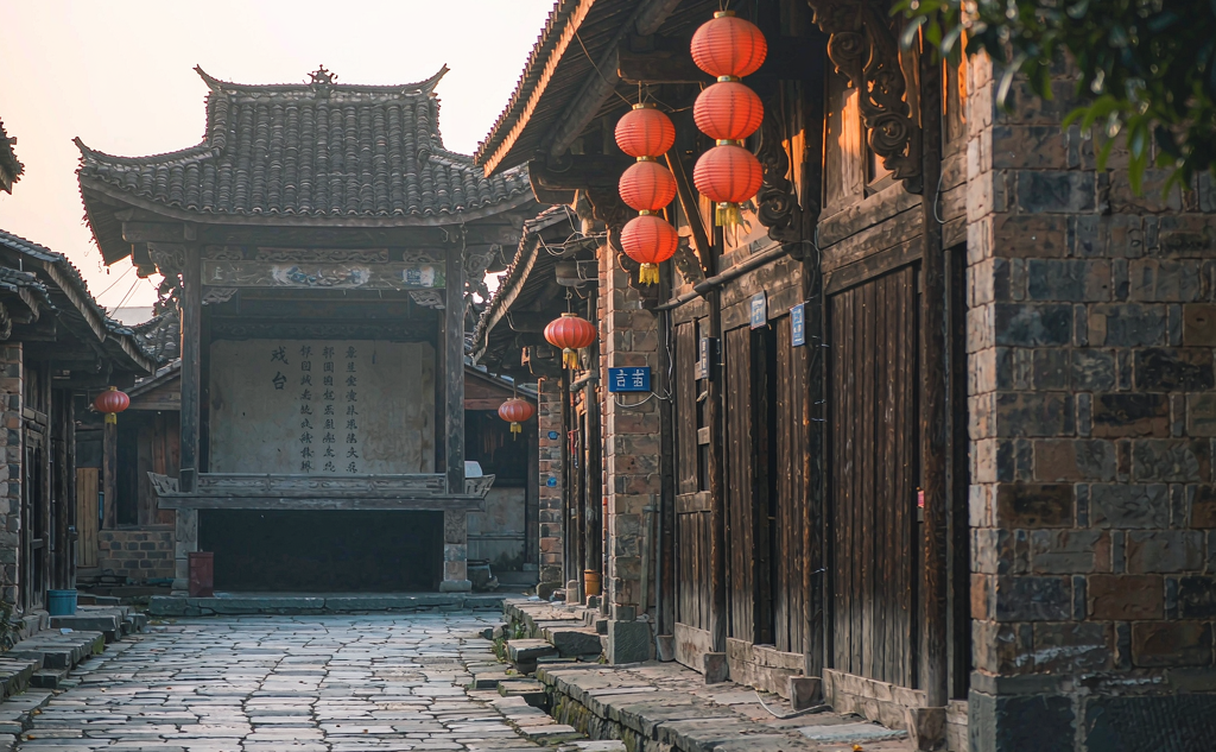
Shaxi is the town that almost vanished. Cut off when the main road bypassed it in the 1980s, it survived as a sleepy agricultural village until a conservation project restored its Friday market square and the old theater stage. Today it is the single best-preserved stop on the route, and it feels like stepping into a postcard that someone forgot to mail.
Stay at least two nights. Walk the embankment at sunrise. Visit the standing stone tablet that marks the road’s history. From Shaxi, the climb begins in earnest. The Shaxi to Shangri-La overland route takes you up through Jianchuan and the high meadows of the plateau, and the landscape shifts from rice terraces to alpine pasture within a single morning of driving.
Our Shaxi ancient town guide lays out the guesthouses and the short walks that make the stop worthwhile.
Stage four: the ascent to Shangri-La
The final push is the most dramatic. As you leave the warm valleys behind, the air thins and the architecture changes. Tibetan prayer flags replace Naxi timberwork. The buildings turn to thick stone with flat roofs. Shangri-La sits at over three thousand meters, and the altitude is real, so build in a rest day.
The town is the northern terminus of this particular journey and a fitting one. From here the historical road continued into Tibet, but for most travelers this is where the overland adventure ends and the plateau begins. Our Shangri-La travel guide explains how to handle the elevation and where to go next.
How to travel the Tea Horse Road by bus
The question I get most is how to travel the Tea Horse Road by bus without it turning into a logistics nightmare. The answer is reassuring. Yunnan’s intercity bus network is dense and reliable. Dali to Lijiang is a direct, frequent service. Lijiang to Shaxi requires a change, usually via Jianchuan, but the connections are well timed. Shaxi to Shangri-La is the longest single leg, around four to five hours, and morning departures are best so you arrive in daylight.
A few practical notes. Buy tickets a day ahead in peak season. Keep small notes for roadside snacks. Download offline maps, because signal drops in the gorges. And never underestimate the cold once you pass two thousand meters, even in summer.
If you want the broader context of tea culture across the country, our China tea tour guide pairs well with this route. And for travelers building a longer itinerary, our roundup of best things to do in China helps you decide what to add before or after Yunnan.
Best season for the Tea Horse Road
Timing shapes everything. The best season for the Tea Horse Road is spring, from March to May, and autumn, from September to November. Spring brings peach blossom and snowmelt rivers. Autumn gives you clear skies, golden fields, and the most stable road conditions. Summer is green and lush but prone to afternoon rain that can slow mountain passes. Winter is stark and beautiful around Shangri-La, yet some high routes get icy and a few guesthouses close.
I would avoid the week-long national holiday in early October unless you enjoy sharing every viewpoint with a thousand other people. Late April and late October are my personal sweet spots: good weather, thinner crowds, and prices that have not peaked.
Tea Horse Road versus Tiger Leaping Gorge
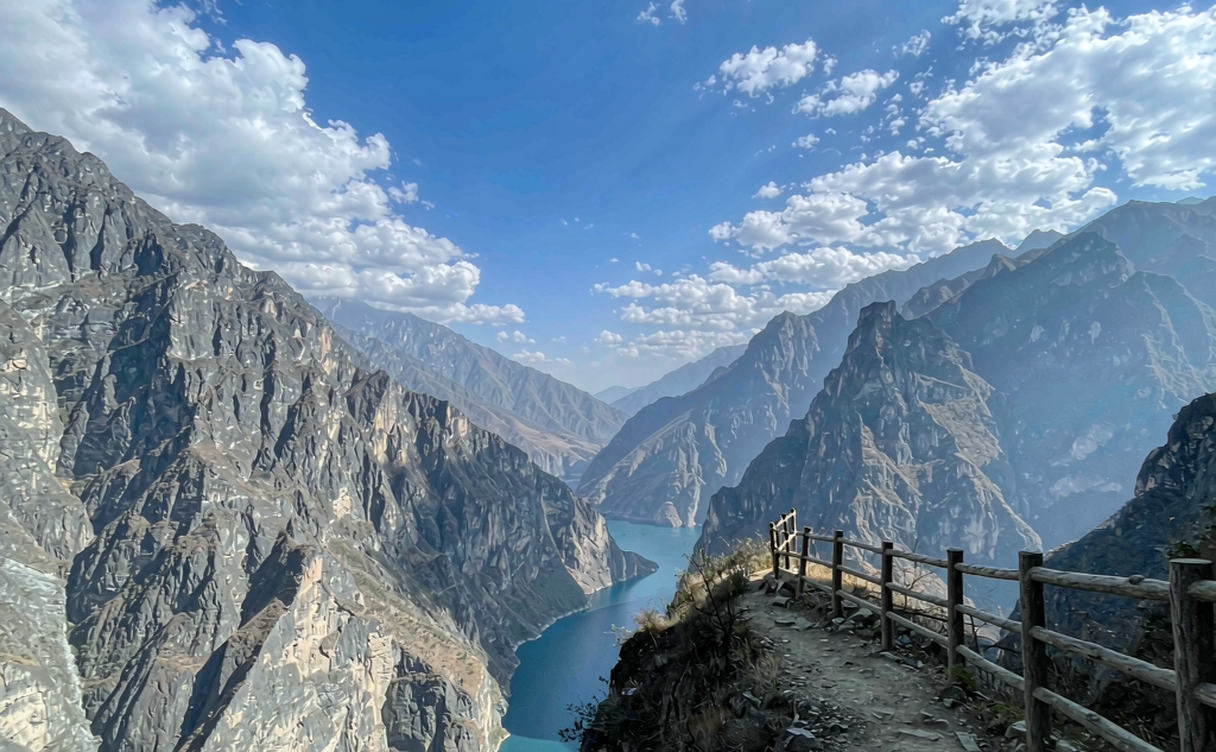
Plenty of travelers wonder whether to spend their energy on this route or on the famous hike at Tiger Leaping Gorge. The Tea Horse Road versus Tiger Leaping Gorge comparison comes down to what you want. The gorge is a concentrated, physically demanding hike with a single spectacular payoff: a river squeezed between two ranges. The road is a diffuse, cultural journey across many towns and cultures, with the scenery arriving in chapters rather than one climax.
You do not have to choose. The gorge sits between Lijiang and Shangri-La, so you can fold a two-day trek there into the middle of your road journey. Many do exactly that, treating the gorge as the wildest paragraph in an otherwise gentle book.
A note on history
The trade itself is well documented. For a neutral overview of the corridor’s origins and reach, the Wikipedia entry on the Tea Horse Road is a solid starting point, and it maps the route far beyond Yunnan into Sichuan and Tibet.
What the encyclopedia cannot give you is the feeling of standing in Shaxi’s empty market square at first light, or the particular silence of a Shangri-La dawn. Those you have to earn by going.
Planning your own line
The beauty of this corridor is its flexibility. You can race it in five days or savor it in three weeks. You can bus it, bike it, or walk selected stages. The China tea horse road route is not a fixed itinerary; it is a direction. North, toward colder air and higher prayers, away from the lake and toward the mountain.
Start in Dali. Let Lijiang surprise you. Give Shaxi your patience. End in Shangri-La with your lungs full of thin, clean air. That is the whole arc, and it is one of the best slow travels southwest China has to offer.
Planning your Yunnan trip this year? Download our free Dali-to-Shangri-La packing checklist to travel the road prepared.
Want a custom day-by-day itinerary built around your pace and dates? Send us your travel window and we will map the stages for you.
Considering the Tibet extension beyond Shangri-La? Read our altitude and permit guide before you commit to the final climb.