

Tucked along the gentle bend of the Li River about 23 kilometers southeast of Guilin, Daxu ancient town is one of the best-preserved trading towns in Guangxi. Unlike the polished, ticketed heritage streets that dominate many Chinese tourist circuits, this riverside settlement still wakes up to the sound of market stalls, drifting fishing boats, and the slow clack of mahjong tiles. For travelers who want a quiet counterpoint to the busy cruise routes, a Daxu ancient town guide is the key to understanding a place where the past is not a performance but a working routine.
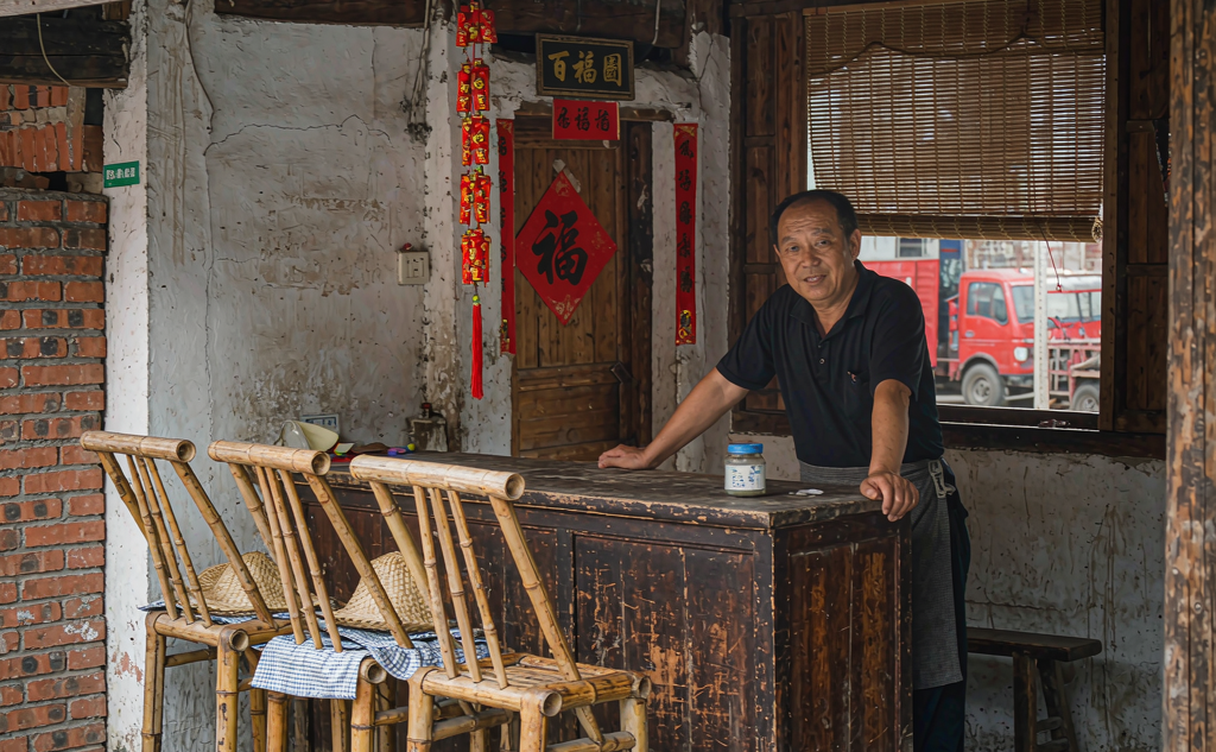
A thousand years of history sit lightly here. Founded during the Song dynasty and thriving as a commercial hub through the Ming and Qing periods, Daxu grew wealthy on the Li River trade in rice, tea, oil, and handicrafts. The old street, barely two meters wide in places, is paved with blue flagstones worn smooth by centuries of bare feet, carrying poles, and wooden cart wheels. Lining it are timber-frame shops with carved hanging eaves, some still run by the same families that opened them generations ago. Walking the lane from the river upward, you pass a tofu maker, a barber with a straight razor, a stall of sun-dried chili, and a tea house where old men sip the morning away.
Getting There and Around
The first question most visitors ask is how to get to Daxu from Guilin. The town has no train station of its own, so the practical route is by road. From Guilin city center, local buses and minibuses run southeast toward Daxu town several times a day, and the ride takes roughly 45 minutes to an hour depending on traffic. Taxis and ride-hailing cars are faster and more comfortable if you are traveling in a small group and want to set your own schedule. Many travelers also combine the trip with a driver for the day, which makes it easy to pair Daxu with other riverside stops. If you are building a broader itinerary, our Guilin travel guide maps out the region’s highlights and how they connect by road and river.
Once you arrive, the town is compact and best explored on foot. There is no need for a guide or a tour group to enjoy the essentials. Park near the river, step onto the old street, and simply wander. The whole historic core can be covered in two or three unhurried hours, though you may well stay longer once the rhythm of the place pulls you in.
Tickets, Hours, and Practical Details
A common search is Daxu ancient town tickets and opening hours, and the answer is refreshingly simple. The old town itself is open and free to walk at any reasonable hour, because it is a living community rather than a gated scenic zone. You will not find a turnstile or a combined ticket booth at the lane entrance. Individual small attractions, such as the restored Gao Clan Ancestral Hall or certain courtyards, may ask a modest fee of a few yuan, but these are optional. Most travelers simply stroll, photograph, and snack their way through without buying anything in advance.
Because there are no fixed gates, the best plan is to arrive during daylight. Mornings are liveliest, when the produce market spills onto the riverbank and boats unload fresh catch. Late afternoons are gentlest, with low golden light on the water and fewer day-trippers. There are no official closing times for the street, but shops wind down after dark, so aim to be there between roughly 8 a.m. and 6 p.m. for the fullest experience.
The Li River and the Bamboo Raft Crossing
What sets Daxu apart from many inland old towns is its direct relationship with the water. The Li River here is broad and calm, and for a small fee local boatmen still ferry passengers across on slender bamboo rafts. The Daxu Li River bamboo raft crossing is less a thrill ride than a slow, swaying glide, with the town’s rooftops and the far green hills reflected in the current. On the opposite bank you reach quiet farmland and a few fishing hamlets where water buffalo graze and herons stalk the shallows.
This short crossing is worth building into your visit even if you only go one way and walk back along the dike. The perspective from mid-river, looking back at the grey tiled roofs and the stone wharf where cargo once changed hands, is the single best photograph the town offers. It also connects Daxu to the wider Li River story that runs from Guilin to Yangshuo, a thread we follow in our Li River guide.
Food, Snacks, and Slow Mornings
No Daxu ancient town guide would be complete without the food. The Daxu old street food and snacks scene is humble but memorable. Look for zhutiangao, a soft steamed rice cake pressed with a sweet or savory filling, cooked over charcoal in shallow molds. Soy milk and fried dough sticks make a classic breakfast at a plastic stool by the road. Dried river fish, cured and fried crisp, travels well as a souvenir. And in season, the river yields small shrimp that are tossed with ginger and scallion in woks set right on the pavement.
Prices are local, not tourist, which is part of the charm. A filling snack plate rarely costs more than a few dollars, and vendors are happy to let you watch and point rather than negotiate. Pair your food with a pot of Guangxi tea, and you have the ingredients for the kind of slow morning that big scenic areas cannot replicate.
When to Go
The best time to visit Daxu ancient town is spring and autumn, when Guangxi’s humidity eases and the river sits under clear blue sky. April through June brings lush green terraces and occasional mist that softens the hills, while September through November offers comfortable temperatures and the clearest light for photography. Summer is hot and can be rainy, though the old street’s shade and the river breeze make it bearable. Winter is cool and quiet, ideal if you want the lane almost to yourself.
Whenever you choose, try to avoid the busiest national holiday weeks, when domestic crowds swell across the whole Guilin region. A weekday visit in the shoulder season will feel like the town belongs to its residents again, which is exactly the atmosphere this Daxu ancient town guide hopes you will find.
Pairing Daxu With the Wider Region
Daxu works beautifully as a half-day add-on to a Guilin or Yangshuo base. From Yangshuo, the drive north along the river passes some of the most famous karst scenery in China, and you can read our Yangshuo travel guide for how to structure that route. If you have more time, the terraced fields of Longji lie a few hours north and show a completely different face of Guangxi life; our Longji rice terraces guide explains the best villages and trails.
For travelers comparing options across the country, Daxu is a strong pick among China’s smaller water towns, and it earns a place in our roundup of the best ancient towns in China. It also fits naturally into a broader plan of the best things to do in China, especially for those who prefer everyday culture over staged spectacle.
A Note on History and Sources
Daxu’s importance as a Qing-era river port is well documented in regional histories, and travelers who want deeper background can consult the Wikipedia entry on Guilin, which covers the city’s long role as the cultural and economic center of this part of Guangxi and the towns that served its trade. Reading ahead makes the carved beams and worn stones of Daxu mean a little more when you finally stand among them.

Why Daxu Stays With You
The mark of a good Daxu ancient town visit is not a checklist of sights but a feeling of having slipped into an ordinary day that happens to be a thousand years old. There is no grand palace, no towering gate, no light show. There is only a river, a lane, and the people who have always lived beside both. That modesty is the town’s strength. You leave knowing you saw something real, not something assembled for the camera.
If your trip to Guangxi has room for one unhurried morning, give it to Daxu. Arrive early, cross the water, eat something from a street stall, and let the pace of the place reset yours. In a region famous for postcard peaks, this quiet market town may be the memory that lasts longest.
Planning a Guilin trip and want help building the perfect route? Our Guilin travel guide walks you through the city, the river, and the towns worth your time. Start with Guilin as your base and let Daxu be your slow morning escape from the crowds.
Dreaming of the water? Book a Li River cruise from Guilin to Yangshuo and pair it with a Daxu stop on the way back. Read our Li River guide for cruise options, timing, and photo tips along the most scenic stretch.
Want more than one old town on your China itinerary? Explore our list of the best ancient towns in China for ideas beyond Guangxi. And if you are still shaping the bigger picture, our best things to do in China roundup ties it all together.