

Ziyang sits an easy train ride from Chengdu, yet almost no foreign visitors step off there. I have taken two clients—one a Buddhist-art enthusiast, one a family wanting a calm lake day—and both got something they could not have found in the Sichuan capital. This Ziyang travel guide draws on those trips, with frank notes on what to expect and where the rough edges are.
Why Ziyang is worth leaving Chengdu for
Ziyang’s draw is the Anyue stone carvings, a scattered collection of Song- and Tang-dynasty Buddhist reliefs carved into hillside cliffs, plus the relaxed Sancha Lake to the west. If you are listing things to do in Ziyang, those two are the core, with a slow riverside town as the frame. It is an ideal half-day or overnight break from Chengdu’s pace, and it costs a fraction of the headline Sichuan sights. I tell clients who have already done the pandas and the hotpot that this is where the province gets interesting.
Getting there: the Ziyang to Chengdu train
The Ziyang to Chengdu train is the simple link. High-speed services from Chengdu East to Ziyang North take about 25–45 minutes and cost ¥26–45 CNY in second class, with trains every 20–40 minutes through the day. A taxi from Ziyang North to the city center is ¥15–30 CNY, and the whole transfer is painless enough that even nervous first-timers manage it. I tell clients to treat Ziyang as a day trip from Chengdu, but if you want the lake at sunrise, an overnight is pleasant and cheap. If the system is new, our China high-speed train guide for foreigners explains ticketing and station flow, which takes the worry out of the first ride.
For the bigger picture, our China travel guide for first-timers is the starting point and our best things to do in China flags other off-track gems worth building into a Sichuan route.
The Anyue stone carvings
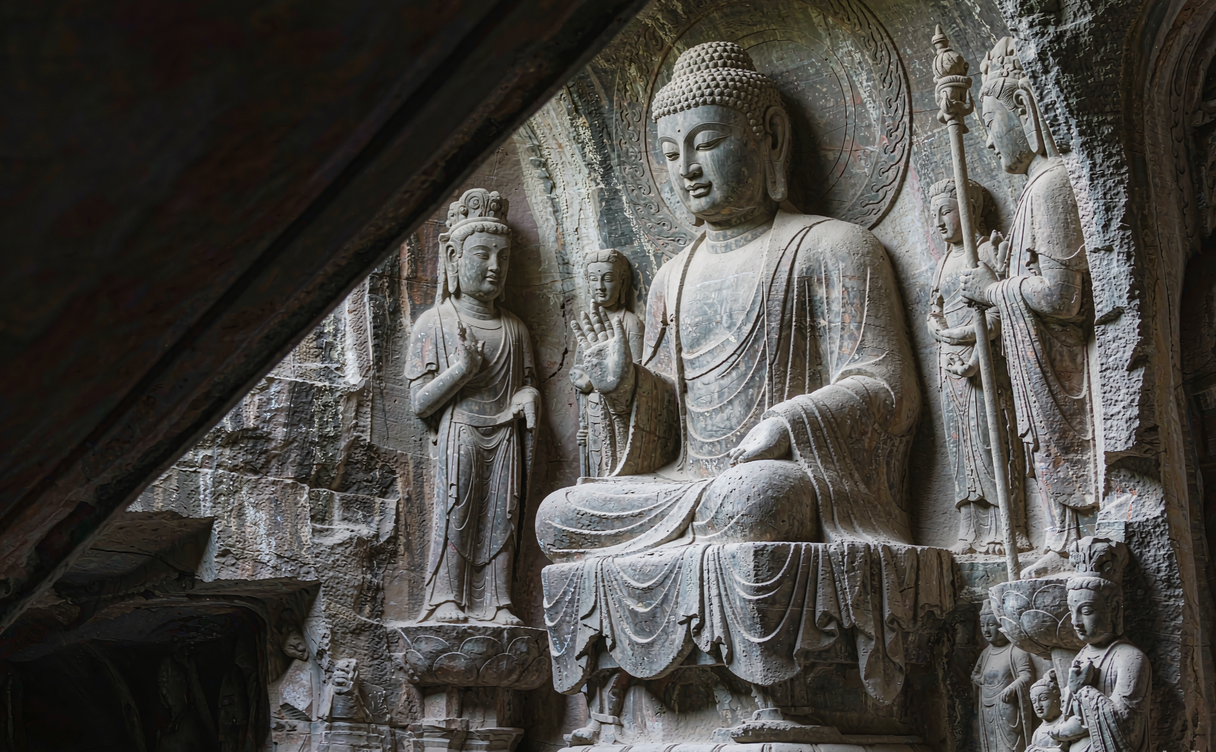
The Anyue stone carvings Ziyang are the headline. Spread across several sites—Pilu Cave, the reclining Buddha at Huangjue, and the thousand-Buddha cliff at Yunju—these reliefs are older and quieter than the famous Dazu works to the east, and far less crowded. I spent a morning at Pilu Cave with a client and we had the carved bodhisattvas almost to ourselves, the only sound the wind through the cypresses. Entry per site runs ¥20–50 CNY, and a local driver for the loop costs about ¥250–350 CNY for half a day since public buses are sparse and the sites are spread across the county. Wear good shoes; the paths are uneven and a couple of the caves involve a short climb. Background on the region is in the Wikipedia entry on Anyue County, which explains why so many carvings survive here.
Ziyang Sancha Lake
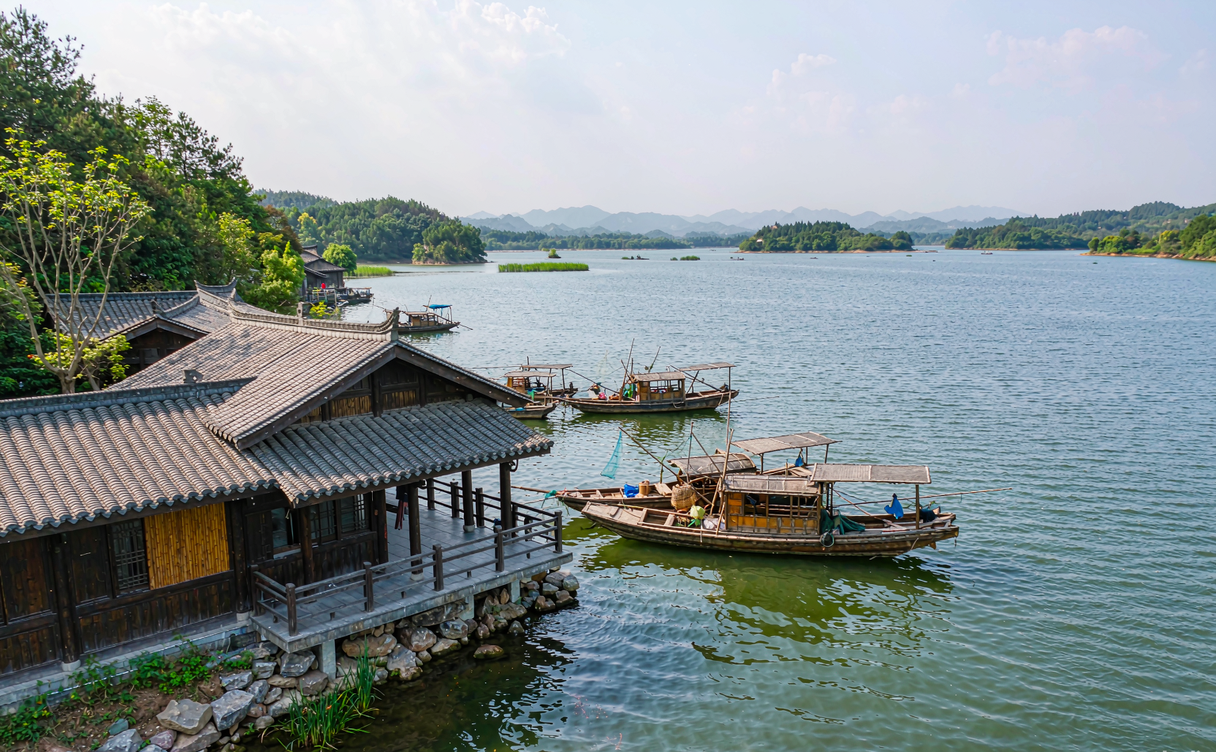
The Ziyang Sancha Lake is the counterpoint: a broad reservoir with lakeside tea houses, fishing boats, and easy walking. I took the family client there after the carvings, and the kids fed fish off a small pier while the parents drank tea at ¥20–40 CNY a pot, watching the light move across the water. Entry to the lakeside park is low or free, with paddle boats around ¥50 CNY an hour if you want to drift. It is unhurried and local—exactly the reset a Sichuan trip needs after the spice and the crowds. For a fuller Sichuan base, our Chengdu travel guide covers the hub in depth, and our Jiuzhaigou travel guide extends north into the alpine parks if you want dramatic scenery after the carvings.
Use Chengdu as your hub and treat Ziyang as a calm day trip, saving your energy for the bigger Sichuan sights.
Eating and where to sleep
Ziyang eats are classic Sichuan with a local accent: dan dan noodles at ¥12–20 CNY, steamed pork with rice flour, and numbingly good fish hotpot at ¥70–120 CNY for two. The streets near the old bus station are cheap and lively at night, with stall owners who will happily point at what to order if the menu defeats you. For lodging, the city-center business hotels are clean and ¥180–320 CNY a night; most clients return to Chengdu, but an overnight lets you catch Sancha Lake at first light, when the mist sits low and the tea houses are just opening.
Best time to visit and practical tips
The best time to visit Ziyang is March–May and September–November, when the lake is clear and the carving sites are cool enough to walk comfortably. Summer is hot and humid, with the sort of heat that drains a half-day of sightseeing, and winters are mild but grey, with fewer food stalls open. Hire a driver for the carvings in writing before you go, carry cash for small tea houses, and keep an offline map because signal drops at the cliff sites outside town. For the national calendar, our best time to visit China explains regional timing, which helps you sequence Sichuan around the rains.
Check the national seasons before you fix dates, since Sichuan’s comfortable windows are shorter than many travelers expect.
Getting around Ziyang and money on the ground
Ziyang is small and walkable in the center, but the carving sites are scattered across Anyue county, so a chartered car is the only realistic way to link two or three in a morning; budget ¥250–350 CNY for the loop and agree the price before you leave the station. Inside town, taxis and ride apps cover short hops for ¥10–20 CNY, and I keep the hotel name in Chinese on my phone because the local apps fumble the romanization. Cash helps at the Sancha Lake tea houses and paddle-boat stands, where mobile pay can drop out, so I carry ¥150–250 CNY in small notes. Signal is fine in the city but weak at the cliff sites, so confirm your driver’s return time in writing rather than by call. I learned this after a client’s phone lost service at Pilu Cave and the pickup got vague—a pinned time keeps the day calm.
A practical day plan
If you have one day, here is the rhythm I use. Morning train from Chengdu, driver waiting at Ziyang North, straight to Pilu Cave and one more carving site before lunch. Afternoon at Sancha Lake with tea and a slow walk, then the early-evening train back. I have run this with both a serious art lover and a family with small children, and it flexed well to both—the carvings for the former, the lake and the boats for the latter.
Who should add Ziyang to their trip
I send Ziyang to two kinds of traveler. Buddhist-art and history enthusiasts who have already seen the headline Sichuan sights will find the Anyue reliefs a genuine discovery, older and quieter than the famous carvings elsewhere. Families and slow travelers who want a green, low-cost lake day away from Chengdu’s bustle will enjoy Sancha Lake more than they expect. I do not push Ziyang on first-time visitors cramming the classics—pandas, the Bund, the Wall—into a short trip; it is a supplement for those with a little slack. As a half-day from Chengdu it is an easy yes, and as an overnight it adds a calm counterpoint to Sichuan’s spice and noise.
Final thought
Ziyang proves you do not need a famous name to have a memorable day. The Anyue reliefs are world-class in quiet, and the lake is the kind of place locals have always known about. I have sent skeptical clients and watched the carvings win them over by the second cave—a small-city payoff worth the short train ride.
Plan the northern alpine leg next with Jiuzhaigou as a contrast to Ziyang’s low, green calm.