

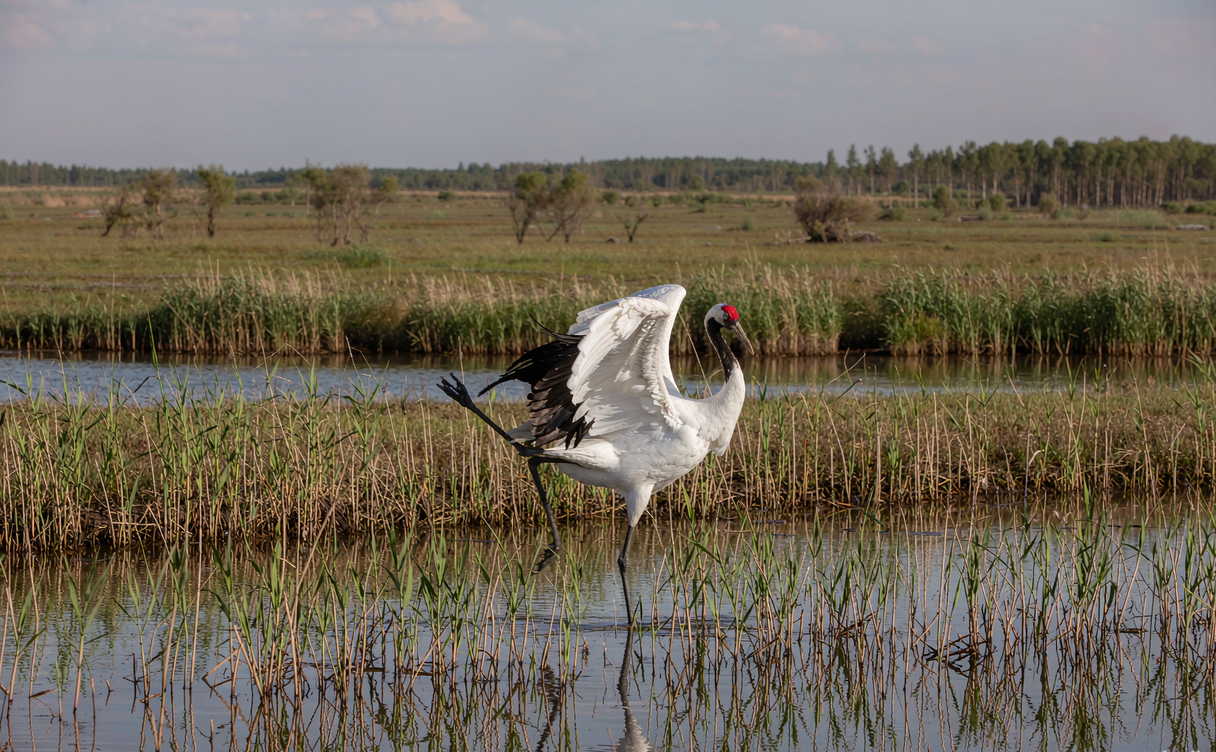
I grew up thinking the red-crowned crane was a myth stitched from Japanese paintings until I stood in the reeds of Zhalong Heilongjiang and watched a flock lift off at sunrise. The reserve, in the flat farmland north of Qiqihar, is the easiest place in China to see these birds in the wild. This Zhalong travel guide is from two visits, one in late April and one in cool September, with the timings that actually matter.
What Zhalong Is
Zhalong (扎龙) is a 2,100-square-km wetland reserve in Heilongjiang province, among the most important breeding grounds for the red-crowned crane (Grus japonensis) on the planet. The core tourist zone is a compact boardwalk-and-watchtower loop where the resident birds are fed and released on a schedule. For the broader story of the species, the red-crowned crane page on Wikipedia covers its range and conservation status.
The Crane Release Timetable
The heart of any Zhalong crane reserve visit is the released-flight show. Birds are called in from the marshes and fly low over the watching crowd. Times shift by season, but on my trips they ran roughly like this:
- Summer (June–August): four releases — about 09:30, 11:00, 14:30, and 16:00.
- Shoulder (April–May, September–October): two to three releases, often 09:30 and 15:00.
- Winter: fewer or none, as most wild cranes have migrated south.
Arrive at least 30 minutes before a release to get a front spot on the boardwalk. The birds fly toward the feeding point and wheel back, giving you maybe 8–10 minutes of action. Miss the slot and you wait two hours, so the timetable, not the weather, should drive your arrival.
Best Seasons to Go
The best time Zhalong question has two honest answers.
- April–May: The birds have returned from wintering grounds and the marshes are full of mating dances. Cold but electric. I went April 28 and the dancing display was the best I have seen.
- September–October: Cool, clear, and golden. The autumn migration builds and the light is kind to photographers. My September trip was calmer and less crowded than spring.
- Avoid deep winter unless you specifically want solitude and frozen reed beds; the famous flights are largely paused.
Summer is workable for the release shows but hot, buggy, and busy with domestic tour groups.
Getting There From Qiqihar
A Zhalong to Qiqihar transfer is short and easy. The reserve gate is about 30 km northwest of Qiqihar city.
- Bus: From Qiqihar’s long-distance station there are public buses to Zhalong township (about 50–70 minutes, ¥10–15). From the town stop, a short taxi or pedicab covers the last few km to the gate.
- Taxi or ride app: A private car from central Qiqihar runs ¥80–120 one way and lets you leave right after a release instead of waiting on a bus.
- Train: Qiqihar is on the Harbin–Manzhouli line, so most travelers arrive by rail from Harbin (1.5–2.5 hours, ¥50–90) and base in the city.
The gate ticket I paid was around ¥65–75 (CNY) in season, with a small shuttle from the gate to the boardwalk. Bring cash as a backup; the card reader at the booth was temperamental on my spring visit.
Binoculars and Photography
You will regret cheap glass here. My kit and advice:
- Binoculars: 8×42 or 10×42. The cranes feed hundreds of meters out, and without magnification you see specks.
- Lens: A 300 mm or longer telephoto for frame-filling flight shots. A 70–200 mm works for the release if you stand near the front rail.
- Settings: Shutter priority at 1/1600s or faster for the takeoff; ISO up because the reeds eat the light.
- Behavior: No drones, no whistling to make them fly, no stepping off the boardwalk. Rangers enforce this.
The mood echoes other Chinese wetlands I have written about, such as the Hangzhou Xixi wetland, though Zhalong is wilder and bird-focused rather than a city park.
Reserve Rules: Do Not Disturb
Zhalong is a working conservation site, not a zoo. The rules protect the birds and your access to them.
- Stay on the boardwalk and behind the rail during releases.
- Do not feed, call, or chase any wildlife; the released cranes are habituated to a fixed feeding point only.
- Keep noise low; loud groups shorten the flight as birds retreat.
- Drones are banned — they panic nesting cranes and the fine is real.
- Take all trash out; the reed beds are fragile.
The Wuhan Yellow Crane Tower is named for the same bird in legend, a nice cultural bookend if your route runs south later. For a calmer water scene, the Qiandao Lake near Hangzhou and the Erhai Lake at Dali both reward a slower pace after the long Heilongjiang cold.
Beyond the Release: Wild Birds and Quiet Corners
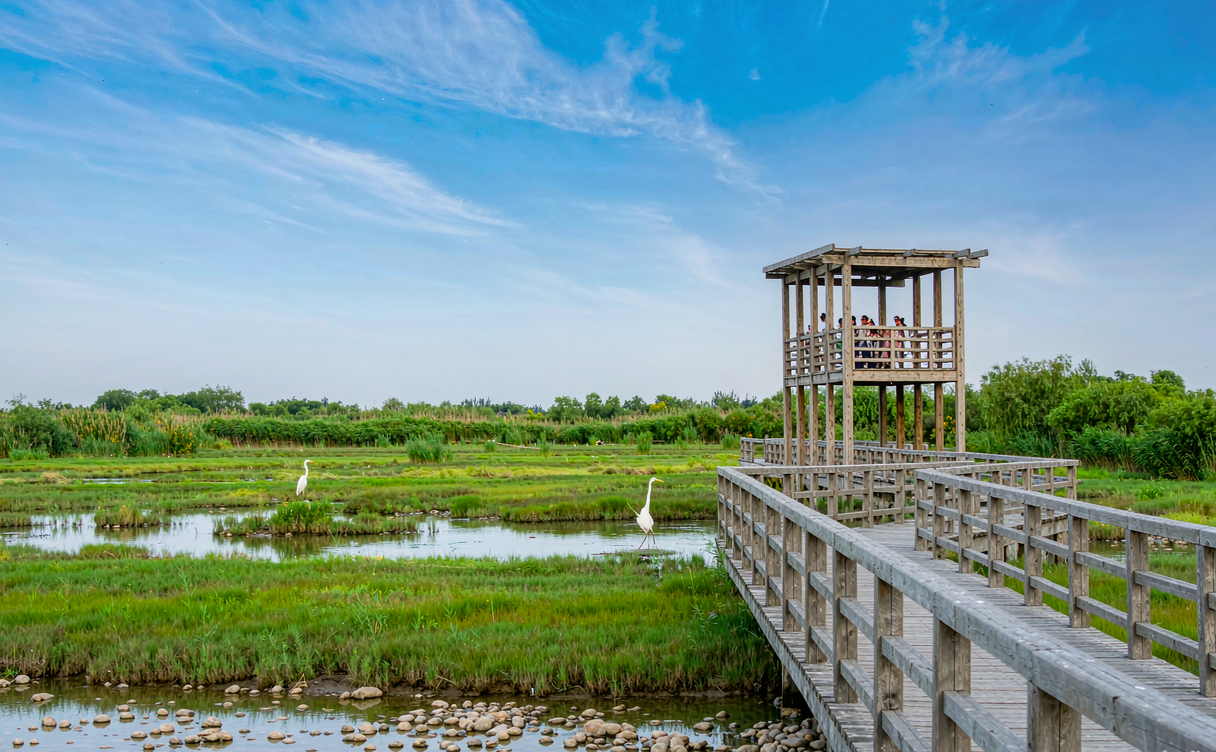
The scheduled flights are the headline, but the reserve’s quieter value is the free wildlife away from the boardwalk. With patience and a long lens from the watchtower, I picked out egrets, Eurasian spoonbills in early spring, and distant cranes that never joined the fed group. These wild birds are warier and fly higher, so they make the better photograph even if the frame is smaller. The reed beds also hold plenty of smaller songbirds that most visitors miss because they are busy watching the clock for the next release. If you have a full day, spend the midday lull simply sitting on the tower steps with binoculars; the marsh wakes again before the afternoon flight. Winter closes much of this, but the frozen reed field has its own stark beauty and far fewer people, which some photographers prefer despite the paused releases.
Sample Half-Day Plan
- 08:00 — Leave Qiqihar by car or bus.
- 09:00 — Arrive, buy ticket, shuttle to boardwalk.
- 09:30 — First crane release from the front rail.
- 10:30 — Walk the loop to the watchtower for wild birds in the distance.
- 12:00 — Lunch in Zhalong township, then return to Qiqihar.
If you want a full day, add the reed-boardwalk photography and a second afternoon release.
Where to Eat and Sleep
Inside the reserve there is only a snack stall selling corn, eggs, and warm soy milk (¥5–15). In Zhalong township, small restaurants serve Northeastern dishes: stewed carp with tofu (¥35–50), cold noodles (¥12–18), and grilled lamb (¥3–5 a skewer). Qiqihar city has far more choice, including its famous barbecue streets where a meal runs ¥40–70 per person.
Sleep in Qiqihar at ¥150–350 per night for a decent hotel; I stayed near the station for an early start. Hotels in the township are basic and few, so city-based day trips are the smoother plan.
Quick Tips Before You Go
A few notes from my two visits: call the reserve or check its notice the morning you travel, because release times shift and occasional closures happen after heavy snow or storm. Wear muted colors — bright red jackets can spook the nearer birds even inside the rail. Bring a thermos in spring and autumn; the wind off the marsh is sharp and the snack stall coffee is weak. If you rely on ride apps, set your return pickup in advance, since signal at the gate is patchy and taxis are not always waiting after the last release. Finally, give the boardwalk crowd a wide berth at release time; the best photos come from arriving early and claiming one of the front gaps rather than pushing through late.
Practical FAQ
How close do the cranes get? At release they fly low, sometimes 20–30 m overhead. Off the boardwalk they stay far, which is the point.
Is it cold even in spring? Yes. Late April nights in Heilongjiang dropped near freezing on my visit; pack a warm layer.
Can children enjoy it? Absolutely, but brief them to stay quiet and still during releases.
Are there other birds? Egrets, swans, and various ducks share the marsh, especially in migration windows.
How long is enough? A half day covers the releases and loop; a full day adds relaxed photography.