

Ten days is the right length for a first China trip: three nights in Beijing, two in Xi’an, three in Shanghai, with a buffer day. The route runs west to east on high-speed rail, so you never backtrack, and every leg is under six hours. What decides whether it works is booking order — flights three months out, trains the day sales open, hotels as soon as the flights are fixed.

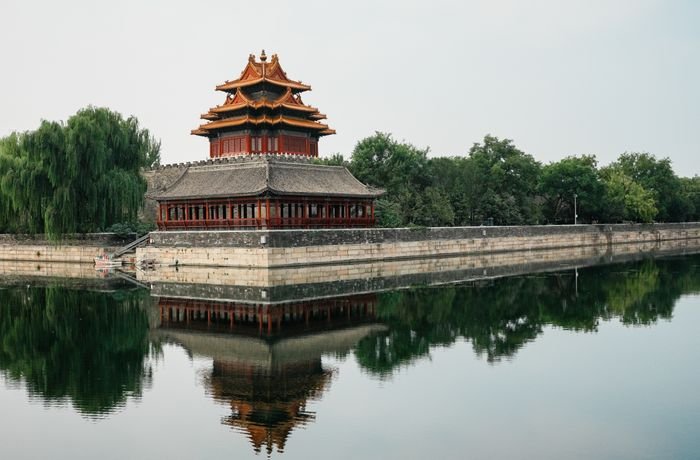
The Route at a Glance
| Days | City | Base area | What you see |
|---|---|---|---|
| 1–3 | Beijing | Dongcheng, near Line 2 | Forbidden City, Mutianyu Great Wall, hutongs |
| 4–5 | Xi’an | Inside the city wall, near Bell Tower | Terracotta Army, city wall by bike, Muslim Quarter |
| 6–9 | Shanghai | The Bund or Jing’an | Bund, French Concession, Zhujiajiao water town |
| 10 | Depart | — | Fly out of Pudong, or train back to Beijing |
Why This Order Beats the Alternatives
Beijing to Xi’an to Shanghai is a straight line west then east, and both long legs are on the same rail corridor with frequent departures. Reverse it and you gain nothing; insert Chengdu and you add a fourth city that deserves three days of its own rather than a rushed stop. The buffer day matters more than it sounds: on a ten-day trip, one delayed train or one rainy Great Wall morning is the difference between a good trip and a frantic one.
Book an open-jaw flight — into Beijing, out of Shanghai — rather than a round trip. It costs about the same on a full-service carrier and saves you a half-day of backtracking at the end.
Day by Day
Days 1 to 3: Beijing
Land, get to Dongcheng, and do nothing ambitious on the first evening. Day two is the imperial core: Tiananmen Square first, then the Forbidden City through the south gate, which takes three to four hours at a walking pace. Tickets are 60 CNY in peak season and 40 in winter, sold online against your passport, and the palace is closed on Mondays — a detail that ruins more itineraries than any other in China. Book through the official channel or an English platform and keep the QR code on your phone.
Day three is the Wall. Mutianyu is the comfortable choice: a cable car up, two hours of walking between towers, and a toboggan down if you want it. A private transfer from central Beijing takes about 90 minutes each way and costs 400 to 600 CNY round trip for a car; the tourist bus is cheaper but locks you into a fixed return time. Come back via a hutong dinner around Nanluoguxiang and you have had the two things people come to Beijing for.
Days 4 and 5: Xi’an
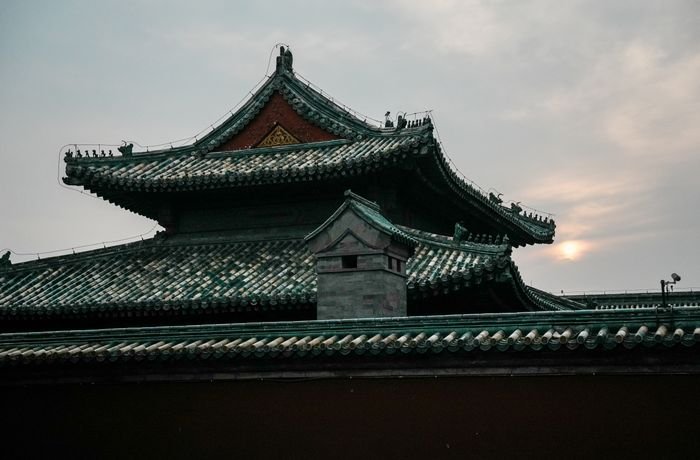
The morning G-train from Beijing West to Xi’an North takes about four and a half hours and runs several times a day; second class is around 515 CNY. You arrive in time for lunch and an afternoon on the city wall, which you can rent a bike on and ride in about 90 minutes. The Muslim Quarter is the evening: lamb skewers, roujiamo, persimmon cakes, and a crowd that peaks around 8 p.m.
Day five belongs to the Terracotta Army. Go at opening, 8:30 a.m., because the site fills by 11 and the pits are more impressive without a shoulder-to-shoulder crowd. Tickets are 120 CNY and are sold online against your passport. A car and driver from the city costs 400 to 500 CNY for the half-day; the tourist bus from the east square of the railway station is 7 CNY and takes an hour. Back in the city by mid-afternoon, you have time for the Shaanxi History Museum or a slow dinner.
Days 6 to 9: Shanghai
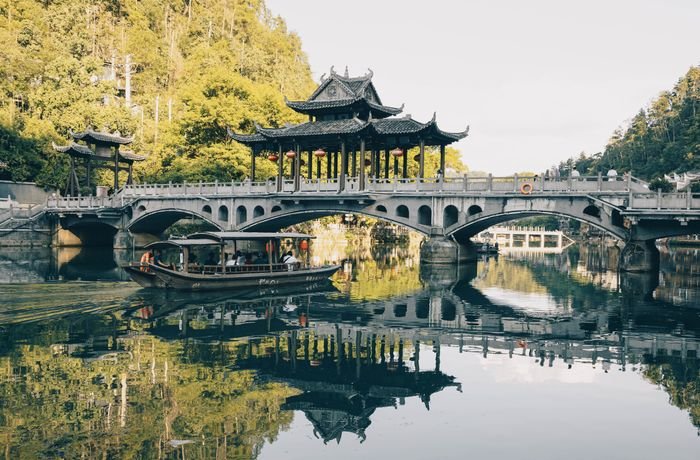
The Xi’an to Shanghai train is the long leg, roughly six hours, or a two-and-a-half-hour flight if the fare is right. From Hongqiao station, Line 2 or 10 takes you to Jing’an or the Bund in 20 to 30 minutes. Day seven is the Bund at dawn — genuinely the best hour, before the tour groups — then the French Concession on foot: Wukang Road, Anfu Road, and the lanes between them.
Day eight is the water town. Zhujiajiao is 50 kilometers west and reachable by Line 17 in about an hour, which makes it the easiest of the canal towns without a car. Day nine is slack: the Shanghai Museum, a rooftop bar, or a half-day in Suzhou by train if you want one more classic garden. Keep the last evening free rather than booking a show on departure eve.
Day 10: Departure
Pudong is 40 minutes from Jing’an by Line 2 or the Maglev-plus-metro combination; allow three hours before an international flight. If your return ticket leaves from Beijing instead, the train is four and a half hours and should be booked for the morning, not the afternoon.
The Booking Timeline, Counted Backwards
Every piece of this trip has a natural booking window, and missing one is what turns a plan into a scramble. This is the order I would work in, starting twelve weeks before departure.
| When | Book | Why then |
|---|---|---|
| 12 weeks out | International flights (open jaw) | Cheapest long-haul buckets, best seat choice |
| 12 weeks out | Visa application | Most consulates want four to six weeks of lead time |
| 10 weeks out | Hotels in all three cities | Flexible rates are still available; peak weeks sell out |
| 6 weeks out | Great Wall and Terracotta transfers | Drivers and small-group slots fill in spring and autumn |
| 15 days out | Beijing–Xi’an and Xi’an–Shanghai trains | Chinese rail sales open 15 days before departure |
| 7 days out | Attraction tickets with passport ID | Forbidden City and Terracotta Army sell out on holidays |
| 3 days out | Airport transfers, eSIM, apps | Payment apps need a calm half-hour on hotel Wi-Fi |
Two of these are the ones people miss. Chinese train tickets genuinely do not go on sale earlier than 15 days before departure, so a booking site that shows “sold out” three months ahead is showing an unopened window, not a sold-out train. And attraction tickets are now passport-linked: you cannot buy a Forbidden City ticket for a friend traveling on their own ID. If you would rather not manage four separate bookings, you can hold the flights, trains, and hotels in one itinerary and keep the dates lined up.
What This Trip Actually Costs
Excluding international airfare, ten days on this route runs roughly 9,000 to 14,000 CNY per person at a mid-range level: 400 to 700 CNY a night for rooms, 1,200 to 1,500 CNY for the two train legs, 500 to 800 CNY for the two day-trip transfers, and 150 to 250 CNY a day on food. That is a comfortable trip, not a budget one. Cutting to hostel and chain hotels brings it to about 6,000 CNY; adding five-star rooms in all three cities pushes past 25,000.
The savings that actually work are structural rather than clever: travel in March or November instead of July, take the second-class train instead of flying, and eat where the queue is local. You can book the flights, trains, and hotels for this route in one place and keep every confirmation in a single thread, which is worth real money when a train time changes.
If You Have Less or More Time
Can I do this route in seven days?
Yes, by cutting Shanghai to two nights and dropping the water town. Seven days across three cities means one full day each in Beijing and Xi’an, which is thin but workable if your flights are convenient. Below seven days, pick two cities — Beijing and Xi’an, or Shanghai and Hangzhou — and stop trying to see the country.
What should I add with four more days?
Chengdu, for pandas and Sichuan food, flying in from Xi’an and out to Shanghai. Or Guilin and Yangshuo for the karst landscape, which pairs naturally with a Shanghai finish. If you are extending west toward the plateau instead, foreign travelers need permits arranged in advance — our Tibet permits guide covers the paperwork. For a completely different rhythm, the Guangdong eight-day route trades imperial monuments for Cantonese food, the museum route strings two weeks of collections across five cities, and for the rail enthusiast China’s international trains extend the network past the border.
Frequently Asked Questions
Is 10 days enough for Beijing, Xi’an and Shanghai?
Yes. Three nights in Beijing, two in Xi’an, three in Shanghai and one buffer day gives each city real time. The buffer is what makes it comfortable rather than a checklist.
Which direction should I travel this route?
Beijing to Xi’an to Shanghai, west then east. Both rail legs run frequently in either direction, but ending in Shanghai gives you the better international departure options and a calmer last day.
Do I need to book the trains before I arrive?
Yes for the Beijing–Xi’an leg in peak season, and strongly advised for both legs year-round. Sales open 15 days ahead; book through an English platform so your passport is the ticket ID.
Is the Great Wall trip from Beijing worth a full day?
It is a full day and it is worth it. Mutianyu takes 90 minutes each way plus two to three hours on the wall. Anything shorter means a rushed cable car and no walking between towers.
Should I end in Shanghai or Beijing?
Shanghai, if your flight home allows it. Pudong has the widest long-haul network, the city is easier to leave from, and an open-jaw ticket into Beijing and out of Shanghai usually costs the same as a return.