

A proper Yanbian travel guide has to start with a confession: we arrived expecting a one-night stopover and stayed five. Yanbian Korean Autonomous Prefecture sits in the far eastern tip of Jilin province, sharing a river border with the DPRK and brushing up against Russia near Hunchun. What makes Yanbian, Jilin, China so distinctive is that roughly a third of its residents are ethnic Koreans, and the region wears that identity openly — Korean script sits above Chinese on shopfronts, the air smells of roasting sesame and fermenting cabbage, and dinner often means a brass bowl of cold noodles or a table groaning with barbecue.
We’ve sent clients here as a soft landing before the climb to Changbai Mountain, and as a cultural counterpoint to the Russian-flavored boulevards of Harbin. It works either way. Yanbian is practical, warm, and cheap to explore, with none of the ticket-gate fatigue you meet at China’s headline sights. If your mental map of Northeast China stops at Harbin’s ice, this is the place that complicates it.
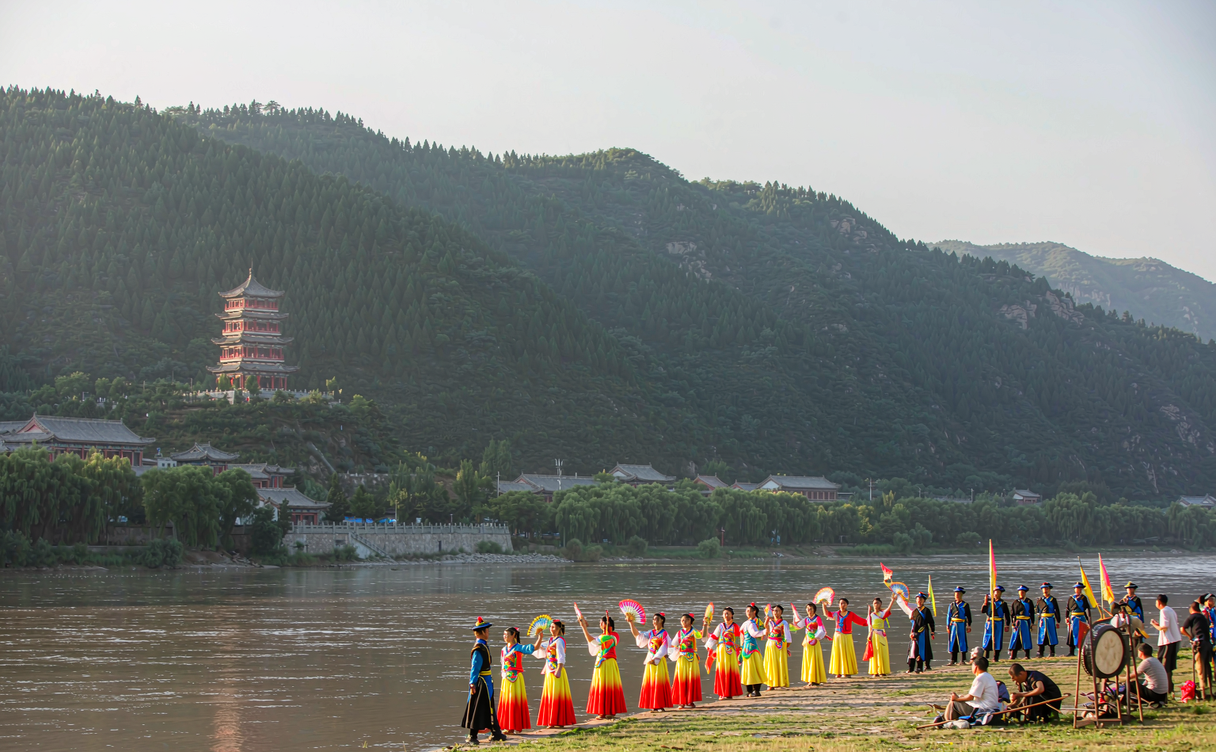
Why Yanbian earns a place on your Northeast China route
Yanji, the prefectural capital, is the natural base. It is compact, walkable, and stuffed with food stalls that stay open past midnight. On our last trip we based ourselves a five-minute walk from Yanji’s central pedestrian street and never needed a taxi after 9pm. The Korean-Chinese food here is the real draw: jjajangmyeon, bibimbap, marinated raw crab (ganjang gejang), and the local specialty — Yanji cold noodles (Yanji naengmyeon) — served in a dented metal bowl with a slice of pear and a hard-boiled egg. A full barbecue dinner for two runs 120–200 RMB; a bowl of cold noodles alone is 15–25 RMB, and a plate of kimchi pancakes another 20–30 RMB.
If you want the broader picture before you fly, our China travel guide for first-timers covers payments, SIM cards, and the apps you’ll actually use on the ground. Yanbian is foreigner-friendly, but Alipay and WeChat Pay still dominate, and a few of the best hole-in-the-wall restaurants take cash only grudgingly, so carry a little paper money.
Best time to visit Yanbian
The short version: summer and early autumn are best. From June to September daytime highs sit around 24–28°C, the rice paddies turn gold, and the Korean border villages host harvest festivals with wrestling and swing games. Late September into October brings crisp air and red maple on the hills around Changbai Mountain. Winter (December–February) is brutally cold, often −20°C, but it is the quietest and cheapest season, and the snowy Korean villages photograph beautifully against blue sky.
We generally steer first-timers toward the best time to visit China overview, then narrow to Northeast specifics — Yanbian’s shoulder seasons (late May and September) dodge both the summer crowds at Changbai and the deep winter freeze. For Korean-food pilgrims, time your visit to the Yanji Cold Noodle Festival in summer, when the whole city seems to be slurping at once.
How to get to Yanbian
Most travelers fly into Yanji Chaoyangchuan International Airport (YNJ), which has direct flights from Beijing, Shanghai, and Seoul, plus seasonal links from other hubs. From the airport, a taxi to central Yanji costs about 40–60 RMB and takes 30 minutes; the airport bus is 10 RMB but runs on flight schedules only.
The train is the better story. High-speed services from Changchun reach Yanji in roughly 2.5–3 hours (second class 130–160 RMB), and the line from Harbin takes about 4–4.5 hours. If you are building a Northeast loop, pair this with our Changchun travel guide and the Harbin ice festival travel guide — Harbin’s Central Street and Yanji’s Korean quarter make a neat cultural contrast, and you can read more in our Harbin Central Street piece about the Russian architecture and ice sculptures that anchor that city’s winter.
Things to do in Yanbian
Yanji city food crawl. Start at the Yanji West Market (Yanji Xijie Shichang) for kimchi by the kilogram, rice cakes, and dried seafood. Entry is free; budget 50–100 RMB for snacks and souvenirs you will actually finish.
Yanji Korean Folk Village. On the city’s western edge, this reconstructed village shows tiled Korean farmhouses, weaving demonstrations, and seasonal dance performances. Entry is around 30 RMB, and it is the easiest place to try on a hanbok for photos.
Tumen border. A 40-minute drive north of Yanji, Tumen looks across the narrow Tumen River to the DPRK. You cannot cross without a guided tour, but the riverside promenade, the bridge, and the “one stone, two countries” monument are worth the half-day. A private car here costs around 200–300 RMB round trip, and a local guide another 100–150 RMB.
Hunchun tri-border area. Further east, Hunchun sits near where China, Russia, and the DPRK meet. The Fangchuan scenic area lets you see three countries from one lookout tower for about 80 RMB entrance. The nearby Hunchun port market sells Russian chocolate and Korean snacks at bargain prices.
Changbai Mountain (Antu side). The southern slopes of Changbai, including Heaven Lake, fall within Yanbian’s Antu County. This is the single biggest reason many travelers route through Yanbian. Park entry plus the shuttle runs 225 RMB in peak season, and the climb to the lake crater involves a separate 80 RMB bus if the weather clears.
A sample Yanbian itinerary
Day 1: arrive Yanji, evening food crawl on the pedestrian street. Day 2: West Market, Korean Folk Village, then a Tumen border afternoon. Day 3: Changbai Mountain southern slope — book the shuttle bus ahead, because same-day tickets vanish by mid-morning in July and August. Day 4: Hunchun tri-border, back to Yanji for a final cold-noodle feast. We’ve run this as a four-day add-on for clients coming off the Jilin City travel guide route around Songhua Lake — it pairs a relaxed Korean food scene with Jilin’s colder, more Russian-leaning character, and the contrast is exactly what sells the region.
Getting around Yanji
Yanji is small enough that most of your time is on foot, but for the border day trips a car is essential. Ride apps work in the city center; outside it, we pre-book because English-speaking drivers are rare and the DPRK-border roads have few signs in Latin script. Within Yanji, shared bikes and the occasional pedicab cover short hops for 5–10 RMB. We tell clients to keep their hotel’s name written in Chinese characters on their phone — showing the characters to any driver solves more problems than any phrasebook ever could, and it spares you the awkward mime at a cold roadside junction.
Where to stay and what’s bookable today
Yanji has everything from hostels at 80–120 RMB a night to four-star hotels at 400–600 RMB. International chains and Chinese booking apps list rooms year-round; the only thing you must pre-book is the Changbai Mountain shuttle in peak season. Trains can be reserved 15 days out through 12306 or a hotel concierge, and we’ve found that booking a private car for the border day trips saves more time than the 200 RMB it costs.
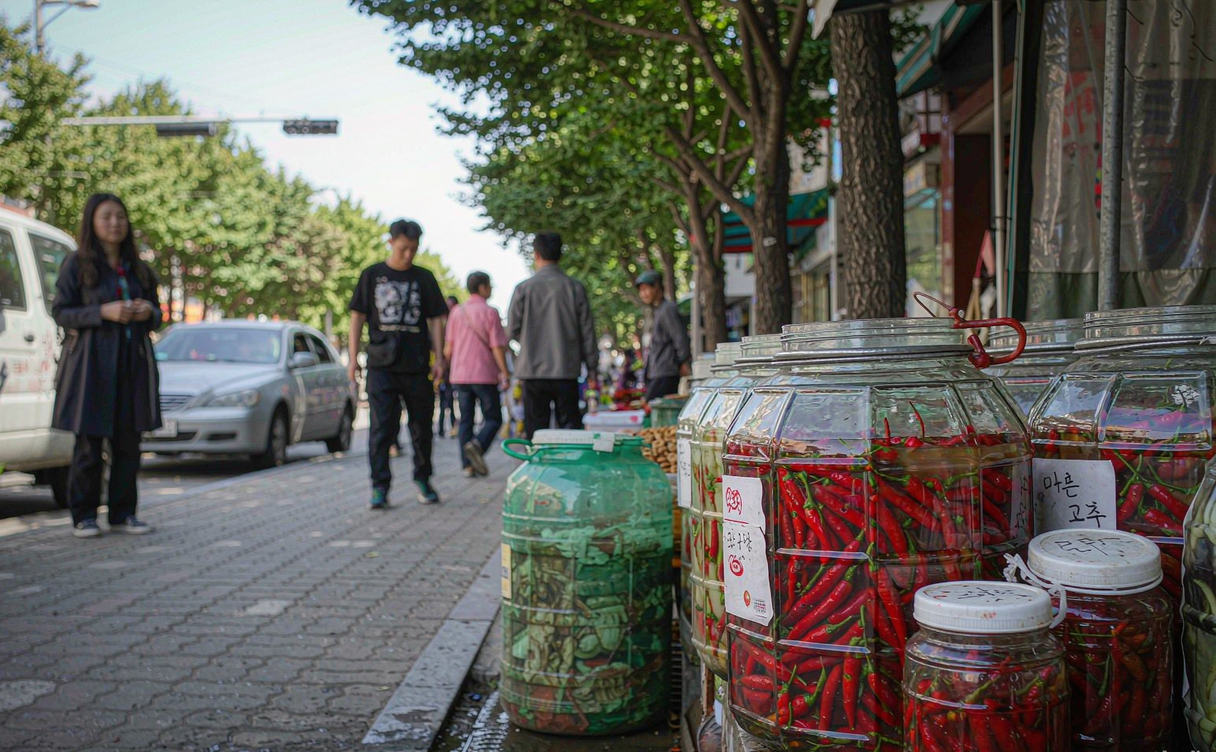
Money goes far here. A comfortable day — market breakfast, two sightseeing stops, a barbecue dinner, and a beer — rarely tops 300 RMB per person. That is why we keep sending people back: you can eat like a king in Yanbian for what a single hotpot costs in Shanghai.
Before you go / References
Yanbian is a food-and-culture destination more than a sightseeing sprint — pace it slowly and eat often. For background on the prefecture’s geography and Korean-Chinese heritage, see the Yanbian Korean Autonomous Prefecture entry on Wikipedia, which maps the counties and the border layout clearly.