

Our Xinduqiao travel guide heads to a small town on the Tibetan plateau edge of western Sichuan, China, that has earned the nickname “Photographer’s Paradise” among Chinese travelers. Xinduqiao is less a sightseeing checklist than a mood: golden poplars, rolling grassland, scattered Tibetan farmhouses, and snow peaks on the horizon, all lit by the soft, raking light of high altitude. This Xinduqiao travel guide explains when to go for the best light, how to get there, and how to turn the surrounding countryside into unforgettable images while respecting the local Tibetan communities of Sichuan, China.
Content Preview
- Xinduqiao Travel Guide: Best Time to Visit
- Xinduqiao Travel Guide: How to Get There
- Things to Do in Xinduqiao
- Where to Stay in Xinduqiao
- Sample Itinerary
- Frequently Asked Questions
Xinduqiao Travel Guide: Best Time to Visit
The best time to visit Xinduqiao is late October to early November, when the poplars turn brilliant gold and the grasslands take on warm autumn tones—the classic “paradise” scene. Late spring (May to June) is the second-best window, with green valleys, wildflowers, and grazing yaks under clear skies. Summer (July to August) is lush and good for meadows but busier and prone to afternoon rain. Winter is stark and beautiful but very cold, with possible snow closures on the high passes.
Because Xinduqiao sits at about 3,300 m, it also serves as a real acclimatization point before higher destinations like Daocheng Yading or Seda in Sichuan, China. For timing across the country, our best time to visit China guide is a helpful planning companion.
Xinduqiao Travel Guide: How to Get There
Xinduqiao is a junction town in Kangding City, Garzê Prefecture, about 400 km from Chengdu. The standard route climbs from Chengdu through Ya’an and Luding, then over the Zheduo Pass (about 4,298 m) or through the Zheduo tunnel, before dropping to Xinduqiao. The drive is long (7–9 hours) but scenic; most travelers break it in Kangding. There is no train or airport at Xinduqiao itself—the nearest air link is Kangding Airport (limited flights) or Chengdu.
| From | Mode | Time | Notes |
|——|——|——|——-|
| Chengdu | Private car / bus | 7–9 hrs | Usually split with a Kangding overnight |
| Kangding | Car / bus | 1.5–2 hrs | Over Zheduo Pass or tunnel |
| Danba | Car | 2–3 hrs | Via Tagong grasslands |
| Daocheng Yading | Car | 6–8 hrs | Long plateau drive |
| Litang | Car | 3–4 hrs | Along the G318 highway |
Road conditions on the G318 can change with weather; check before winter travel. Many visitors base themselves in Chengdu first—see our Chengdu travel guide for arrival logistics.
Things to Do in Xinduqiao
Capture the Classic Poplar and Grassland Scenes
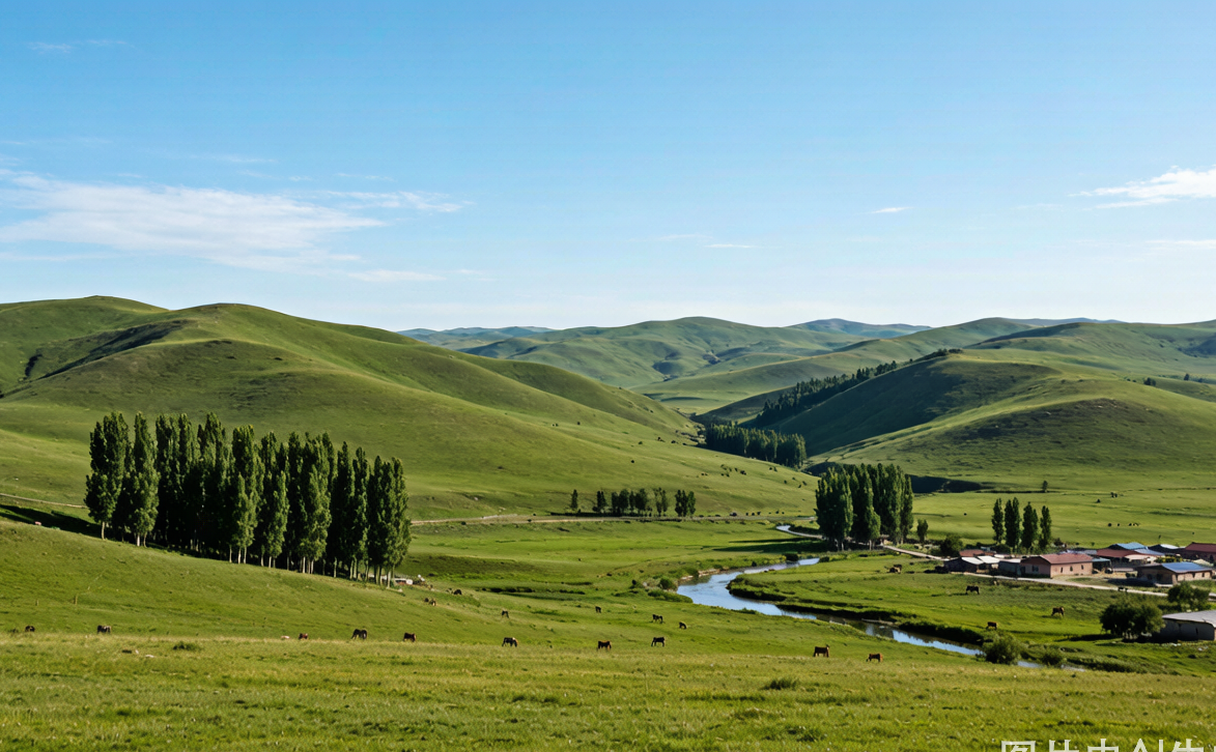
The iconic Xinduqiao shots are simple: a winding dirt road lined with golden poplars, a wooden Tibetan house with prayer flags, yaks grazing on a sloping meadow, and a far snow peak. The light is best in the first two hours after sunrise and the last two before sunset. Pull over at safe spots along the ring roads north and south of town—this is a place you photograph from the roadside, not a gated attraction.
Tagong Grassland and Monastery
About an hour north, Tagong (Lhatse) offers wide grassland, the golden-roofed Tagong Monastery, and the striking peak of Yala Mountain as a backdrop. It is a center of Tibetan culture in Sichuan, China, with horse treks in summer and prayer-flag hills year-round. The drive between Xinduqiao and Tagong is itself a highlight.
Nearby Mountain Passes and Lakes
Short trips reach the viewpoint at Gao’ersi Mountain for a panorama of the rolling plateau, and the small sacred lake of Muya Mandala area. In spring, the roadside is dotted with blooming azalea and rapeseed. Always ask before entering private pasture or photographing monks and locals.
Local Village Life
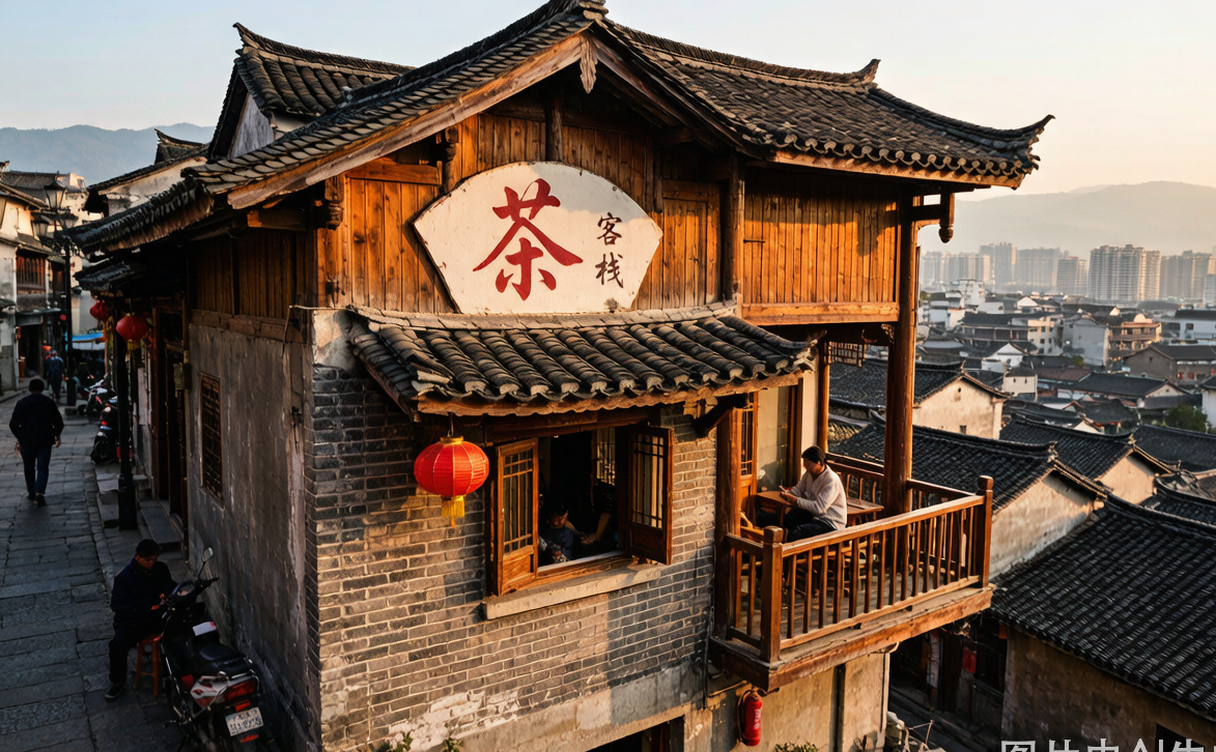
Spend an hour in a roadside village: watch barley being dried, kids riding bikes, and elders turning prayer wheels. A cup of butter tea with a host family is a genuine cultural exchange. This slower pace is what separates a real visit from a quick photo stop.
For more highland scenery, our Jiuzhaigou travel guide covers another famed corner of Sichuan, China.
Practical Tips for Photographers
A few habits lift your Xinduqiao shots from snapshots to keepsakes. Arrive at your chosen spot 30 minutes before sunrise to catch the first warm light on the poplars, and stay until the blue hour for silhouettes. Use a polarizing filter to deepen the sky and manage glare off the river. Watch the forecast: clear mornings after a cold night give the crispest air and the longest views. Finally, be patient—the best frames often appear when a yak wanders into the composition or a prayer flag catches the wind.
Where to Stay in Xinduqiao
Xinduqiao town has a cluster of guesthouses and small hotels (200–600 RMB) geared to road-trippers, with varying heating quality—check reviews for winter warmth. For a quieter, more scenic base, stay near Tagong or in a countryside inn among the poplars. Reserve ahead in the October peak, when every room fills with photographers chasing the gold.
Sample 3-Day Itinerary
- Day 1: Chengdu to Kangding, acclimatize; light walk and overnight.
- Day 2: Kangding over Zheduo Pass to Xinduqiao; afternoon and sunset photography on the grassland ring road.
- Day 3: Sunrise shoot, then Tagong grassland and monastery, return via Danba or continue west.
This Xinduqiao itinerary balances altitude gain with photo time. Add a day if you want to linger for changing light.
FAQ
Is Xinduqiao a town or just scenery?
It is a real town and transport junction, but the famous views are in the countryside around it. Plan to drive the surrounding roads rather than expect a contained attraction.
Will I feel altitude sickness at 3,300 m?
Some visitors get mild headaches or breathlessness. Ascend gradually via Kangding, hydrate, avoid alcohol on the first night, and consider a rest day if continuing higher.
Do I need a permit?
Xinduqiao itself generally requires no special permit for foreign travelers, but carry your passport and register at your hotel. Rules for deeper Tibetan areas of Sichuan, China, can shift, so verify before remote side trips.
What camera gear should I bring?
A wide lens for landscapes and a telephoto for compressing peaks and isolating farms both help. A lightweight tripod is useful for dawn and dusk low light.
Can I visit in winter?
Yes, for solitude and snow scenes, but temperatures drop well below freezing and passes may close. Only attempt with a prepared vehicle and driver.
Final Thoughts
Xinduqiao rewards patience and an early alarm more than any ticket or tour. Go for the gold of autumn or the green of late spring, give the light its time, and you will understand why this corner of Sichuan, China, is called a photographer’s paradise.
The broader cultural landscape of this Tibetan region of Sichuan, China, is summarized in the encyclopedic record (en.wikipedia.org/wiki/Xinduqiao), a good pre-trip reference.
By Karl — Last updated July 26, 2026