

Our Danba travel guide brings you to a green river valley in western Sichuan, China, where ethnic Tibetan communities have built white-walled stone watchtowers and terraced villages for more than a thousand years. Danba County, in the Garzê Tibetan Autonomous Prefecture of Sichuan, China, is often called the “Kingdom of a Thousand Watchtowers.” It is one of the best places to experience Tibetan culture in Sichuan, China, far from the high plateaus but full of living tradition. This Danba travel guide covers when to go, how to get there, and the villages worth your time.
Content Preview
- Danba Travel Guide: Best Time to Visit
- Danba Travel Guide: How to Get There
- Things to Do in Danba
- Where to Stay in Danba
- Sample Itinerary
- Frequently Asked Questions
Danba Travel Guide: Best Time to Visit
The best time to visit Danba is spring (March to April) and autumn (October to November). In late March and April the valley explodes with wild peach and pear blossoms against the snow-dusted peaks—arguably the most beautiful window of the year. Autumn brings clear skies, golden poplar leaves, and comfortable hiking weather. Summer (June to August) is lush and green but rainy, with the risk of landslides on mountain roads. Winter is cold and some high passes may close with snow.
Because Danba sits at a moderate 1,800–2,000 m in the valleys, it is more forgiving than the higher Tibetan areas and makes a good acclimatization stop on a western Sichuan road trip. If you are coordinating a longer route, our best time to visit China guide helps align Danba with other regions.
Danba Travel Guide: How to Get There
Danba has no airport or train station; it is reached by road from Chengdu or Kangding. The drive from Chengdu is about 360 km and takes 6–8 hours depending on road conditions, usually via Ya’an, Luding, and the Dadu River gorge. Buses depart Chengdu’s Xinnanmen and Chadianzi stations, but self-drive or a private driver is far more flexible for sightseeing along the way.
| From | Mode | Time | Notes |
|——|——|——|——-|
| Chengdu | Bus / private car | 6–8 hrs | Scenic but long; split with Kangding |
| Kangding | Bus / car | 3–4 hrs | Via Zheduo Pass or tunnel |
| Xinduqiao | Car | 2–3 hrs | Easy to combine on a loop |
| Danba town to Jiaju | Local bus / taxi | 15–20 min | Short hop up the valley |
Roads in this part of Sichuan, China, can be affected by weather, so check conditions before a winter departure. Many travelers link Danba with a Chengdu travel base plus a few days in the mountains.
Things to Do in Danba
Jiaju Tibetan Village
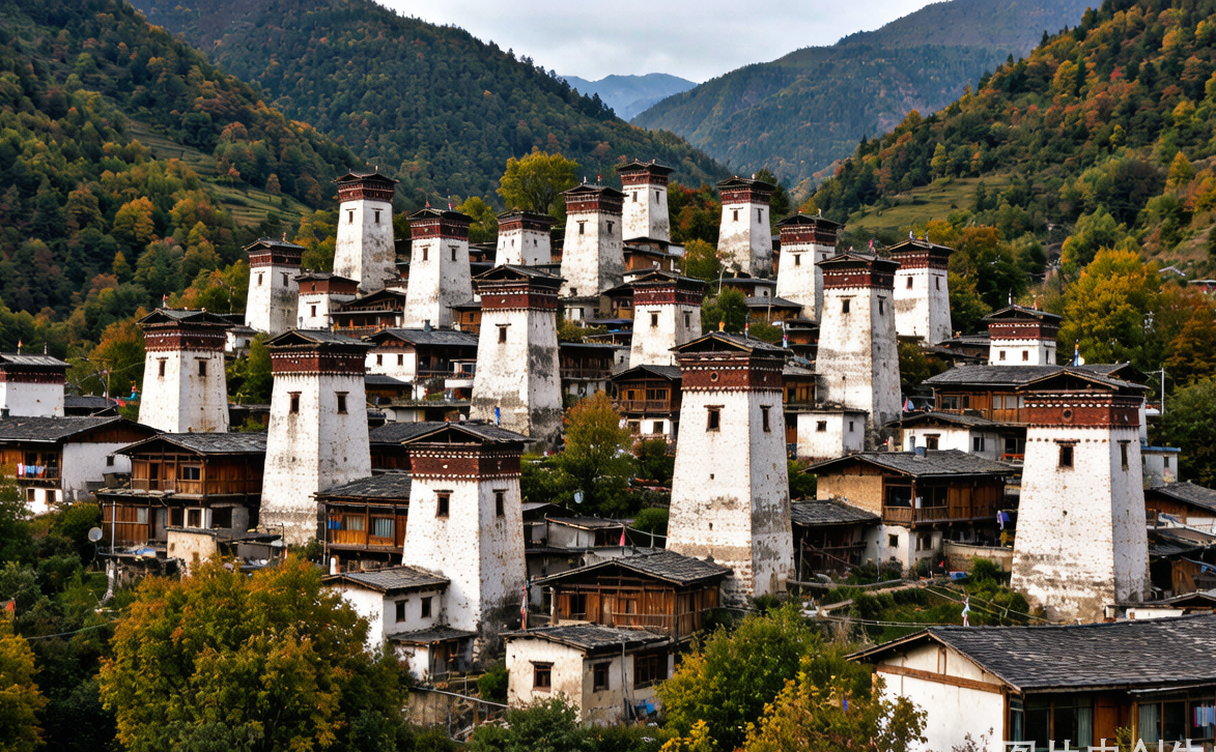
Jiaju (甲居藏寨) is Danba’s headline sight and one of the most photographed Tibetan villages in Sichuan, China. More than 150 households are scattered across a hillside terrace, each a white-walled, timber-trimmed home capped with a small watchtower, with wheat fields and prayer flags below. A scenic road loops through the village, and viewpoints let you take in the whole amphitheater. Entry is around 50 RMB. Staying overnight with a local family is the best way to feel the rhythm of daily life.
Suopo and the Ancient Watchtowers
The Danba watchtowers (diaolou) are the reason for the “Kingdom of a Thousand Watchtowers” nickname. The finest cluster stands at Suopo (梭坡), across the Dadu River, where tall stone towers—some over 30 meters—were built for defense and signaling. A handful date back centuries. Climb to the observation point at sunset when the stone glows warm orange. Nearby Zhonglu (中路) village pairs watchtowers with quieter lanes and the Hanque ruins of an ancient settlement.
Tibetan Culture and Local Life
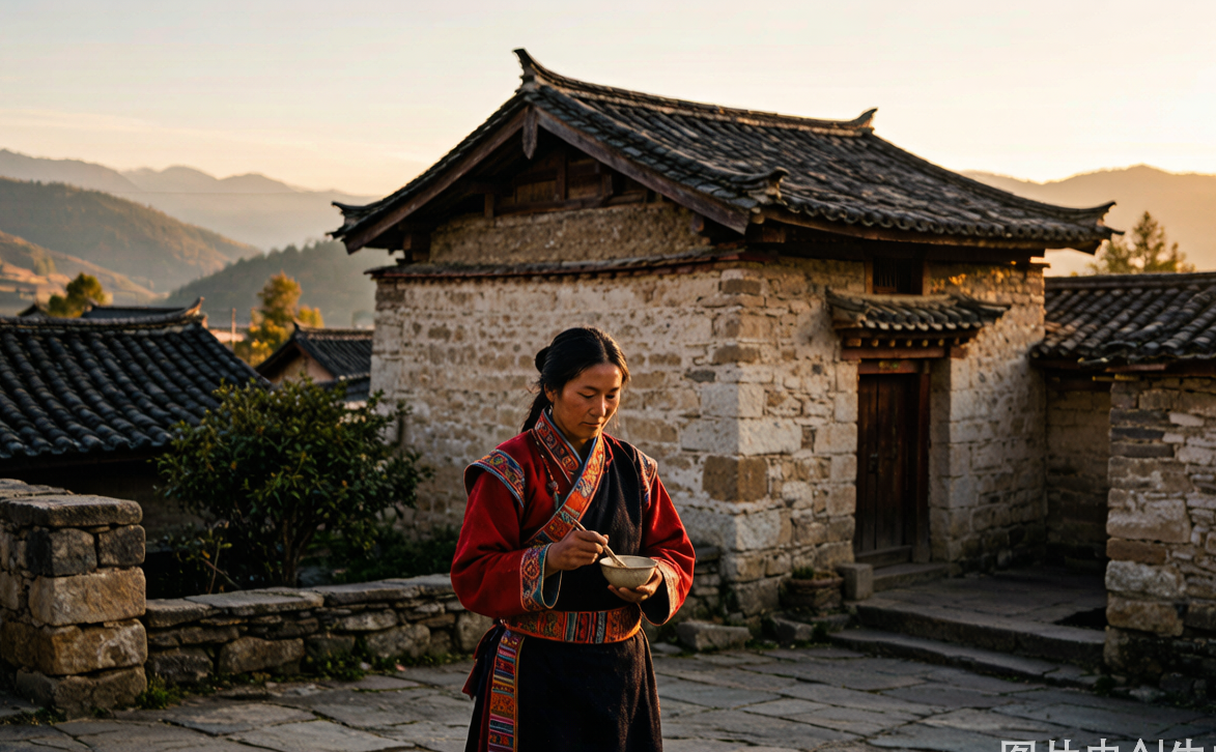
Danba is home to the Jiarong Tibetans, known for distinctive embroidery, folk song, and a local tradition of beauty pageants celebrating “Danba beauties.” You can watch butter-tea preparation, spin prayer wheels, and—with a respectful ask—photograph villagers in festive dress during holidays such as Losar (Tibetan New Year). Always ask before photographing people, and dress modestly when visiting monasteries.
Hikes and Viewpoints
Short trails connect Jiaju, Zhonglu, and Suopo, offering half-day walks through fields and pine forest with constant mountain views. The climb above Zhonglu to the Hanque ruins is a rewarding hour-long ascent. Bring layers: even in summer, mornings are cool at altitude.
This region pairs naturally with highland scenery further west; our Jiuzhaigou travel guide covers another celebrated Sichuan, China, destination.
Practical Tips for Your Danba Visit
A few practical notes make the trip smoother. Mobile coverage is patchy in the valleys, so download offline maps before you leave Kangding. Carry enough cash for guesthouses and tiny eateries, as card machines are rare. Road works and weather can delay the mountain drive, so build buffer time into your schedule. Above all, treat villages as homes, not stages—ask before entering courtyards, dress modestly near temples, and keep your voice down around prayer sites.
Where to Stay in Danba
Options fall into two groups. Inside Jiaju or Zhonglu villages, family-run guesthouses (200–500 RMB) serve home-cooked Tibetan meals and give you the morning mist to yourself. In Danba county town (Dandong), you will find more standard hotels (250–600 RMB) with reliable heating and wi-fi. Book ahead for the blossom season in March–April, when rooms fill fast.
Sample 3-Day Itinerary
- Day 1: Drive from Chengdu to Danba (break at Luding or Kangding); arrive and settle in Jiaju village.
- Day 2: Sunrise over Jiaju, then visit Suopo watchtowers and Zhonglu village; hike to Hanque ruins.
- Day 3: Morning market in Danba town, then continue toward Xinduqiao or return to Chengdu.
This Danba itinerary suits drivers and slow travelers alike. Add a day if you want to linger with a host family.
FAQ
Do I need a permit to visit Danba?
No special permit is required for Danba itself for most foreign travelers, but you must carry your passport and register at your accommodation. Rules for further Tibetan areas of Sichuan, China, can change, so verify before remote detours.
Is altitude a problem in Danba?
Danba’s valleys sit around 1,800–2,000 m, low enough that most visitors feel fine. Still, take it easy on arrival and stay hydrated, especially if coming straight from Chengdu.
What is the food like?
Expect hearty Tibetan-Sichuan fare: yak meat, momos (dumplings), barley bread, and butter tea, plus Sichuan-style chili dishes. Vegetarians can eat well with stir-fried greens and noodles.
Can I visit Danba independently without a guide?
Yes. Buses and signed roads make independent travel possible, though a driver saves time on the winding valley roads and helps with language.
Is Danba safe?
The area is peaceful and welcoming. Standard precautions apply: watch your step on trails, respect private homes, and check weather before mountain drives.
Final Thoughts
Danba shows a gentler, greener face of Tibetan culture in Sichuan, China—watchtowers instead of monasteries, orchards instead of tundra, and villagers who welcome curious travelers. Use this guide to time the blossoms, plan the drive, and choose a village stay you will remember.
The architectural heritage of the Jiarong Tibetan watchtowers is documented in the encyclopedic record (en.wikipedia.org/wiki/DanbaCounty), useful background before you go.
By Karl — Last updated July 26, 2026