

When we first took a small group of travelers up to Lhasa, the moment that stuck with everyone was not the golden roofs of the Potala Palace or the thin mountain air — it was breakfast. A wooden bowl of roasted-barley flour kneaded with butter and tea, a thermos of salty, creamy butter tea, and a plate of chewy dried yak meat. This Tibetan cuisine guide comes straight from those trips and from the family kitchens we have eaten in across Tibet, China, from the back lanes of Lhasa to the nomad tents near Nagqu.
The plateau shapes everything on the table. At 3,500 meters and higher, the growing season is short and the nights are brutal. Wheat and cold-hardy barley grow where rice simply will not, and yaks supply meat, milk, and the dried dung that fuels the stove. The result is a cuisine that is filling, warming, and unlike anything else in the country. If you are building a route around Tibetan cuisine in Lhasa, the food turns out to be at least half the experience.
One thing we warn every group about: the altitude flattens your appetite for the first day or two, so the rich plateau food can feel heavy until you acclimatize. We schedule the first big yak-meat dinner for day three, by which point clients are properly hungry and the flavor lands. Plan your indulgences after the adjustment, not before, and the whole cuisine opens up.
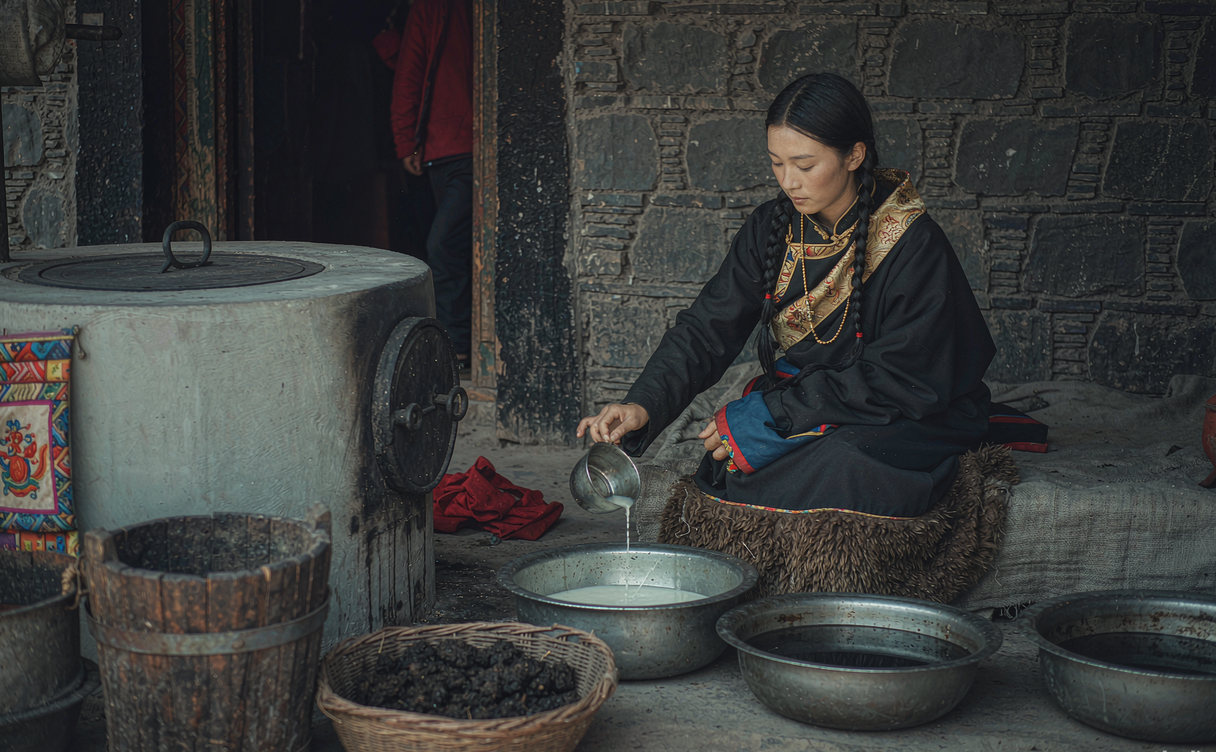
Tsampa, the everyday staple
Tsampa sits at the center of any Tibetan food guide worth its salt. It is roasted barley flour, known locally as qingke, mixed in a bowl with a little yak butter, sometimes dried curd, and just enough butter tea to bind it into a dough you roll with your fingers. Eat it plain, or shape it into a ball and dunk it into soup. On our last trip a family in a village near Shigatse showed our clients how to mix it properly: add the tea slowly, press the flour up the side of the bowl, and never let it turn soggy. A single portion in a local eatery costs about RMB 8–15, and a one-kilogram bag of roasted flour from a Lhasa market runs RMB 12–20.
The flavor is nutty and faintly sour from the butter. It keeps for days without refrigeration, which is exactly why nomads carry it across the grasslands. First-timers often call it plain, but after a cold morning walking the Barkhor circuit the warmth of a second bowl starts to make sense. Regional habits differ too: in Amdo, near the northeast, people sweeten it with a little brown sugar, while in Kham, to the east, it is eaten drier and paired with more meat. On festival days, tsampa is tossed into the air as a blessing before anyone eats it.
Butter tea and a deep dairy tradition
The link between tsampa butter tea and daily life is closer than most visitors expect. Butter tea, or po cha, is not a drink you sip for pleasure on day one — it is a meal in a cup. Tea bricks are boiled for hours, then churned hard with yak butter and a pinch of salt until the mixture turns oily and pale. The result is savory, warming, and faintly medicinal. A pot for two in a Lhasa teahouse costs RMB 15–30, and hosts refill your bowl the moment it empties. We have spent whole afternoons in the old teahouses off the Barkhor watching monks, traders, and pilgrims pass a single churn around the room.
This dairy culture runs parallel to the wider China yogurt dairy guide traditions, but the Tibetan versions are their own thing: thick plain yak yogurt with no sugar, hard sour dried curd, and fresh milk richer than anything from the lowlands. In summer, roadside stalls near the grasslands sell cups of cold yak yogurt for RMB 5–10. Yak butter itself is precious — it goes into the tea, into the tsampa, and into butter lamps at the temples.
Bring small bills and an open mind — the teahouses that locals frequent are almost always cash-only and well worth the stop.
Yak meat, the protein of the plateau
The yak meat that Tibet, China is known for is lean, dark, and a little gamey. You will see it air-dried on strings outside nearly every home in rural Tibet, China, then eaten raw in thin slices — the dried version is chewy and intensely flavored — or stewed soft with radish and potato. A plate of dried yak meat at a casual restaurant runs RMB 38–68. Fresh yak steak, seared with cumin and chili, shows up on better menus for RMB 58–98, and it is nothing like beef from the lowlands: denser, less marbled, and deeply savory.
Thenthuk and momos round out the menu. Thenthuk is a hand-pulled noodle soup with yak meat and greens; a full bowl is RMB 25–45 and the perfect answer to a cold evening. Momos are Tibetan dumplings, steamed or fried, filled with yak meat or spinach, and a basket of ten costs RMB 20–35. On our last trip into the Xining travel guide area — the railway gateway city before the real climb in elevation — the momo houses near the Tibetan quarter were the best we found before the air thinned out.
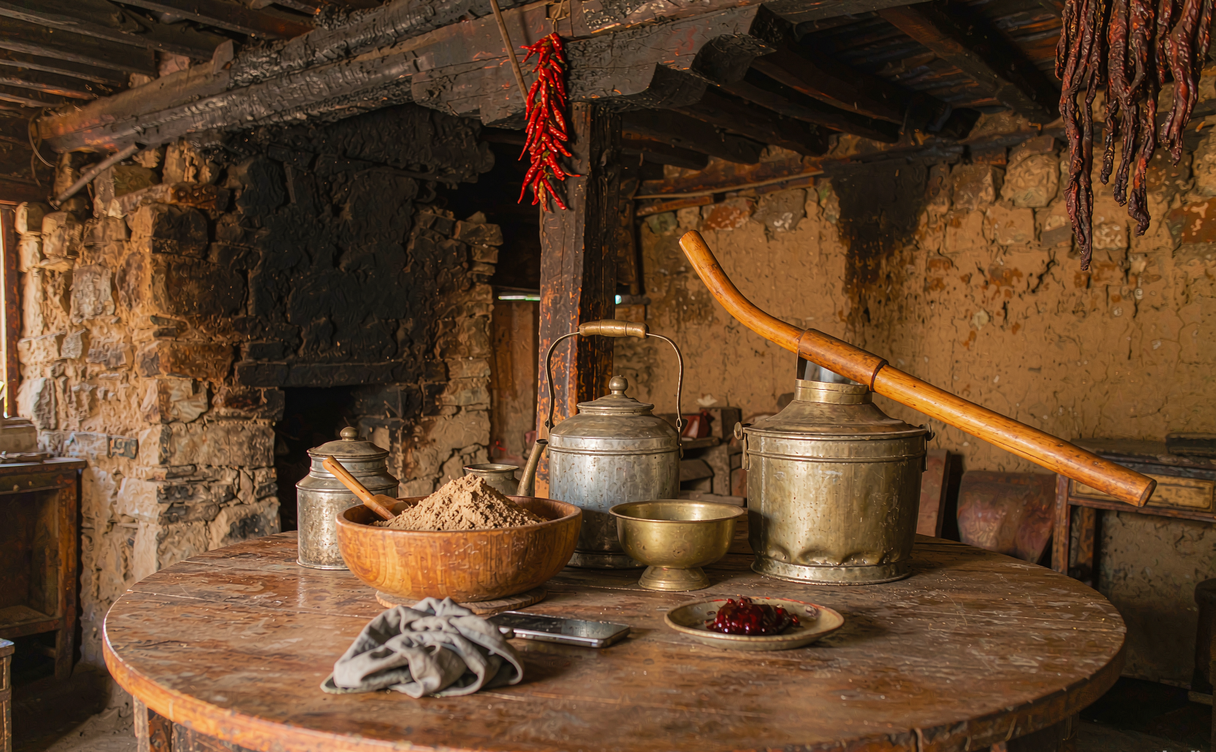
What else to try, and what to skip
Beyond the classics, look for gyuma, a blood sausage made with yak meat and barley; drechen, a sweet fried pastry eaten at festivals; and dhresi, a sweetened rice dish served during the Tibetan New Year. Vegetarians can get by on tsampa, noodles, potato curry, and excellent round-cabbage stir-fries, though truly vegan options are thin outside Lhasa. One dish our clients love is shyamyal, a cold noodles-and-yogurt plate that eats like a plateau version of a summer salad.
Order the momos and thenthuk from a street stall rather than a hotel — the difference in flavor and price is the whole point of eating local.
We tell clients to skip the “Tibetan set dinner” shows aimed at tour buses — overpriced at RMB 180–280 a head and bland. Eat where monks and locals eat. A satisfying meal for two with tea and momos rarely tops RMB 120–160. The sweetened butter tea sold to tourists at airport cafes is also a poor imitation; the real thing is salty, not sweet.
When to go, how to arrive, and what to budget
The best seasons for both comfort and food are May through October, when the high passes are clear and fresh dairy is plentiful. Winter, from November to April, is colder but cheaper, and the dried-meat season peaks then. Most travelers fly into Lhasa Gonggar Airport or take the train from Xining, the latter giving you two days to acclimatize gradually — which matters, because altitude dulls the appetite for the first day or two. Our China altitude sickness guide covers that in detail before you book.
Daily food costs for a visitor eating local run RMB 80–150 for casual meals and RMB 200–350 if you add a nicer restaurant. The cuisine also opens a door into the broader China ethnic minorities travel guide, since Tibetan, Monpa, and Qiang foodways all meet on the plateau. For background on the region’s culinary history, the overview at Tibetan cuisine on Wikipedia is a reliable reference.
Plan your meals around the seasons — summer dairy and winter dried meat offer two genuinely different versions of the same cuisine.
A note for first-time visitors
Ask before photographing inside family kitchens, and give the butter tea three tries; by the third cup most of our clients are ordering a second pot. What to eat in Tibet, China is less a fixed menu than a daily rhythm: barley in the morning, noodles at noon, meat and tea through the cold night. Learn that rhythm and the plateau stops feeling forbidding and starts feeling like a kitchen you know.