

Hidden in the terraced hills of Sichuan, Taiping Qiang Village is one of the most remarkable surviving examples of Qiang ethnic architecture in China. This Taiping Qiang village guide walks you through the stone watchtowers, the white-stone shrines, and the living craft traditions that make the settlement a must-see stop for travelers who want something deeper than the usual scenic loop. If your route already includes the alpine wonders of the north, pairing this visit with a Jiuzhaigou travel guide creates a well-rounded Sichuan itinerary.
Why Taiping Qiang Village Matters
The Qiang are one of the oldest ethnic groups in China, with a history that stretches back thousands of years along the eastern edge of the Tibetan Plateau. Unlike the timber-and-tile houses found elsewhere, Qiang builders mastered the dry-stone technique: stacking flat river stones without mortar into walls that have withstood earthquakes for centuries. Taiping is especially prized because its tower houses remain inhabited, not just preserved behind ropes.
Walking through the narrow lanes, you notice the vertical rhythm of the village. Each household once relied on a multi-story stone tower for defense, grain storage, and family life. The layout is organic, shaped by the slope rather than a grid, and every roofline carries a small white stone that marks the Qiang reverence for the mountain gods.
Understanding Qiang Ethnic Tower House Architecture
To really appreciate the place, it helps to understand the bones of the buildings. Qiang ethnic tower house architecture follows a few consistent principles that you can spot on any walk through the village.
The Watchtower (Diaolou)
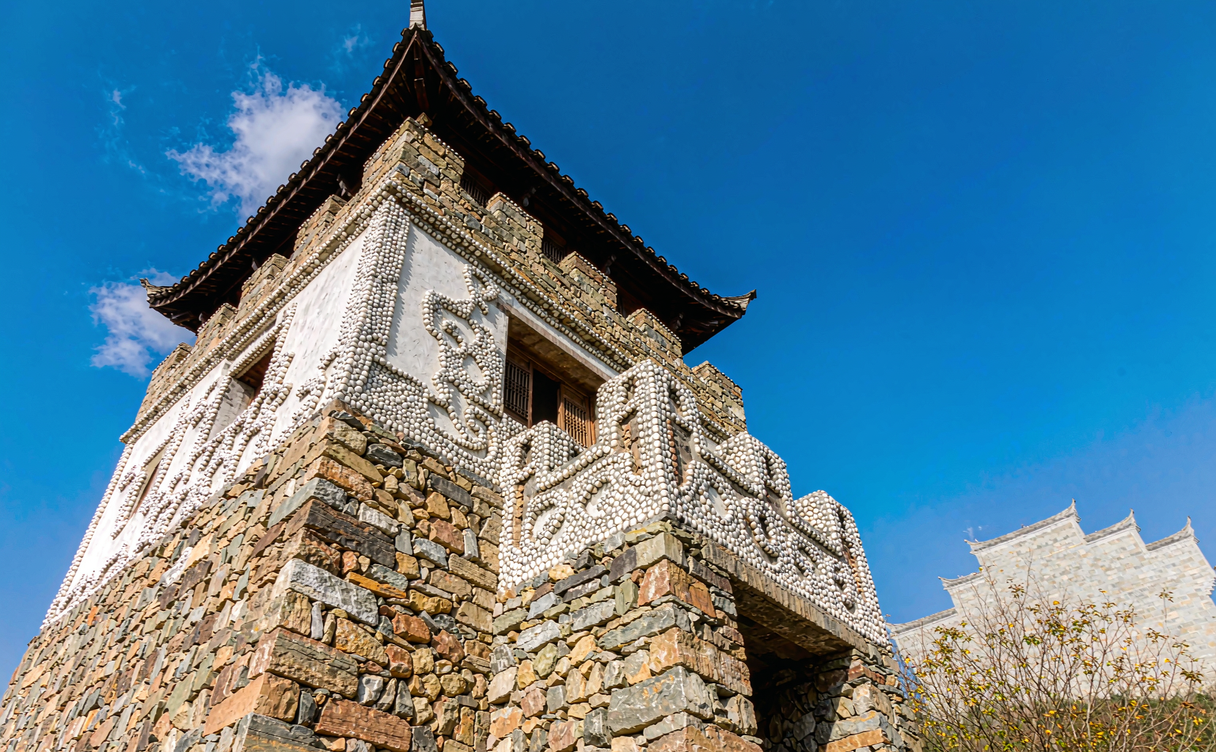
The most iconic structure is the diaolou, a slender stone tower that can rise four to eight stories. Narrow windows double as defensive slits, and the top often holds a platform for signaling between villages. In Taiping, several diaolou still stand complete, offering a rare chance to see the full profile rather than a ruined stub.
The Family Tower House
Domestic towers are broader and shorter than watchtowers. The ground floor shelters livestock, the middle floors hold the kitchen and sleeping rooms, and the top is reserved for the family shrine and dried crops. Thick stone walls keep interiors cool in summer and warm in winter, a passive climate design that needs no electricity.
The White Stone Shrine
No description of Qiang architecture is complete without the white stone. Placed on roof ridges, gateposts, and sacred trees, these quartz stones are offerings to the highest deities. Photographers should ask before framing a shrine up close, as some remain active places of worship.
How to Get to Taiping Village from Chengdu
Most international travelers begin in Sichuan’s capital, so the practical question is how to get to Taiping village from Chengdu. The village sits in the mountainous north of the province, and the journey is part of the experience.
The simplest route is to take a high-speed train or bus from Chengdu toward the Maoxian or Wenchuan area, then transfer to a local bus or hire a private car for the final climb into the hills. Driving yourself is possible but not recommended unless you are comfortable with winding mountain roads and variable weather. A private driver arranged through your hotel saves time and lets you stop at viewpoints along the way.
If you are combining the trip with the famous valleys, a Jiuzhaigou and Huanglong guide explains the broader regional transport and helps you sequence the stops efficiently. Budget a full day of travel if you plan to reach Taiping and continue north on the same trip.
Taiping Qiang Village Tickets and Visiting Logistics
Before you go, sort out the practicalities. Current Taiping Qiang village tickets are modest compared with major national parks, and the fee directly supports conservation and the local community. Tickets are usually sold at the village entrance, and it is wise to carry some cash because card readers can be unreliable in remote mountain settlements.
Opening hours follow daylight, roughly from morning until early evening, with the best light for photography in the late afternoon. Guided walks led by Qiang villagers are available and strongly recommended; the small surcharge turns a pretty village into a story you will actually remember. Combine your cultural stop with high-altitude scenery by reading the Mount Siguniang travel guide if you want to extend deeper into the mountains.
Taiping Village Restoration Craft Workshops
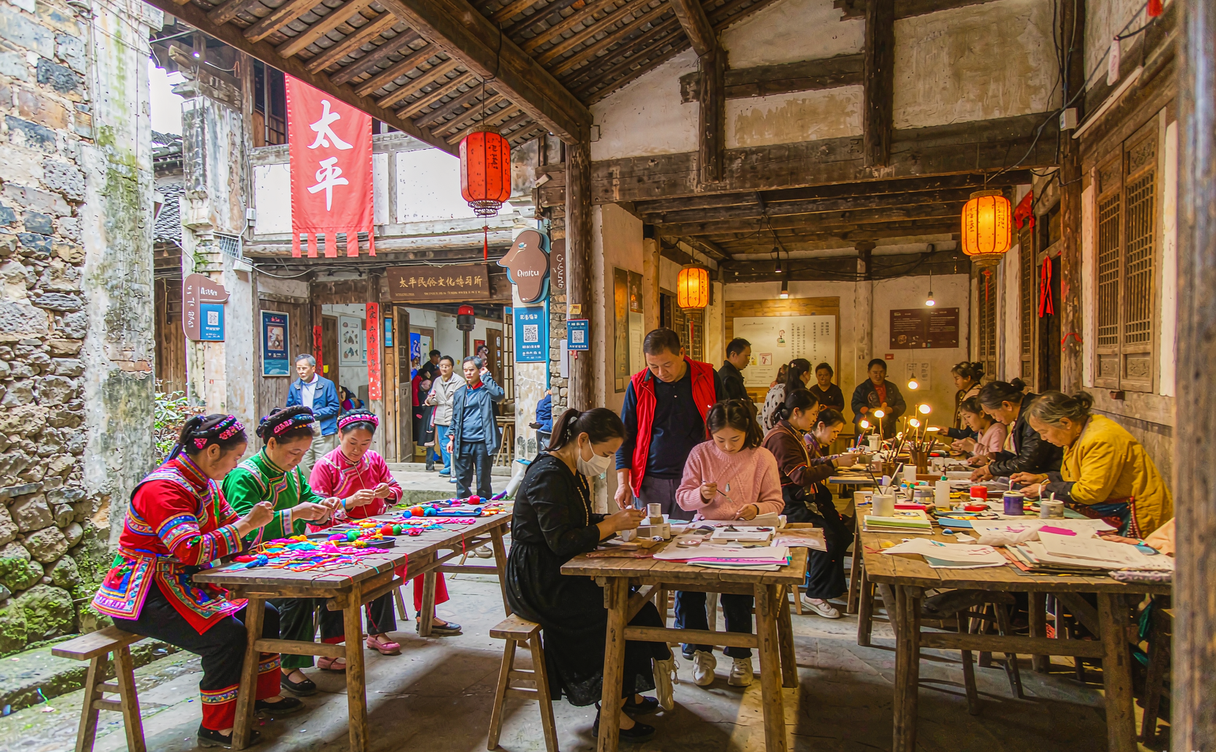
One of the most rewarding parts of a visit is watching heritage come back to life. After past earthquakes, local masons rebuilt using the same dry-stone method their ancestors used, and today several Taiping village restoration craft workshops invite visitors to learn the basics.
In a workshop you might try splitting and fitting stones without mortar, weaving hemp cloth on a traditional loom, or pressing patterns into hand-made Qiang embroidery. These sessions are hands-on but gentle, suitable for families, and they put money directly into the hands of the artisans. Buying a small embroidered pouch or a woven band at the workshop supports the craft far more than purchasing a mass-produced souvenir in a city mall.
Best Time to Visit Taiping Qiang Village
Timing shapes the whole experience. The best time to visit Taiping Qiang village is late spring through early autumn, when the terraces are green, the mountain passes are clear, and festivals bring the lanes to life. April and May offer blossoming fruit trees, while September and October deliver crisp air and golden harvest scenes.
Winter is quieter and colder, with some guesthouses closed, but it rewards patient travelers with snow on the tower roofs and almost no crowds. Whenever you come, check the weather and road status in advance, because mountain conditions can change quickly.
Culture, Food, and Local Etiquette
Qiang hospitality centers on the hearth. Expect smoked pork, buckwheat noodles, and barley wine served in small wooden bowls. If a village elder offers you a drink, accepting with both hands is the polite response. Dress modestly when visiting shrines, and always ask before photographing people.
The Qiang also keep a rich musical tradition of throat singing and reed-pipe music, sometimes performed in the evening at the community square. For a wider context on the region’s peoples, the China ethnic minorities travel guide is a useful companion read before your trip.
Where Taiping Fits in a Sichuan Itinerary
Taiping works best as a slow, cultural counterpoint to the province’s headline sights. Travelers who enjoy off-the-beaten-path stops will also love the high pastures of the west; the Litang travel guide maps another distinctive Tibetan-influenced corner of Sichuan. For a broader plan that mixes culture, nature, and city life, browse our best things to do in China for inspiration.
Plan your Sichuan cultural route today and let our Jiuzhaigou travel guide help you connect Taiping Qiang Village with the region’s iconic valleys.
Responsible Travel and Conservation
Taiping is a living village, not a museum. Stay on marked lanes, never climb on unstable walls, and respect any area closed for restoration. The UNESCO-supported recognition of Qiang intangible heritage, detailed on the UNESCO intangible cultural heritage list, underscores why these traditions deserve careful protection. Supporting local guesthouses and workshops is the most direct way to keep the culture alive.
Sample One-Day Visit Plan
Arrive mid-morning and start at the village entrance with a local guide. Spend an hour on the upper lanes photographing the diaolou, then join a restoration craft workshop before lunch with a host family. Afternoon is for the shrine path and the terrace viewpoints, with golden-hour photos from the eastern ridge. Leave before dusk unless you are staying overnight in a village guesthouse.
Ready to build a custom itinerary? Pair this stop with our Mount Siguniang travel guide and craft a mountain-and-culture route that fits your dates.
FAQ
Is Taiping Qiang Village suitable for children?
Yes. The lanes are walkable, workshops are family-friendly, and the scale is manageable for a half-day visit.
Do I need a guide?
Not strictly, but a villager guide transforms the experience and ensures your visit benefits the community.
Can I stay overnight?
A few family guesthouses welcome travelers. Book ahead in peak season and confirm heating in colder months.
Final Thoughts
A Taiping Qiang village guide would be incomplete without reminding you that the real treasure here is continuity: stones laid by hand, songs sung for generations, and a community that opens its doors without losing its soul. Go slowly, learn a little of the language, and you will leave with more than photographs.
Start planning now and explore more cultural stops with our best things to do in China to round out your journey across Sichuan and beyond.