

Most visitors to Jilin Province rush between Changchun and the mountain resorts, never noticing the city where the Songhua River bends wide and slow across the northern plain. A Songyuan travel guide should fix that, because Songyuan (松原) is one of the few places in the Northeast where you can watch a thousand-year-old fishing tradition survive almost unchanged, on a river so broad it feels like a lake. We have sent travelers here for the winter ice-fishing festival and for summer riverside calm alike, and both versions of the city reward patience.
Songyuan sits in western Jilin where the Songhua, Nen, and Second Songhua rivers converge, about 150 kilometers northwest of Changchun. It is an industrial and agricultural city of around 2 million people, but the reason to come is not the skyline. It is Chagan Lake (查干湖), the largest freshwater lake in Jilin and one of the most important winter fishing grounds in China, plus the slow riverside towns where fishing families have lived for generations.
How to Get to Songyuan
Understanding how to get to Songyuan starts with the train. Songyuan Station (松原站) sits on the conventional line with regular services from Changchun (about 1.5 to 2.5 hours, 30 to 55 RMB) and from Harbin (around 2.5 to 4 hours). There is also a newer high-speed connection that shortens the Changchun run, so check both when you book. The city is compact, and most riverside and lake sites are a 30 to 60 minute drive out, so plan on hiring a car or using Didi for the day.
We once arranged a reader’s arrival so they landed at Changchun Longjia, took the airport express into the city, and caught a midday train to Songyuan, reaching their lakefront guesthouse before dinner. The whole land transfer was under 120 RMB. For the ticketing mechanics, our China high-speed train guide for foreigners walks through booking with a foreign passport. If you are starting from the provincial capital, our Changchun travel guide explains how to slot Songyuan into a wider Jilin loop, and our Jilin City travel guide covers the river city to the southeast if you want to compare two very different Songhua River cultures.
Best Time to Visit Songyuan
The best time to visit Songyuan depends on which face of the city you want. The famous window is deep winter, late December through February, when Chagan Lake hosts its traditional ice fishing festival (查干湖冬捕). Fishermen cut holes in meters-thick ice, run out nets hundreds of meters long pulled by horses, and haul up fat lake fish in a spectacle that has lasted for centuries among the local Mongol fishing communities. Temperatures sit around minus 15 to minus 25°C, so dress in real layers.
Summer, from June to August, is the quieter alternative: warm (highs near 28°C), green, and good for riverside cycling, ferry rides, and fresh fish dinners without the crowds. We tend to recommend late September for travelers who want pleasant weather and harvest-season fish without the festival crush. Avoid the Chinese New Year week if you can, because the lake area books out completely.
Things to Do in Songyuan
The centerpiece is Chagan Lake (查干湖), about 40 kilometers north of the urban center. In winter the ice-fishing spectacle draws coaches of domestic visitors, but even outside festival time the lake is huge and peaceful, ringed by reed beds and small fishing villages. You can take a summer boat cruise, visit the lakeside temple and the fishing culture museum, and eat the lake’s signature fathead carp prepared a dozen ways. Entrance and cruise packages run roughly 80 to 150 RMB; a winter festival-day ticket with a reserved viewing spot is more, around 120 to 200 RMB.
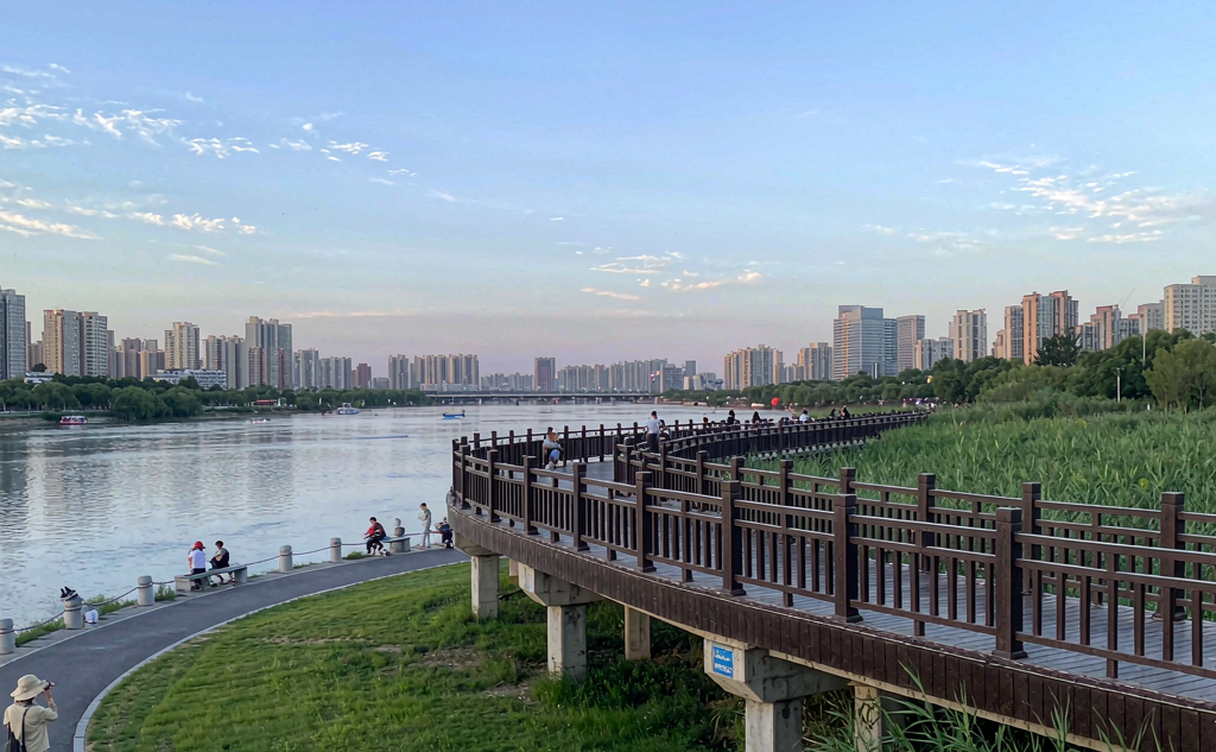
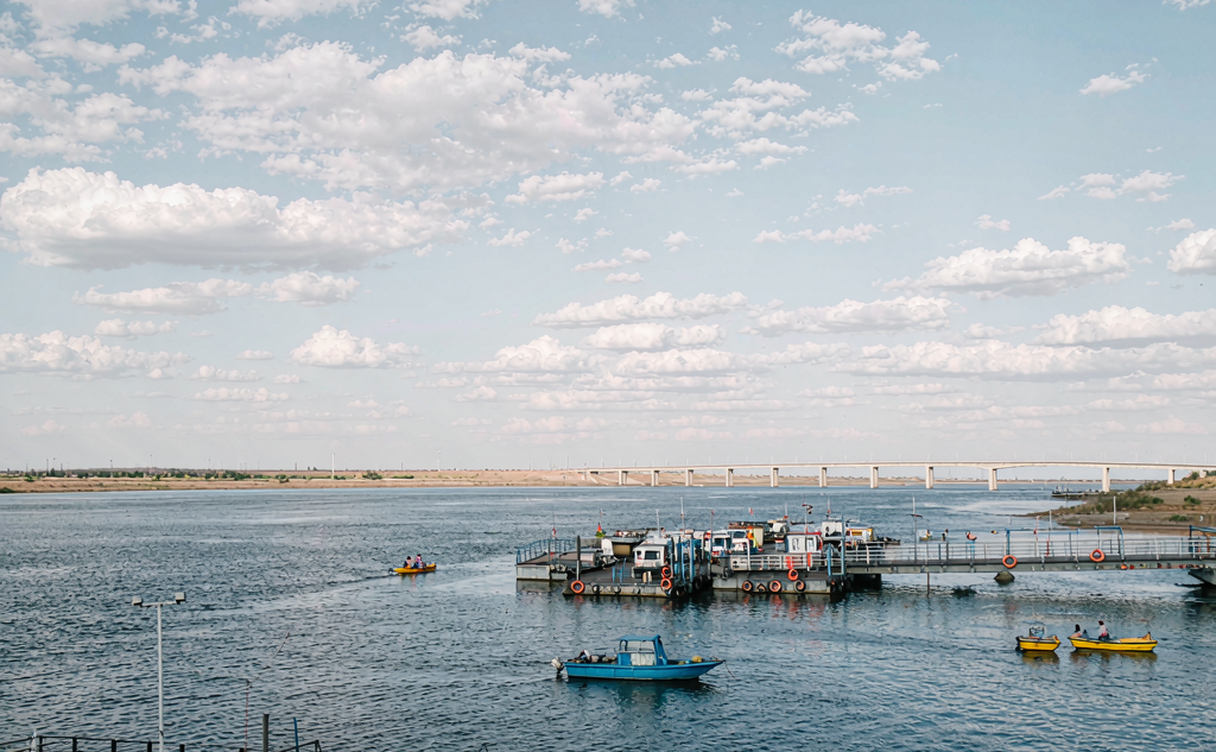
A second stop is the Songhua River riverside itself, especially the stretches near the city where you can walk the embankment, watch freight and passenger boats, and see how the river shapes daily life. The nearby Qian Gorlos Mongol Autonomous County (前郭尔罗斯蒙古族自治县) adds a cultural layer: it is one of the few places in Jilin where Mongol language, food, and festival life remain visible. Things to do in Songyuan also include the local museum, the riverside night market in summer, and short drives to smaller tributaries where herons fish at dusk.
We once arranged a private winter morning for a reader who wanted to photograph the ice nets without the festival crowds: we booked a local fishing family’s sideline demo at 06:30, before the official show, and he got clean shots of horses, rope, and steaming fish on the ice. That kind of access comes from knowing the villages, not from the ticket window.
A Suggested Songyuan Itinerary
A good Songyuan itinerary runs two to three days. Day one: arrive, settle near the river or lake, and do a relaxed riverside walk plus dinner of fresh fish. Day two: a full day at Chagan Lake—winter festival if in season, or a summer cruise and the fishing museum. Day three: visit Qian Gorlos county town for Mongol food and the local market, then train back to Changchun or on toward Harbin.
We often pair Songyuan with a winter swing to the Harbin Ice Festival, since both celebrate northern ice culture in different keys; the drive or train northeast is long but scenic. For travelers building their first China plan, our China travel guide for first-timers has practical notes on rural transport and cash that apply directly here.
Where to Stay and What It Costs
Songyuan is affordable. A central business hotel runs 160 to 320 RMB per night; a lakeside guesthouse at Chagan runs 200 to 450 RMB in festival season and less off-season. Book the lake stays well ahead for December and January. Taxis start at 6 RMB, and a full-day private car for the lake and county loop is around 300 to 500 RMB. Food is the highlight and the bargain: a whole prepared lake carp for a table of four is 120 to 200 RMB, and street snacks along the river are 5 to 15 RMB.
For a wider regional view, our list of the best things to do in China includes other river and lake experiences worth comparing, and our Jilin City guide gives you the mountainous, misty side of the same province.
Background and a Bit of River History
Chagan Lake’s fishing tradition is recognized as a national intangible cultural heritage, and the winter net-pulling ritual you see today descends from practices of the Mongol and Han fishing communities who have managed the lake’s stocks for generations. The lake itself is a constructed and restored wetland system as much as a natural one, with channels that have been maintained for centuries to keep fish moving. For a neutral geographic overview of the lake and its setting, the Wikipedia entry on Chagan Lake is a reasonable reference, though the living culture is best understood on the ice itself.
A practical note: out at the lake, mobile signal can drop, card payments sometimes fail at small stalls, and English is rare. Download an offline map, carry cash, and have your hotel write destinations in Chinese. The rewards—fresh fish, open ice, and a tradition older than the railways—are well worth the small effort.
Is Songyuan Worth It?
A Songyuan travel guide has to admit the city proper is modest. But the river and the lake are the point, and they deliver something you cannot easily find elsewhere in the Northeast: a working freshwater fishery where the winter harvest is still pulled by horses and rope. Whether you come for the drama of the ice festival or the calm of a summer cruise, Songyuan shows a slower, wetter, older side of Jilin that most itineraries miss.