

For more than 1,700 years Jingdezhen, a mid-sized city in northeast Jiangxi, supplied imperial porcelain to Chinese emperors and, later, dinner tables across Europe. Today the best things to do in China for craft lovers almost always include a stop here, where you can watch a bowl spun on a wheel in seconds and try the clay yourself. This Jingdezhen travel guide covers the backstory, how to get there, ticket prices, where to stay, and a realistic one-to-three-day plan for visitors who want more than a photo at the famous kilns.

What Makes Jingdezhen Special (Attraction Introduction)
Jingdezhen earned the name “porcelain capital” because the local kaolin clay and a unique kiln design produced a pure, ringing whiteness that no other workshop could match. The imperial court ran a dedicated kiln factory here from the Song dynasty through the Qing, and the town still fires daily. What surprises first-time visitors is how alive the craft is: entire neighborhoods are given over to throwing, glazing, and firing, and the air in some districts smells faintly of woodsmoke and wet clay.
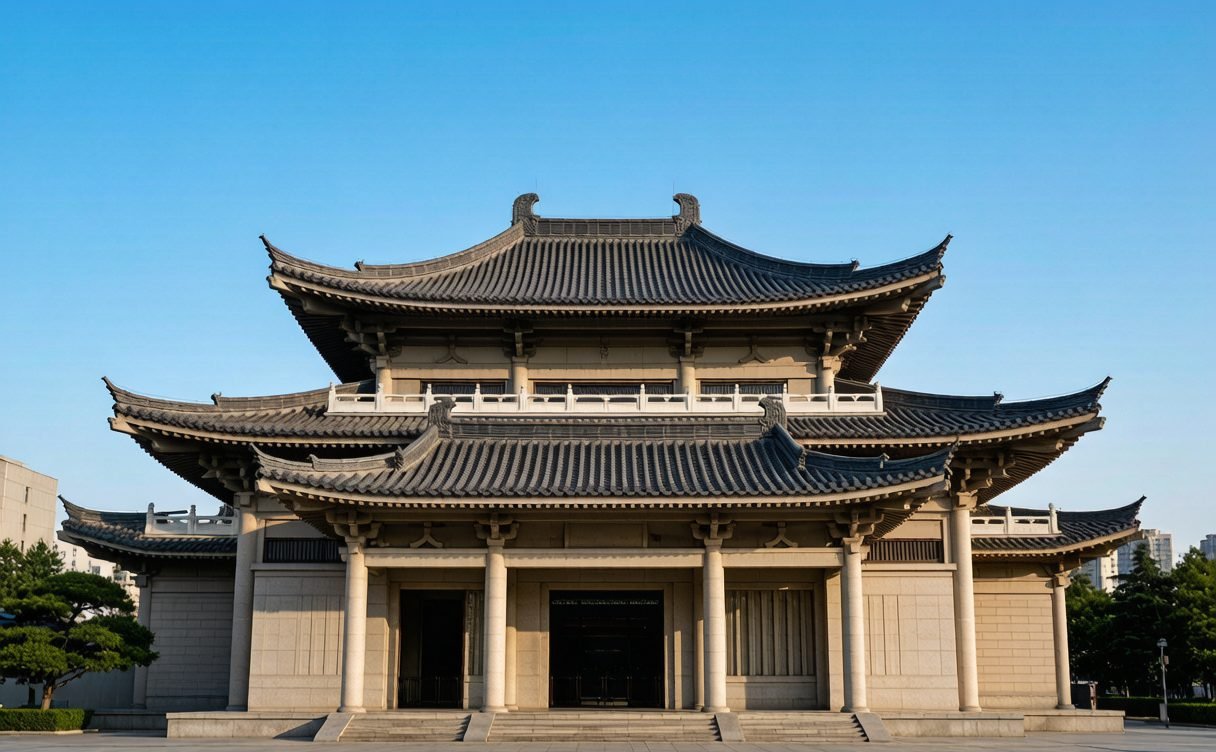
The city’s identity is built around a handful of sites rather than one headline landmark. The Ancient Kiln Folk Customs Museum (Gu Yao) reconstructs Song, Yuan, Ming, and Qing kilns and fires them on schedule, so you can see a 900-year-old design actually working. Taoxichuan is the modern creative quarter, a converted factory district that lights up at night with a ceramics market, design studios, and live demonstrations. Across the river, the Imperial Kiln Museum sits inside a restored Ming dynasty kiln compound and displays the flawed wares that were once smashed rather than shipped. For a slower, village feel, Sanbao International Pottery Village and the nearby Yaoli ancient town show porcelain-making in its rural, pre-industrial setting.
Jingdezhen Travel Guide: Best Time to Visit and How Long
The best time to visit China generally favors spring and autumn, and Jingdezhen is no exception. April to June and September to November bring mild, dry weather that is comfortable for walking the open-air kiln sites and the riverfront. Summer is hot and humid, with July and August regularly above 35°C; winter is cold but quiet, and the night market at Taoxichuan is atmospheric even in the low season.
Plan at least two full days. Day one covers the Ancient Kiln Museum and Taoxichuan; day two adds the Imperial Kiln Museum, Sanbao, or a trip out to Yaoli. A third day lets you take a hands-on throwing class without rushing. If you are building a wider route, our China 2-week itinerary shows how to pair Jingdezhen with Shanghai, Huangshan, and the Yangtze delta.
How to Get to Jingdezhen (Transportation)
Jingdezhen is well connected for a city of its size. Jingdezhen Luojia Airport (JDZ) has domestic flights from major hubs including Beijing, Shanghai, Guangzhou, and Shenzhen, though schedules thin out in the low season. The easier option for most visitors is the train. The China high-speed train guide for foreigners explains how to book on 12306 and what documents you need; from Shanghai Hongqiao you can reach Jingdezhen in roughly three and a half to four hours, and from Nanchang, the provincial capital, in about two hours. The station is on the north side of the city, and a taxi or ride-hailing car into the center takes 20 to 30 minutes.
Once in the city, distances are short. DiDi (the local ride app) and taxis are cheap, and many of the kiln sites and the Taoxichuan district are close enough to combine on foot or by bike. If you plan to visit Yaoli, which is about an hour out of town, budget for a private car or a tour, as public buses are infrequent.
Tickets and Booking (Ticket Reservation)
Most sites sell tickets on arrival, but for the headline museums it is worth booking ahead during national holidays, when lines at the Ancient Kiln Museum and Imperial Kiln Museum can be long. As a rough guide, the Ancient Kiln Folk Customs Museum is around 85 to 95 RMB, the Imperial Kiln Museum is typically 50 to 60 RMB, and Sanbao Village is free to enter but charges for workshops. Taoxichuan itself is free to walk; you pay only for what you buy or the classes you join.
When you book, use the official WeChat mini-program for each venue or a major OTA such as Trip.com, and keep the QR code on your phone ready at the gate. Students and seniors often get a discount on presentation of ID, and children under a certain height are usually free. Prices shift year to year, so treat these numbers as a planning baseline rather than a quote, and confirm on the venue’s own page before you travel.
Where to Stay in Jingdezhen (Hotels and Accommodation)
Stay near the city center or the Taoxichuan district if you want to walk to restaurants and the night market. Mid-range hotels in the 250 to 500 RMB per night range are plentiful, and several design-led properties have opened around the ceramics quarters to cater to the creative crowd. If your main goal is the open-air kiln museum, a hotel on the west side of town shortens the morning taxi. For a quieter, more scenic stay, guesthouses in Sanbao or Yaoli put you next to the workshops, though you will need your own transport for evening meals.
Our China travel budget per day breakdown covers typical hotel, food, and train costs across the country, and Jingdezhen sits comfortably in the budget-to-mid range. Book a few weeks ahead if you are visiting during the October porcelain festival or a national holiday, when the better properties fill quickly.
Hands-On Clay and What to Buy
The single best experience here is a throwing class. Studios around Sanbao and Taoxichuan offer single-session lessons where a teacher centers the clay for you and you shape a small cup or bowl; pieces are glazed and shipped to you a few weeks later for an extra fee. Even if you have no artistic ambition, watching a master throw a perfect bowl in under a minute is worth the visit. For shopping, Taoxichuan’s evening market (Thursday to Sunday) is the place for studio pieces and small gifts, while the factory outlets near the station sell everyday tableware at genuine factory prices.
Jingdezhen’s craft status is recognized well beyond China; UNESCO lists it among its Creative Cities of Crafts and Folk Art, a useful reference point if you want to read about its global influence before you go (see UNESCO’s creative cities profile). Pair that background with a first-hand morning at the kilns and the city makes far more sense.
Practical Tips for First-Time Visitors
If this is your first trip to the country, start with our China travel guide for first-timers for payments, SIM cards, and etiquette. On the ground here, carry some cash for the small village stalls, download a translation app for menu and sign reading, and wear shoes you don’t mind getting a little clay on if you join a class. The city is safe and relaxed, but the kiln sites are largely outdoors, so a hat and water matter in summer.
If you are coming from Shanghai and want to extend the craft-and-landscape theme, our things to do in Shanghai pairs well with a few days in Jingdezhen before or after.
Planning a wider China trip? Build it around our China 2-week itinerary and add Jingdezhen as your craft stop.
New to the country? Read the China travel guide for first-timers before you book trains and hotels.
Want more ideas beyond porcelain? Browse the best things to do in China for the rest of your route.